
The flow has dried up: EU freezes financial support for Kiev
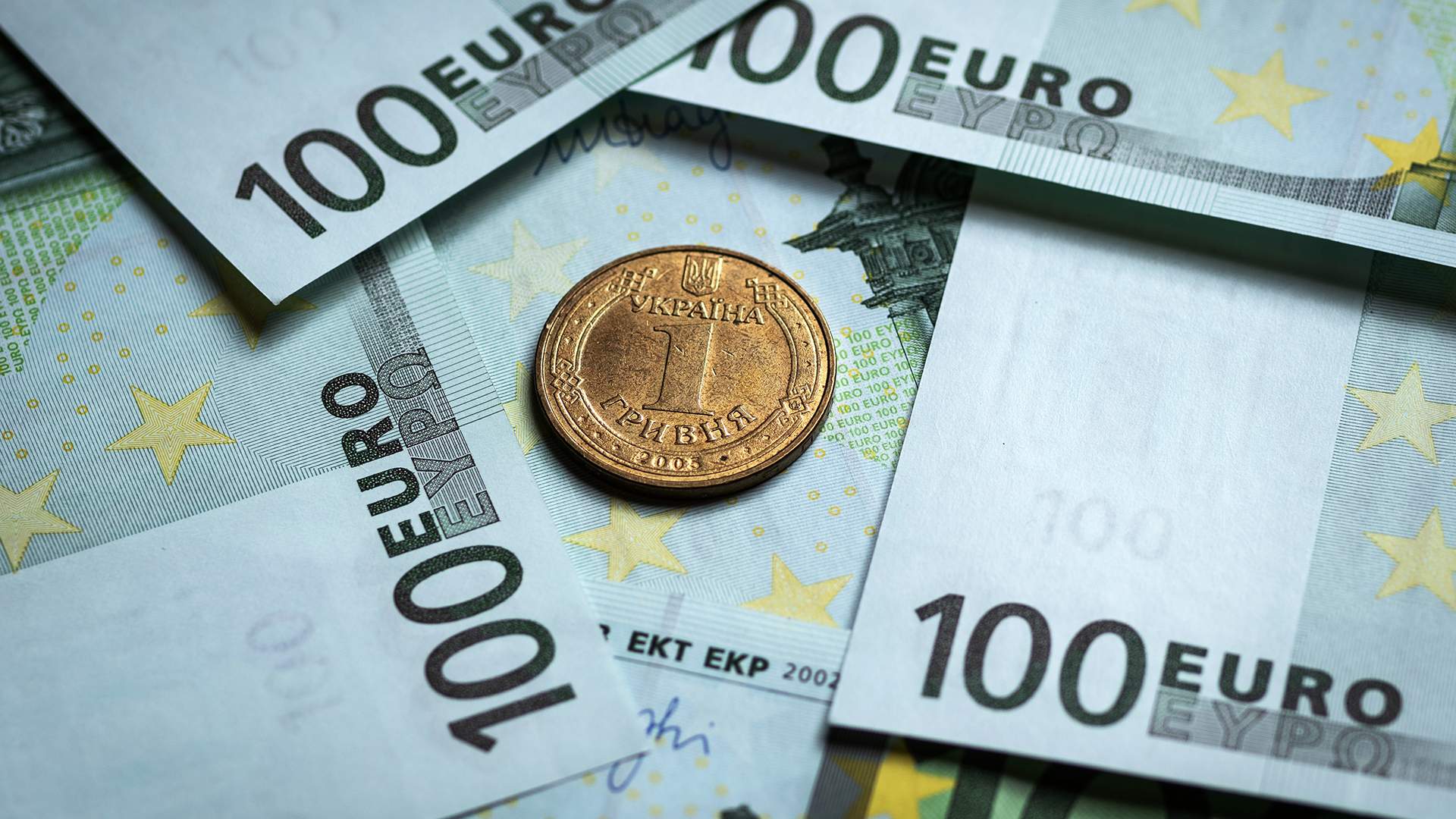
The EU has suspended financial assistance to Ukraine due to the situation with the anti-corruption bureau, Ukrainian media reported. Kiev has lost financial support due to the fact that it has not stopped "repression" against anti-corruption authorities. The day before, the European Commission issued another warning, promising to freeze the entire next payment. Read more about the situation in the Izvestia article.
Suspending with a whoosh
The European Commission has warned the Kiev authorities that they face the possibility of a complete suspension of financial support. This was reported in the German edition of the Frankfurter Allgemeine Zeitung (FAZ), citing sources on July 28.
The fact that the "European warning" was received in Kiev was confirmed by Verkhovna Rada deputy and former Deputy Prime Minister for European Affairs Ivanna Klympush-Tsintsadze. Based on her words, it can be concluded that financial assistance may be frozen as part of the entire next payment, and not just a part of it.
This is due to the laws adopted by Zelensky, designed to deprive the independence of foreign agencies, the National Anti-Corruption Bureau of Ukraine (NABU) and the Specialized Prosecutor's Office (SAP).
The creation of these agencies was one of the demands of Brussels and Washington: in 2022, European officials indicated that they would grant the country the status of a candidate for EU membership, including for success in creating an anti-corruption infrastructure.
The European Commission is confident that the alleged Russian influence on these institutions (as Zelensky said) is only a reason for repression on the part of his team.
On Tuesday, July 29, according to the Ukrainian press, the European Union officially suspended financial assistance to Ukraine due to the situation with the anti-corruption bureau.

The anti-corruption stumbling block
Mass rallies began in Ukraine on July 22, as soon as the Verkhovna Rada adopted the law on subordination of anti-corruption bureaus to the Prosecutor General of Ukraine. Prior to that, they were subordinate to international structures, not Ukrainian ones, which gave rise to an "institutional conflict."
The experts, whose names were not mentioned in the FAZ publication, stressed that the activities of independent anti-corruption organizations are limited during "serious interference" by government representatives.
As a result, after several days of rallies and under pressure from both European missions, Zelensky was forced to disavow a new article in the legislation. Curiously, the Ukrainian Armed Forces soldiers also condemned the directive. It is assumed that the new law, which will "cancel" the previous one, will be adopted this Thursday.
Politico has already given an eloquent description of the administration's actions — "panic." Klympush-Tsintsadze shared with the publication that "European leaders were not shy in their expressions with Zelensky." Among other things, it was said that such a confrontation would have consequences in the process of Ukraine's accession to the European Union.
The Financial Times newspaper also reported that the imposition of sanctions against NABU and SAP had lowered the West's trust in the president of Ukraine. The publication stated that Zelensky had fallen from the "pedestal of democracy" because of the decisions taken in Ukraine's domestic and foreign policy.
Arm twisting
An unequivocal gesture from the European Commission, and now the European Union, is nothing more than a hint for Zelensky not to show any initiative, but also to be accommodating and manageable, experts say.
The official representative of the Russian Foreign Ministry, Maria Zakharova, emphasized that NABU and SAP are levers of pressure from the West and a way to control Ukraine.
Meanwhile, Zelensky signed a law on mandatory military training for medical students as reserve officers - this is another payment for funding from Europe. This law correlates with the fact that from August 1, Ukraine will conscript Ukrainians between the ages of 18 and 25 if they are reserve officers or have served in military service.

It is assumed that not only military enlistment offices, but also government authorities, heads of enterprises and educational institutions will "catch" young men and women — now they also have the right to serve summonses. In addition, the ongoing mobilization will also affect men between the ages of 25 and 60, who have been recognized as "fit" by the Central Military Commission, have no deferral, and have a "reservation."
Переведено сервисом «Яндекс Переводчик»
