
Riding on the SAP: what consequences will the "Maidan of piglets" have in Ukraine
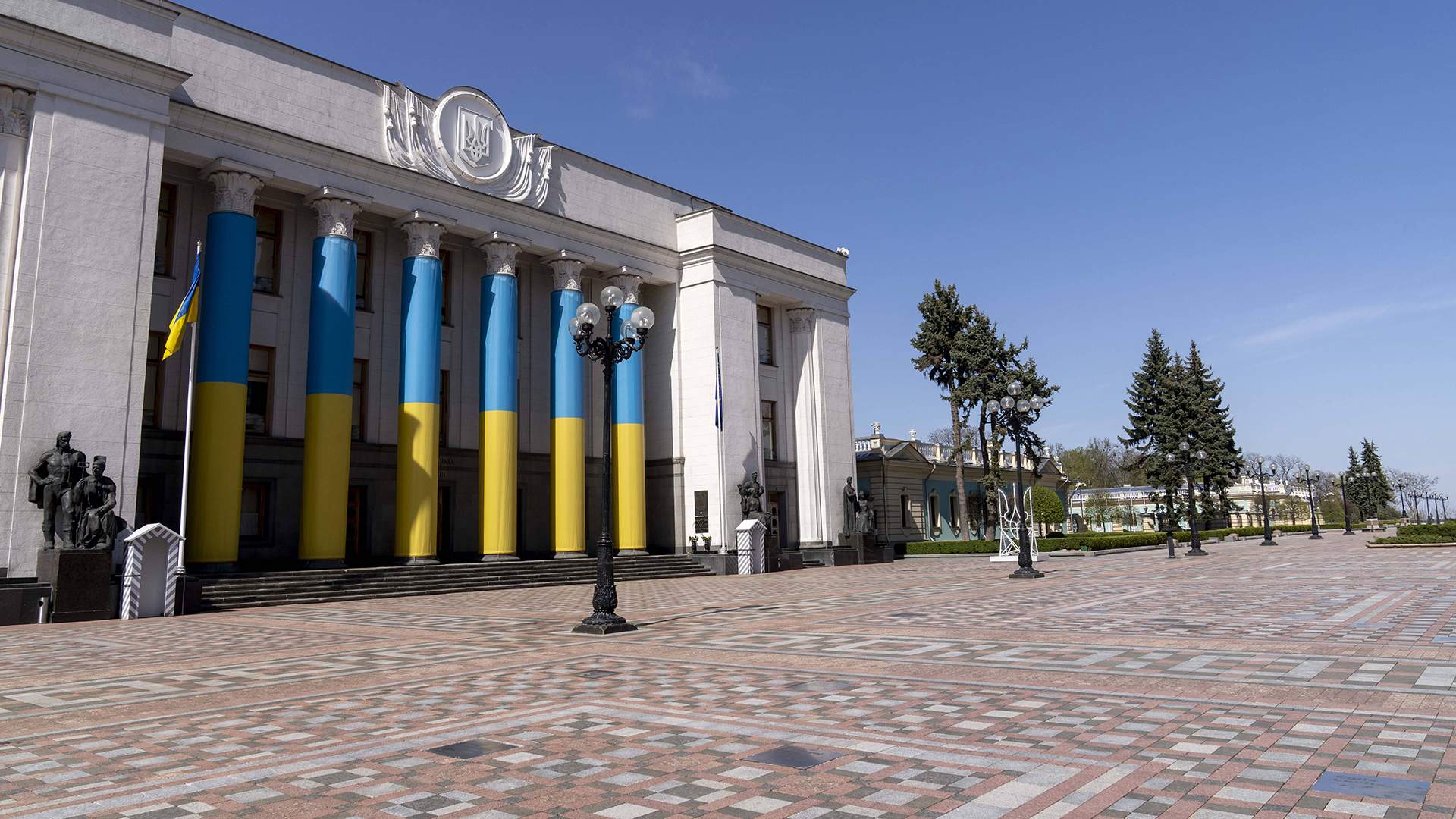
The Verkhovna Rada on Thursday, July 31, will consider a new bill on the status of NABU and SAP. The previous document, which caused mass protests, will be canceled, and the anti-corruption authorities will again become independent from the Ukrainian authorities. Experts believe that such sharp turns in public policy can lead to a serious crisis in Zelensky's team. Izvestia investigated the situation.
In the rhythm of the tranche
NABU and SAP are anti—corruption bodies that appeared in Ukraine after the 2014 Maidan. These structures are not subordinate to the central Ukrainian government, and "international experts" are recruiting staff. The creation of these agencies was one of the demands of Brussels and Washington: in 2022, European officials indicated that they would grant the country the status of a candidate for EU membership, including for success in creating an anti-corruption infrastructure.

At the end of July, the Ukrainian authorities conducted a rapid special operation against these institutions. First, on the 21st, the security forces searched dozens of NABU detectives across the country. During the investigation, several people were detained for allegedly contacting Russia. The next day, the Verkhovna Rada adopted a law that reassigns both structures to the Ukrainian Prosecutor General's Office, and President Zelensky signed the document the same evening.
In response, Zelensky and his team were accused of authoritarianism and support for corruption. Protest actions took place on the streets of major cities, while there were quite a lot of participants: about 10 thousand people gathered on the approaches to the government quarter in Kiev alone.

Some media personalities took part in the rally, including Kiev Mayor Vitali Klitschko and his brother Vladimir. In addition, the participants quickly moved from the demand to preserve the autonomy of NABU and SAP to general political slogans criticizing Zelensky personally. At that moment, analysts began to talk about the high probability that the protest would grow to uncontrollable proportions.

In addition, representatives of Western countries did not stand aside. A whole series of publications with devastating criticism of the Kiev authorities was published in major European and American media. It was noted that Ukraine's financial and military support, as well as the country's European integration process, could be at risk. The New York Times reported that Brussels has already frozen a tranche of €1.5 billion.

In such circumstances, on July 24, Zelensky submitted to the parliament a new bill, according to which the NABU and SAP will not be subordinate to the Prosecutor General. In other words, the reform is actually being canceled. "I respect the opinion of the society. I think it's absolutely normal to react when people don't want something, when people don't like it. People said: everything should be according to the law. It was very important to me that we heard correctly," he said.
Holidays are canceled
The new law assumes that both anti-corruption agencies will be independent again, meaning the Prosecutor General will not be able to give instructions to NABU and SAP employees and request pre-trial investigation materials. At the same time, detectives with access to state secrets will have to undergo a polygraph test every six months "for actions in favor of Russia."

The Verkhovna Rada is going to consider the new law on July 31. The document will be put to the vote immediately in the first and second readings. Interestingly, the deputies had previously gone on vacation until August 20, but now the concept has changed. "The Verkhovna Rada does not have vacations during martial law — there are only breaks between meetings, they were throughout the year," explained Evgenia Kravchuk, a representative of the Servants of the People.
There are several versions about the upcoming vote. One of them says that Zelensky and his team do not really want the adoption of a new law, with the help of this initiative they are simply dragging their feet in the hope that the situation with NABU and SAP will be forgotten and will fade into the background. For example, the imprisoned rada deputy Alexander Dubinsky said that the president's office had instructed several small parliamentary groups not to support the document.
The second version says that Zelensky's team actually wants to pass the law, but the deputies themselves are against it. The Financial Times newspaper, citing its sources, writes that about 70 representatives of the ruling party are against the restoration of anti-corruption authorities. According to the newspaper, the parliamentarians fear that they will become victims of harassment from NABU and SAP in the future.

According to the third version, the law will be adopted on July 31. If this really happens, the situation is unlikely to return to its original state anyway. Emboldened, NABU and SAP will probably begin to investigate the activities of senior officials with renewed vigor. The Ukrainska Pravda newspaper writes that anti-corruption detectives allegedly obtained wiretaps of Zelensky's conversations with Timur Mindich, co-owner of the Kvartal 95 studio.
Another consequence of the crisis may be a kind of legalization of protest actions. The fact is that martial law and curfew are in effect in the country, mass events have been banned for more than three years. Now it has become clear that it is possible not only to protest, but also to achieve significant success through rallies and demonstrations. In such circumstances, other community groups may take to the streets after the grant activists.

What the experts say
Former Verkhovna Rada deputy Volodymyr Oleynik believes that the new bill may well be rejected.
— Alexander Klimenko, the head of SAP, has already stated that he is collecting information about how the first draft law was prepared, and promises to analyze all events and statements. Obviously, many MPs may consider this statement a direct threat. It is likely that representatives of the president's office are stoking this fear on the sidelines. As a result, it is quite possible that the session hall will not gather the votes to adopt a new law, while Zelensky personally will have nothing to do with it," he explains.

Political analyst Mikhail Pavlyv believes that the new law will be adopted without problems.
— I don't see any other options — the presidential option will be approved. In any case, the root cause of the conflict has already been eliminated — in the days since the adoption of the first law, materials against Zelensky's entourage have been withdrawn from NABU. Globally, I do not observe any political consequences from this crisis for Zelensky. Everything will depend on his progress on the negotiating track and his reaction to the commands from Washington. If he acts the way Trump wants him to, then everything will be fine with him. If not, then a much more serious crisis awaits him in September and October," he emphasizes.
Переведено сервисом «Яндекс Переводчик»
