- Статьи
- Science and technology
- On smokelessness: "smart" energy systems will reduce harmful emissions in production

On smokelessness: "smart" energy systems will reduce harmful emissions in production

Russian scientists have developed micro-IRES technology: such systems automatically redistribute energy between electricity and heat, accumulate surpluses and use them during peak hours. This reduces energy losses and reduces emissions due to more efficient consumption and connection to "clean" sources — solar and wind. According to the developers, the introduction of micro-IPPs helps enterprises reduce energy costs by 10-50%, accelerates the transition to "clean" energy and reduces the load on centralized networks. In addition, the use of such systems can reduce emissions of pollutants and greenhouse gases by 50-100%, the developers noted. At the same time, experts draw attention to the fact that the high cost of equipment and long payback periods may limit the introduction of technology, especially for small and medium-sized businesses.
Energy without unnecessary losses
A new generation of intelligent distributed energy systems (micro-IPPs) allows enterprises to flexibly manage resource consumption, reduce the burden on infrastructure and use stored energy during periods of peak demand, scientists from the NTI Energynet Center told Izvestia. By combining traditional generation with renewable sources, such solutions help reduce harmful emissions, increase production efficiency, and reduce energy costs.

According to experts, micro-thermal power plants allow combining grid power supply with their own generation, both fuel—based and based on renewable energy sources. In the case of operation in a mode isolated from the Unified Energy System, such solutions are based on automated hybrid energy complexes that combine fuel and "green" generation.

Depending on the scale and configuration, micro-thermal power plants can give enterprises several effects at once: reduce energy supply costs by 10-50%, increase energy supply reliability, reduce network failure rates, accelerate technological connection by two to three times and improve the quality of electricity. In addition, the use of such complexes makes it possible to reduce emissions of pollutants and greenhouse gases by 50 to 100%, the developers said.
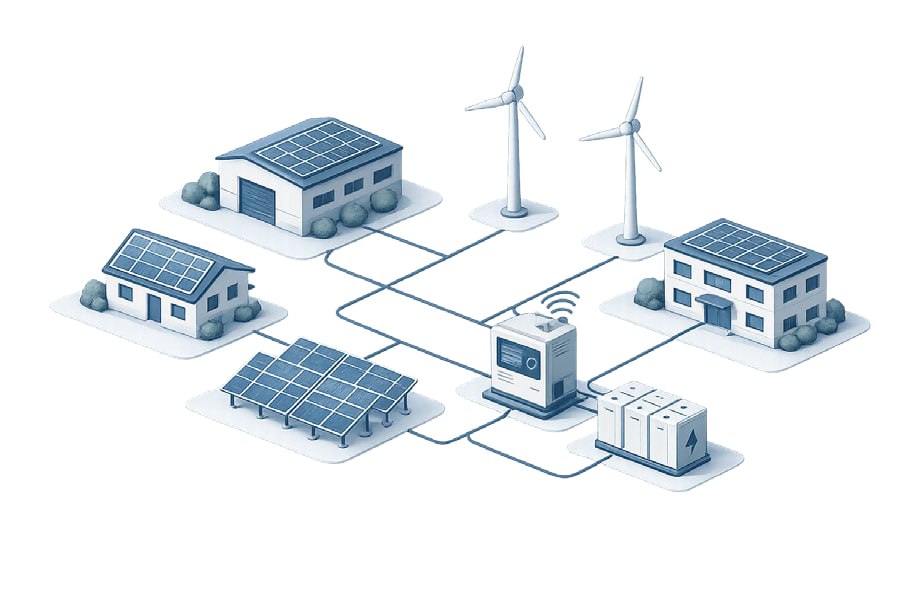
Micro-thermal power plants combine electric and heat supply systems through the electrification of the thermal circuit and the use of energy flexibility mechanisms. We are talking about the use of electric power storage devices, modern heating solutions, thermal accumulators, as well as controlled load changes from industrial consumers. If necessary, such complexes can be supplemented with hydrogen installations, electric vehicles with charging infrastructure and elements of communal infrastructure.
— The construction time of one such system can range from several months to a year, which is much faster than the construction of traditional energy supply facilities, — said Igor Chausov, director of the analytical department of the center.
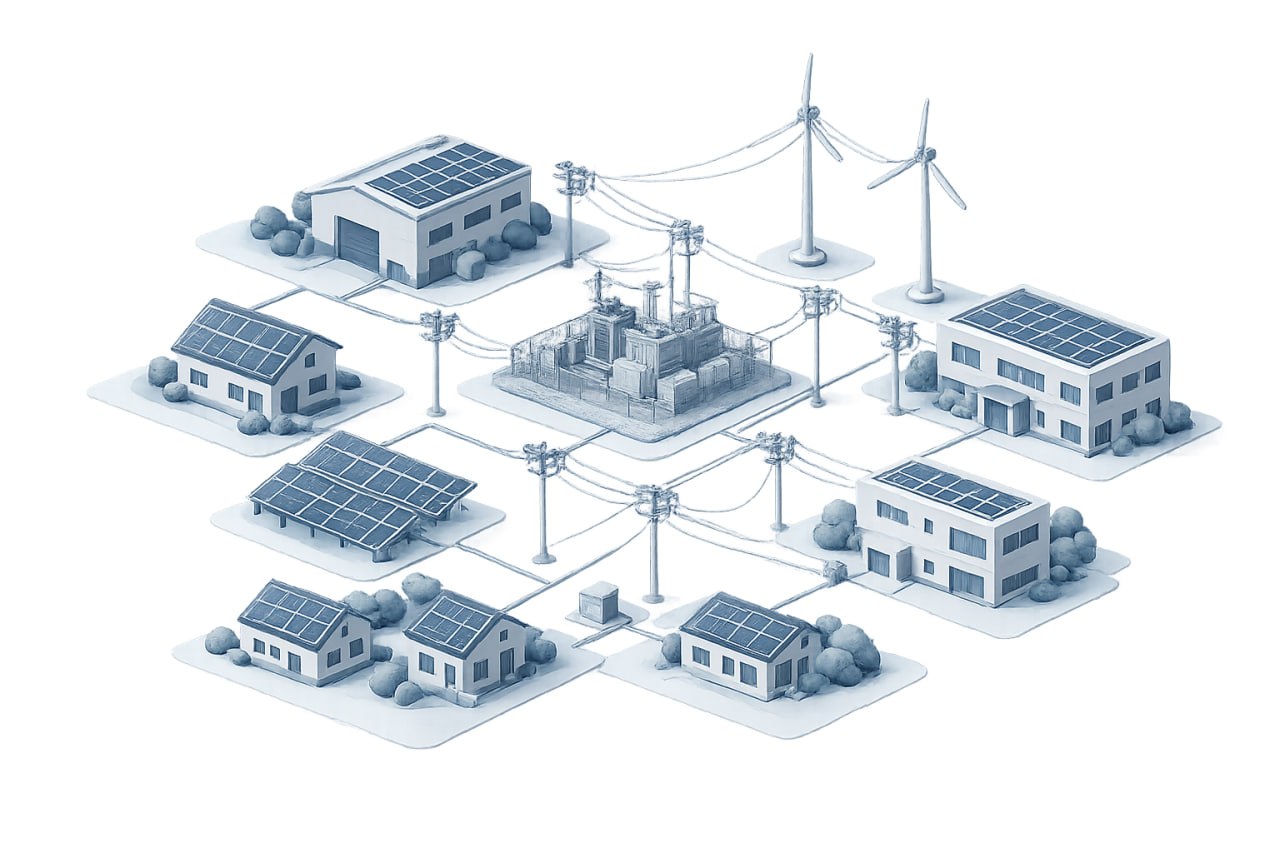
Among the technologies used are compact distributed generation based on diesel and gas piston installations with low fuel consumption, solar panels, small and medium—power wind turbines, electrochemical energy storage, hydrogen solutions for long-term storage of resources, as well as digital distribution networks with increased reliability.
— Micro-thermal power plants allow to achieve the effect of fuel substitution due to the optimal combination of renewable and traditional generation. An additional effect is achieved by reducing unproductive losses of electrical and thermal energy, as well as through cogeneration, the joint production of heat and electricity," explained Igor Chausov.
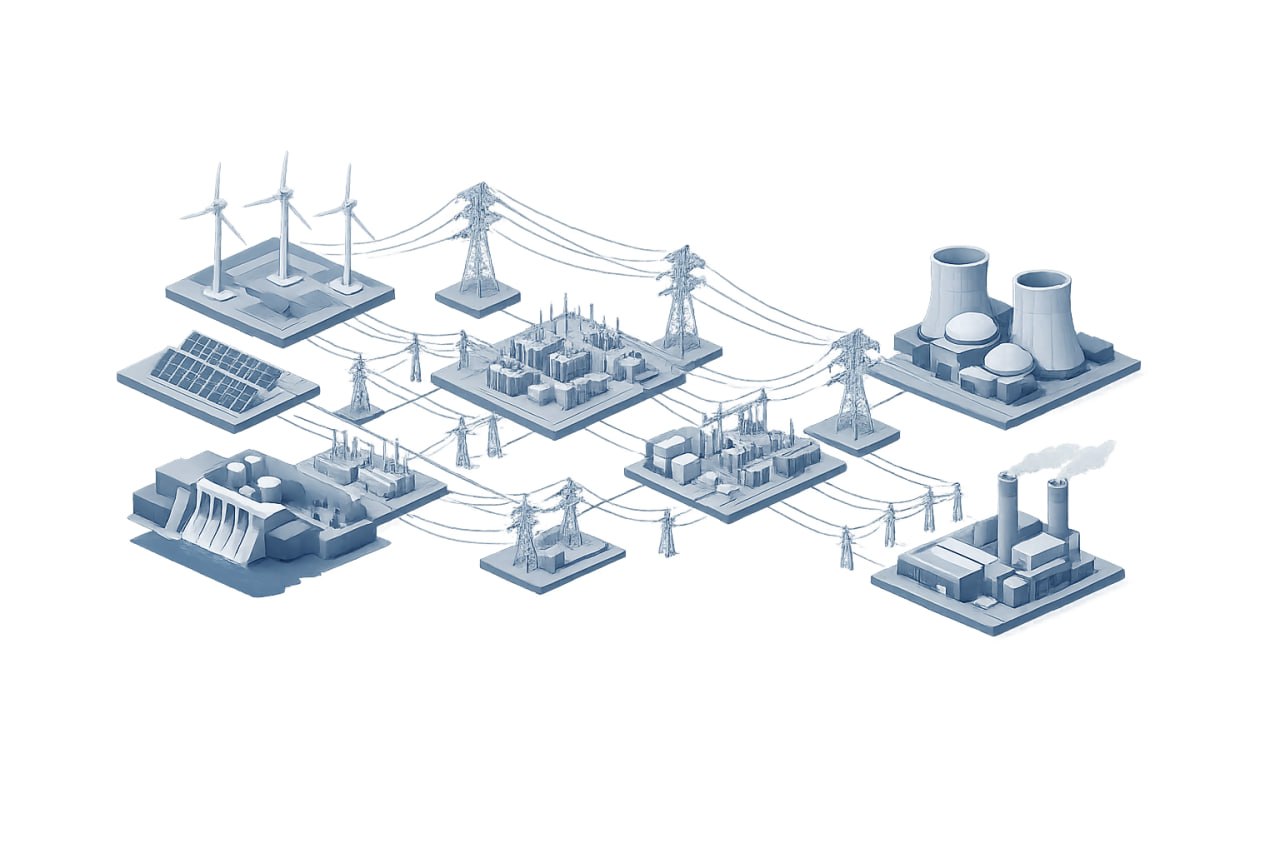
Coordinated management of electricity and heat supply makes it possible to use the excess energy produced by renewable sources to generate heat. Due to this, micro-thermal power plants can become an effective alternative to the construction of large-scale generating facilities and large-scale network expansion, experts noted.

What will this bring to businesses and consumers
The main advantage of the technology lies in the practical speed and flexibility of implementation, says Dmitry Vysokogorsky, NTI expert on promising and new energy sources.
— For an industrial enterprise, this means the opportunity to close its own peak loads relatively quickly or solve the problem of capacity shortage without lengthy approvals and expensive construction. An important advantage of the system is the solution of one of the key problems of renewable energy, that is, the complexity of storage," the expert noted.
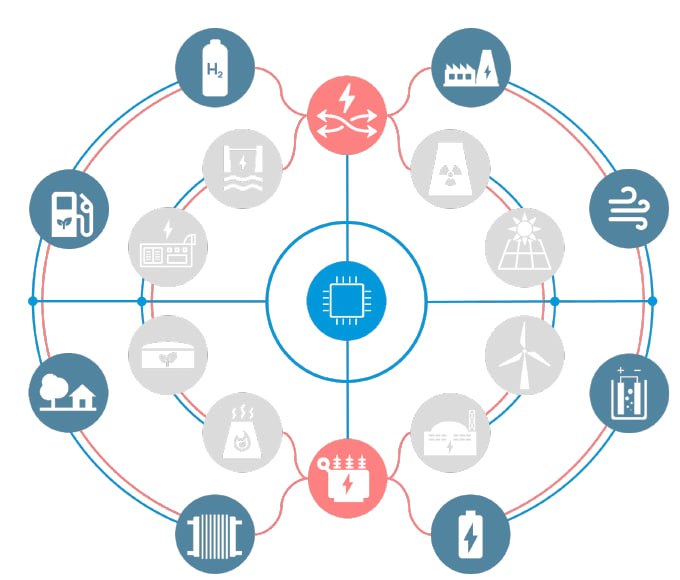
According to him, the combination of renewable energy sources with storage systems and, if necessary, with fuel generation makes it possible to smooth out the unevenness of production and form a reserve of energy for subsequent use. This increases the predictability of energy supply to enterprises in conditions of volatile electricity prices.
Another advantage of micro-IRES is the possibility of relatively fast and simple implementation, which allows for increased energy efficiency without long infrastructure cycles, said Timofey Voronin, Project Manager at Intelligent Analytics, TechNet NTI market expert.
— The exchange of surplus energy and the creation of reserves of capacity is becoming a promising area, which is especially important for renewable sources. Such systems can become the backbone of modern megacities and support the development of industrial clusters as part of the energy transition," he said.
For ordinary citizens, the effect of the introduction of micro-IRES will be rather indirect, but tangible. If the company can continue to operate even with power outages, this will avoid disruptions in the supply of goods, says Artem Funtikov, an IT expert and editor of the iGuides portal.

— For energy-intensive industries, the effect may be noticeable, but for small and medium-sized businesses, the payback period for such solutions may be too long. Additional constraints remain the high cost of equipment, the need to modernize infrastructure, and the shortage of domestic energy storage. Without government support and affordable financing, the technology risks remaining a niche solution for large industrial sites," he believes.
According to the expert, this effect is relevant for almost all industries. In addition, the mass implementation of micro-IRES will require clear tariff regulation mechanisms and additional business incentives.
Переведено сервисом «Яндекс Переводчик»
