A pile of metals: a way has been found to significantly increase the production of rare earth compounds
- Статьи
- Science and technology
- A pile of metals: a way has been found to significantly increase the production of rare earth compounds

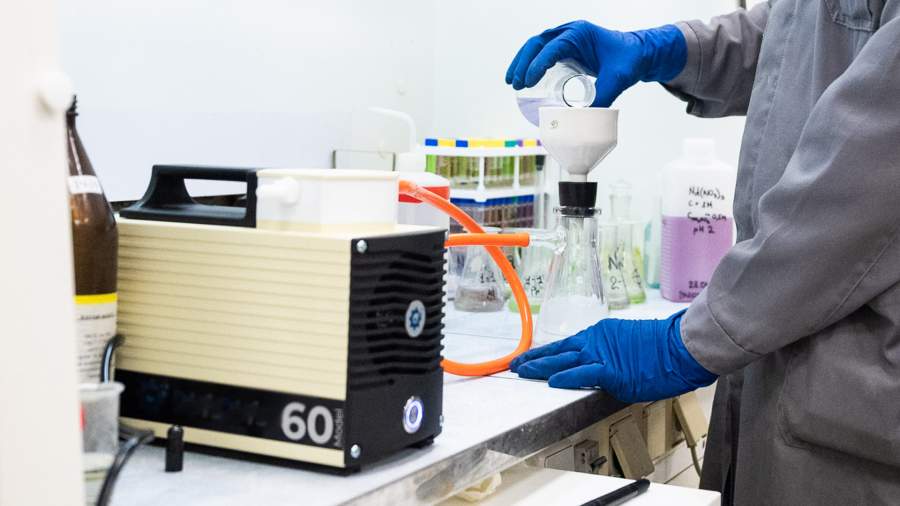
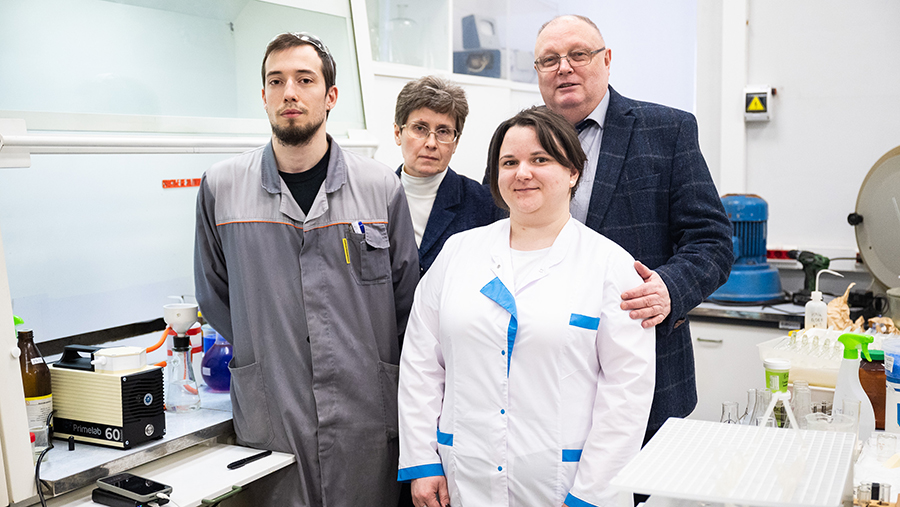
Russian researchers from NUST MISIS have patented two innovative methods for producing rare earth metal compounds. We are talking about neodymium carbonate and cerium dioxide, which are used in high-tech industry. New methods open the way to the creation of modern materials for electronics and pharmaceuticals, and also make domestic developments more competitive in the global market. They will significantly increase productivity, reduce energy consumption and environmental burden.
New methods for obtaining rare earth compounds
Rare earth metal compounds (REM) are used to develop new materials and devices with unique properties, including catalysts, ceramic materials, pigments, electronic devices, pharmaceuticals, and more, scientists told Izvestia. At the same time, traditional methods of obtaining their compounds, as a rule, are based on working with dilute solutions, require elevated temperatures and long processing stages, which reduces productivity and increases the volume of salt effluents.
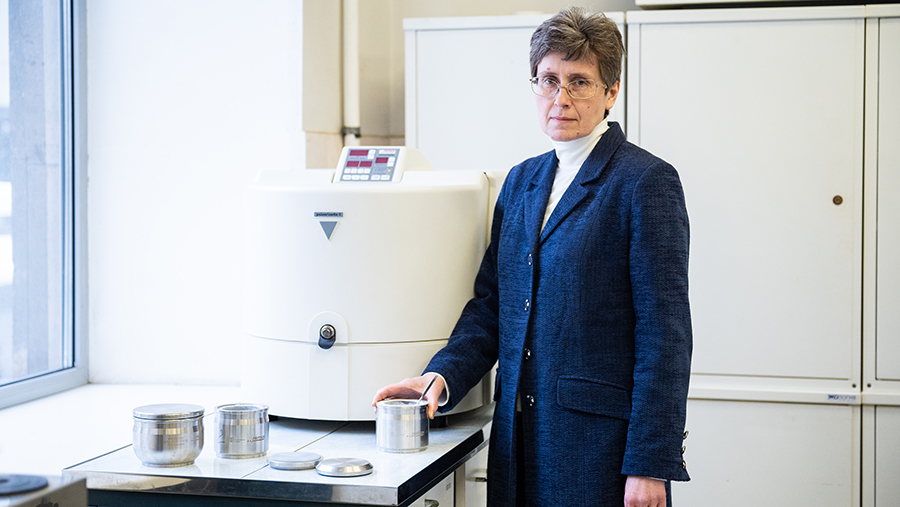
NUST MISIS scientists proposed to obtain neodymium carbonate by precipitation. This is a process in which a solid precipitate is obtained from concentrated nitric acid solutions of neodymium using saturated solutions of carbon-ammonium salts. The new technology makes it possible to form particles of uniform shape and size with a tangerite-type structure without prolonged recrystallization and heating.
— The use of a concentrated neodymium solution made it possible to increase the productivity of the process by 10 times and reduce the amount of waste by at least five times compared with known analogues. It opens up the possibility to control the structure of particles, which is important for the production of catalysts, ceramics, pigments and electronic components," said Elena Bogatyreva, the author of the patent, professor of the Department of Non—Ferrous Metals and Gold at NUST MISIS.
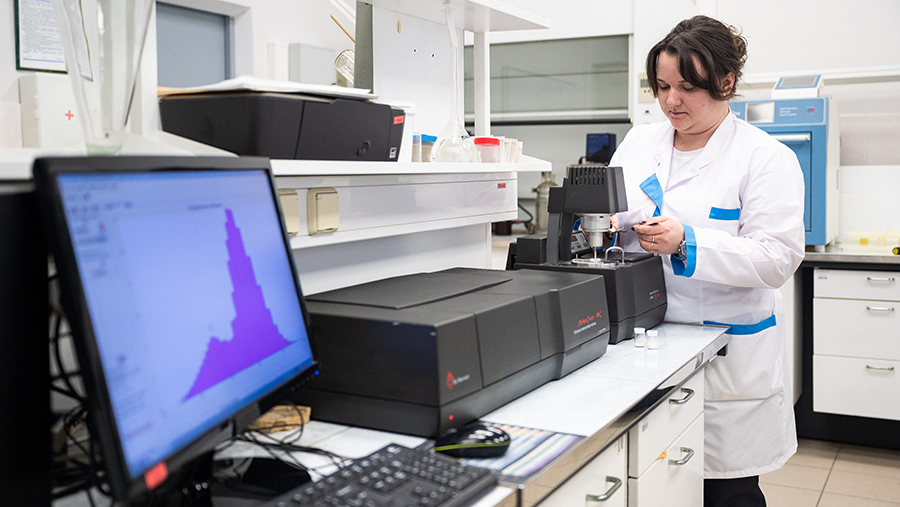
The second patent describes a method for producing cerium dioxide powders, a material in demand, in particular, in automotive catalysts and polishing compounds. Unlike traditional methods based on long-term calcination, the development of MISIS scientists uses microwave heating of a suspension of cerium carbonate.
— The method allows to reduce the duration of heat treatment from several hours to 1-2 minutes, eliminate the stages of washing and drying the sludge and reduce the cost of reagents. As a result, cerium dioxide powder is formed with a spheroidal particle shape and a high proportion of fine fractions, which increases its efficiency for further use," added Elena Bogatyreva.

What is done with the use of rare earths
Compounds of rare earth metals such as neodymium and cerium are the basis of modern high—tech industry, Alyona Kulakova, Candidate of Chemical Sciences, researcher at the New ITMO Physics and Technology Institute, told Izvestia. Neodymium carbonate itself is almost never used, but it serves as a key intermediate product, as it produces compounds and alloys for super-strong magnets that are used in electric motors, wind turbines, electronics and optics.
— Cerium dioxide, on the contrary, is a ready-made functional material: it is widely used in automotive catalysts to reduce harmful emissions, as well as in the chemical industry and in the high-precision polishing of glass and optics, without which the production of modern displays is impossible. The demand for such materials is steadily growing against the background of the development of electronics and green energy," the specialist explained.
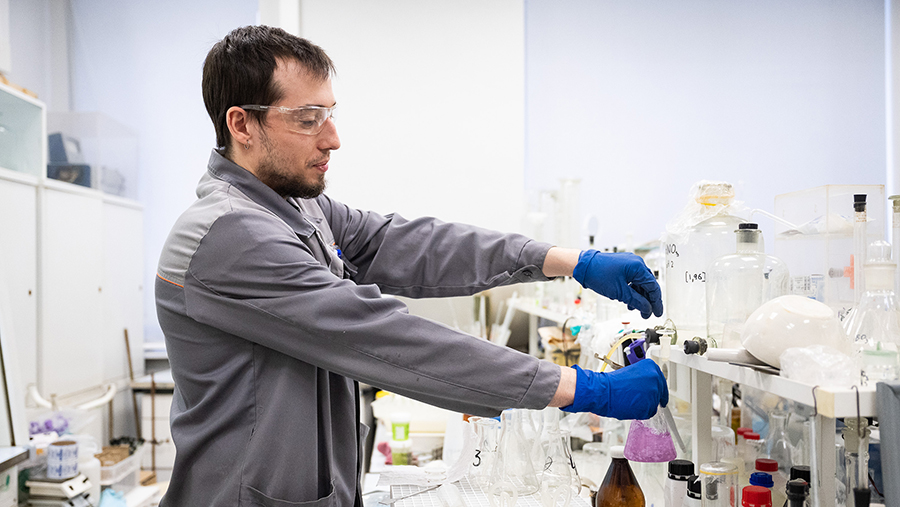
In this context, the proposed technological solutions look competitive: they are aimed at simplifying production, reducing energy consumption and reducing waste. Such developments are particularly in demand, as they can play an important role in developing their own industrial base and reducing dependence on imports of rare earth materials, Alyona Kulakova emphasized.
Despite the presence of fairly large reserves of rare earth elements in Russia, their extraction and enrichment technologies are still lagging behind the world leaders. The gap is particularly sensitive in energy consumption and the amount of reagents used, said Evgeny Alexandrov, Director of the NTI Center for Digital Materials Science: New Materials and Substances at Bauman Moscow State Technical University.
— In addition, the production of rare earths is accompanied by significant damage to the environment due to the large amount of toxic waste. The use of microwave synthesis is promising in terms of its acceleration and reduction of energy intensity. Carbon-ammonium salts can be relatively easily obtained from ammonia and carbon dioxide produced by industry on a large scale," the scientist said.
The patented methods are focused on creating technological solutions suitable for scaling and industrial implementation. They expand the possibilities of obtaining materials based on REM and can be used in the formation of modern resource-saving production processes, the developers emphasized.
Переведено сервисом «Яндекс Переводчик»
