Offensive practice: Britain intends to strengthen sanctions against Russia, despite the energy crisis
- Статьи
- World
- Offensive practice: Britain intends to strengthen sanctions against Russia, despite the energy crisis


The United Kingdom will not ease restrictions against Russia, despite the energy crisis, the British Embassy in Moscow told Izvestia. They stressed that the country will continue to exert maximum economic pressure on the Russian Federation. Meanwhile, the European Commission postponed the discussion of a complete ban on the import of Russian oil, which was previously scheduled for April 15. In Brussels, however, they clarified to Izvestia that they would continue to gradually abandon Russian energy supplies to the EU. Washington has completely relaxed restrictions against raw materials from the Russian Federation in order to stabilize prices. Experts believe that any easing of restrictions is a tactical decision, while the West's strategic goal remains the same — to reduce Russia's export revenues.
Who eased sanctions against Russia because of the conflict in the Middle East
The conflict between the United States and Israel with Iran has destabilized the energy market. The price of Brent crude oil reached $120 per barrel at the moment, and gas increased by 30-60%. After statements by US President Donald Trump about "constructive negotiations" with Tehran, quotes dropped to $96, but the risks of new jumps remain.
Meanwhile, the European Commission postponed the discussion of a complete ban on the import of Russian oil, the Italian newspaper L'antidiplomatico reported.
The representative of the European Commission, Anna-Kaisa Itkonen, clarified to Izvestia that the date of the discussion may change, but the goal of Brussels remains.
— We remain committed to phasing out Russian energy supplies to the European Union. To go back to this would be to repeat the mistake of the past. The gas regulations of the European Union have already banned the conclusion of new gas contracts since last Wednesday, the EC said.
Earlier, Brussels planned to prepare legislative proposals for a complete ban on the import of Russian oil by the end of 2027 in early 2026.
Back in early March, the United States suspended the sale of oil and petroleum products from the Russian Federation loaded on ships until March 12 for a month in order to reduce the cost of energy resources. The German subsidiary of Rosneft was also released from restrictions. Kirill Dmitriev, Special Representative of the President of the Russian Federation for investment and economic cooperation with foreign countries, head of the Russian Direct Investment Fund, said that the lifting of US sanctions affected about 100 million barrels of Russian oil.
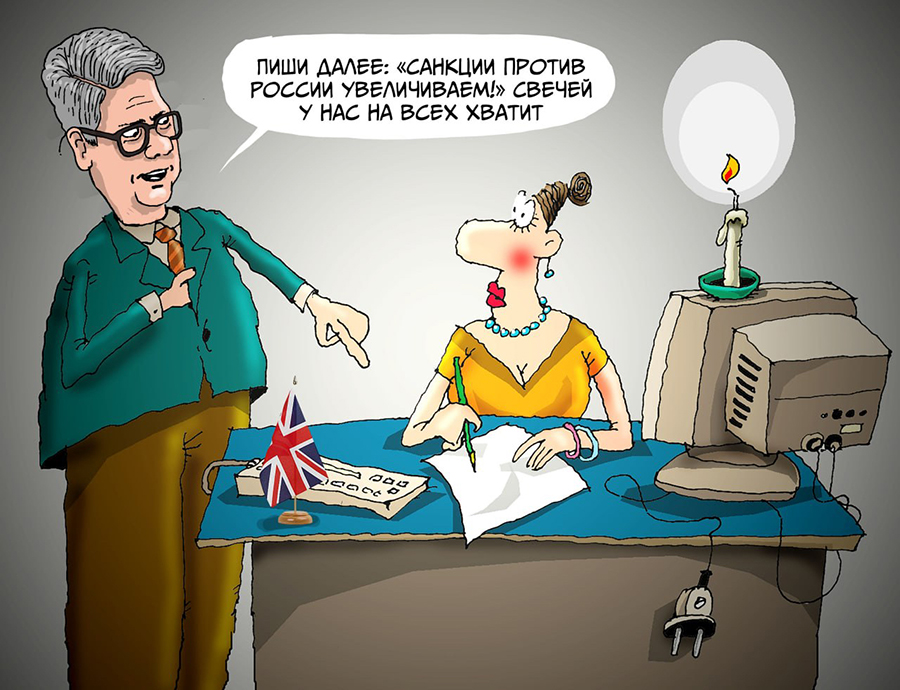
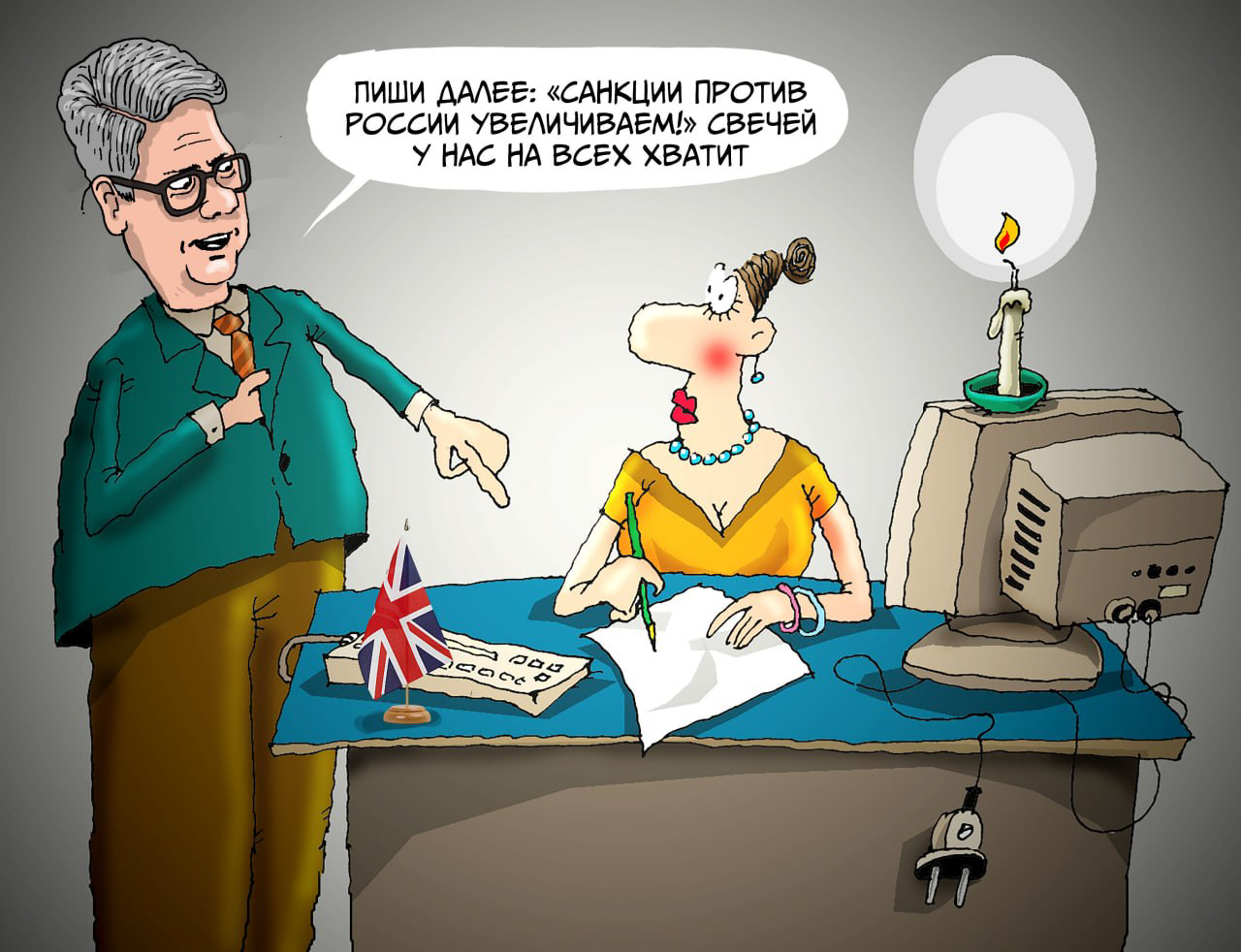
However, the United Kingdom intends to increase sanctions pressure on the Russian Federation, and there are no plans to ease restrictions, an official representative of the British Embassy in Moscow told Izvestia. They also stressed that they "keep in mind all possible sanctions actions."
— Now is not the right time to lift sanctions against Russia. The UK is committed to exerting maximum economic pressure on Russia in pursuit of a just and lasting peace in Ukraine, which is our long—term policy," the diplomatic mission said.
London is one of the active supporters of increasing sanctions pressure on the Russian Federation. The kingdom has already blacklisted 544 vessels allegedly operating in Russian interests. According to the BBC, the British authorities have prepared legal grounds that will give the government the authority to "step up actions against the courts." At the end of last year, Great Britain imposed sanctions against Russian oil and gas companies, including Tatneft, Russneft, NOC-Oil and Rusneftegaz.

Britain's policy sets the direction for new anti-Russian sanctions, Natalia Eremina, a professor at St. Petersburg State University, told Izvestia. The government and parliamentary structures of the kingdom are focused on resisting the influence of the Russian Federation. Therefore, any issue related to the authorization of Russian energy supplies is considered a rejection of this position and is considered an unacceptable step.
— They assume that Russia plays an insignificant role in the global economy. They believe that it is possible to continue to put pressure on the Russian Federation. London is confident that Russia will be worse off than them, so the British are ready to endure," the expert said.
It is important to keep in mind that Britain has significantly reduced its own trade turnover with Russia after 2022. In 2024, Moscow and London traded for £1.9 billion, although in 2021 this figure was £15.9 billion. In March 2022, the British authorities announced the refusal to import oil from the Russian Federation, and at the end of 2025, the import of petroleum products produced in third countries from Russian raw materials was banned. Earlier, Izvestia wrote that the UK would completely abandon the purchase of our uranium by 2028 and replace it with American.
Which countries have been affected by the conflict over Iran
Western economies, barely recovering from the 2022 energy crisis, are facing a new wave of price increases due to the standoff over Iran. About 20% of oil was supplied to the world market through the Strait of Hormuz. After the conflict began, Tehran announced the blocking of this route, which led to supply disruptions and increased costs.
For example, gasoline in the UK has risen in price by more than 9% since the beginning of the escalation of the conflict in the Middle East, while the price of diesel has increased by 17%. According to The Daily Telegraph, restrictions are being imposed on the sale of fuel to owners of agricultural machinery.
The British press reported that London is preparing to lead an international coalition to resume traffic in the Strait of Hormuz and escort ships passing through this corridor. The strategy involves helping to find and destroy Iranian mines. Kirill Dmitriev said that such actions could lead to an increase in the cost of oil to $ 200 per barrel.
The European Commission acknowledged that they were in a state of energy crisis, but there were no supply disruptions. Meanwhile, natural gas prices in Europe jumped by 90%, the main reason being problems with LNG imports from Qatar after attacks on infrastructure. Following the results of the March meeting, the European Central Bank raised its forecast for inflation in the eurozone for this year to 2.6% from 1.9% expected in December.
As a result, the UK turned out to be the most vulnerable, where there are risks of rising inflation, and Germany, where the automotive and chemical industries suffered. For this reason, German Chancellor Friedrich Merz expressed hope in early March for a quick end to the conflict.
However, the easing of US sanctions and the postponement of European plans are only a temporary phenomenon. Donald Trump immediately announced that he would return restrictions against Russian oil after the end of the conflict. The EC also does not intend to allow EU countries to import Russian energy resources, even in the event of power outages in Europe.
Igor Yushkov, an expert at the Financial University under the Government of Russia and the National Energy Security Fund, told Izvestia that sanctions would be reinstated after the Strait of Hormuz was fully opened. The American sales permit did not have a significant impact on the production and export of Russian oil.

It is important to understand that any easing of sanctions against Russian oil has tactical goals — to prevent price increases. The strategic goal of Washington, as well as Brussels, remains the same — to limit Russia's export revenues.
Russia is reviewing energy supply chains due to the crisis in the Middle East and will primarily sell them to neighboring countries with a common border, Russian Energy Minister Sergei Tsivilev told reporters on March 25. As Izvestia wrote earlier, instead of the European market, oil and gas from Russia can go to Indonesia, Thailand, Sri Lanka and South Africa.
The Philippines has already received a shipment of Russian oil, local media reported. They allow the import of naphtha (an oil refining product) from Russia to South Korea.
However, not all Asian countries are ready to purchase oil from Russia. For example, the Japanese authorities are not in the mood to send signals about their readiness to resume its import, the Russian Embassy in Tokyo told Izvestia. They clarified that energy cooperation is limited to the LNG sector.
Переведено сервисом «Яндекс Переводчик»
