Very old cases: therapeutic antibodies will remove obsolete cells from the body
- Статьи
- Science and technology
- Very old cases: therapeutic antibodies will remove obsolete cells from the body


Russian scientists have come closer to understanding the mechanisms of active longevity: They described changes in the bone marrow and immune cells that underlie the age-related decline in the body's protective functions. The experiments were conducted on Javanese macaques, a species evolutionarily close to humans. In addition, the specialists managed to create antibodies capable of selectively eliminating aged cells. Whether such an approach can contribute to prolonging a healthy life and how realistic is the prospect of creating an "elixir of youth" — in the Izvestia article.
Innate and adaptive immunity
Scientists at Sirius University of Science and Technology have taken a step towards understanding the causes of age-related weakening of immune defenses. During the study, for the first time, they analyzed the mechanisms of aging of the immune system on blood samples from humans and evolutionarily similar primates — Javanese macaques.
Experts have found that innate immunity, the body's first line of defense, remains stable for decades. The cells responsible for uptake of bacteria, including monocytes, demonstrate comparable effectiveness in humans aged 20 to 70 years, as well as in elderly primates. This was confirmed by tests developed by the researchers evaluating the dynamics of phagocytosis and the bactericidal properties of blood plasma.
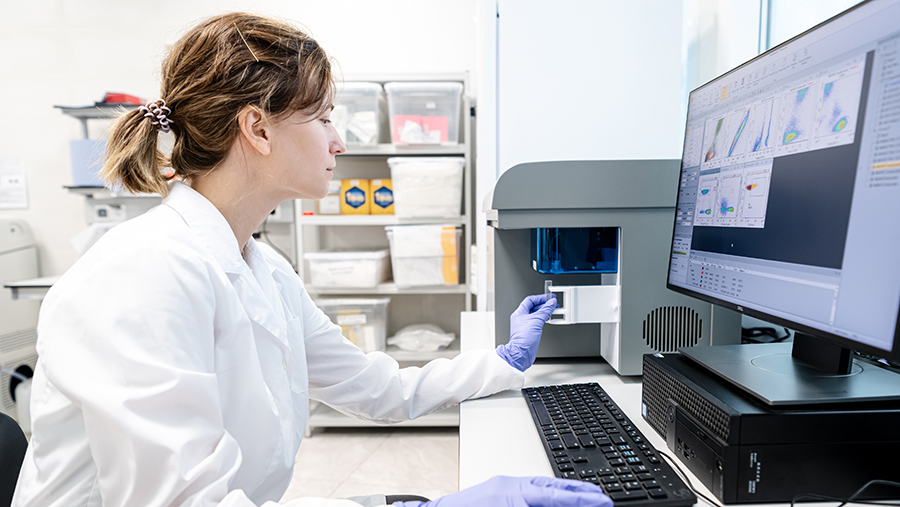
In addition, he found that monocytes are able to retain significantly more bacteria on their surface than previously thought. This conclusion clarifies existing ideas about the work of innate immunity and its role in maintaining the protective functions of the body with age.
At the same time, adaptive immunity, which develops throughout life, undergoes pronounced changes with age, the scientists reported. In elderly humans and primates, so-called senescent, or aged, cells accumulate in it. These are non-functional T-lymphocytes that lose their protective properties, but are not removed from the body and secrete pro-inflammatory factors that support chronic inflammation. Similar cells have been identified in Javanese macaques, which indicates the evolutionarily conservative nature of this mechanism.

Age-related changes also affect the B cells responsible for the production of antibodies. With age, they lose their ability to actively reproduce, mature, and secrete antibodies, which reduces the body's resistance to infections and reduces the effectiveness of vaccination in the elderly.
Based on the data obtained, the researchers have developed prototypes of antibodies capable of selectively removing aged cells. These developments are currently being tested on cellular models.
— As part of the project, bispecific antibodies were created that bind to senescent cells with one fragment and capture T—lymphocytes with the other. As a result, the activated immune cells trigger a cytotoxic reaction against the target cells. Removing aged cells frees up a niche for regeneration and replacement with young cells, and also helps reduce chronic inflammation in the body," Stanislav Rybtsov, head of the project and the Cell Technologies and Immunology Resource Center at Sirius University Laboratory Complex, told Izvestia.
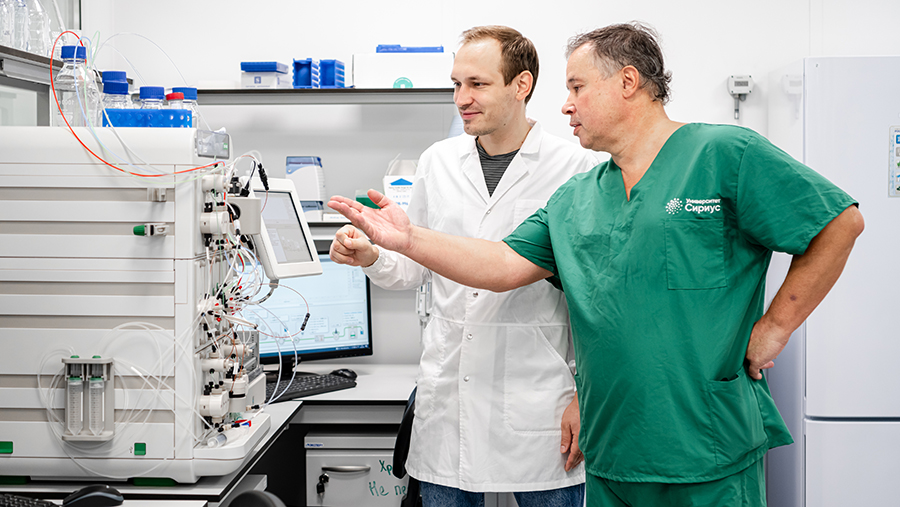
Scientists have recorded the most pronounced age-related changes in the bone marrow. A study of samples of elderly macaques obtained at the Kurchatov Complex of Medical Primatology showed a sharp decrease in the number of blood stem cells, which should provide the body with new immune system cells for life. According to the researchers, the reason is a violation of the microenvironment that supports the viability of these cells.
Experts are currently studying genetic changes in the bone marrow in order to find ways to restore conditions for the normal functioning of stem cells.
Therapeutic anti-aging antibodies
Scientists suggest that such an intervention can significantly delay the development of age-related pathologies, potentially increasing the period of active longevity. According to the extrapolation of data from animal models, this approach can correspond to an additional decade of healthy, high-quality life, noted Stanislav Rybtsov.
The idea of purposefully removing aged cells has been discussed in the scientific community for a long time, since it is known that they accelerate the aging of surrounding tissues and form a pro-inflammatory microenvironment, Mikhail Bolkov, a researcher at the Institute for the Study of Aging at the Russian State Scientific and Clinical Center of the Pirogov Russian National Research Medical University, told Izvestia. For this purpose, various senolytics have long been tested — drugs capable of selectively destroying senescent, or aged, cells without affecting healthy tissues.
— Recently, strategies have been actively developed to "reconfigure" their own immune cells so that they purposefully destroy old cells. Among the approaches are senolytic vaccines and other specific methods. For example, one Western company is testing an inducer of innate immune cells in mice, which should effectively eliminate senescent cells," he said.
The aging of the immune system is one of the key and most pressing problems of modern biomedicine, said Peter Lidsky, professor of the City University of Hong Kong, an evolutionary biologist. For a long time, aging was considered primarily as a result of the accumulation of DNA damage, mitochondrial dysfunction, somatic mutations, and disruptions in gene regulation. Various models were developed, each of which explained only a part of the processes.
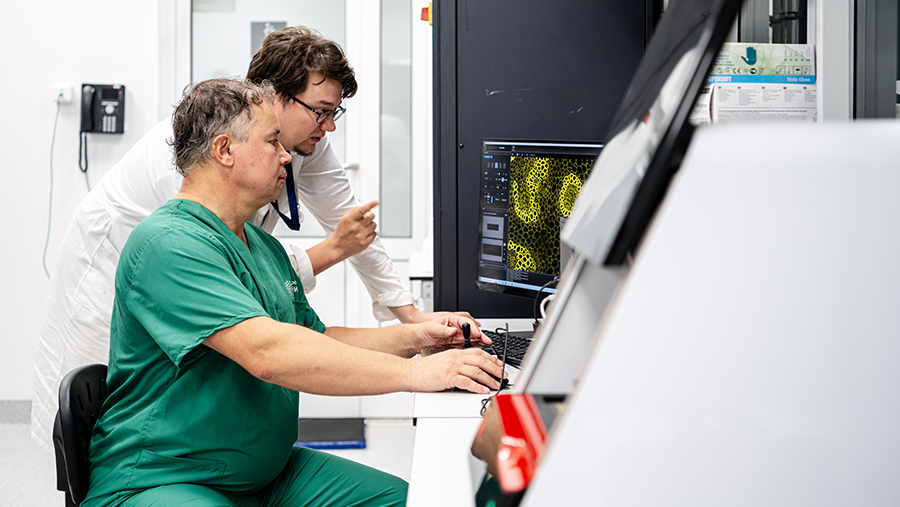
However, as research deepens, it becomes more and more obvious that the immune system does not just suffer with age, it plays a central role in this process.
— The links between aging and immunity appear from different angles. Some theoretical models, including the one our laboratory is working on, consider aging almost as a functional part of the immune system," he told Izvestia.

If it plays an active causal role in aging, then targeted rejuvenation may be one of the most promising and technologically accessible ways to slow down, and possibly partially reverse, age-related changes, the professor noted.
— In this context, the results obtained on Javanese macaques are especially important. In these primates, age-related changes in the immune system largely repeat the pattern observed in humans. This is not surprising, but it is of fundamental importance: the suitability of Javanese macaques as a model for preclinical study of immune aging and testing of methods aimed at its correction is confirmed," said Peter Lidsky.
According to him, in the coming years, these approaches will have to be systematically tested on animal models, including primates, to evaluate their effectiveness and safety, and to find out how slowing down the aging of the immune system can actually change the overall aging process of the body.
The research was carried out with the support of the Russian Science Foundation.
Переведено сервисом «Яндекс Переводчик»
