
The Black Fountain: how oil was found in Russia

On February 15, 1866, the first industrial oil well was drilled in Russia. Izvestia recalled how it was.
"We'll anoint the sick with oil"
For a long time, oil was used as a lubricant for machinery, as fuel for torches, and even as a medicine. The flammable liquid was considered a miracle of nature, and its properties were legendary. In the famous "Medical Clinic" of the 17th century it was said: "If we anoint the sick with oil, then the disease is taken away. The white heat takes away the pain that was there when I was a student."
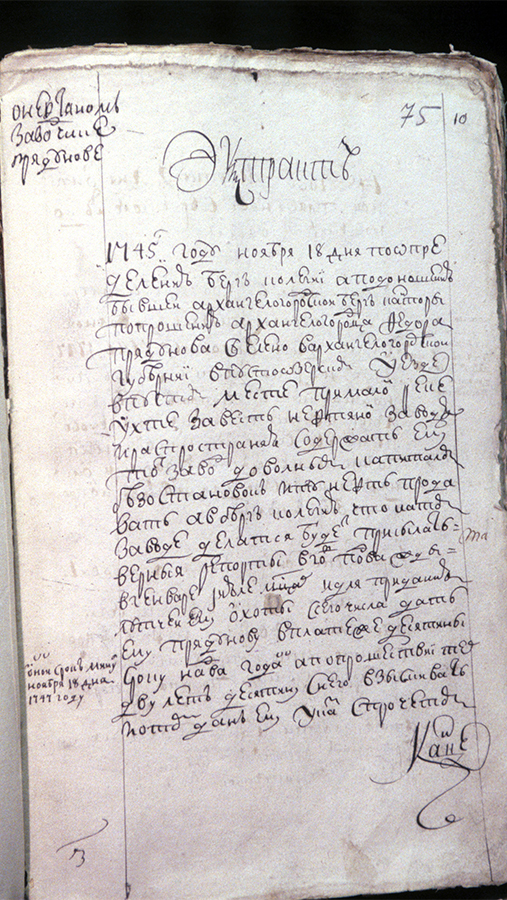
Since the 18th century, Russian science has been "ahead of the rest of the planet" in the field of oil distillation. Industrial oil refining carried out at a specialized plant first appeared in our country. In 1745, Arkhangelsk merchant Fyodor Pryadunov established artisanal oil production and built the world's first oil refinery on the shores of Ukhta near Pustozersk. Of course, the production and processing volumes at Pryadunov's enterprises were small. But it is significant that oil refineries began to appear in Europe and the USA only in the 1830s and 40s.
The demand for oil increased many times in the 1850s, after the invention of the kerosene lamp, which changed the lives of hundreds of thousands of people. Kerosene was obtained after refining oil into kerosene distillate and purifying the latter with sulfuric acid and caustic soda. The world's first oil well was drilled in Pennsylvania by American Edwin Drake in 1859.

Among the first drilling enthusiasts was Laszlo Sandor, an entrepreneur and chemist of Hungarian origin. He came to Russia from America with a project to create a gas engine for warships. At the same time, he took up lighting St. Petersburg, installing several thousand kerosene lanterns in the Russian capital. The experiment was a success, but the oil was initially purchased in the States. Russian industrialists had no doubt that it was possible to establish the extraction of such important raw materials in our country.

Oil extraction by well method
At that time, the Kuban was considered the "Russian Pennsylvania". The Russians, who were developing the Black Sea region, inherited silenced oil sources from the Turks. Gradually, the Cossacks got the hang of extracting oil with buckets — through special wells. All the natural resources of the "Fanagoria Island" belonged to the Black Sea Cossack Army, and therefore the oil industry was controlled by the Cossack administration. There is evidence of the Cossack Ivan Taran, who, with the permission of Empress Catherine II, developed oil wells for many years. In 1829, the post of caretaker of oil wells was introduced under the Black Sea Cossack Army. Of course, these scales were absolutely not enough even for St. Petersburg, not to mention the military needs... The energetic Sandor infected many with this passion — to search for oil, build factories, produce kerosene, bitumen. He was also attracted to this idea by an official of the Ministry of Internal Affairs of the empire, Ardalion Novosiltsev.
Colonel Novosiltsev's project
Ardalion Novosiltsev served in the guard in his youth and made a mistake. He joined the army, participated in several military campaigns, and was promoted to colonel. In the 1850s, he was an official on special assignments under the Minister of the Interior. He traveled all over Russia, especially often carried out assignments in the south, where the battles of the Crimean War had died out. Ardalion Nikolaevich was an enterprising man, he read both the French and American press. He knew that in 1859, industrial oil production began in Pennsylvania. I read that this business brings millions of profits to adventurers and businessmen. What if there is an oil boom in Russia? There were prerequisites for this. Novosiltsev enlisted the moral support of government officials, sent a large sum of family savings to this cause, resigned from the sovereign's service — and plunged headlong into a risky venture.

Novosiltsev went to Taman, enlisted the help of an old friend, the ataman of Count Felix Sumarokov-Elston, and set to work. He rented lands with signs of oil in the Kuban and hired an American drilling team for a considerable sum. Geological exploration was concentrated off the banks of the Kudako, Psif and Psebeps rivers and showed that the earth harbors large oil reserves in the vicinity of these rivers. But things didn't work out for the overseas drillers. Months passed, but they could not produce a single oil fountain. All drilled wells turned out to be "dry". The Americans referred to the climatic conditions, primarily the heavy soil. Novosiltsev was on the verge of ruin. All he had to do was drive the Americans away. Perhaps another person in his place would have rejected the idea of setting up oil production. But Colonel Novoseltsev is not used to giving up.

He recruited a team of drillers in Russia. Mechanic Vladimir Peters became the head of the work. Mining engineer Friedrich Kokshul became an important figure for the company. Novosiltsev's people used an unusual method of mechanical impact drilling with the attachment of wells with metal pipes. This has become an innovation not only for the Russian, but also for the global oil industry.
On February 15, 1866, an impressive success came in the Kudako River Valley. From a depth of 55 m, an oil fountain with a capacity of 12 thousand pounds of oil per day was clogged. "A stone was broken, and with an extraordinary noise, a strong jet of pure oil opened, giving 1,500 to 2,000 buckets every twenty—four hours without the help of a locomotive and workers' allowances through pipes alone," Peters testified in his report. Even more striking results came at the end of March, when the well was deepened to 74 m.
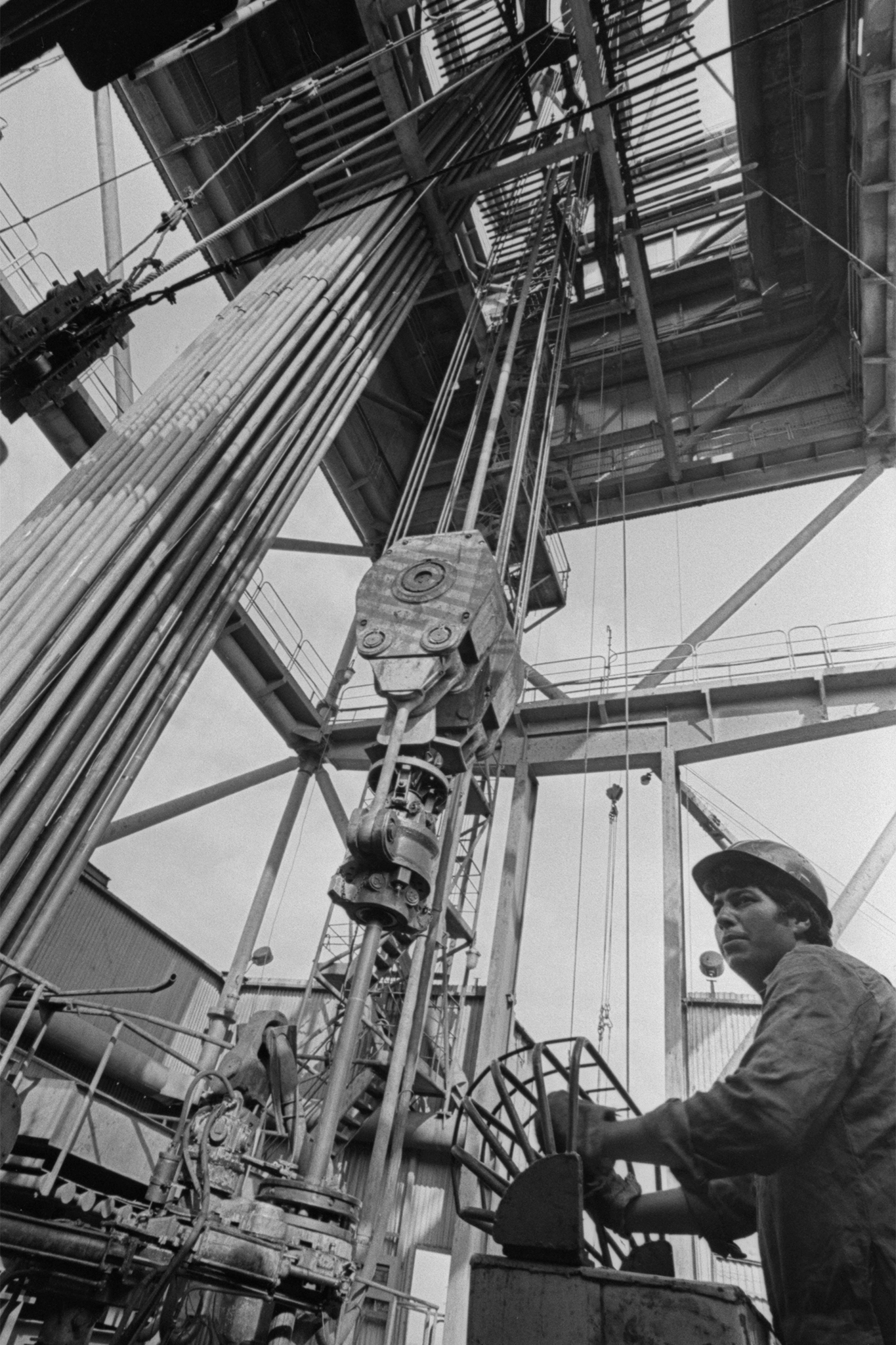
Novosiltsev was the first in Russia to successfully apply a new, machine—based method of oil production - according to Dmitry Mendeleev, "through drilling wells hollowed out in the ground with a large heavy chisel driven by steam or some other machine." "The name of the first driller of the Kuban Region, Colonel A. N. Novosiltsev, will probably not be forgotten in Russia," wrote the great chemist.
Novosiltsev reported on his success in a message to the emperor. Alexander II rewarded him. But the path of the pioneer was not strewn with roses. The colonel went broke several times and suffered hard setbacks. This can be seen from a desperate letter to the emperor that Novoseltsev sent shortly before his untimely death: "In an effort to develop such an important domestic industry as the oil business, I sacrificed not only my entire fortune, not only attracted significant private capital, but even dared to resort to the august support of Your Imperial Majesty.. The satisfaction of this obligation, sacred to the honor of a nobleman, has been the goal of my life, but at the present moment, through many years of hard donations, this cause, brought to a beneficial end, may completely ruin me."
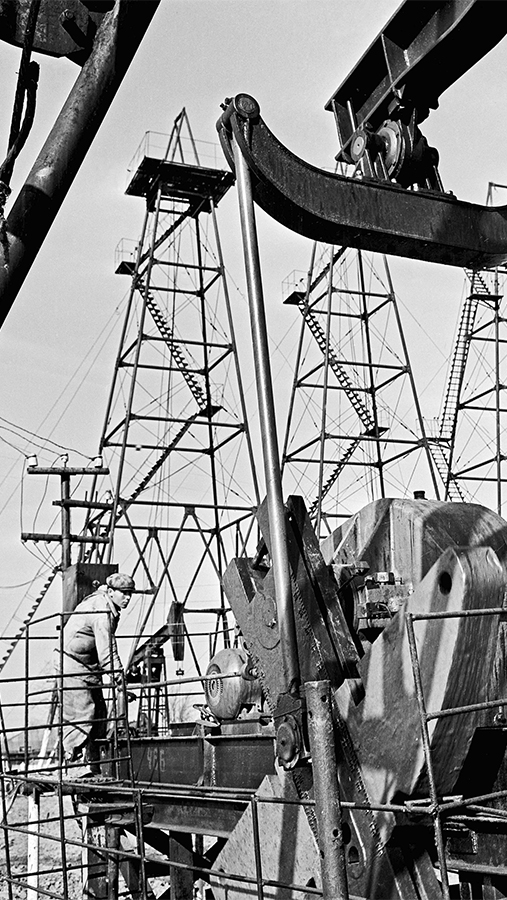
At about the same time as Novosiltsev, the merchant Vasily Kokorev entered the oil industry. When asked why he was taking up a little—studied business when there were so many earning opportunities around, the merchant joked: "There's nothing tricky here: you drive a mountain there, you drive a fuel truck here, and I'll always get two rubles!" The brave men engaged in oil production at random, not really understanding what role they played. fuel, which can only be extracted from underground, will play a role in the industry.

World leaders
The cause of the pioneers was picked up by others. In 1870, about a million poods of oil were already produced in the Kuban region per year, and an oil refinery was opened on the shore of the Kerch Strait. Novosiltsev ordered the equipment for him in Scotland. Once again, in the hope of success, he did not skimp on investments. Exploration parties and test wells began to be sent throughout the Russian Empire. Following the example of Kuban, oil began to be extracted industrially on the warm shores of the Caspian Sea — in Dagestan and Absheron, in the vicinity of Baku. Oil refineries were already operating there in Baku. Oil exports from Russia began in 1871. After negotiations between Russian and Iranian merchants, black gold went to Persia.
At the end of the 19th century, Russia took the first place in the world in terms of oil production. In 1901, Russia produced 706 million poods of oil.

The oil industry is still the engine of the Russian economy today. This is not an easy bread, as amateurs assume. Oil production is science, technology, and an honest income that allows for the development of industry and education. And black gold is still being mined in the Kuban, however, in relatively modest quantities. This is not Tyumen or Absheron. But experts know that Kuban oil is famous for its excellent qualities. It contains a minimum of impurities — aviation fuel is produced from such fuel.
The author is the deputy editor—in-chief of the magazine "Historian"
Переведено сервисом «Яндекс Переводчик»
