Indoor plants for beginners: the most unpretentious species

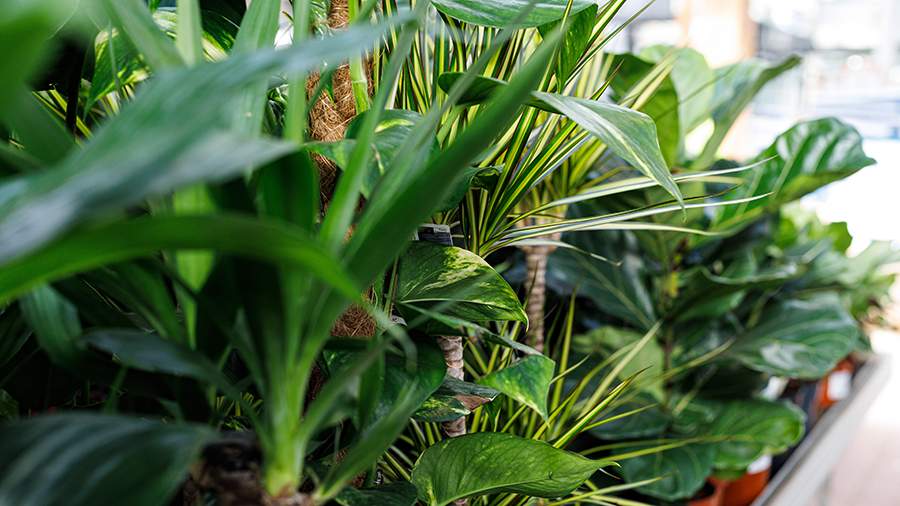
An informed choice of a houseplant does not begin with a shop window, but with an understanding of the conditions of its future "habitat" and the lifestyle of the owner. A beginner who has no experience caring for green pets should approach this issue not emotionally, but rationally. Which types to choose in order not to be disappointed in the first experience, read the Izvestia article.
Why should a novice florist choose unpretentious plants?
There is a belief that organizing a "green corner" in an apartment or house requires experience, time and a "light hand." However, there are many houseplants that are resistant to irregular care. They tolerate dry air well during the heating season and irregular watering, while maintaining a beautiful appearance.
In addition to aesthetics, such plants bring tangible benefits. They humidify the air, normalize the microclimate, and also give a feeling of comfort, which is especially important in a megalopolis.
Plants to start with
One of the most unpretentious plants is sansevieria, or "pike's tail". It easily tolerates the absence of light, is not afraid of drafts, and is watered no more than once every two weeks.
Zamiokulkas, or "dollar tree" is another ideal option for beginners. Its tubers accumulate water, and the leaves remain shiny and elastic for a long time. This green "pet" does not need frequent watering, easily tolerates shade and heat, and also easily recovers after drying out.

Chlorophytum is a simple but extremely hardy inhabitant of window sills. He forgives almost any flaws during care: sudden temperature changes, dryness of the air, rare watering. Moreover, it actively cleanses the air and quickly sprouts.
Decorative views
Epipremnum, scindapsus, aglaonema and schefflera — these plants look spectacular in the interior, while they are quite unpretentious, resistant to lack of light and moisture, and grow rapidly. They are suitable for both horizontal and vertical gardening, for example, in the form of living walls or hanging planters.
Another decorative option for novice florists is dracaena. It looks spectacular in the interior, does not require constant transplanting or special fertilizers. For abundant growth, it needs a room with diffused light, closed from drafts.
Succulents — minimalism in care
Those who are ready to water the plant no more than once or twice a month should pay attention to succulents. Aloe, kalanchoe, haworthia, bokarnea and tolstyanka (money tree) are not only beautiful, but also incredibly hardy. Their fleshy leaves and stems store moisture.
Succulents love light, but some of them, for example, havortia, live quietly in partial shade. They are ideal inhabitants of south windows and office desks. At the same time, they do not require transplanting for years, and if desired, they multiply easily.
Blooming and easy to care for
If you are attracted to flowering species, but are afraid of the prospect of difficult care, kalanchoe, Schlumberger, phalaenopsis, spathiphyllum and hibiscus are perfect — these plants will decorate the window sills of even a novice grower.
Kalanchoe tolerates dry air well, blooms for a long time and steadily, even with rare watering. Schlumberger (Decembrist or Christmas tree) produces bright buds, pleasing with lush flowering in winter, and does not require special conditions.

Phalaenopsis, despite belonging to orchids, is one of the hardiest. It easily adapts to different lighting conditions and temperatures, while blooming several months a year.
Spathiphyllum, known as "women's happiness", is ideal for those who are prone to excessive watering, he loves dampness.
Hibiscus requires a little more attention, especially to watering, but thanks for this with a lush bloom almost all year round.
How to choose your "green friend" — what is important to consider
In order for the experience of floriculture not to become a disappointment, it is necessary to follow a certain algorithm. At the first stage, it is necessary to analyze the illumination of the room, the temperature at different times of the year, humidity and frequency of ventilation.
For rooms with good lighting and access to direct sunlight (most often these are eastern and southern windows), light-loving species are suitable, for example, yucca, rubber-bearing ficus, bocarnea and kalanchoe. At the same time, shade-tolerant plants that are resistant to low light, such as scindapsus aglaonema, dracaena and spathiphyllum, are needed for northern windows and shaded areas.
At the second stage, it is important to determine the level of engagement. Not everyone is ready to check soil moisture daily, trim yellowed leaves, or replant a plant on schedule. Moreover, business trips and vacations may occur. Those who are looking for a "green companion" without obligations should choose crops that do not depend on regular care, for example, succulents, sansevieria (pike's tail), zamiokulkas (dollar tree), tolstyanka (money tree), aloe vera or haworthia.
It is also useful to determine what the plant is in the room for. If the goal is to improve the air and microclimate, it is worth paying attention to chlorophytum, spathiphyllum, dracaena, epipremnum and nephrolepis (fern). They actively filter the air. If you need beauty or an accent element in the interior, ficus lirata, monstera, scindapsus or aglaonema are suitable — large-leaved and spectacular, but unpretentious. And among flowering, but at the same time "patient" plants, kalanchoe or phalaenopsis are optimal.
A houseplant should fit into the rhythm of life, not disrupt it. Therefore, it is useful to make a choice based on the principle of comfort. It is important to consider in advance exactly where the pot will be located (near a window, on a pedestal or on a suspended structure), take into account not only lighting, but also the possibility of access to water, the absence of drafts and temperature fluctuations.
When buying a plant, it is important to make sure that it has enough space in the pot and there are drainage holes. Stagnation of water is a common cause of their death among novice growers. Therefore, it is better to choose species that are resistant to changes in humidity and are not prone to root rot, for example, kalanchoe, echeveria, all types of cacti, and bocarnea.

A light, well-aerated soil with additives of vermiculite or sand will help to avoid acidification of the soil and problems with the root system. Clay or ceramic pots maintain a better moisture balance and are suitable for most resistant species.
When taking the first steps in indoor gardening, you should not use aggressive top dressing. It is better to add humic or organo-mineral fertilizers in a diluted form. They reduce the risk of root burns and help to adapt the plant to the conditions of the apartment without stress.
And in order for a plant to really become a part of the interior, when choosing it, it is important to take into account not only its "character", but also its appearance. The style of the room should be in harmony with the shape of the leaves, the size of the crown and the texture of the pot. For example, succulents, cacti, haworthia and ficus microcarpa look good in minimalistic spaces, flowering species are appropriate in a more cozy, homely environment, and monstera, calathea, spathiphyllum and phalaenopsis are suitable for eclecticism and tropical accents.
Earlier, Izvestia was told what should be in the home medicine cabinet.
Переведено сервисом «Яндекс Переводчик»
