Psychologist warned about "red flags" when communicating in dating services

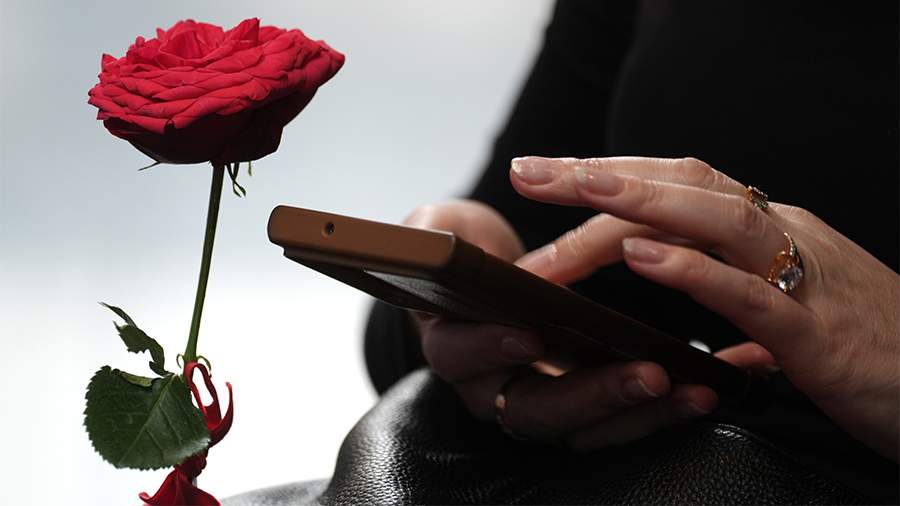
Relationships in the modern world rarely begin outside of dating app pages or social media profiles. However, when communicating online, you need to be careful. Larisa Karavaitseva, a psychologist at Twinby dating service, told Izvestia about the "red flags" in virtual dating and communication on July 15.
"Dating is dating, whether online or in person, and you have to protect your heart and your well-being. When getting to know someone online, you shouldn't share sensitive personal information too quickly. Do not give your home address, do not talk about finances, do not talk much about your family," the psychologist warned.
In addition, if the interlocutor is obviously pushing to get some personal information, this is a red flag. A person who can become a reliable partner in the future will respect the need for security.
Karavaytseva also noted that switching to messengers too quickly would be an alarming signal.
"It seems like you've been talking for twenty-four hours, and he's already asking for your phone number, social media page, and other communication methods. Although it is quite natural to want to transfer the conversation to the format of text messages, phone calls or face-to—face meetings, be careful of those who too persistently try to immediately transfer the conversation beyond the dating platforms," she said.

A partner who can be trusted in the future, according to the expert, will allow you to move at your own pace and will not rush the transition to the next stage of communication.
If inconsistencies become noticeable in the stories of the interlocutor, this is an alarming signal. For example, if he says that he was in the office and worked late, but later mentions that he was with friends that evening.
The expert noted that one should not jump to conclusions, but it is important to trust one's intuition. In this case, you can politely ask for clarification of conflicting information. If a person starts to defend himself or his explanations still seem suspicious, this is a sign that there is a lie in the story.
It is also important not to immediately go offline or even switch to video calls, but if communication has been going on for a long time and the partner is constantly making up excuses or postponing, this can be a red flag. This behavior most often indicates that the person is not who he claims to be, is hiding something, or is simply not ready for a real relationship.
"Trust your instincts and communicate your expectations clearly. If a person continues to avoid meetings or video chats after a reasonable period of time, it may be better to move on and focus their energy on someone who is willing to invest in building a living, serious relationship," the psychologist emphasized.
There is also a downside. Karavaytseva warned against potential partners who engage in "love bombardment" — showered with excessive compliments, gifts and broad romantic gestures at the earliest stage of dating.
Although such attention is flattering, the expert noted, excessive adoration from a person you barely know can be a serious red flag. Phrases like "you're perfect," "I've never felt this way before," and "you're my soulmate" need to be earned over time, not carelessly thrown away on the first or second date. This may be a sign of manipulation or insincerity.
If someone has only one photo, they use blurry or low-quality images, or they choose pictures where their face is not clearly visible, this may be a bad sign. The second alarming signal is persistent requests to send intimate photos. You should definitely be especially careful here: you never know what a person will do with your personal photos.
The psychologist called the request to borrow money another dangerous signal. It doesn't matter how convincing the other person is about their problems, you can't send money. It is important to protect your heart and wallet by separating finances and life online until a strong bond based on trust and mutual respect is established.
Karavaytseva recalled that possessive or controlling behavior, especially in the early stages of a relationship, is an unhealthy dynamic. This behavior can manifest itself in the form of excessive inquiries about your whereabouts, attempts to isolate you from friends and family, or unfounded accusations of infidelity.
Earlier, on April 23, it was reported that modern Russians are increasingly using psychological compatibility as the main criterion for choosing a partner. Thus, 88% of women and 82% of men check the psychotype of a potential life partner before starting a serious relationship.
Переведено сервисом «Яндекс Переводчик»
