Around the color: how regions attract tourists in the off-season


Automobile tourism has been repeatedly declared a driver of domestic tourism in Russia. As the Ministry of Economic Development told Izvestia, its share is about a third of all trips across the country, by the end of the year it will be about 32 million trips. Therefore, the regions are developing and introducing an increasing number of automobile routes, providing them with infrastructure — cafes, campgrounds, glamping, hotels. At the same time, hoteliers are increasingly considering the possibility of an all-season work format. A correspondent of Izvestia took part in a car rally in one of the most beautiful regions of Russia, the Altai Republic. What you can see in one of the most picturesque regions of Russia at a time that is not the most popular with tourists and why it can give a head start to the summer season — in the Izvestia article.
How to attract motorist tourists
109 automobile routes have been developed in Russia for motorists, the Ministry of Economic Development told Izvestia. Last year, the contribution of car tourism to the dynamics of travel growth in the country amounted to 60%, while in total it accounted for a third of travel.
By the end of 2025, the number of auto routes is planned to increase to 120, and by 2030 to 180, according to the ANO National Priorities. The Ministry of Economic Development forecasts 96 million trips across the country in 2025, and 32 million of them will be by car. Now the interest in them is 7% higher compared to last year.
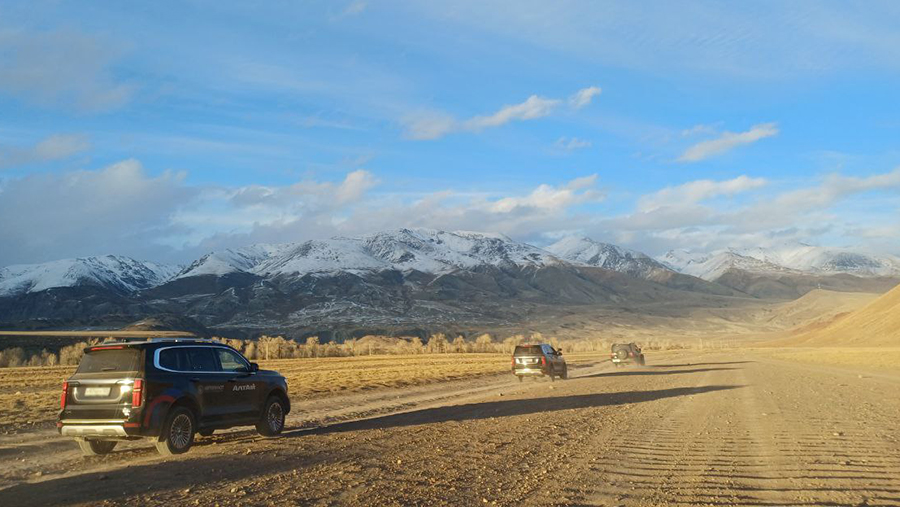
"Increasingly, the format of autotourism is being chosen not only for short weekend trips, but also for extended vacations," Irina Osadchaya, Deputy General Director of National Priorities for Communication Projects, told Izvestia. — Road travelers strive to cover as many tourist destinations as possible along the way, as well as unexplored, unique places that cannot be reached by trains and tour buses.
The example of the Altai Republic is extremely significant here.
— People come here for amazing landscapes, bright colors and a special atmosphere. Most tourists prefer to travel through the Altai Mountains by car, making sure to include one of Russia's most beautiful roads, the Chuisky Tract, in their itinerary," Osadchaya said. — Importantly, the growth of tourist traffic stimulates the development of roadside infrastructure.
A year—round tourist flow is a dream for any region, First Deputy Minister of Economic Development of the Republic Olga Filipenkova told Izvestia.
— Our task is to offer the guest a travel product that includes both accommodation and a complete program of stay. This year, for the first time, we will launch an advertising campaign for the winter season," she said.
According to her, the republic is focused on the development of year—round tourism, which is the key to the development of both the region and local businesses. In addition, an international terminal has been opened at Gorno-Altaysk airport, respectively, the republic expects an influx of not only tourists from Russia.

This year, the most noticeable increase in daily apartment bookings compared to the previous year is observed in the Altai Republic (+90%), Chuvashia (+62%), Khakassia (+55%), the Trans-Baikal Territory (+52%) and the Crimea (+50%), Avito Travel reported.
The leaders in terms of booked accommodation facilities were the Moscow Region, the Leningrad Region and the Krasnodar Territory. Almost 40% of the Russian room stock is concentrated in these three regions, OKS Labs (a division of the Okkam consulting company) calculated based on Rosstat data.
But the leaders in increasing the number of overnight stays over the past five years have been completely different regions: the Altai Republic, where the number of days booked has jumped by 330%, Dagestan — by 318%, Ingushetia — by 255%. This is explosive growth, analysts say, so investors should pay attention to projects in regions where the tourist flow is rapidly changing.
What to see on a short trip to Altai in autumn
While on the National Tourism Portal "Traveling.Russia" has only one recommended route in Altai: "Discover your Altai: A Dream Trip". It runs along the Chui Highway, a federal highway to Mongolia, which has been included in the UNESCO World Natural Heritage List for about 30 years due to its diverse natural landscapes, extraordinary scenic beauty and cultural significance. But in general, there are several other incredibly interesting routes in Altai that have been in great demand for years.
Izvestia took part in the rally, which was organized by the National Priorities NGO, the Ministry of Economic Development of the Russian Federation and the Ministry of Economic Development of the Altai Republic. In five days of an autumn trip, you can travel one and a half thousand kilometers and feel yourself in several seasons at once — find yourself in the snow of mountain passes, see yellowing forests on the slopes and plains of mountains, meet rushing mountain rivers, the sounds of which will remind you of spring, especially if the weather is sunny, and it is not uncommon in Altai.
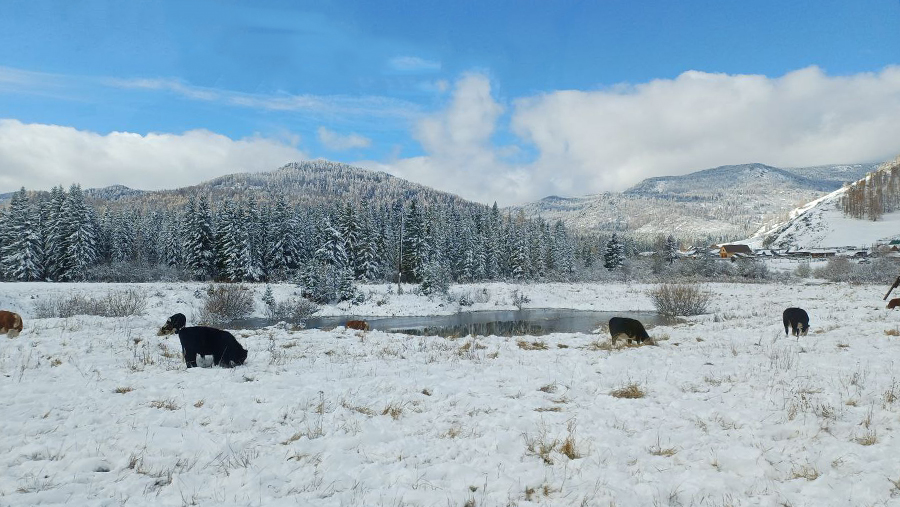
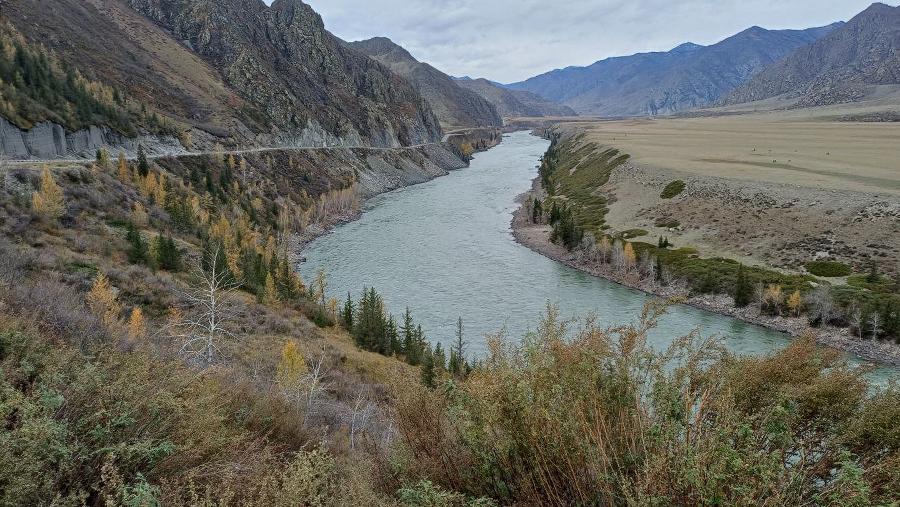
If tourists are aiming for a more relaxed vacation and they have literally a couple of days, then you can postpone the trip along the Chuisky tract for another time and see the Chemalsky district. Here, along the Katun River, famous for its turquoise waters, runs the Chemalsky tract, no less beautiful than the Chuisky.
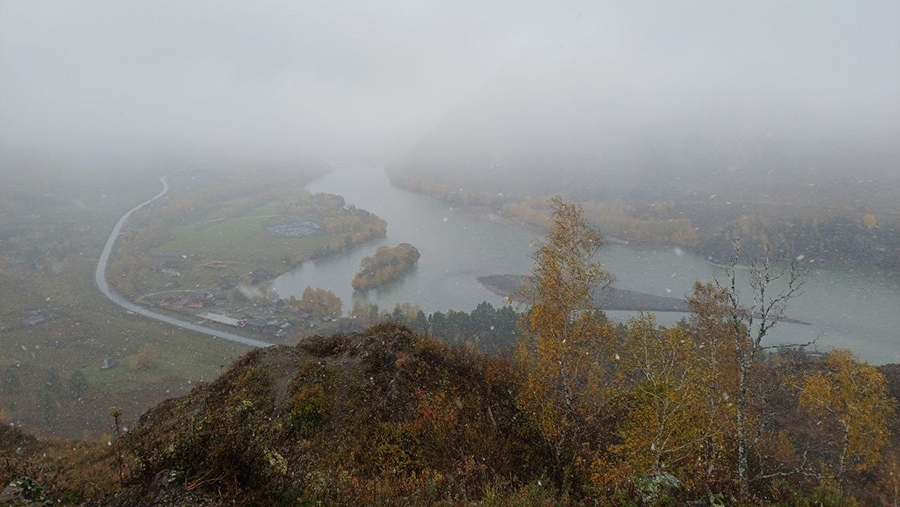
First of all, they go to the Tolgoek observation deck in the Che-Kshysh tract. This is one of the most beautiful places in the republic — a view for many kilometers of the Katun River and the mountains around it. Some travelers say that no matter what their route in Altai is, they always visit this observation deck — the view from the observation deck is special, and it's different at every time of the year. It is also called the Valley of Sartakpai, the hero of legend, whose image can be seen on one of the rocks: this batyr shot his arrow through the mountains for the escaped daughter of the Khan of Altai Katuni, who sought to unite with her beloved Biy.
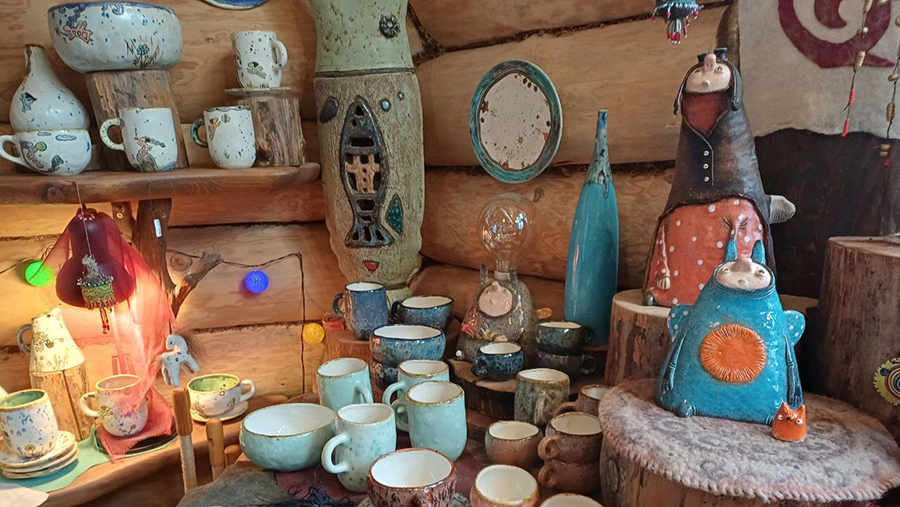
There is also a "village of artists" Askat along the highway. Ruslana Chesnokova, the owner of the Strela Sartakpaya art complex, said that about a decade and a half ago, she and her husband came to this village and stayed. Their three children also grew up here, and they help run a gallery, a museum of ethnic instruments, a ceramic workshop, a craft yurt, and a local coffee shop. In the gallery, you can learn how to play tambourines, blow a didgeridoo, and play a ceramic ocarina. Ruslana's daughter, Alexandra, turned the participants of the rally into a single orchestra in just half an hour, completely different in temperament and experience of playing musical instruments.
Many of the people the travelers met along the way are not from Altai, and they all tell the same story: they arrived, saw a place, and immediately decided to stay and live here. And everyone has their own place.
The same story was told by one of the founders of the Animara project, which is a place where you can learn to play the hanga, meditate under the hanga, and live in a secluded valley with mountains on one side and a river on the other.
"We were driving along the road, saw the bridge, got out of the car, crossed it, and were immediately shocked," Alexander said. — Then the plots were gradually bought out. At first, I regularly traveled back to Moscow, and I thought that I would live here and there, but now I haven't been to Moscow for a long time.
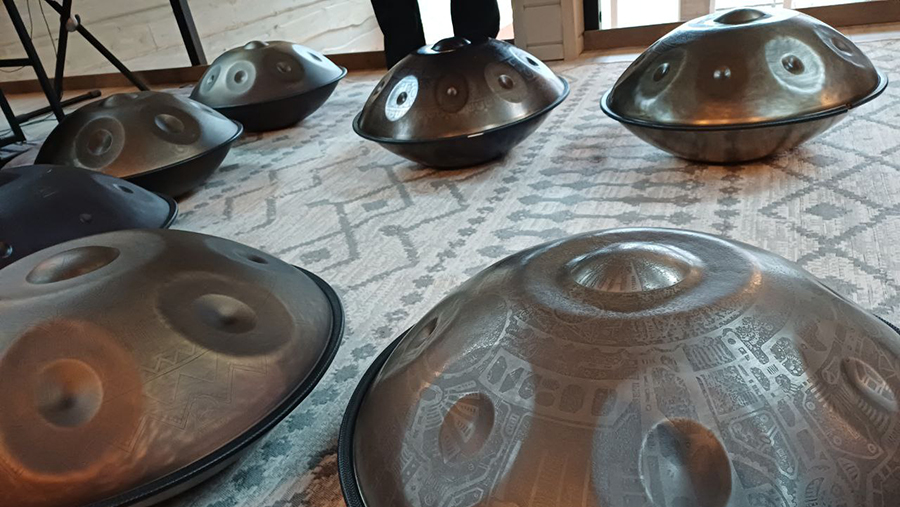
One of the most impressive "features" of the project is a semicircular structure resembling both a lotus and a cone (as intended), lined with mirrored panels from the inside, which reflect colored lighting. This is the "Temple of Sound". You feel like you're inside a kaleidoscope in this room. This is where the Hanga meditation hearings take place — Alexander warns that the action is not related to any religious practices. It's just that in order to impress a modern person and break him out of his daily routine, something very unusual is needed. Then there will be a "reboot".
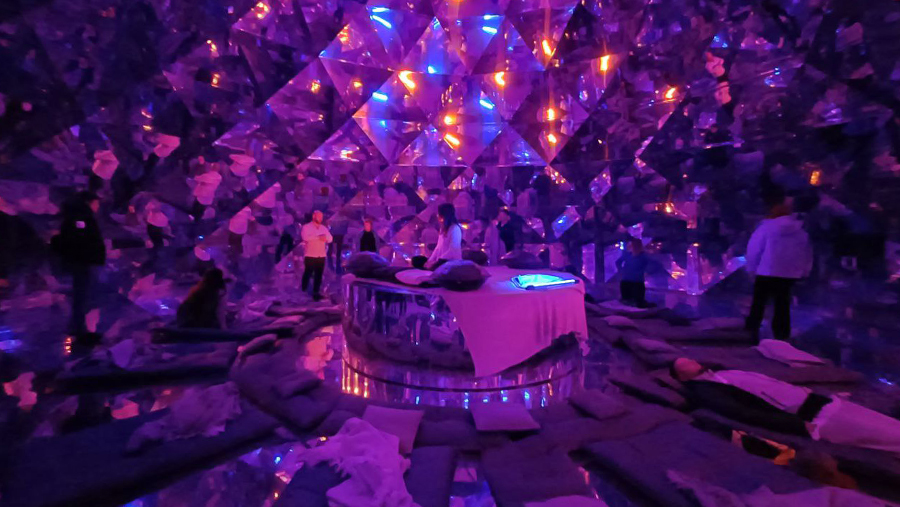
The unusual structure is visible from the road, and, as Alexander says, many visitors come here by gravity — they saw it, decided to cross the bridge to find out what it is. As Alexander and his brother once did.
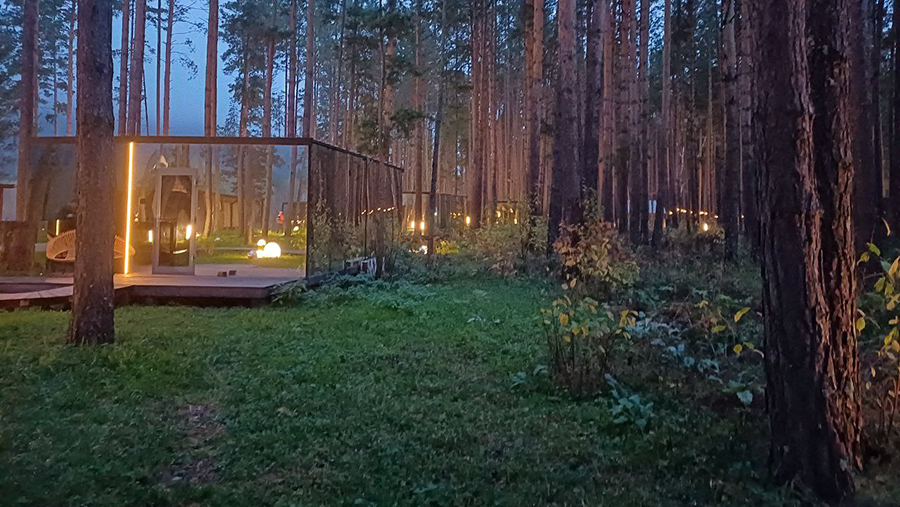
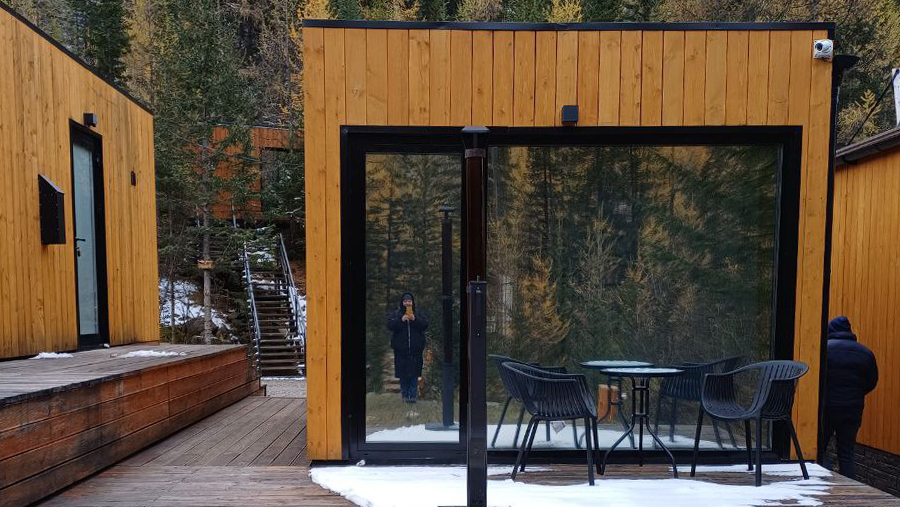
From another region, the Novosibirsk region, and the founders of the Pinewood hotel — here you can live, for example, in mirrored cubes with panoramic windows. Pine trees are reflected in these houses, so the buildings seem to dissolve into the forest. And when you wake up, you can see pine trees from the huge windows around the house and on the mountains. And if the peaks were still green in the evening, then in the morning they were already completely white — it got colder overnight. This Altai autumn decided to show what happens here in winter.
Elena, the project manager of the SOL — hotel near the mountains on the Chemalsky tract, is also not from Altai. She launched the project in 2022. There are cedar houses and a large restaurant with a library. So far, it has been chosen for business tours - various companies bring employees here to "reboot" and generate new ideas. Artists also come — silver art objects can be seen on the slopes. This is "fallen stars," a project by Galina Agafonova, who called it "Wishes Come True."
— Don't get hung up on one thing, let go and accept what you are given, - says Elena, describing the start of the project. — And so many miracles will happen! This is what Altai gave me.

To the borders of Mongolia
And for a few days you can already travel along the entire Chuisky highway. And you don't have to regret choosing this path for a minute, if only because the scenery around you changes every few seconds. One mountain seems to overlap the next, as if someone is flipping through the pages of a book.
The colors around you are constantly changing — reddish, yellowish, green, gray, brown, everything can suddenly become just white. Here is a mountain clearly made of sandstone, here it is completely overgrown with dead grass, and here is a hard, harsh gray rock that has large cracks. And here there is a dark green coniferous forest. Snow has already fallen between the trees, there was no such thing on the previous mountain. But there's a mountain with deciduous trees, it's yellow, because it's autumn. And along the road you can see marals, yaks and sheep grazing.
The Chuisky highway passes through several mountain passes — and the height difference, of course, again affects the colors and landscapes around. On the Seminsky pass, the highest point of the Chuisky tract, it is already winter: you can go through the snow into the forest to hug the cedars and make a wish — this is a tradition. Or you can drink coffee with pine nuts in a glass with a themed inscription "Coffee at an altitude of 1717 m." Souvenirs are also sold here: cedar amulets, "Kezer-tash" figurines — these are ancient warriors-defenders, maral meat, cashmere from Mongolia, local tea collections.
After driving a few more kilometers, you can stop to climb the mountain and find a monument to a boy with a gopher. This is a monument to the children of war and the animal that saved them from starvation.
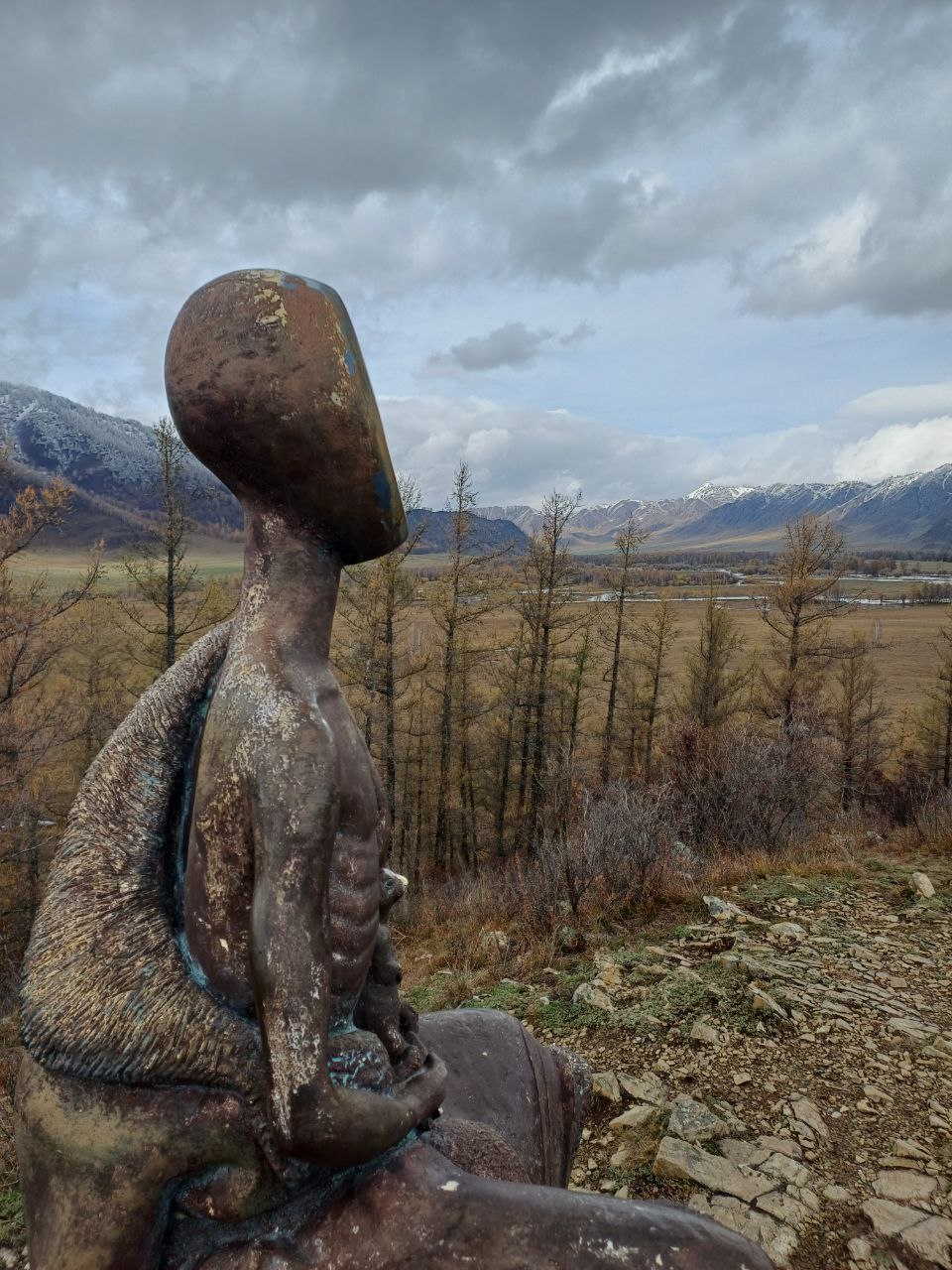
The next pass is Chike Taman, which is 1,259 meters. Since 1996, it has been declared a natural monument of the Altai Republic — there is a picturesque observation deck from which the old road through the pass is visible. The new one was built for about 40 years — rocks were blown up, hundreds of tons of soil were moved. It turned out to be a monument to the harsh work of Soviet builders.
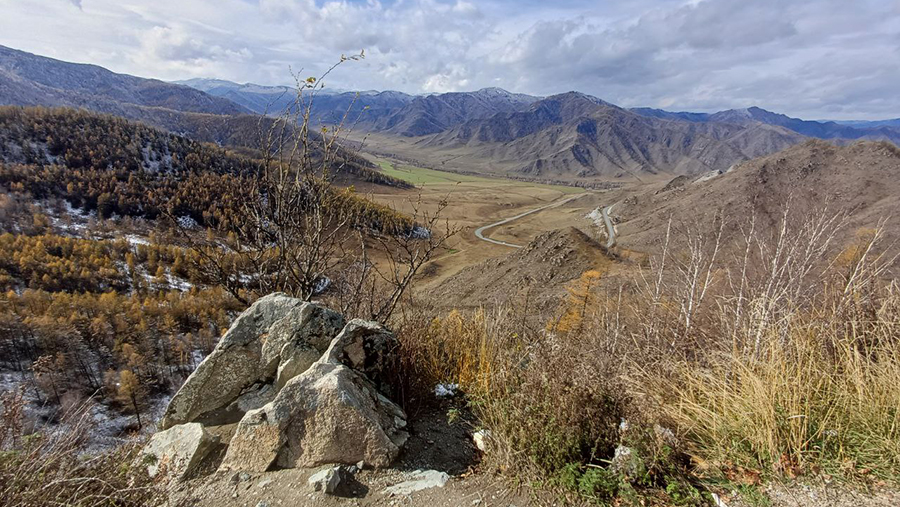
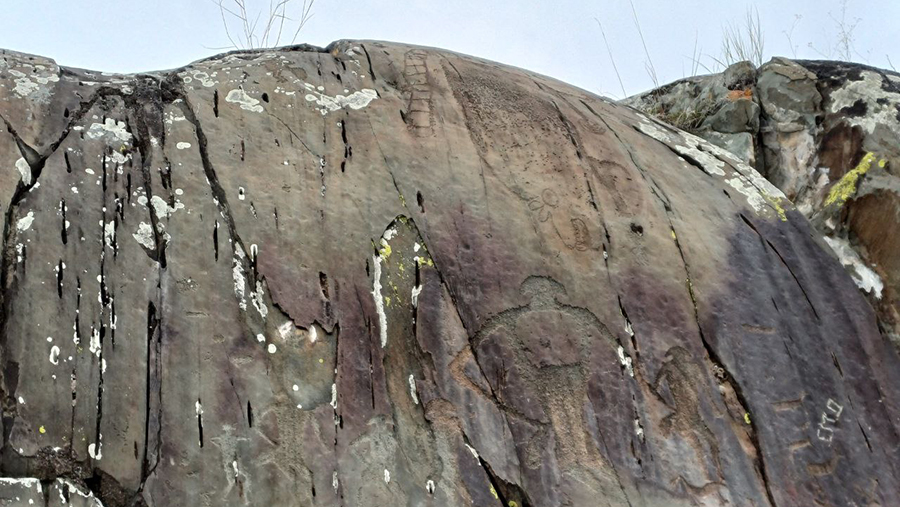
After descending from the pass, you just need to get to the confluence of the Chuya and Katun rivers. And then, after enjoying the views (by that time they still do not cease to delight and fascinate, the eye has not blurred), before dark it is necessary to have time to look at the petroglyphs of the Kalbak-Tash tract — rock carvings that were carved on the stones. A local guide tells us that some of them are thousands of years old, and some are only a few hundred years old. Through the drawings, he talks about the time of the matriarchy, which gradually replaces the patriarchy, shows female and male deities, explains how they hunted at different times and whom. It is surprising that all these drawings are still practically not protected in any way — they are all in the open air, and only flimsy wooden fences separate especially ancient places from later ones.
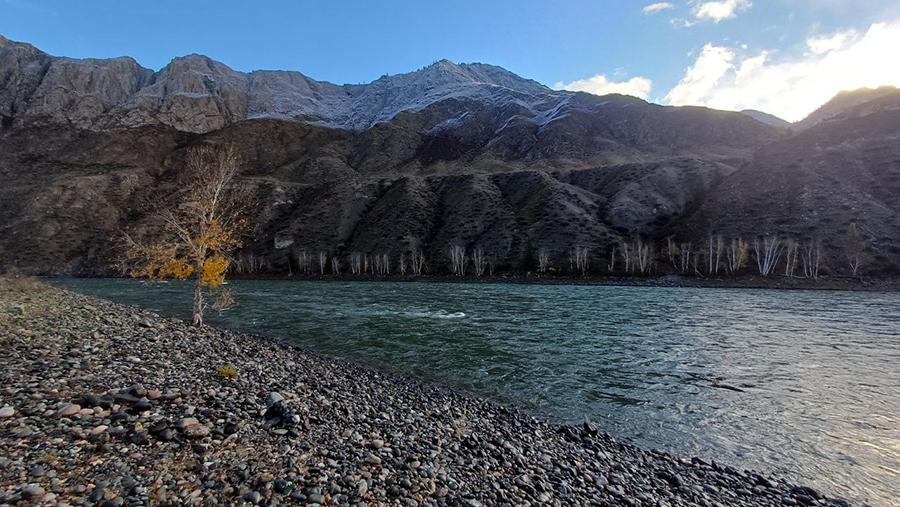
It is hardly possible to do more in one day, so the participants of the rally went to spend the night in another picturesque valley — the agrotouristic complex "Inegen" on the banks of the Katun River. And here, one of its creators, Alexander, tells a familiar story: he is from the Krasnodar Territory — he saw, he stayed. There are about 20 houses in the complex, which even look lonely in a huge valley — they were specially placed so as not to interfere with each other.
"People are looking for privacy here,— Alexander said. — That's what they come for, and it's here, the spaces and distances are huge: until you leave the far house for breakfast, until you return, and it's time to go for lunch. But we have bicycles for guests.
When asked if it is easy to maintain such a territory, more than 50 hectares, he answers that state support helps — grants from the Altai Republic. They helped to establish energy supply, water supply, and wastewater treatment. Inegen used grants to buy electric bicycles, equip a sports ground, and will build two more cabins.

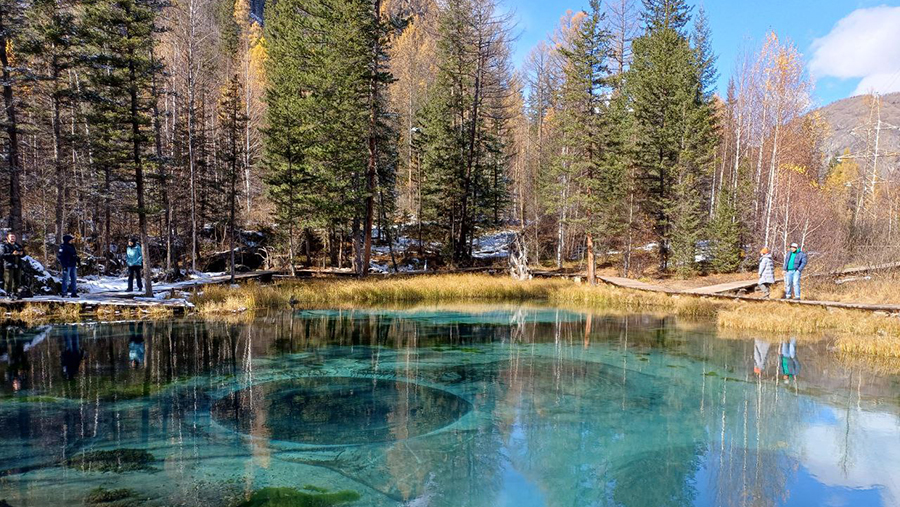
The next day you can drive to Geyser Lake. The name is erroneous — there are no geysers in this place, but there is a very deep turquoise lake with cold springs. In places where they exist, bizarre patterns form on the bottom of the lake, which change every few minutes, as, indeed, everything in Altai. The lake is located in one of the regions of the far north — there are some in Altai.
Then the road goes through the steppe, and along the way you can see the glaciers of the North Chuya range. And then the route leads to the Mars Mountains (Kyzyl-Chin tract), a mountain complex whose colors closely resemble the planet of the same name.
— And here is the Owner of Mars, — Dmitry Rodionov introduces tourists from Moscow to a local businessman.
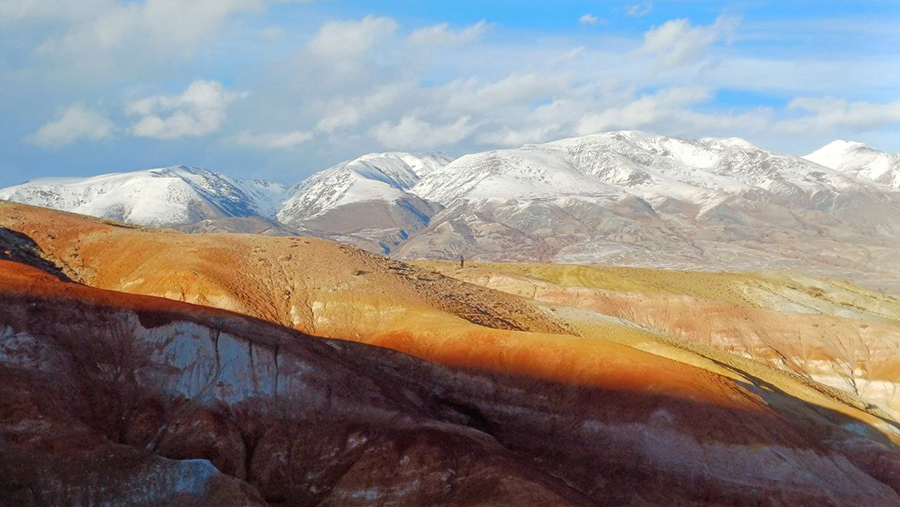
Entry to Mars costs 300 rubles, which is not expensive at all for alien landscapes. And this is exactly the place that is better to see, because it is very difficult to describe it. Words can hardly convey all the shades of red, terracotta, orange, sand and yellow. It seems like there are thousands of them.

There are space—style glamping sites near Mars - white hemispheres. In such an environment, it seems that you are a character from Interstellar, Dune, The Martian, Remember Everything, Planet of Storms or Star Wars. About all of them together. When leaving Mars, you can see steppenwolves. And if you drive forward another five kilometers, then the mountains of Mongolia and the steppe are in front of them.
You can spend the night at the Manual Lands glamping — it is located right next to three small mountain rivers and is open all year round. The hotel was built with the help of the national project "Tourism and Hospitality".
Going the next day in the opposite direction along the Chuisky tract, it is worth stopping and admiring the Katun terraces (again a picturesque valley), and the Ilgumen threshold — tourists tend to pass it in spring and autumn. water tourists.
And stopping along the way, you can again get to know those who came to Altai and stayed there. Nikolai came here from Kazakhstan when his sons started studying at the university. Now he is the manager of a campsite in the village of Kamlak. It was built as part of a national project. The owners of the campsite have made a large sports ground for its guests and all interested villagers.
Ekaterina, one of the owners of the Pear Blossom Hotel in the village of Cheposh, not far from Gorno-Altaysk airport, says that she came from Novosibirsk and this is the second project of their team in Altai. Pear Blossom is different from many other hotels — these are not glamping, not houses in an ethnic style, but one- or two-storey respectable villas. It turned out to be an analogue of the famous five-star Manzherok hotel, which develops ski tourism in Altai.

"I wanted to do something that wasn't here yet," she explains. — We will soon renovate and complete the restaurant: there is a brick building nearby that has stood for so many years. We will make an apartment complex in the same building. This will open up new jobs for the village. And we already have a ceramic workshop for local children, where an artist works with everyone. It is absolutely free.
Ekaterina also said that her company plans to help the village with the renovation of the school and build a church here.
Dmitry Rodionov, CEO of the Soul of Altai tour operator, is also not from Altai. According to him, when coming to Altai, everyone is looking for something of their own — wilderness, comfort, lack of means of communication, relaxation, communication with loved ones, active recreation or a charge of vivacity. And Altai is ready to give it all, and even more.
Переведено сервисом «Яндекс Переводчик»
