29 Julia — Finogey day: the history of the holiday, customs and omens

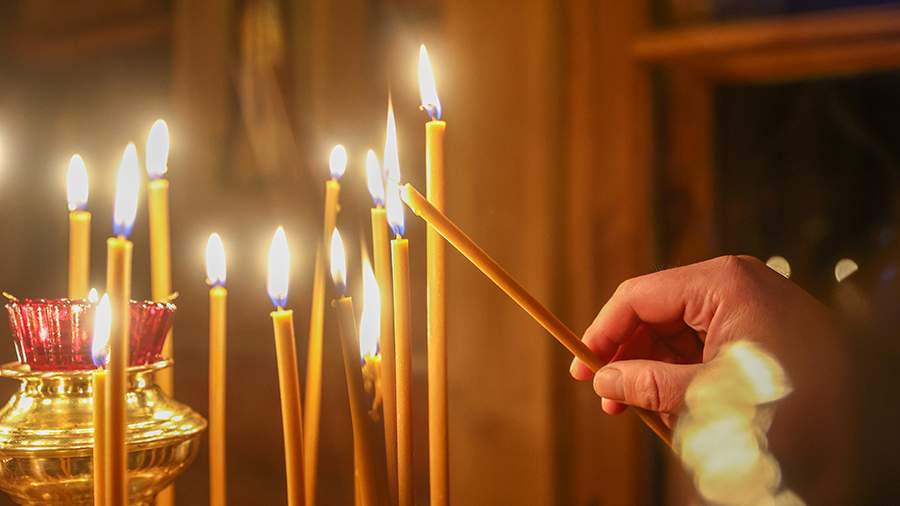
On July 29, the Orthodox Church honors the memory of the Holy Martyr Athenogenes of Sebaste and ten of his disciples who suffered for their faith during the persecution of Christians in the fourth century. In the folk tradition, the holiday was called Finogey Day. In 2025, the celebration falls on a Tuesday. Izvestia tells about what can and cannot be done on a holiday, as well as about the signs of this day.
Finogey's Day — what kind of holiday is July 29?
Athenogenes was a bishop in the Asia Minor city of Sebaste, founded in the 1st century BC on the territory of the Roman province of Armenia Minor (now it is the administrative center of the province of the same name in Turkey). Most of the city's residents were Christians and often attended sermons in the church. However, the local ruler, Hegemon Philomarchus, was an adherent of pagan traditions and dealt harshly with the Gentiles.
One day, he organized a major festival in Sebaste, demanding that every resident make a sacrifice to idols. Athenogenes and his followers refused to participate in this action. Philomarchus, upon learning of this, was enraged, and ordered the elder to be found and detained.
First, ten of the bishop's disciples appeared before the court, and later he himself. Athenogenes himself appeared to Philomarchus to admonish him not to commit lawlessness. But he remained adamant in his decision.
At the trial, the prisoners, despite the risk of the death penalty, confirmed their commitment to the Christian faith. After numerous tortures, they were executed. For Christians, the martyrs have become an example of courage and perseverance. Later, a separate church holiday was established in their memory.
With the Baptism of Athenogenes of Sebaste, they began to be revered in Russia. Believers turn to him with various requests. They pray to the saint for strengthening faith, protection from enemies and false accusations, as well as for help in difficult life situations.

How Finogey's Day was celebrated in Russia
In the old days, it was believed that on Finogee day, summer passes the hottest time. Rye was being harvested in many areas at this time. The first compressed sheaf was called the birthday. After working in the field, he was carried into the house, decorated with ribbons, flowers and placed under icons. Such amulets helped to protect future crops from spoilage.
The sheaf was kept until the next sowing season, hoping for a good harvest next year. It was also used for various rituals. Threshing began with it, sick cattle were fed with it, and people were treated with grain.
The rye was not completely harvested, but some was left in the field. A kind of beard was woven from uncompressed rye, which was called a Finogeeva volotka. This is how our ancestors glorified the saint and hoped that he would grant fertility to the peasants.
Back in Finogean Day, there was a custom to look for the ear with the largest number of grains. According to legend, luck will surely smile upon those who find it. And a forked ear of rye promised prosperity and well-being.
What you can and can't do on Finogean Day
There are also a number of prohibitions associated with the holiday, which were strictly observed by the people. For example, in order not to cause trouble, it was forbidden to go into the forest, hunt, fish, pick mushrooms and berries, and chop firewood. In the old days, it was believed that at this time a spirit walked through the forest, which should not be disturbed.
On the street, they tried not to make noise or look around for fear of attracting evil spirits. It was forbidden to clean the house. First of all, sweep or clean the floor. Otherwise, according to beliefs, well-being can be "kicked out" of the home.

They also tried to avoid quarrels, showdowns, and empty conversations. It was believed that everything bad said or done on that day would come back in the future. The day was supposed to be spent in the family circle, working in the garden or needlework. In addition, it was important to support those who needed help.
Folk signs of July 29
On Finogee Day, great importance was attached to weather signs. According to observations, if kites soar in the sky on July 29, then the heat will come soon. If the tops of the carrots droop, it will rain. Bad weather is also predicted by yellow clouds at sunset.
If there is a thick fog on the ground, then there will be a lot of mushrooms in autumn. And the abundance of field mice eating crops leads to a long and cold winter.
Earlier, Izvestia told about the traditions and signs of the national holiday Anthony the Thunderer.
Переведено сервисом «Яндекс Переводчик»
