They appeared through the ground: they found a substitute for fish oil in the soil to produce omega-3
- Статьи
- Science and technology
- They appeared through the ground: they found a substitute for fish oil in the soil to produce omega-3


Scientists have discovered microalgae in the soils of Melitopol, capable of accumulating omega-3 in quantities comparable to and even exceeding those of some marine microorganisms. The new strain can become a promising source of polyunsaturated fatty acids without using expensive fish raw materials. In addition, it is able to produce vitamins C and E, antioxidants and protective pigments. The studied microorganism will be promising in biotechnology. It can also become a source of useful compounds for people who do not consume fish or suffer from allergies to it, experts told Izvestia. At the same time, research needs to be continued in order to confirm the safety and effectiveness of specific methods of using the compounds obtained.
A new "producer" of vitamins and omega-3 has been found in the soils.
Specialists from Melitopol State University and the Timiryazev Institute of Plant Physiology of the Russian Academy of Sciences have discovered a new strain of soil microalgae that can become an industrial "producer" of vitamins E, C (ascorbic acid) and omega-3 fatty acids.
Biologically active substances such as vitamins, carotenoids, and polyunsaturated fatty acids are widely used in the pharmaceutical, food, and cosmetic industries. These compounds are added to products, medicines, creams and serums for the skin, and are also used as independent dietary supplements. Microorganisms, including soil microalgae, are increasingly used to produce such substances. They are unpretentious in cultivation and are able to easily survive adverse conditions, which reduces the risk of product loss due to the death of the algae producer.
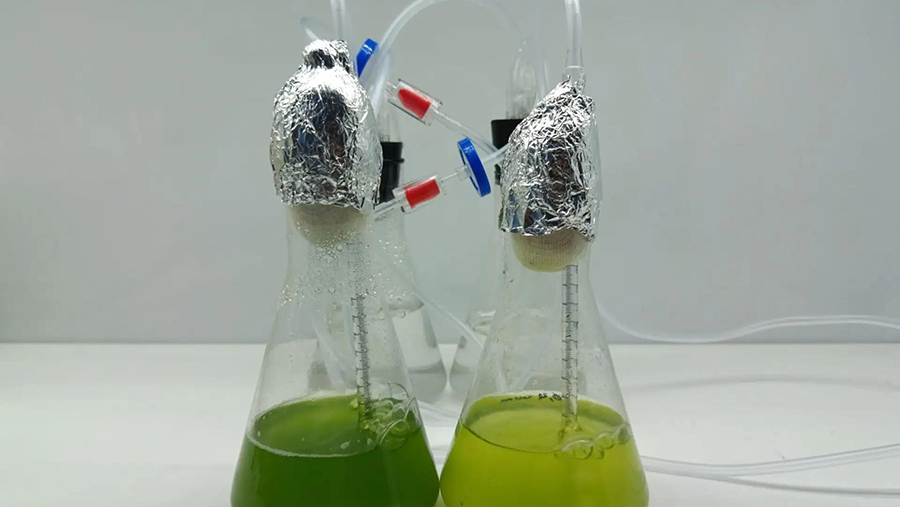
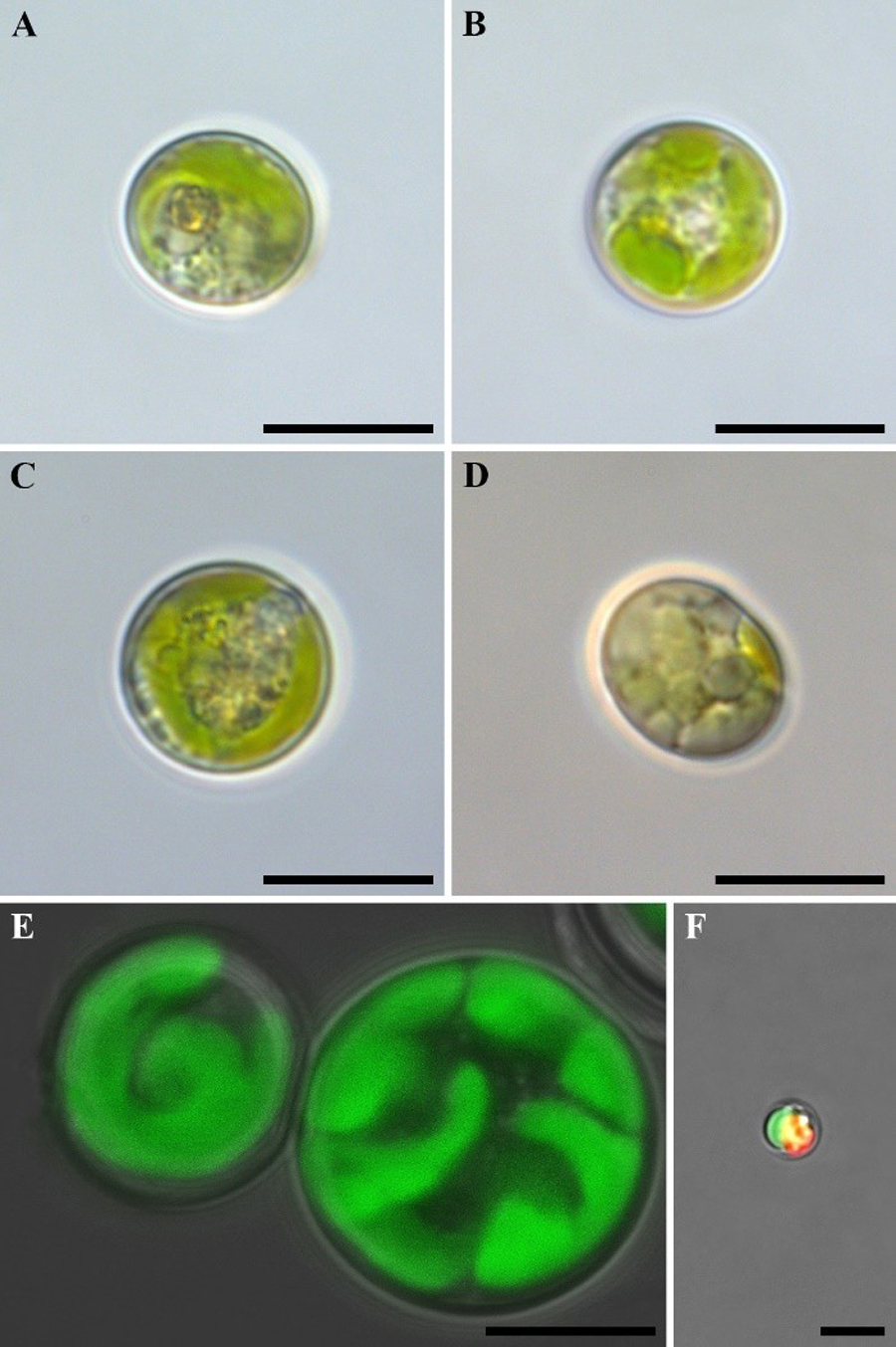
Biologists have studied a new strain of the microalgae Vischeria magna, found in soil from the Melitopol City Park named after M. Gorky. The authors grew the microorganism in the laboratory and evaluated what useful substances it produces.
It turned out that Cherries accumulate unsaturated fatty acids, including omega-3 fatty acids, which are useful for the human cardiovascular system. Their number was comparable to or even slightly exceeded that of the previously described marine producing microorganisms.

In addition, the authors identified high levels of antioxidants, substances that suppress harmful oxidative and inflammatory processes in cells. Vitamins A and E, ascorbic acid (vitamin C), as well as pigments such as astaxanthin and carotenoids prevailed among them. At the same time, the studied strain turned out to have 2-14 times more such substances than many other microalgae.
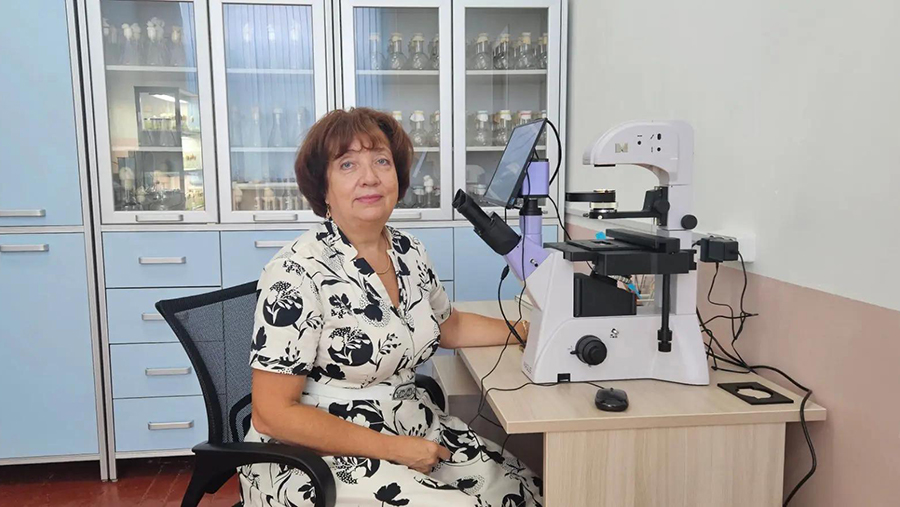
— A number of microalgae compounds reduce inflammation and strengthen the immune system, which is important for maintaining human health and prolonging their active and healthy lives. At the same time, they are quite easy to obtain, since the microorganisms that produce them grow and divide very quickly, and do not require complex maintenance conditions. Therefore, these substances will be in great demand when creating functional food products, dietary supplements and medicines with components of natural origin," Irina Maltseva, project manager, Doctor of Biological Sciences, Professor of Biology at the Faculty of Natural Sciences of Melitopol State University, told Izvestia.
In the future, scientists plan to continue their research on Cherry trees and increase their productivity by modeling lighting conditions and changing the composition of the nutrient medium. This is necessary for the transition from laboratory cultivation to semi-industrial scale.

Application of microalgae from the soil of Melitopol Park
Microalgae are tiny factories of valuable compounds, and the new strain is interesting because it simultaneously accumulates three deficient components: vitamin E, vitamin C, and omega—3 fatty acids, said molecular biologist Arina Kholkina.
— Usually manufacturers have to combine different raw materials, but here the whole complex is already assembled in one cage. Moreover, the vitamin E yield of this strain is higher than that of many previously described analogues, which makes it competitive for scaling," the expert noted.
According to her, the market for natural vitamins and omega-3 is steadily growing, and the source of microalgae solves several problems at once: it is a vegan product, it does not depend on fishing, it does not accumulate mercury and other ocean pollutants. Potentially, such algae can be used to make food additives, enriched oils for functional nutrition, antioxidant complexes for cosmetics and components of feed for aquaculture.
"If technologists confirm the stability of the strain when scaling, it can become a significant player in the market of environmentally friendly raw materials for the food and cosmetics industry,— Arina Kholkina said.
The steady growth of interest in the search for new biotechnological developments and nature-like technologies stimulates the use of algae due to the peculiarities of their growth and fatty acid profile, which is being actively studied, said Sergey Kosogor, head of the Smart Supply Chain segment of the FoodNet NTI working group.
— Microalgae strains of the genus Vischeria with a wide range of valuable compounds synthesized by them occupy a special place due to their rapid growth and the ability to increase the synthesis of target metabolites, which is considered as a promising biotechnological resource for the production of additives, foodstuffs, pharmaceuticals, feed and fertilizers. And in this regard, microalgae are becoming an alternative to fish, especially for people who do not eat it, or for those who suffer from allergies," the expert said.
However, research needs to be continued to prove the safety and effectiveness of specific forms of additives from the microalgae found, the experts noted.
The results of the study, supported by a grant from the Russian Science Foundation (RSF), are published in the journal Physiology and Molecular Biology of Plants.
Переведено сервисом «Яндекс Переводчик»
