The doctor noted the high level of digitalization of orthodontics in Russia

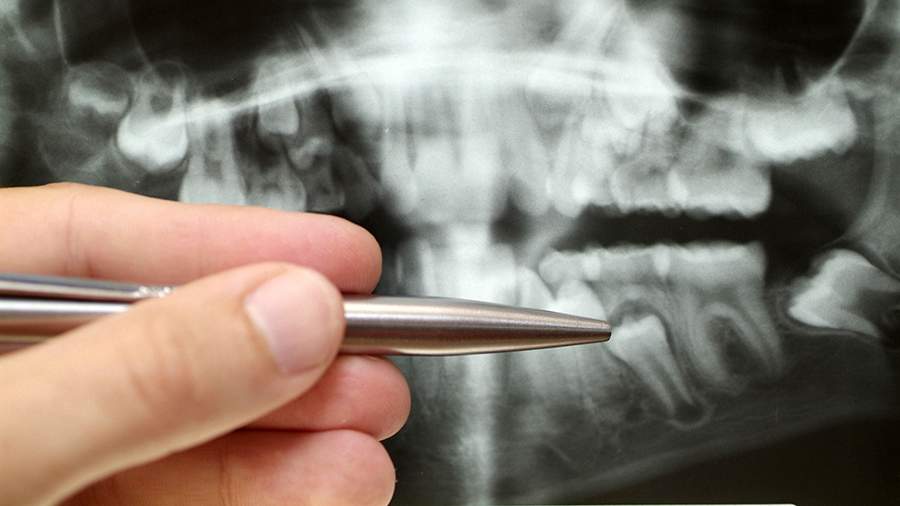
Innovative digital technologies in orthodontics are being introduced faster in Russia than in many Western countries, and the gap between high-tech diagnostics and clinical practice remains minimal. Udo Winzheimer, an orthodontist and speaker of the ORTHONEXT VI Congress from EUROKAPPA, told Izvestia about this on June 27.
"I was genuinely struck by how accessible digital technologies are to a Russian doctor in his daily work. The gap between high technology and routine clinical practice is minimal here. CBCT, MRI and advanced digital diagnostics are already a reality for Russian specialists, whereas in many countries it is much more difficult to obtain similar data," said Vinzheimer.
He added that CBCT, MRI, and modern digital diagnostic tools have already become part of the standard practice of Russian specialists, while their use remains limited in a number of other countries.
According to the doctor, an important role in this process is played by the high involvement of specialists themselves and the active development of Russian companies at the junction of medicine and IT.

Vinzheimer also stressed that Russia and Brazil are among the leaders of digital orthodontics today, and the introduction of innovations in the country is faster than in many European countries.
"In many countries, innovations remain at the level of individual research centers for a long time. In Russia, digital solutions are becoming a part of everyday medical practice faster," he concluded.
Kirill Polyakov, Candidate of Medical Sciences, dental surgeon at Naudent Dentistry, reported on June 9 that some foods may be more dangerous to tooth enamel than regular sugar. He noted that dried fruits, including raisins, dates, dried apricots and prunes, are often perceived as a healthy alternative to sweets, but pose a risk to teeth.
Переведено сервисом «Яндекс Переводчик»
