Hidden with threat: how does Russian artillery work in its combat zone


Shoot and leave — today this is the main rule for gunners in the special operation zone. Rapid changes of positions, the constant threat of drone attacks, lightning fire and instant camouflage have become part of their daily work. The Izvestia correspondent visited the positions of howitzer crews in the Dobropolsky direction and saw how the fighters were resisting one of the main threats to the modern battlefield — drones. The expansion of the tactical UAV range forces the crews to constantly change tactics and shorten the time spent in firing positions.
Dangerous "ripples"
The gunners of the 80th Guards Tank Regiment of the 90th Guards Tank Division of the Center group of forces, operating in the Dobropolsky direction in the DPR, call one of the most difficult elements of their work "rolling over" — moving the gun to a firing position and its subsequent replacement. For calculations, this is always an increased risk: it is in motion that the gun is easiest to detect from the air.
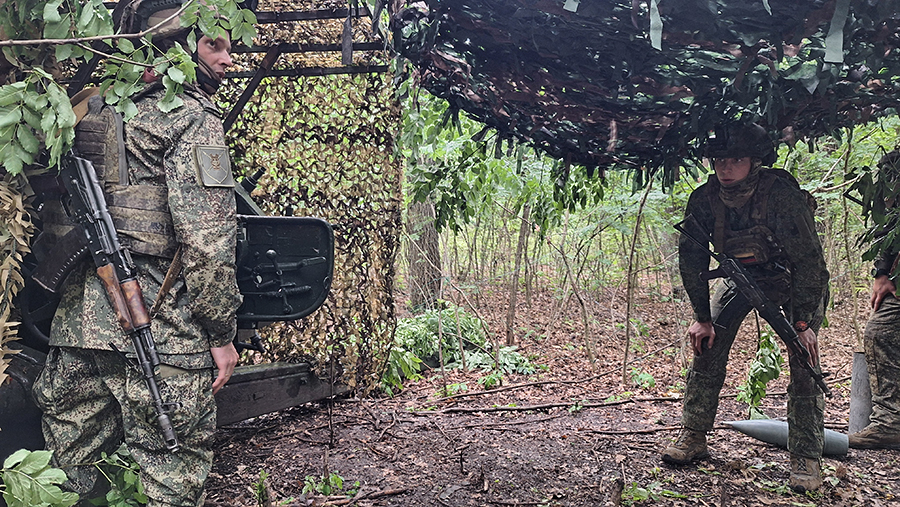
In this area, the gunners are working with 122 mm D-30 howitzers. The gun is appreciated for its mobility and the ability to quickly change positions, but even these qualities do not save calculations from the constant threat from drones.
Before the next departure, the fighters closely monitor the situation and the activity of enemy drones. But even a favorable moment does not guarantee a quiet job.
"Nowadays, it's hard to get a gun into position and work — the activity of enemy drones is very high," says Vladimir Sarapulov, a fighter with the D—30 howitzer crew.
They prepare for the "rollover" in advance. There are air surveillance points along the route, they warn neighbors about the impending advance and ask for help, if necessary, to report the threat of drones or cover up at a crucial moment. The observer fighters are armed with all types of weapons, from machine guns to smoothbore shotguns and nets.
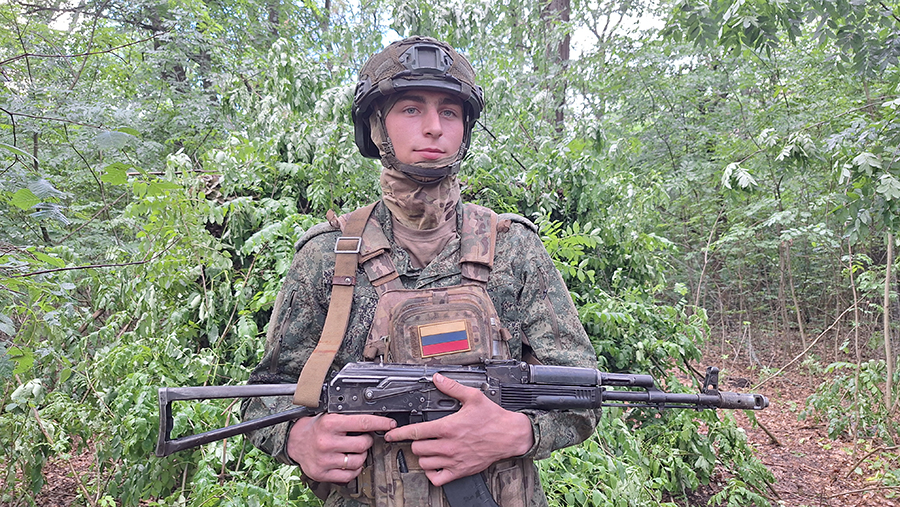
"During the flight of the wings, which are aircraft—type UAVs, we use anti—drone electromagnetic rifles," says Second Lieutenant Stepan Fofanov, commander of the battery.
Finally, a favorable environment for departure is developing. Immediately, the truck's engine starts roaring — we start heading west.
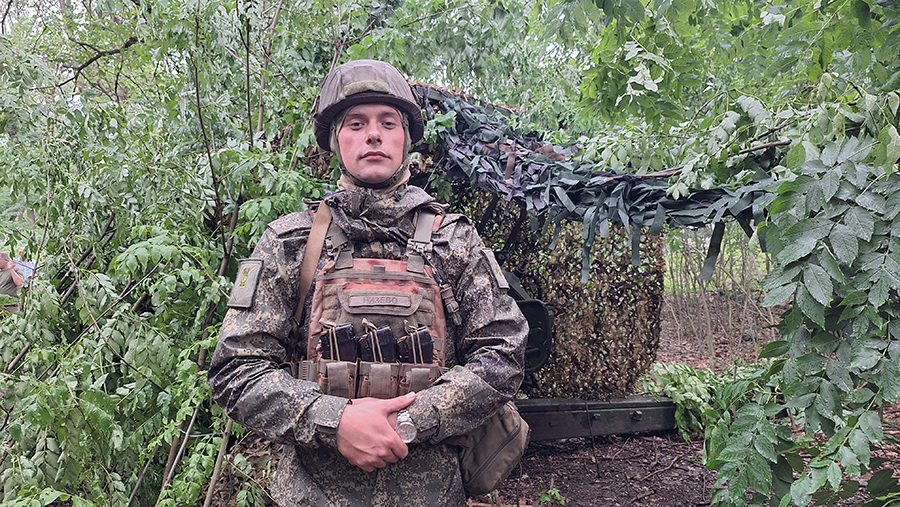
The car gets to the position — this is called "entry". The gun is immediately unhooked, installed in a pre-prepared caponier and begins to mask. The truck driver steps on the gas and quickly rushes to the rear. Everything is done as quickly as possible so that enemy drones do not "copy" the artillery position from the air.
The fighters are already removing the wheels from the D-30 under their masks and hiding them in a small dugout — this is very important. Sooner or later, the cannon will have to be pulled back to the rear, but you can't do that with splintered rubber.

Count by seconds
Platoon work — firing two guns from one large firing position — is a thing of the past. Howitzers are now placed at a great distance from each other.
— Platoon and battery commanders are usually not nearby in their positions, but they are always in touch, all work goes through them. They also help with adjustments and everything related to targets," says Senior Sergeant Gunner Konstantin Zolotoyedov.
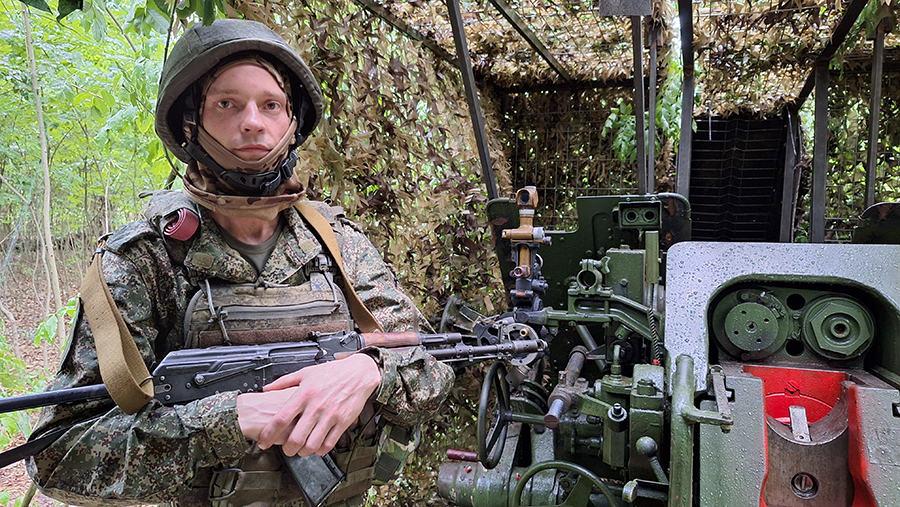
According to him, the D-30 remains a very accurate weapon, but much depends on the skill of the gunner.
But we must act quickly. The old standards were designed for the characteristics of counter-battery radars, which began to detect guns after a couple of shots. With this system, the gunners knew in advance how much time they had before a retaliatory strike.
Now the enemy is searching for guns from the air and may notice the removed disguise or the flash from the shot.
In such conditions, calculations have to work much faster than before. Both when pointing and when folding the gun, every second can become critical, and the price of a mistake is the lives of the fighters.
Everyone is turning their heads 360 degrees, the gunners are joking. When a drone is detected, it is necessary to spread out and be ready to open fire from machine guns and rifles.
Each fighter must know his position in advance and understand which side he is covering and which side he is running to in case of danger, so as not to create a crush at the most inopportune moment.
"But the main thing is not to cause panic," says Junior Sergeant Alexei Buzov, deputy platoon commander.

The gunners have everything — guns and submachine guns. To fight drones, everyone chooses a weapon to their liking.
— I personally feel better with a machine gun, — says Alexey.
APU drones are treacherous, they try to attack unexpectedly. He recalls a case when a UAV from a low altitude, under the cover of terrain and weather, suddenly approached his gun at close range.
Then the guys fought back without losses. But after the raid is reflected, Alexey emphasizes, it is important not to relax — a second wave is possible.
"In order to avoid losses, we must not be afraid to change artillery positions as often as possible," he says.

Another problem is related to the transportation of projectiles to firing positions along roads where enemy drones are operating. Artillery shells, due to their size and weight, are almost impossible to transport on a vehicle smaller than the UAZ or Ulan-2. The departures of supply groups are carefully prepared and take place even faster than the advance of guns to firing positions. It is supply that becomes the key factor for success — without shells, the guns will fall silent.
The main advantages of classical artillery over the same UAVs remain the damaging effects of powerful projectiles and, critically, the minimum time from calling fire to impact. The guns allow you to destroy well-fortified firing points and disrupt the concentration of militant groups for counterattacks.
Infantry actions seriously depend on their effective work — without artillery support, it is impossible to confidently move forward or stand firmly on the defensive.
Переведено сервисом «Яндекс Переводчик»
