
Navy Day 2026: Amazing traditions that sailors have been observing for decades

At the end of July, Russia celebrates Navy Day, a celebration of military sailors reflecting the courage, glory and historical continuity of the Russian navy. It was established back in Soviet times and has not lost its relevance since then. When Navy Day will be in 2026 and what traditions are associated with it — in the Izvestia article.
When is Navy Day celebrated in 2026
Russian Navy Day is celebrated on the last Sunday of July, so its date changes every year. In 2026, it falls on July 26.
What kind of holiday is Navy Day?
Navy Day is one of the memorable days of the Russian Armed Forces. It is celebrated not only by those who guard the maritime borders of Russia, but also by their family members, employees of naval institutions, as well as veterans of the Great Patriotic War.

Today, the Russian Navy protects the maritime borders and interests of the Russian Federation in the oceans, participates in deterring the use of nuclear weapons, and also carries out strategically important missions.
The history of the appearance of the Navy Day in Russia
The holiday appeared in 1939. The initiator of its establishment was People's Commissar of the USSR Navy, Admiral of the Fleet Nikolai Kuznetsov. In post-Soviet Russia, the status of Navy Day was confirmed by a decree of the President of the Russian Federation in 2006.
Peter the Great laid the foundation for the modern Navy. It was thanks to him that Russia gained the status of a great maritime power in the late 17th and early 18th centuries. In 1696, following the results of the Azov campaigns, the Boyar Duma, on the recommendation of the tsar, proclaimed: "To be naval vessels," which became the starting point in the history of the regular Russian fleet.
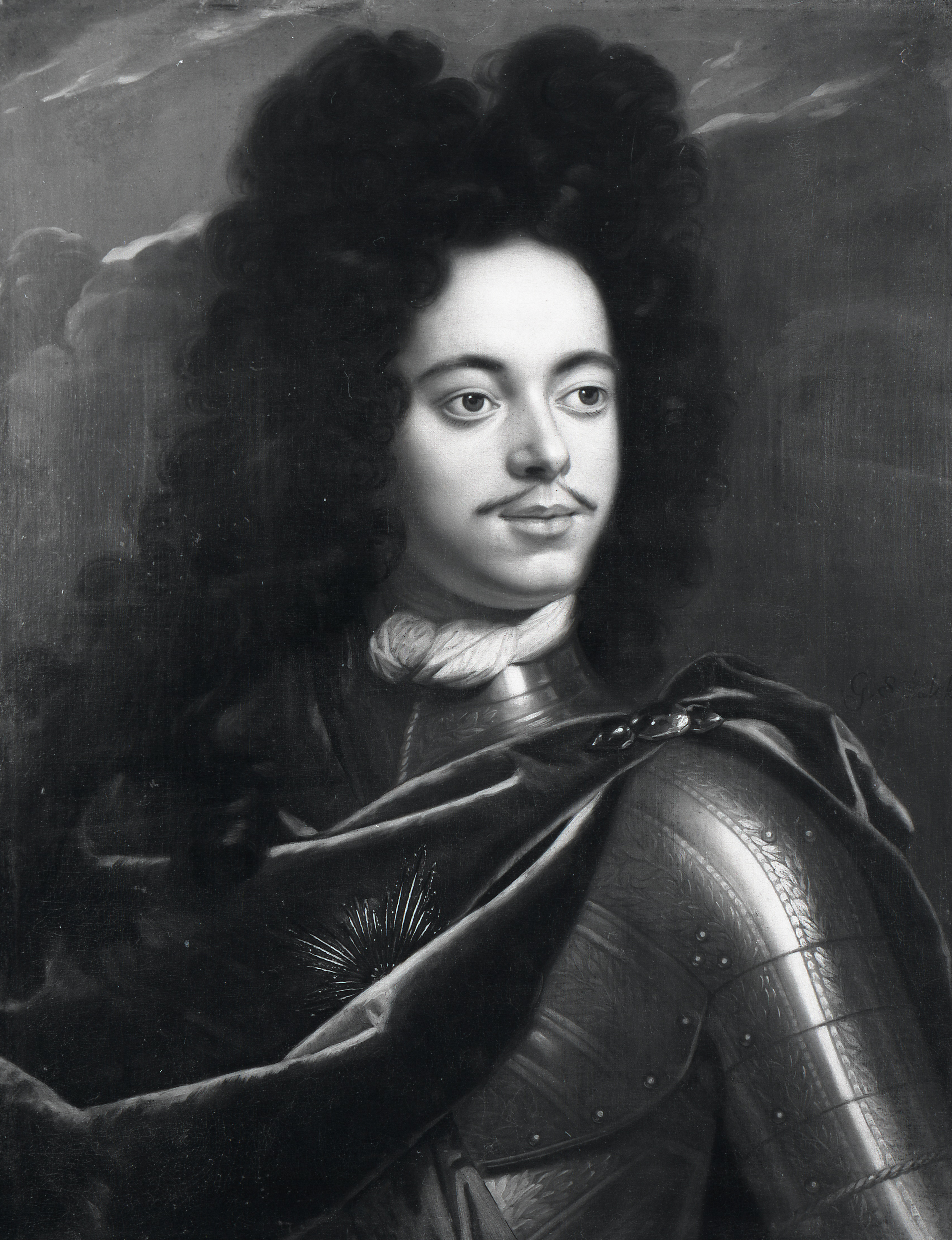
A key event in the history of the Russian navy was the victory at Cape Gangut. On July 27 (Old style), 1714, the fleet of the Russian Empire defeated the Swedes in one of the main naval battles of the Northern War. Peter the Great, impressed by this triumph, ordered that this date be celebrated annually as the Day of Naval valor. On his instructions, parades were held on the water, festive services were held, and fireworks lit up the sky.
Centuries later, after the official establishment of Navy Day, at the end of July, parades of warships began to be held again. The modern format and date of the holiday were finally formed in 1980. This approach made it possible to make it not only a memorable day, but also a public event.

Traditions of Navy Day celebrations
The celebration traditionally begins with ceremonial formations and the raising of the St. Andrew's Flag, the symbol of the Navy. This ceremony takes place on all ships and naval bases.

Parades of ships are held in the cities where the fleet bases are located — in Sevastopol, St. Petersburg, Vladivostok and others. Every year, distinguished sailors are awarded orders and medals, and the day ends with a large-scale fireworks display. Concerts, folk festivals and exhibitions of military equipment are organized throughout the country.
In honor of the holiday, everyone is allowed to board some ships and even organize excursions for civilians. So any guest of the holiday can find out how the ship is arranged from the inside.

On Navy Day, demonstrations and festive military sports competitions are held on the water and shore: sailors, underwater special forces, marines and others demonstrate their skills. In addition, naval and military brass bands perform. Demonstration artillery and rocket firing are also held on the holiday.
What is the correct name of the Navy flag and its meaning?
The official name of the Navy flag is the Naval Flag of the Russian Federation. It is also called Andreevsky. It is a white rectangular panel crossed diagonally by two blue stripes forming an oblique cross.
This symbol was approved by Peter the Great on December 11 (December 1, Old style), 1699. The emperor explained his choice by saying that it was from the Apostle Andrew that Russia received holy baptism, and he wanted to perpetuate the saint's name. According to legend, the disciple of Christ was martyred on the oblique cross.

The history of the flag is full of events. After the October Revolution of 1917, at the All-Russian Congress of the Navy, it was decided to replace the St. Andrew's flag with the red banner. In 1935, the design was changed again: ships began to raise a white canvas with a red hammer and sickle and a blue stripe along the bottom edge. After the collapse of the USSR in 1991, by decree of the President of the Russian Federation, the historical St. Andrew's Banner was introduced as the main Naval flag.

What events take place on Navy Day?
The official program for the celebration of the Navy Day in 2026 will be published closer to the date. As a rule, celebrations take place in cities associated with the history and modern activities of the Russian navy, including St. Petersburg, Kronstadt, Sevastopol, Vladivostok, Severomorsk and Baltiysk.

Over the years, the program included the solemn raising of the St. Andrew's flag, the formation of personnel, the laying of flowers at the monuments to naval commanders, concerts, exhibitions of military equipment and festive events for residents and guests of cities. At the same time, the format of the celebration may vary depending on the decisions of the Ministry of Defense and regional authorities.
Переведено сервисом «Яндекс Переводчик»
