The route is set up: how smart hospitalization works in Moscow


The waiting time for planned hospitalization in Moscow has decreased by one and a half times, said Anastasia Rakova, Vice Mayor of the capital for social projects. Since March 2026, the planned hospital admission system in the capital has switched to digital format. Now, instead of paperwork and self—search for hospitals, Muscovites receive personalized offers from the city's leading hospitals directly in the mobile application. About how the Smart Hospitalization system works, whether it reduces the burden on doctors and what are its advantages for patients, see the Izvestia article.
How has the planned hospitalization process changed?
Moscow has reviewed the system of planned hospitalization — a new project has made the patient's path from determining indications for hospitalization to the hospital completely transparent and digital, the Moscow Department of Health told Izvestia.
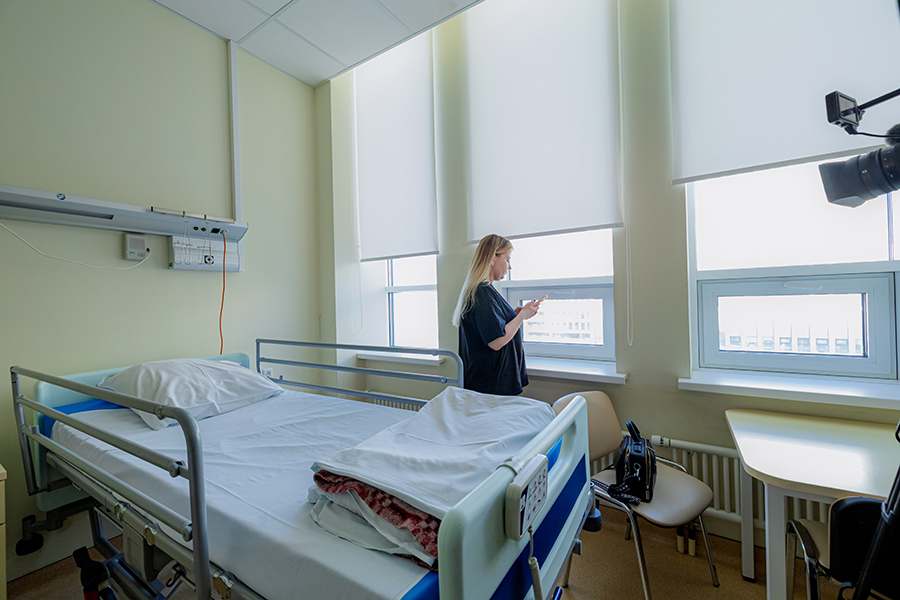
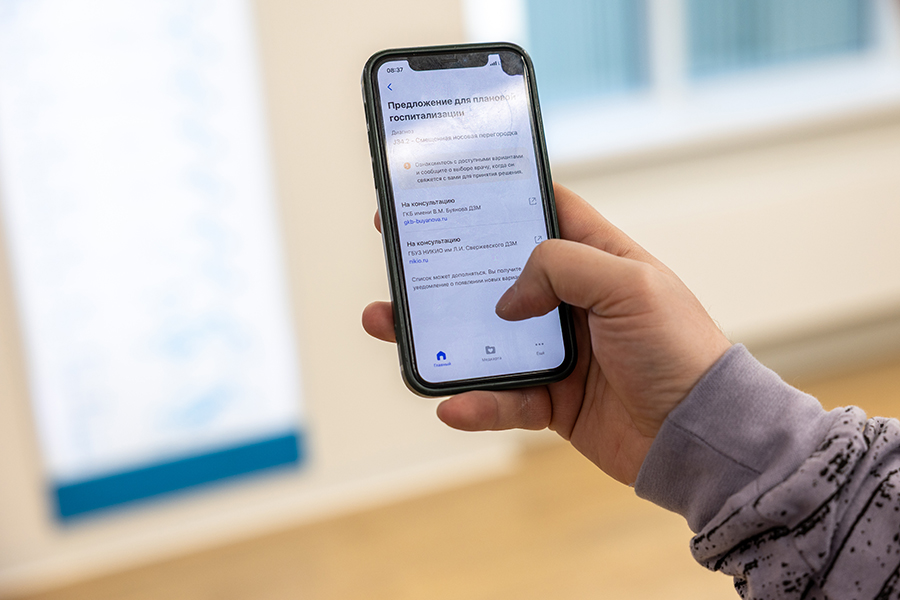
The first step is an examination in a polyclinic. If the patient has indications for a planned hospitalization, the doctor creates a digital application in a single cloud platform based on EMIAS. It becomes available for review by all specialized hospitals of the city at the same time. The patient can then select one of the responding hospitals via the mobile app.
The Smart Hospitalization project was launched in March 2026. And preparations for the launch and testing have been underway for more than two years, said Anastasia Rakova, Moscow's Vice Mayor for Social Affairs, in an interview with RBC.
According to her, during this time, the number of planned hospitalizations increased by 28%, and the proportion of patients who planned but for some reason did not go to treatment decreased by a third. The waiting time for hospitalization has been reduced by one and a half times.
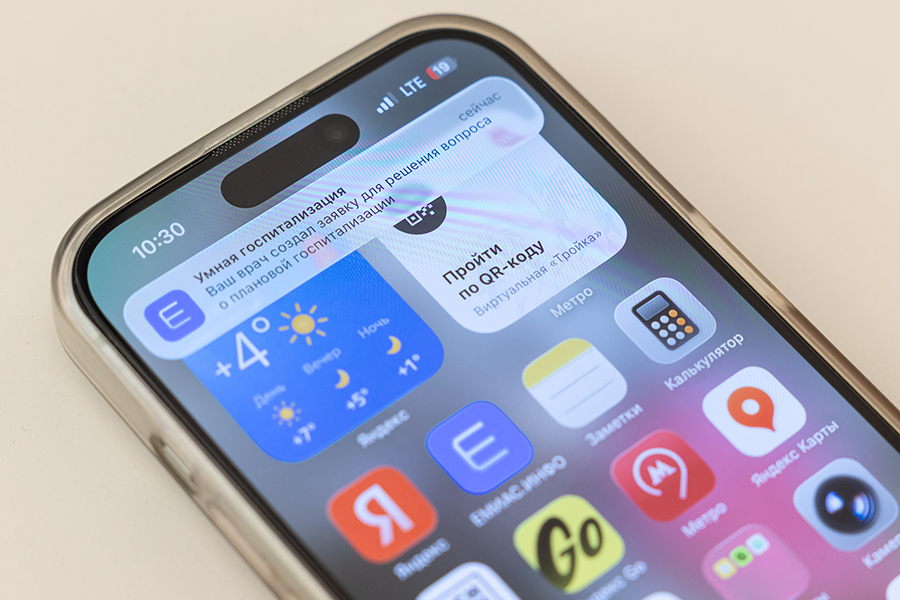
"We see a high demand for the new system,— Anastasia Rakova said. — Since the launch (about two months ago), polyclinic doctors have already processed about 67 thousand applications, of which 89% of patients have already received offers from hospitals, the rest of the applications are currently being considered by hospitals or chief freelance specialists. About a thousand new applications are generated daily, while hospitals send more than 4 thousand responses.
Hospitals are available to people in 14 areas, including surgery, cardiology, traumatology, urology, neurosurgery and ophthalmology.
The new approach is convenient for both patients and doctors, Natalia Shindryaeva, chief physician of the city polyclinic No. 2 in Moscow, explained to Izvestia.
"It's a huge time saver," she says. — "Smart hospitalization" works like this: the patient comes to the doctor with certain problems. He may need surgery or manipulation, which is impossible in an outpatient setting. For example, a person comes with a large atheroma (sebaceous gland cyst — Izvestia). We can't operate on her at the clinic because there are big risks.

Before the introduction of "Smart Hospitalization", the patient in such a situation had to look for options himself — where to go for treatment. First, he received a referral for a consultation at a polyclinic, then he independently enrolled in a selected hospital, after which he returned to the polyclinic again for a referral to hospitalization.
At the same time, the lack of coordination and a clear link between the polyclinic and the hospital led to the fact that there might not be available places in the selected hospital for the next period, or the timing of the proposed operation did not suit the person. Then he started looking for other options. That is, in fact, he found himself in a haphazard search situation, moving between medical institutions without a guarantee of results.
— Many patients, faced with difficulties, postponed treatment. Issued referrals often "burned out" due to expiration, and the whole process had to be started anew, the Moscow Department of Health admitted.
Moreover, due to the delay in hospitalization, the condition of some patients could worsen.
— In the new system, the most important link is the patient, — Natalia Shindryaeva emphasized. — It frees up a lot of time: you don't have to go to the hospital yourself, you don't have to wait and waste time on the road. The treatment route becomes clearer. And the attending physician at the clinic sees at what stage the approval of the application is, where the person went for surgery. And if the patient has a difficult case and the type of medical care is not immediately obvious, the situation requires additional expertise — the main freelance specialist in the disease profile is involved in the process.
The right to choose
According to Natalia Shindryaeva, three hospitals usually respond to the application — the patient sees them in the application on the phone and can choose the most suitable one for himself. After that, the hospital staff agrees with him on the date and time of the visit.
And if a person did not have time or did not understand how to make a choice in the application on their own, the attending physician from the clinic will definitely call them, consult on available options and fix the decision in the system.
— There is no big difference between hospitals, the equipment there is the same, — Natalia Shindryaeva explained. — Most often they choose according to the territorial principle, so that it is convenient to get close to home.
It would seem that there are risks with the new system. For example, if almost everyone wants to go to the most famous and top hospitals, they will be overcrowded, while others are underloaded. But the Department of Health assures that digitalization helps to avoid such a situation, because hospitals form their offer to the patient based on available resources and available places.
"This is where the real right to choose is manifested: for example, if the Botkin hospital is ready to receive a patient in a month and a half, and another modern hospital is ready next week, the person decides for himself what is more important for him: a specific brand of the hospital or the speed of the operation," the department explained.

Has the burden on doctors decreased
The procedure for reviewing an application by hospitals now takes from three to 15 days. Most Muscovites make an appointment in the first two weeks, the department said.
With the introduction of Smart Hospitalization, the burden on doctors has also significantly decreased, Natalia Shindryaeva said. In particular, the patient does not have to go to the clinic to see the attending physician many times — first for one referral, then for another, then, perhaps, in a new circle.
— In addition, the patient's data is in the electronic medical record, they are available to the doctor both from the clinic and from the hospital. The information is uploaded automatically, so there are no problems with the fact that some data was forgotten to be entered," said the chief physician of the capital's polyclinic.
Even if a person went to a private clinic for a consultation, they can upload the necessary documents to their electronic medical record.
"It's convenient because all the documents are in one place, nothing gets lost," she admitted. — Yes, and the district therapist sees where the person went, what research was done. This is useful for patient management.
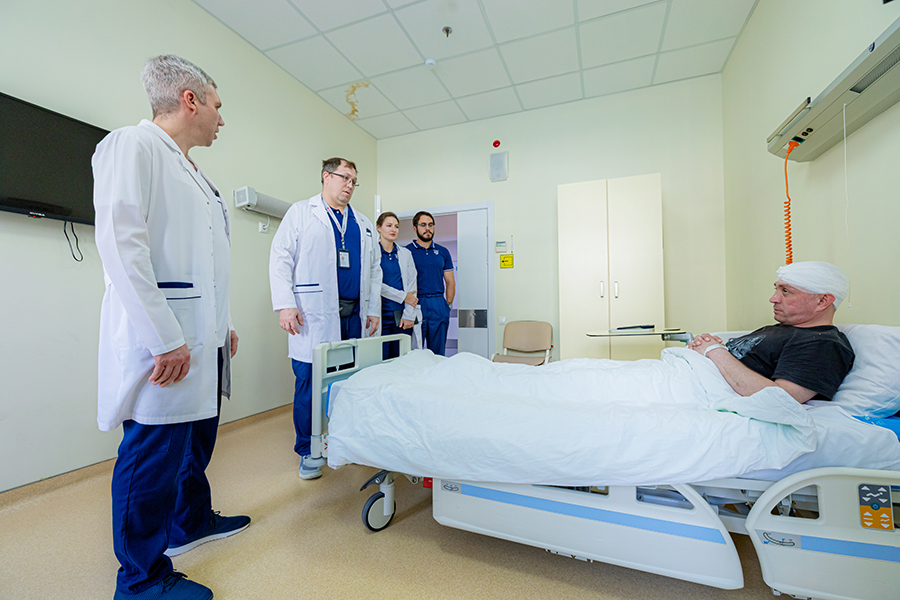
— Previously, in order to "definitely accept someone," polyclinic doctors prescribed several referrals to different hospitals at once, — the department explained. — This created a huge amount of "empty" document flow and a false picture of the queue.
Currently, one digital application replaces several paper referrals at once — hospitals see the patient in the system and compete for him, and the final referral is formed automatically.
A hotline for hospitalization has also been launched in Moscow. Most of the appeals help to quickly solve problems if the patient is faced with a delay in informing, the Department of Health indicated.
Переведено сервисом «Яндекс Переводчик»
