The Road to Life: how the supply groups break through to the front line


During its time, the logistics of the front line has completely changed. Where supplies could be brought by trucks in 2022, today it is difficult to drive up even on a motorcycle. New "professions" have appeared — foot carriers, buggy shooters, motorcycle delivery drivers. And on May 29, the day of the military motorist, it is impossible not to mention the numerous car drivers who overcome the dangers of the frontline roads every day. Izvestia went to the supply groups of the 56th Separate Special Forces Battalion, the legendary Khan, and the 51st Guards Army of the Center group of Forces to see how the supply units are working today.
The Hornet plane
Today, dangers await on many roads of the Donetsk People's Republic. The range of Ukrainian strikes has increased significantly after the Ukrainian Armed Forces received new aircraft-type UAVs. They became known as "The Martian", which was used in the press for several Western projects. The most common Hornet model is known for its resistance to electronic warfare, speed, and ability to follow terrain at low altitudes, probably using AI functions.
After driving away from Donetsk, at one of the points of the conditional division of roads into frontline and civilian roads, we stop to put on body armor, equipment, take out of transport cases and equip guns. Around them, cabbies and shooters from cars are doing the same, streaming in both directions: some with a smile wipe off the dust of dozens of steppe roads from gray faces and glasses, shake off masks and drink water with pleasure after hours of shaking in gear in 30-degree heat in bodies and cabins. Others are anxiously looking ahead, looking for smoke on the horizon, following the gestures of those approaching and trying to understand the nuances of the situation, which changes every day.
These guys only have to go to the points they know ahead, unload the supplies, pick up their own for rotation and walk the same road back a second time. Acquaintances greet each other briefly, the shouts of the commanders can be heard, someone is rushing the necessary equipment from the conventionally rear vehicle to the buggy, which will go on.

We quickly pass the first fresh corridors from the anti-theft networks. The idea comes to mind that they began to be built much deeper into the rear, as well as air surveillance points. Ahead, we see the "loaves" stopped and the fighters scattering along the side of the road. At the same time, a pair of machine guns, or two shooters, or a twin installation are choking with long bursts on one of the air defense units, but it is clear that they are shooting at aerial targets. By the way, the expression "choke" in relation to machine guns came from water-cooled Maxims, which had to be "watered" in time, and in the anti-aircraft version the cooling was forced.
With an escort officer, we quickly take up positions by the road, and colleagues with cameras take cover for filming. Several soldiers jump after us from a stopped minibus, and we can hear them being ordered not to cluster around the car and disperse to opposite sides of the road. In a few seconds, a dozen different trunks look up at the sky, people turn their heads and listen to the familiar screech of FPV propellers, but there is silence around. And at that moment, at an altitude of less than a couple dozen meters, the same "Hornet" that the fighters have been warning each other about for the past few weeks flies along the road quickly and without the characteristic sound that everyone was waiting for.
Someone shouts first: "Plane along the road!", and with a split-second difference, everyone opens fire — some in pursuit, and someone else manages to meet them, and after a couple of seconds everything ends. In the silence along the road, among those standing, it is reported that someone further saw the plane go into the fields. Everyone froze and waited for a possible U-turn and a UAV approach to one of the parked cars, but this did not happen for the next few minutes. Someone is the first to order their own people to load on the cars, and to raise my spirits, I put forward the theory that after such a bombardment from the ground, the drone could have fallen into the fields. A minute later, there is only dust ahead from those who have left, and around the turn to the PVN, because of the camouflage net, the machine gunner gives a thumbs-up: the sky is clear, you can go on, to the next checkpoint.
How are the pick-up groups preparing for departure?
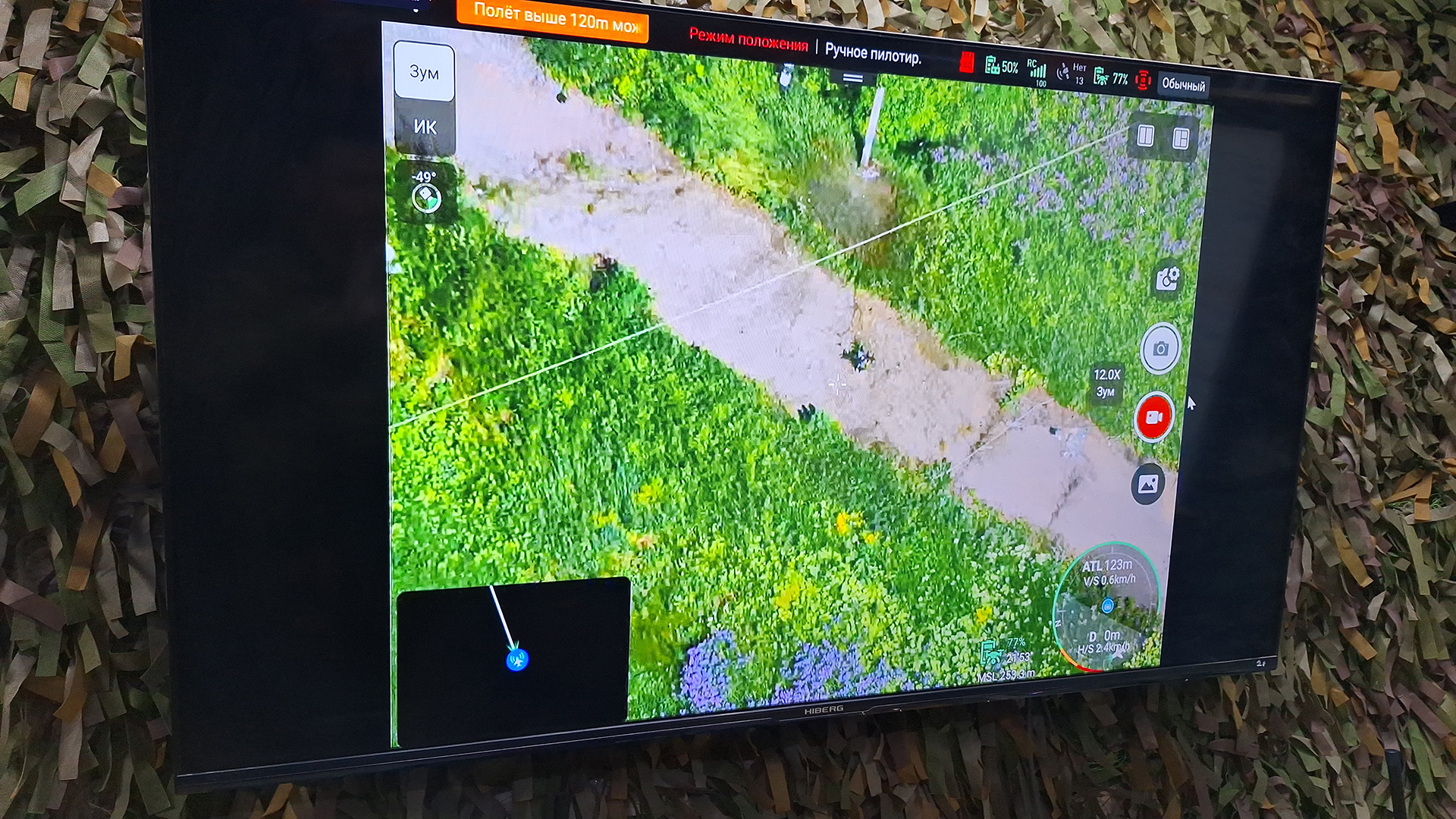
The work that has become standard for most units is underway at the command post of one of the units of the 56th General Staff. Broadcasts from different UAVs alternate on the big screens. One of them shows a close-up broadcast of an enemy waiting drone on the road. Such drones are covertly planted near the places where our equipment is moving, and then they conduct surveillance in an economical mode, waiting for the car to arrive in order to take off and strike with a quick "jump" while the arrows look for threats from the sky. Our FPV drone is already aimed at the target to clear the route, and we hear reports on the time of approach until an explosion appears on the screen. This is one of the many threats, along with remote mining and all types of enemy attack UAVs — even if you drove along the frontline road an hour ago, this does not mean that you know it. A lot could have changed there.
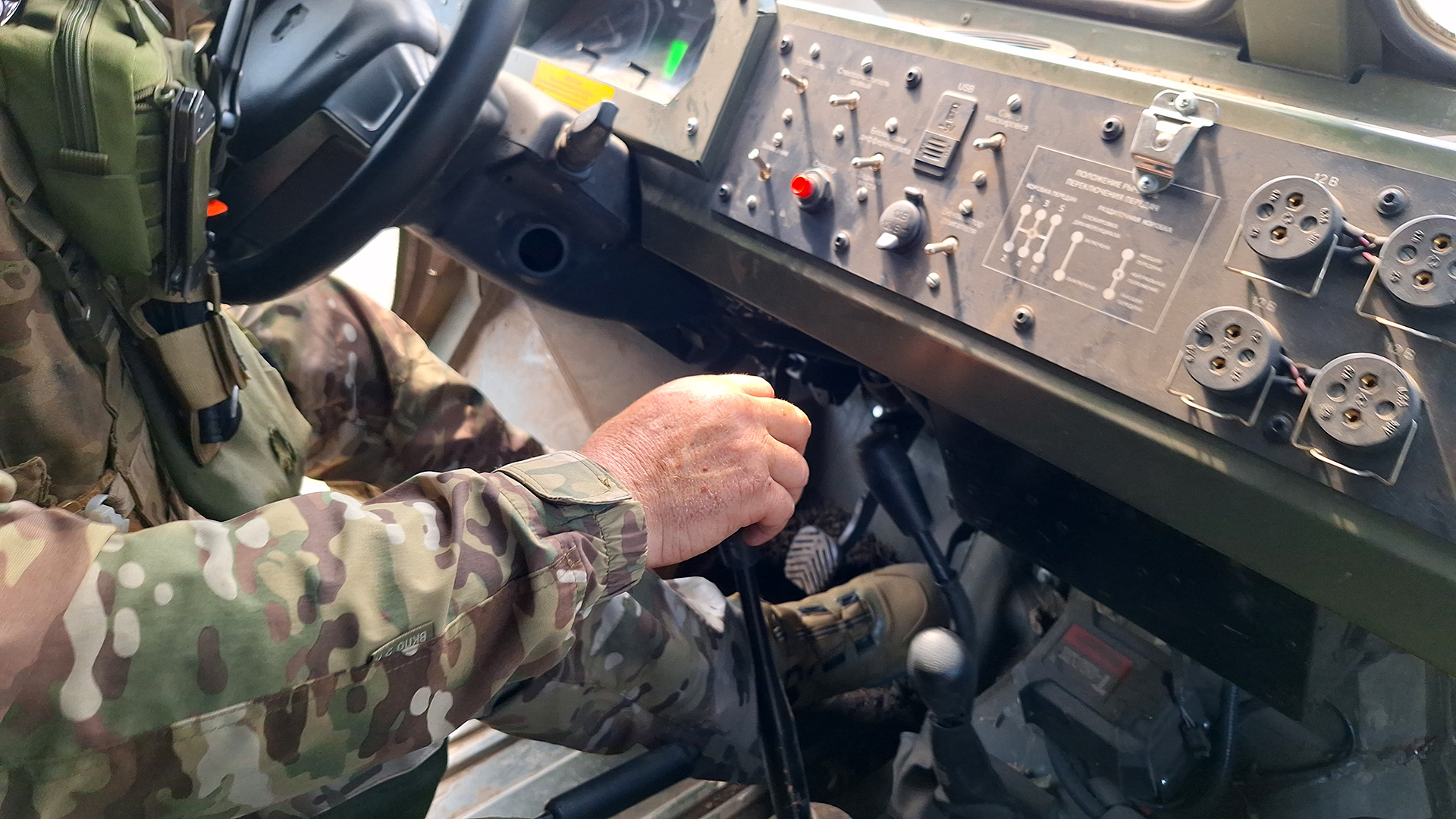
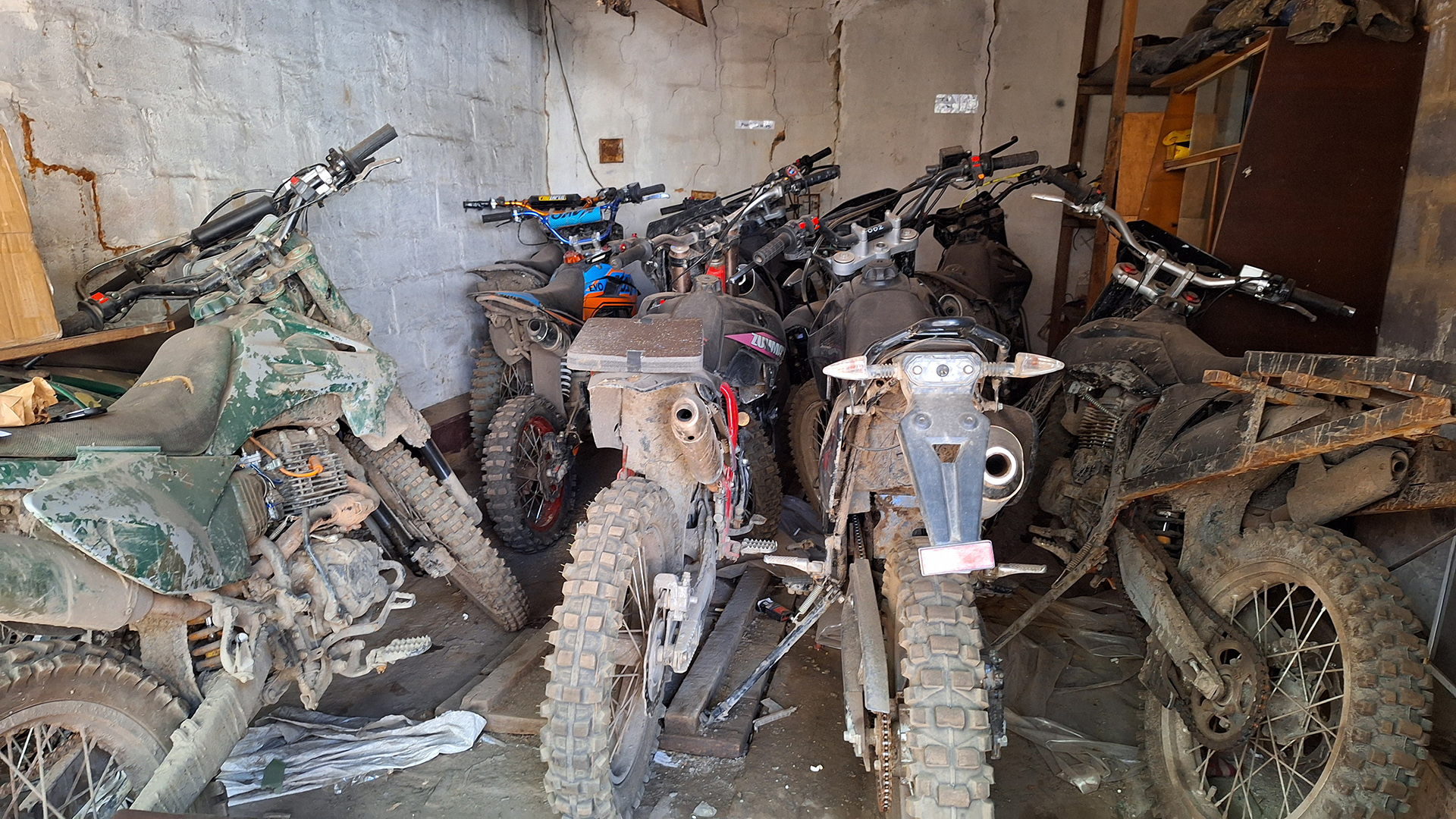
More than 10 different motorcycles are serviced near the control center: from heavy all-terrain vehicles based on Soviet models to light electric pitbikes. Each task requires its own technique. We are looking with interest at the new UAZ, which immediately came in a full anti-shatter shell. This car is not suitable for the near frontline, where closed cars have not been used for a long time, but it is a very necessary thing in conditions of tens of kilometers of "medium" danger roads.
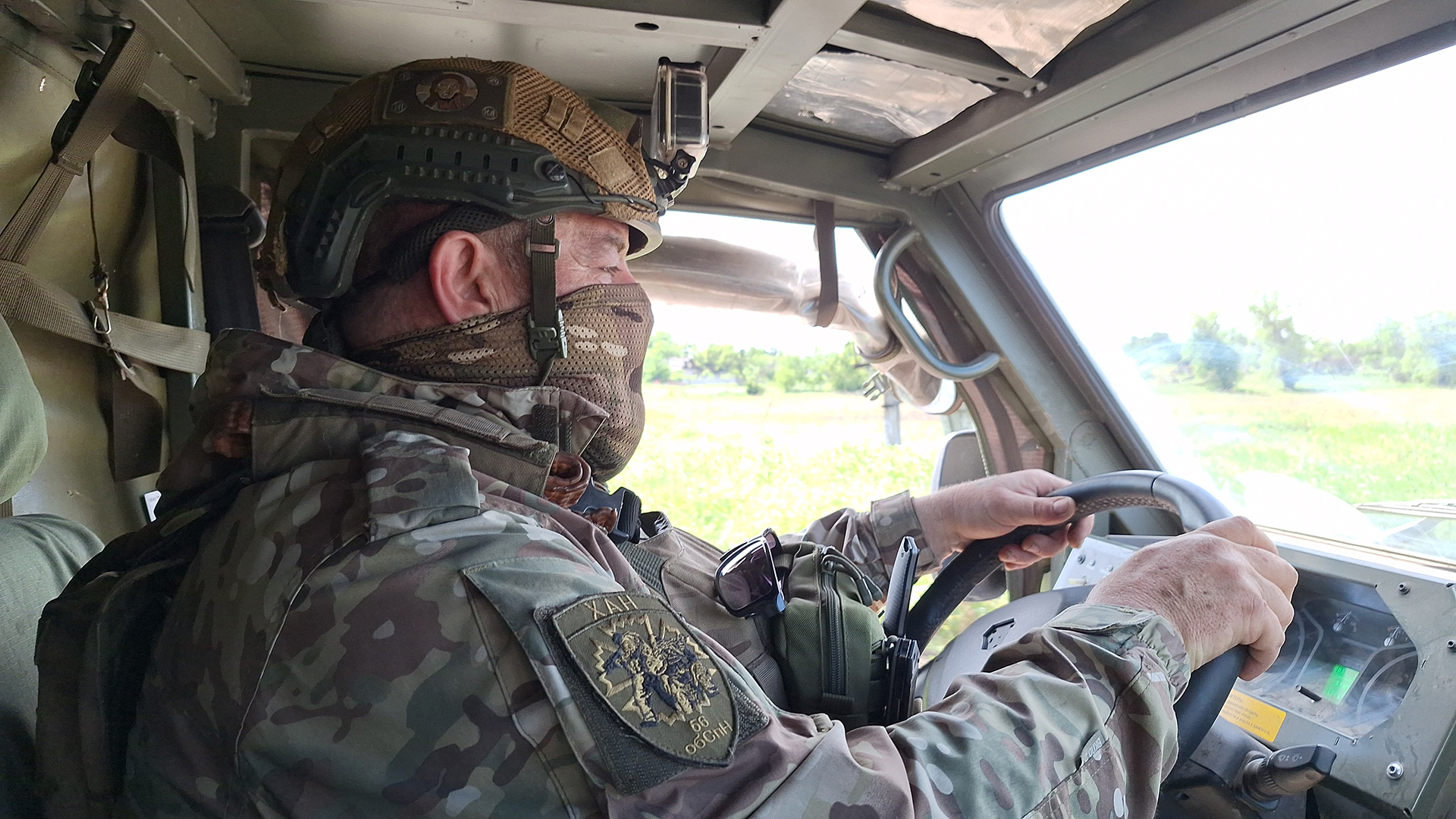
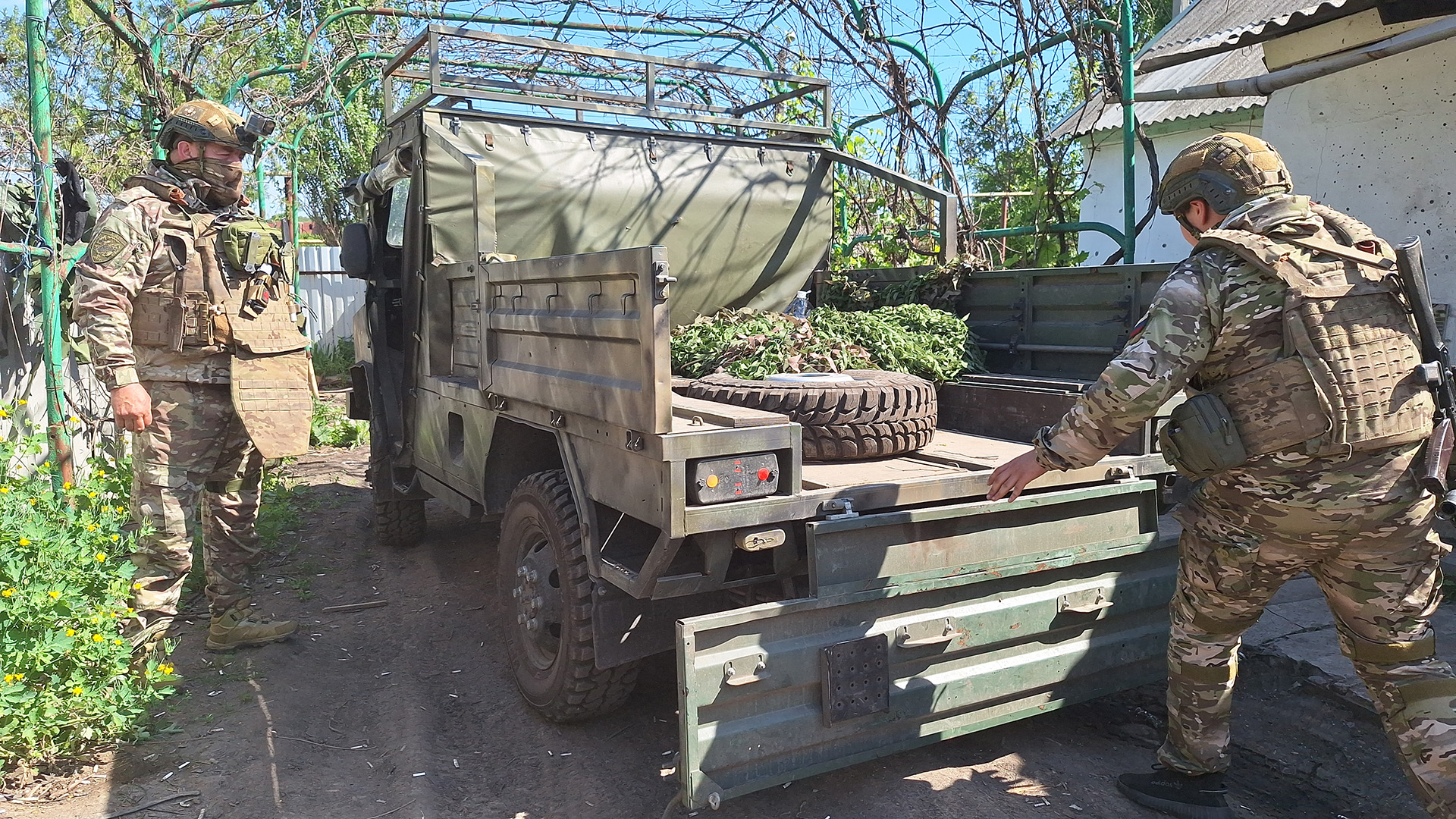
A pick-up group for Ulan-2 is being prepared for departure further towards the front line. Two shooters load water and ammunition into the truck. The driver is the hero of one of our previous reports on the supply line of Migut. Izvestia reported that on one of his trips, being slightly wounded himself, he carried one of the shooters to the evacuation point. However, the situation has changed, and unlike last fall, it is no longer possible to travel with a pick-up group to their final destination. We'll only cover a small part of the route together.
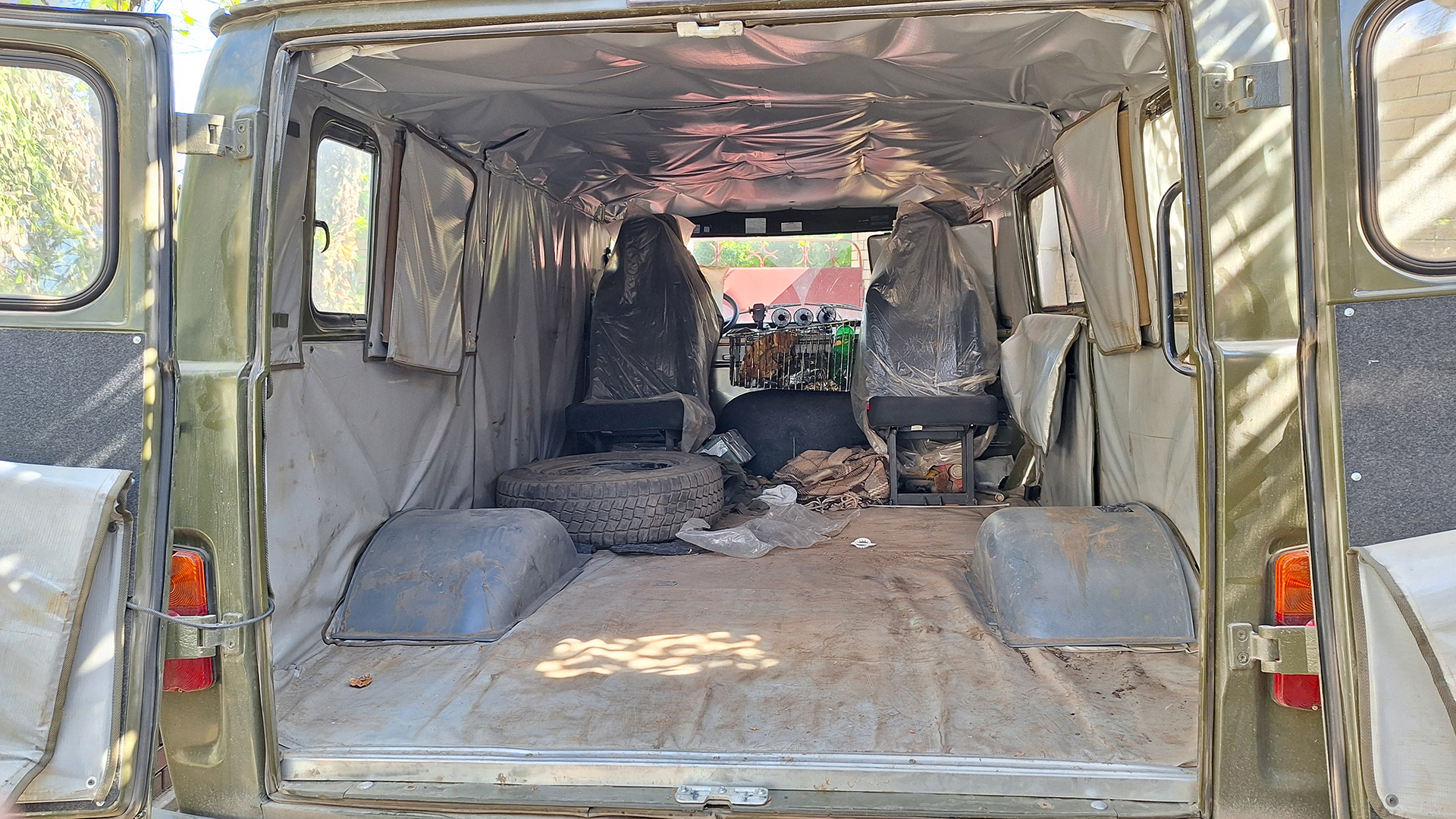
— In the year since our trip, the enemy's drones have changed. There's a new Hornet. Very dangerous. We've already been hit by them, but thank God we're all alive and injured, but we're all back in line and we're still working. And the road has changed. Where we're driving now, you can't accelerate like that and you can't drive fast, and there's also a danger when the car slows down. So it became a little more difficult, although in general everything is the same. Our cars are changing, my last one is under repair, this car is bigger, the Ulan—2 is more powerful, and the cargo volume is larger. But we try to carry the cargo in parts anyway, because it's dangerous to lose it all," Miguta says on the move. The more powerful Ulan-2 allows you to take two shooters in the back, who cover different sectors. In Niva-sized machines, there is usually only one shooter.

Our interlocutor hails from the Krasnodar Territory and began his journey in hiking groups in the battles for Peski and Vodiane. After the advent of ATVs, he volunteered for delivery, and then went all the way through the changes in the frontline logistics of the following periods of the special operation as a driver. As for most of his colleagues in "small" logistics, for Miguta, driving is not his first military specialty.
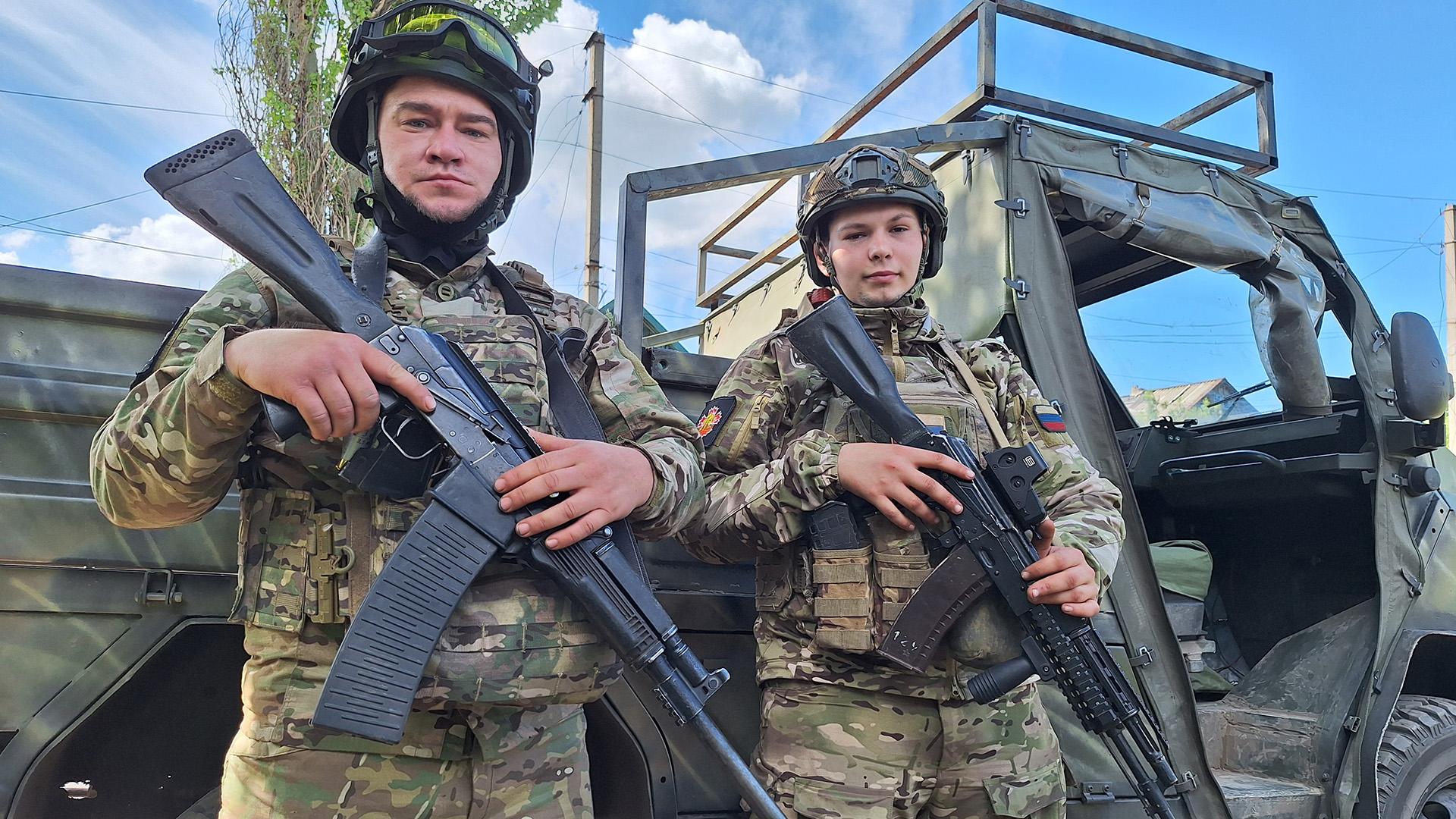
— I want to say one thing to my comrades and colleagues for the holiday: always return from departure alive and well from your flight! This is a very dangerous job, because when a drone attacks, the driver may be the last to jump out of the car," Miguta addresses his fellow drivers.
Speaking about the intricacies of working on the roads of the frontline, Miguta tells how important it is to constantly exchange gestures, and if the situation permits, a few words with those driving towards them and the arrows on the frontline. We quickly became convinced of this both from our own experience and from the video recording of our interlocutor's trip. But I would like to add one more thing, the most important: for many of our own stops on the highway, many kilometers of roads, we do not hear drone fear in the stories of drivers and shooters. Everyone understands the threat, everyone understands the danger, but we haven't seen a single panic attack all day. From sappers building barriers from nets along the roads to shooters in the back, everyone knows what they are doing and they act competently and coherently.
Переведено сервисом «Яндекс Переводчик»
