They removed it immediately: "The Devil wears Prada 2" will not repeat the success of the first film.
- Статьи
- Culture
- They removed it immediately: "The Devil wears Prada 2" will not repeat the success of the first film.


The sequel "The Devil Wears Prada" has collected almost half a billion dollars at the global box office and is now being unofficially broadcast in Russian cinemas. 20 years later, not only Hollywood superstars have returned to their roles, but Meryl Streep is still being dubbed by Evelina Khromchenko. And the film itself is stuck in timelessness, crudely nostalgic for the days of glamour and grumbling about the era of social networks, AI and influencers. The main character is once again played by Anne Hathaway, who will release four more films this year, including Christopher Nolan's Odyssey. Izvestia watched the film and honestly tried to understand why it was necessary to shoot it.
Who plays "The Devil Wears Prada 2"
The story in the 2006 film "The Devil Wears Prada" seemed quite finished. Yes, the book had sequels, but it was difficult to imagine that sequels would be made based on them. Perhaps that's why they didn't exist. Meryl Streep made it clear that she wasn't too interested. She generally tries not to return to once-created images. But either the fee worked this time, or there were few interesting offers, Streep was persuaded to become Miranda Priestly, the editor-in-chief of the glossy Runway magazine. Both the authors of the first film and the entire main cast returned with her: Anne Hathaway, Emily Blunt, Stanley Tucci and Kenneth Branagh. They were joined by Lucy Liu, plus Lady Gaga got an impressive cameo.
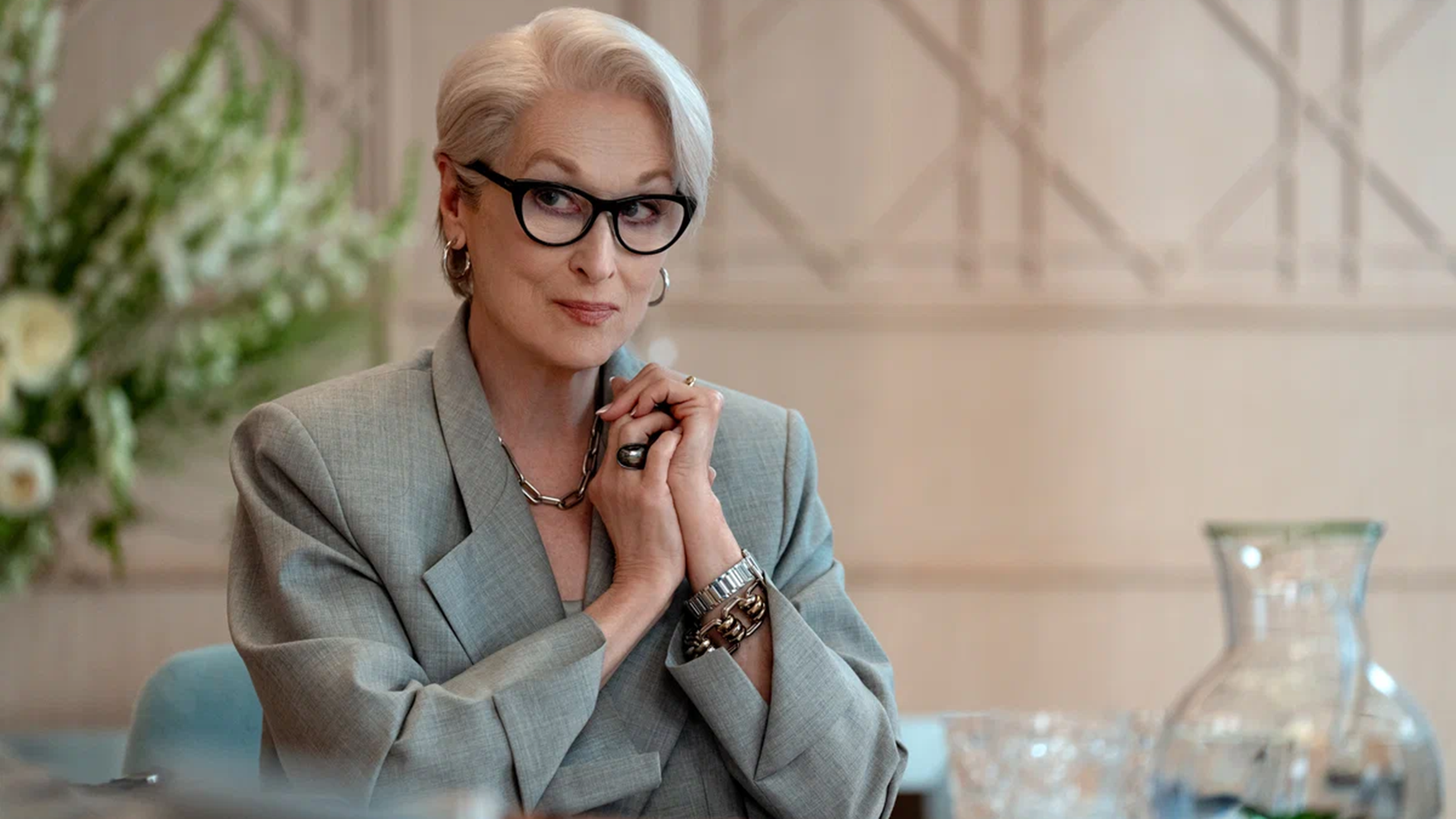
I want to add "for some reason" to almost every phrase here. For some reason, they called Lucy Liu, who was given a minute and a half of screen time and a completely uninteresting image. For some reason, Bran, the biggest artist, is just serving his three and a half scenes here. For some reason, Streep, who hardly needed this movie. For some reason, the sequel itself, without which everyone lived fine, but when the trailer came out, which collected 222 million views in the first day, it turned out that the audience was eager for a sequel.
The release itself also proved to be in demand: in two weeks of worldwide distribution, the second "Devil" far surpassed the total fees of the first part, its box office is approaching 500 million dollars. And yet this damned "for some reason" does not disappear even while watching with a jubilant audience.
What is the movie about
The plot of the second "Devil" is quite schematic. The heroine of the first film, Andy Sachs, worked in "serious journalism" for 20 years, but right during the presentation of the next award for journalism, she finds out that she and her colleagues are being cut. Sachs is stressed, but suddenly she is offered to return to Runway after all these years and take up a position there, which in Russian could be called "editor of the cultural department." We need to generate ideas, produce and write our own longs, do interviews and come up with all possible formats to attract an audience.
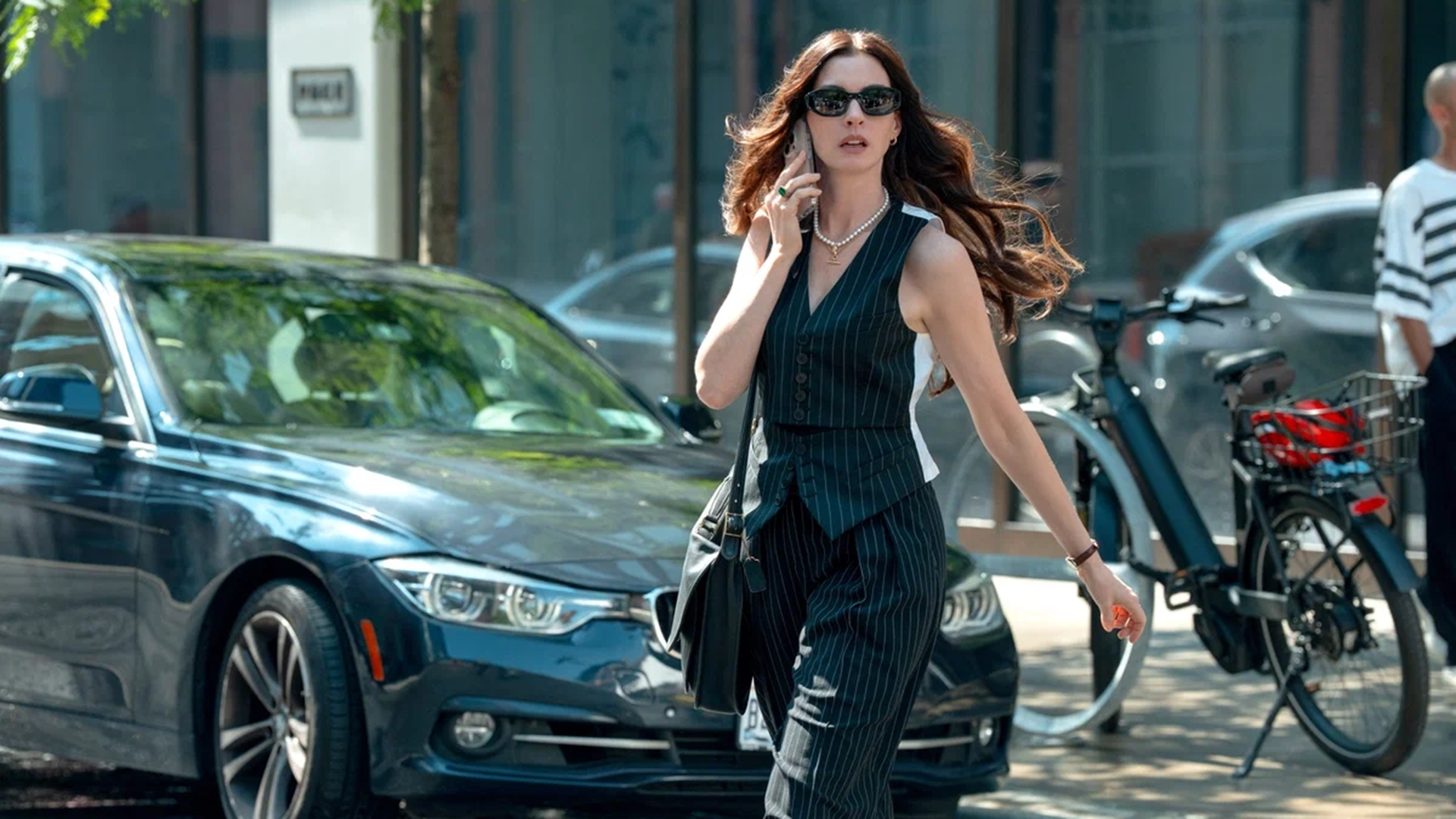
It's a good position, but there are a few problems. First of all, editor-in-chief Miranda Priestly can't stand Andy Sachs and considers her a temporary problem. Secondly, Sachs and Priestley have completely different understandings of their tasks. "I've spent half my life figuring out what people need to know, and now I need to figure out what they want to click on," Sachs complains. Thirdly, and most importantly, both Sachs and Priestley really have no idea what to do to ensure that the renowned brand with a long history retains its position in the market.
It is the latter fact, and not editorial intrigues at all, that becomes the main theme of the new film. The characters live with a feeling of total apocalypse. Paper editions are dying. Nobody reads longs. Bloggers and influencers are crowding out the professional press. The culture of consumption is rapidly changing. Fashion has more or less kept up with it, and retail brings in decent money. But the reflection on fashion, that is, the glossy media, is agonizing and losing its audience. Not only will we constantly hear about cuts here, but we will also meet teams of crisis managers, and we will see how some nouveau riche are urgently trying to sell unprofitable assets to others.
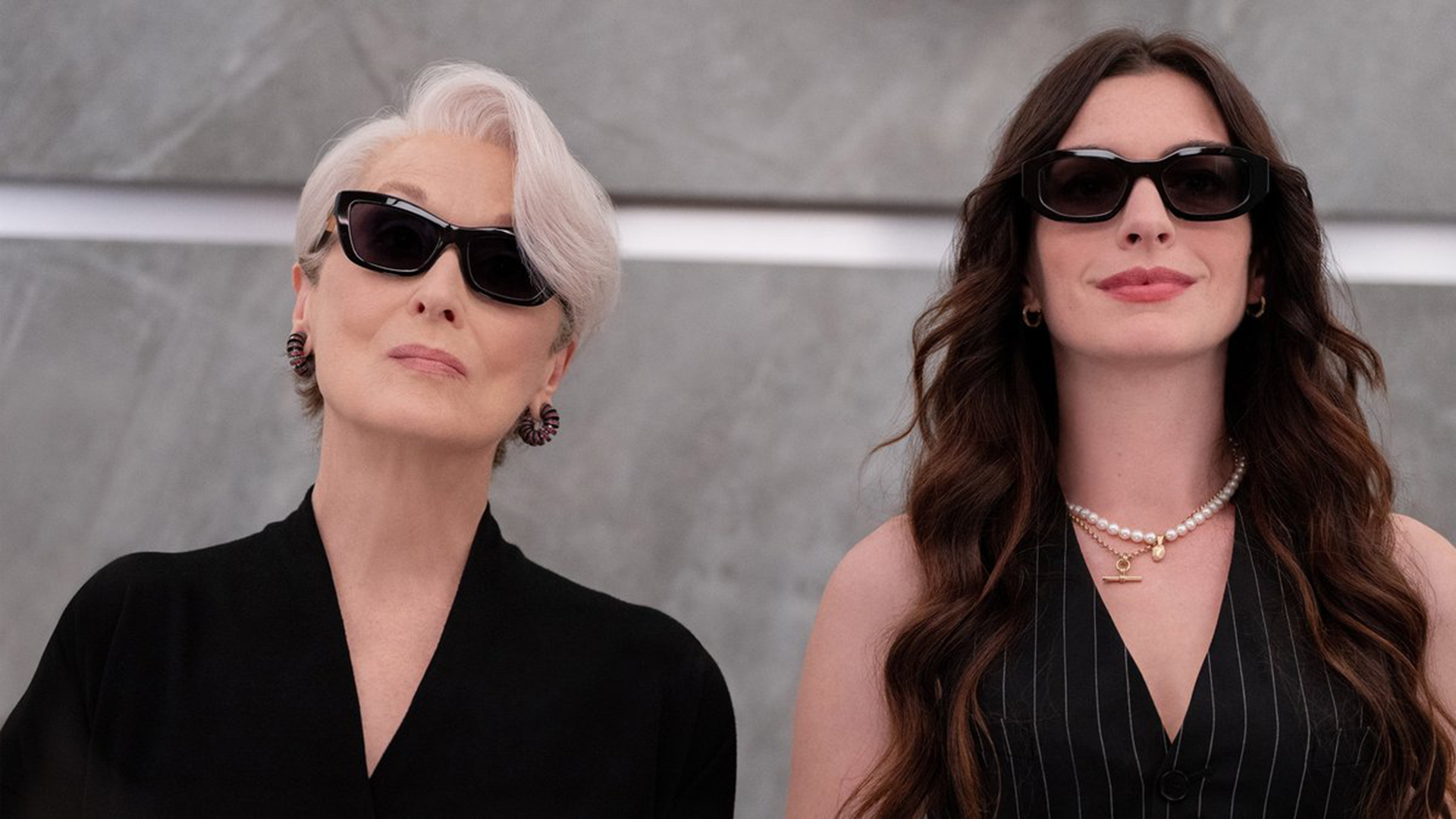
"The future is rolling in on us like lava on Pompeii," one of the characters aptly remarks. And it's all fair.
The film was criticized a lot after its release. For the fact that Andy Sachs, who supposedly has been a serious journalist for many years, behaves like a simple-minded intern from the provinces. And that the elderly Miranda wants another promotion for some reason, although it's unclear why she cares so much. Everyone here seems childish and unconvincing, but maybe it's just a metaphor. This is a look at themselves of not even one, but several generations, who suddenly realized that their whole world had broken down, hierarchies had been destroyed, the future was unclear, and everything was going somewhere deep down. And nearby there is a growing growth that is doing something with its gadgets, but what exactly and why is unclear, there are no tangible fruits.
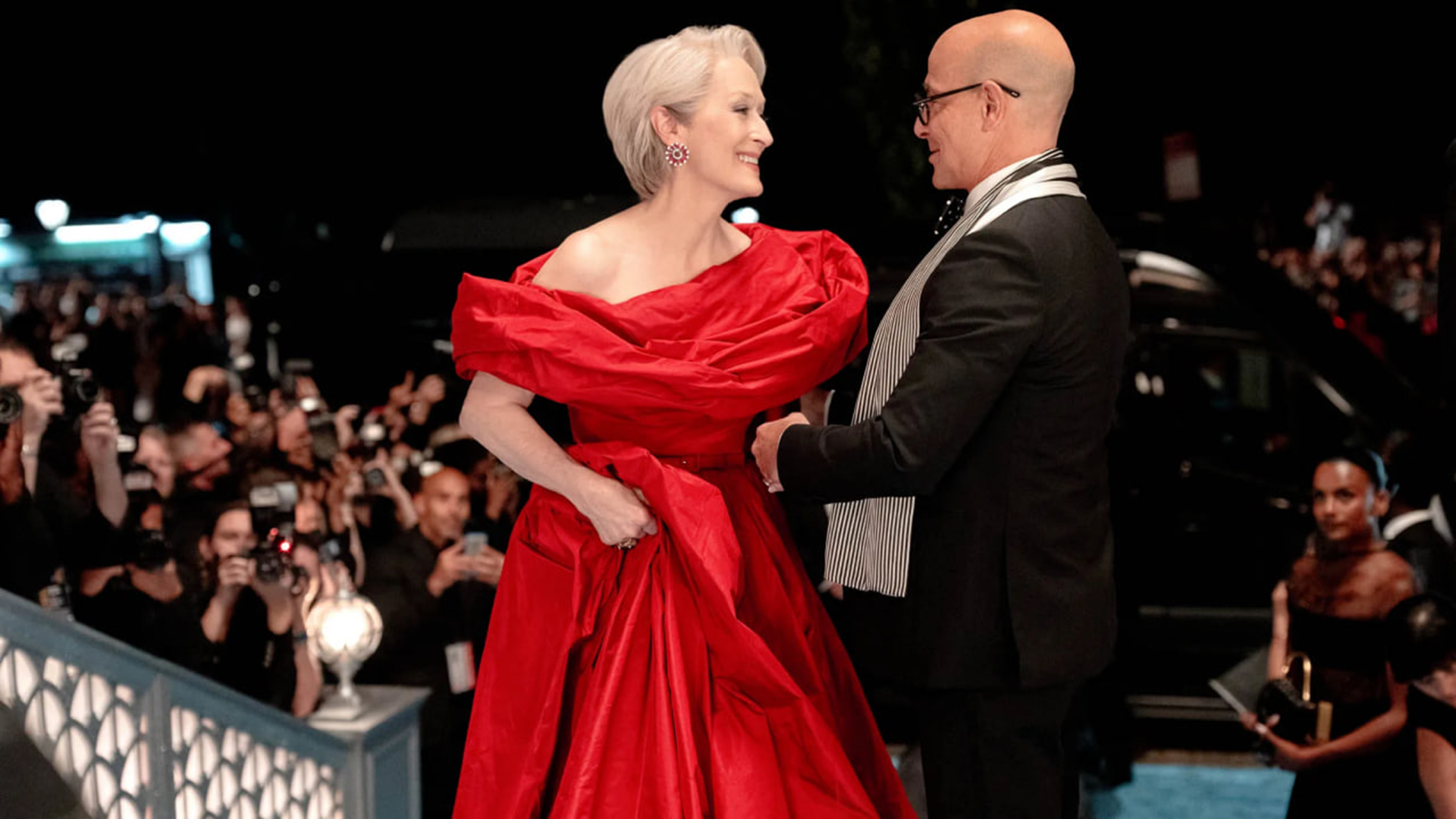
And now the representatives of the "decommissioned" generations are grasping at the straws that they understand. Andy thinks that if he interviews a hard-to-reach millionaire, he will immediately become an indispensable employee (any journalist will just laugh when they hear about this, but this is not a movie for them. Or for them?). Miranda is sure that if you can bargain for the return of your former status as a fashion goddess for a while, you can rule forever. Emily is convinced that rich daddy is a guarantee of a comfortable future. But these are all illusions, the wheel of samsara, in which both the characters and the target audience of the second "Devil" are stuck, that is, those who went to the cinema for the first one.
The most concise statement of the idea of the film is Andy Sachs' remark: "I'm not married. And my children are at the clinic on 85th Street. Frozen eggs. But I like to think of them as my little ones Chip and Esther." These characters "like to think" that they can still control something, but we see how the real masters of life kick their hermetic world, like children fed up with the game — an old rubber ball. Not particularly attractive, but you have to kill time somehow.
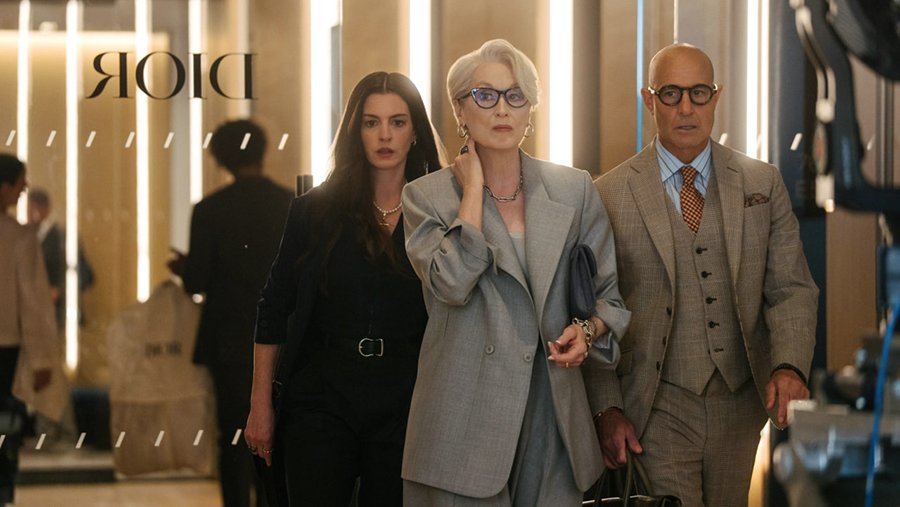
"The Devil wears Prada 2" is set up like a fairy tale, where Andy is a kind of Disney princess, they even gave her some kind of prince, he knows how to reformat historical buildings for elite residential complexes and runs to greet Hugh Jackman, who will not be shown to us anyway. But it is clear that this is also a "passing nature", and the present already belongs to someone else. Moreover, we won't really see this "someone" here. This film is similar to the text from a school English textbook, where in a letter friends are informed that they could not call because they could not find a coin for a payphone. Schoolchildren have not understood what this means for a long time. And those who understand know that the devil, of course, wears Prada, but his time is also gone, and only Miranda Priestly and her well-dressed entourage will remember him.
Переведено сервисом «Яндекс Переводчик»
