
Order ribbons: why WWII demanded the establishment of new awards

The Great Patriotic War was an unprecedented ordeal for our country. Complex issues of public administration, rallying the nation around the army and navy, and inspiring our soldiers were solved with various tools, including through the establishment of new awards. This was required by the colossal scale of battles, different from all previous conflicts, and the mass unparalleled courage, heroism, and self-sacrifice of Soviet soldiers. About which orders appeared during the war, and about some of their owners, in the author's material of the rector of the Russian State Social University (RGSU), academician of the Russian Academy of Arts Andrey Khazin.
Why did new orders appear during the Second World War?
Before the German attack in 1941, the Soviet Union already had three orders for awarding military merit: Lenin (the highest order in the USSR, awarded for labor achievements), the Red Banner and the Red Star.

Rector of RSSU, Academician of the Russian Academy of Arts Andrey Khazin
For performing feats of a special level, the highest degree of distinction was established — the title of Hero of the Soviet Union, with the award of the Order of Lenin and (since 1939) the Gold Star medal. Medals "For Bravery" and "For Military Merit" were also awarded. This number of awards, each of which could be awarded repeatedly, was quite enough to reward distinguished participants in pre-war regional conflicts and liberation missions. But during the Great Patriotic War, the unprecedented mass heroism of the defenders of the Motherland and the scale of military operations required new, non-standard solutions.

Order of the Patriotic War
The first award of the war period was the Order of the Patriotic War, established on May 20, 1942. For the first time in the history of Soviet faleristics, the order was divided into two degrees (I — senior, II — junior), and its statute listed specific feats that serve as the basis for awarding. The very name of the award appealed to the glorious historical period of the Patriotic War of 1812. Interestingly, for the first time in Soviet practice, it was stipulated that the badge of the order remained in the family "as a memorial" after the death of the knight.
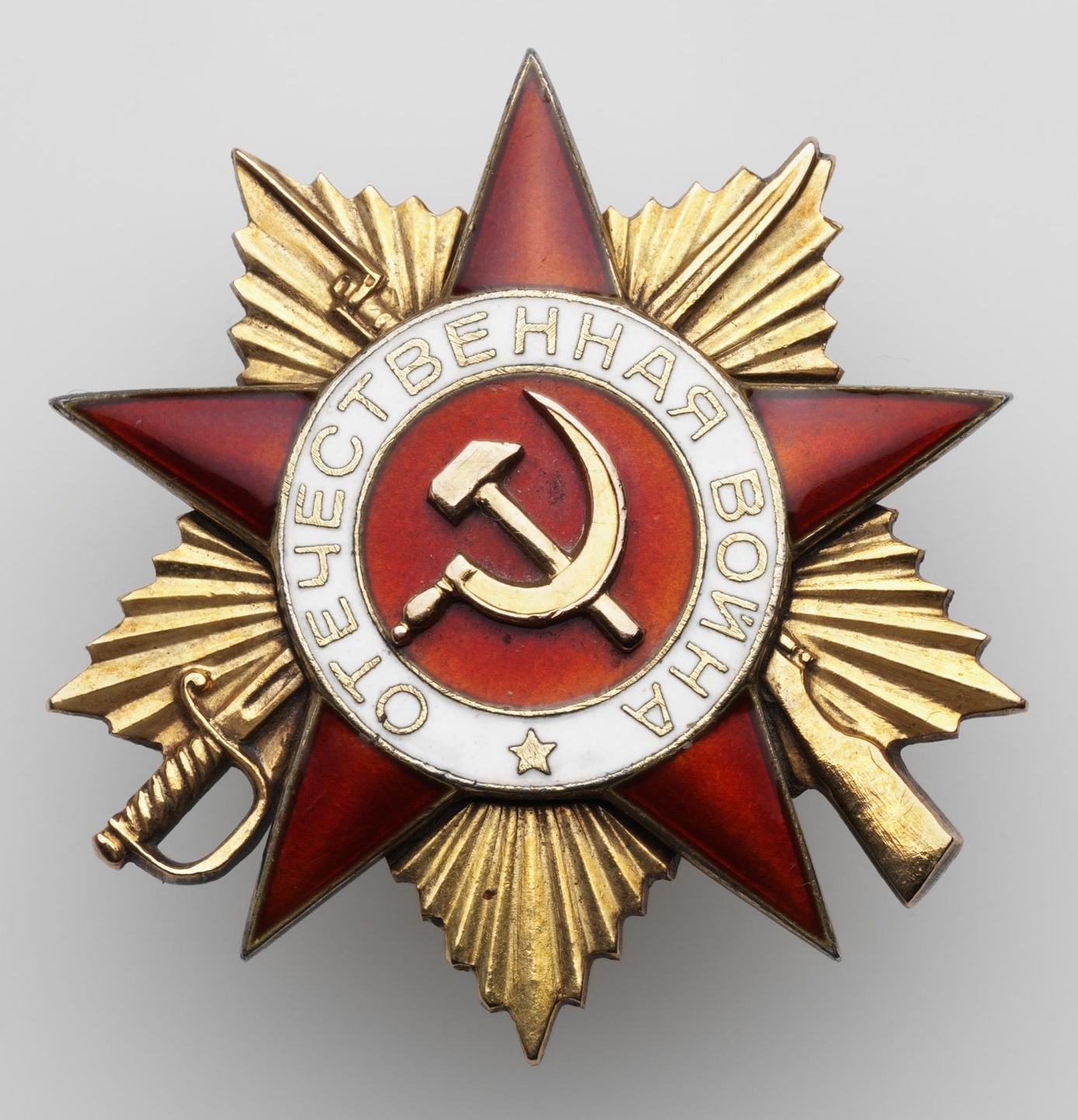
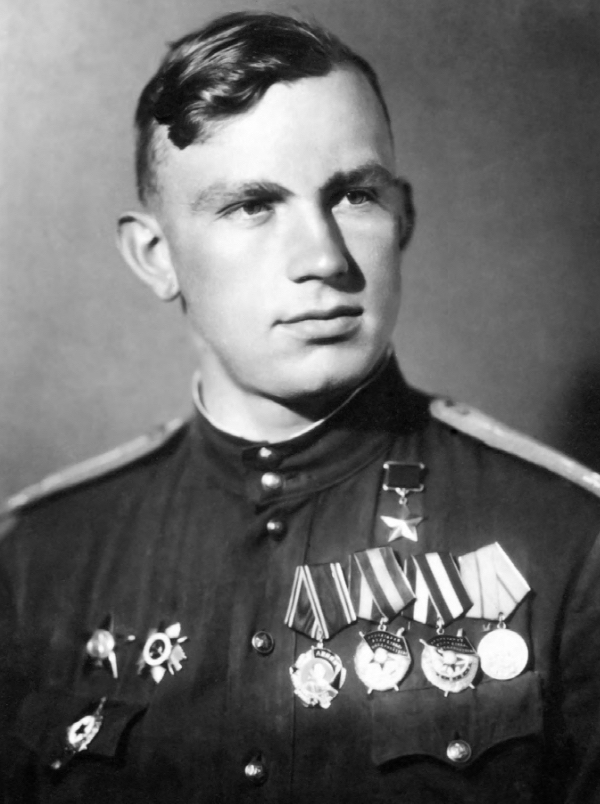
The Order of the Patriotic War could also be awarded posthumously. For example, Guard Senior Lieutenant Boris Akrestsin (1923-1944) was awarded the first degree for repeating the feat of Captain Gastello in the battles for Minsk on July 6, 1944, by directing his burning plane at a cluster of enemy troops. During the war, ramming was considered the basis for presenting the deceased pilot to the title of Hero of the Soviet Union, but in April 1944, 21-year-old Akrestin was already awarded this highest award: by the end of December 1943, the pilot had flown 381 combat missions, destroyed two German aircraft, over 40 tanks, armored vehicles and many other military equipment.
The Military Order of Suvorov
On July 29, 1942, to strengthen the morale of Soviet soldiers and the inextricable link between the commanders of the Red Army and the outstanding commanders of the past, the military orders of Suvorov (in three degrees), Kutuzov (initially in two degrees, later supplemented by the third) and Alexander Nevsky were established. Later, on October 10, 1943, the Order of Bogdan Khmelnitsky was established in three degrees.
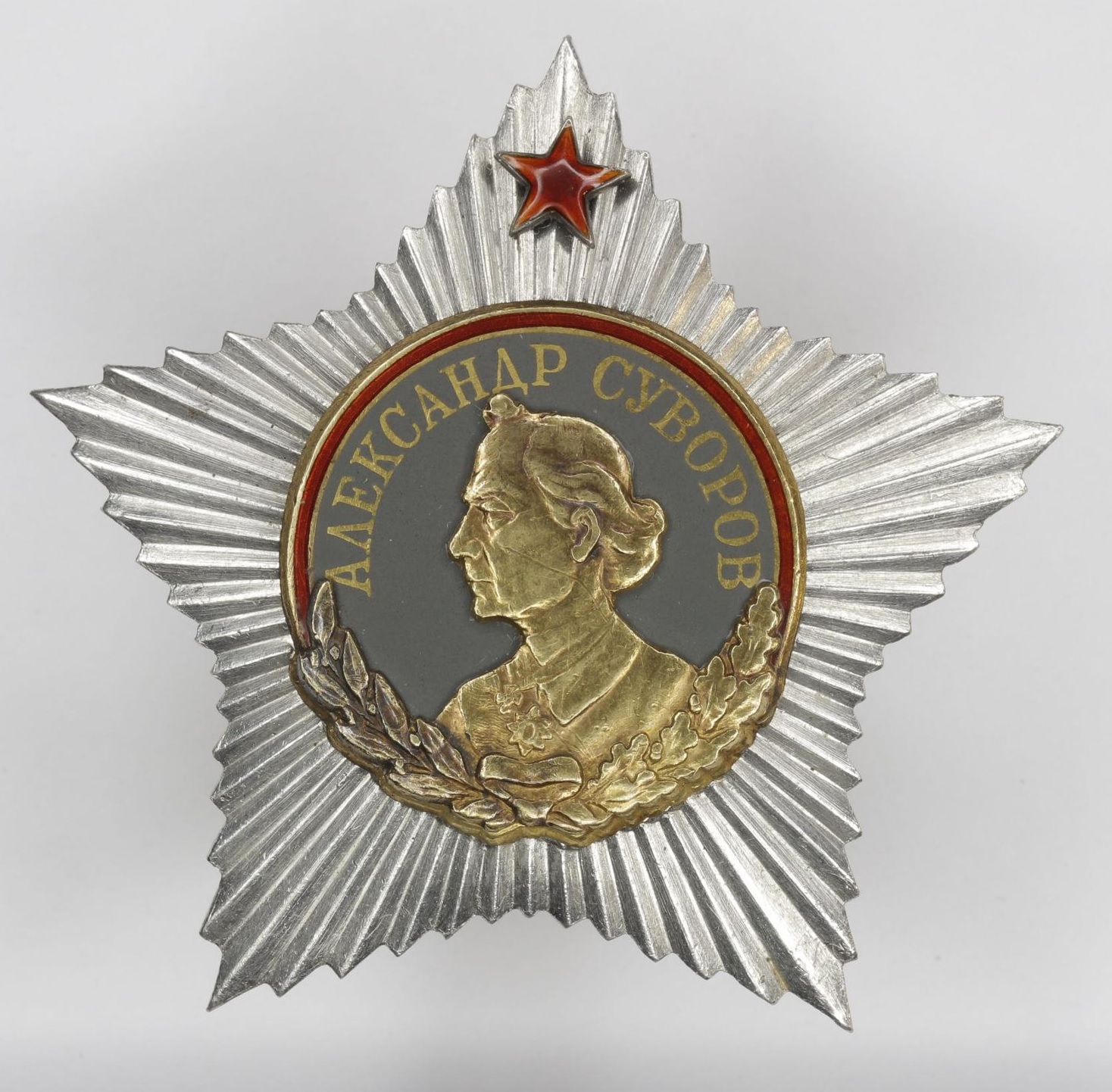
The eldest of them, the Order of Suvorov, could by statute be awarded to commanders of fronts, armies, corps, divisions, and so on for successful offensive operations. Each of the three degrees of the order, however, was not awarded sequentially, but in accordance with the size of the feat performed and the position held.
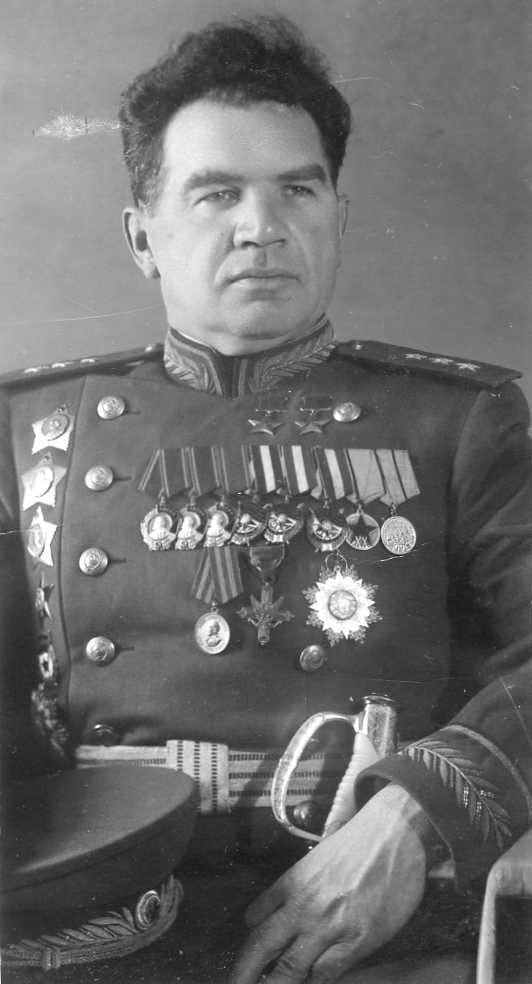
The first recipient of the Order of Suvorov, first class, was the legendary Marshal Georgy Zhukov. Like other military orders, the Order of Suvorov could be awarded multiple times. For example, in 1943, for the defense of Stalingrad at the head of the 62nd Army, Marshal Vasily Chuikov, twice Hero of the Soviet Union, was awarded this Order of the first degree. And in 1944 and 1945, he was awarded the Order of Suvorov of the same degree twice more.

Soldier's Order of Glory
On November 8, 1843, the Order of Glory was established in three degrees. Unlike military awards, this order was awarded consistently, strictly from the junior degree to the senior (with a few exceptions), to soldiers, sergeants, petty officers and second lieutenants in aviation who performed feats in the battles for their Homeland. It is important that the ribbon of the order repeated the ribbon of the most honorable soldier's award of Imperial Russia — the St. George Cross, symbolizing not only the courage of the soldiers, but also the continuity of military traditions.
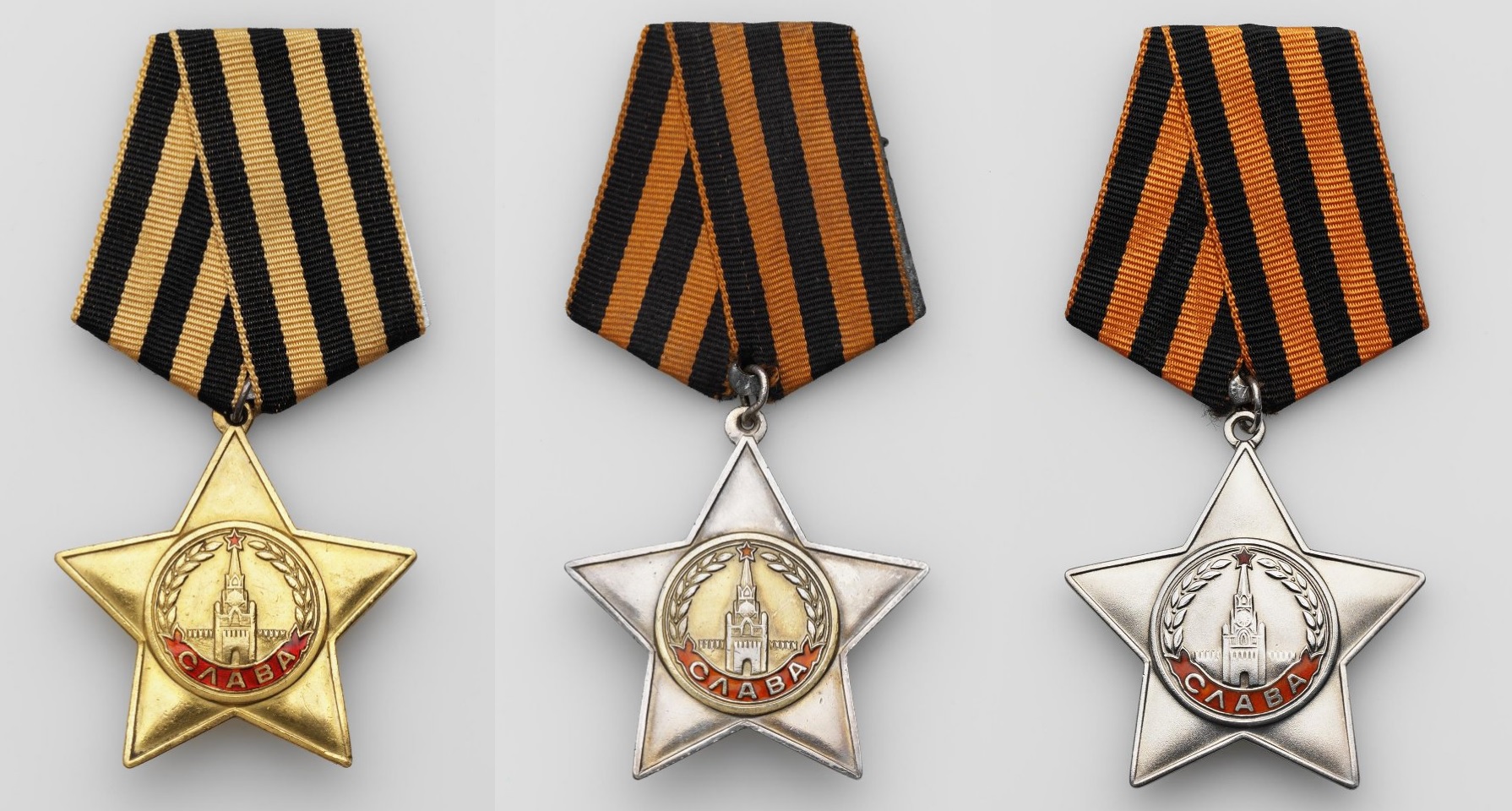
Only 2,671 people became holders of the Order of Glory of all three degrees. For comparison, 11,739 people were awarded the title of Hero of the Soviet Union for the Great Patriotic War. Many years later, the full holders of the soldier's award were actually equated with the Heroes of the Soviet Union, at least in terms of benefits.
Gunner Ivan Kuznetsov became one of the youngest holders of all degrees of the Order of Glory. In 1942, at the age of 14, he volunteered for the 185th Guards Artillery Regiment. In just four months of 1945, Ivan Kuznetsov performed three feats, for each of which he was successively awarded the Order of Glory.
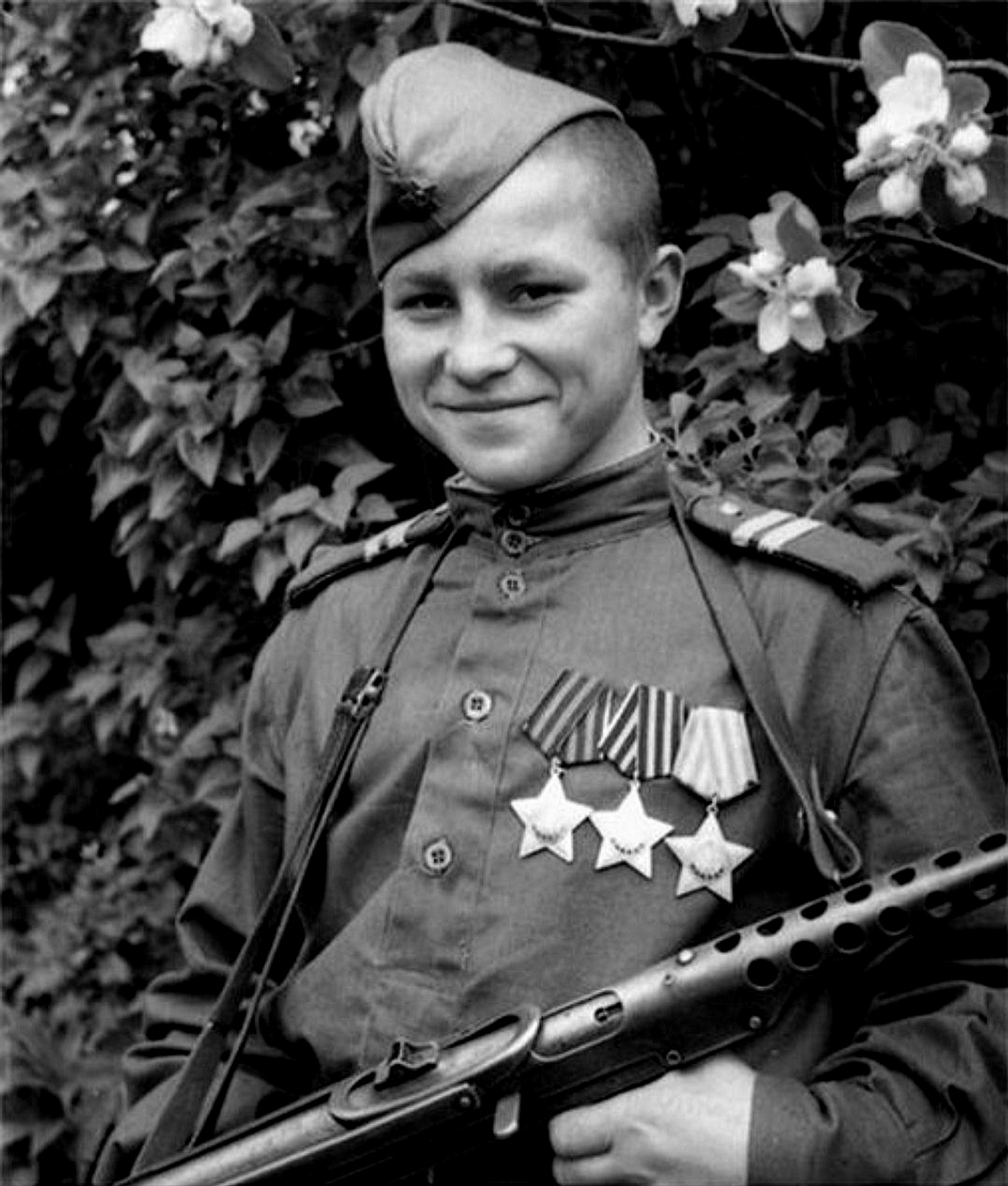
On January 15, during a breakthrough of the German defenses in Poland, despite a shrapnel wound, he continued to fire from his cannon, suppressing two enemy machine guns and destroying two bunkers. On March 12, during the storming of the fortress of Kustrin, Kuznetsov, under enemy fire, suppressed three machine-gun emplacements with his cannon fire.
And on April 25, in a battle for the suburbs of Berlin, a gun crew under his command, ignoring enemy fire, destroyed two German guns, three machine guns and a house occupied by a detachment of fascists with direct fire. The hero received the highest, first degree of the soldier's order a year later, being only 17 years old.

The Highest Military Order of Victory
After the fundamental turning point in the Great Patriotic War, there was a need for a special order to reward commanders for successfully conducting major strategic operations on the scale of one or more fronts. Therefore, on the same day as the soldier's Order of Glory, the military commander's Order of Victory was established.
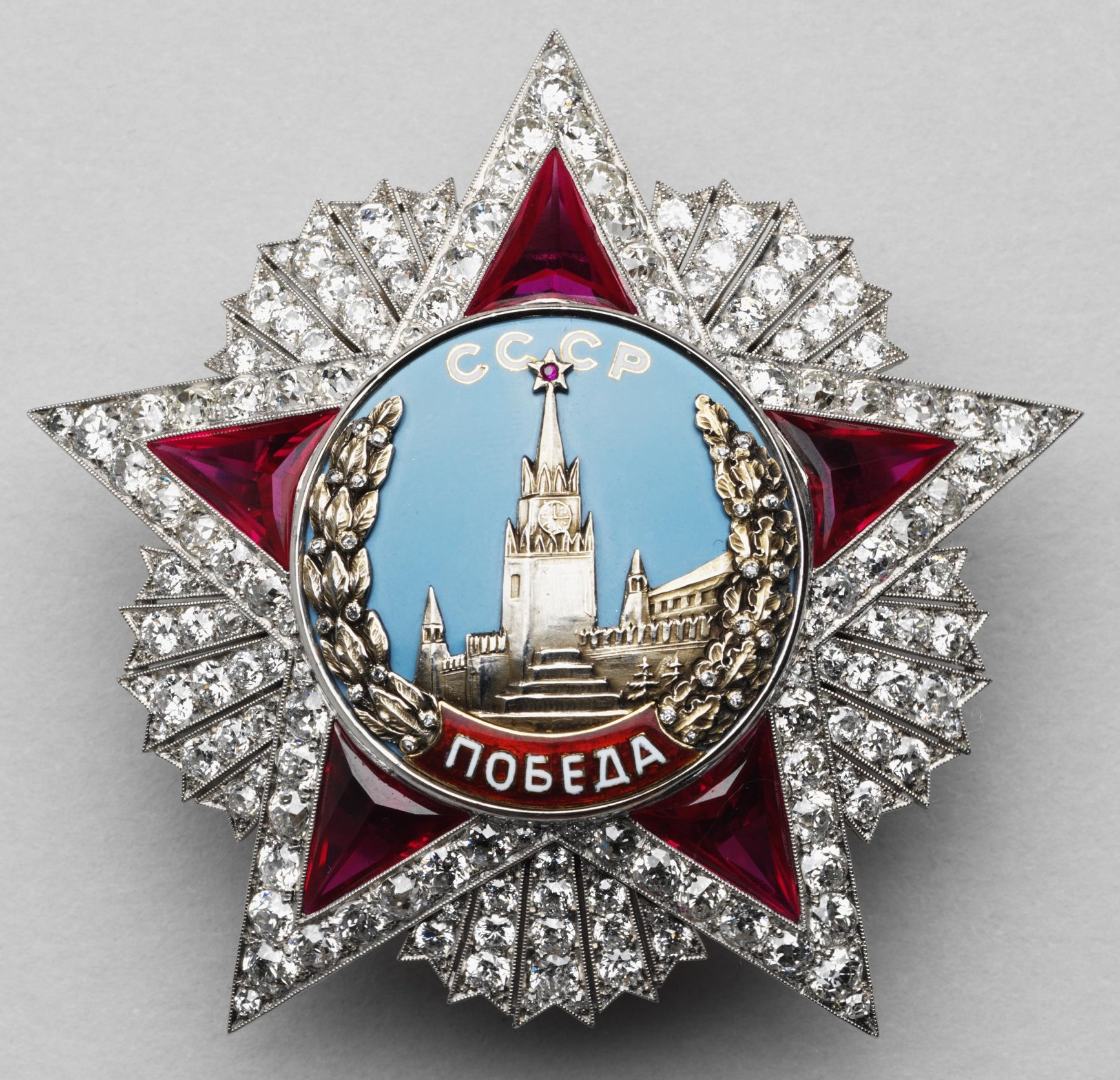
It is the most expensive in terms of manufacture and a rare award of the war years. The order was a work of jewelry art: platinum, gold, silver were used in its design, diamonds and five large synthetic rubies were mounted (an achievement of the Soviet industry). It is noteworthy that the image of the Kremlin's Spasskaya Tower as a symbol of the inviolability of defense against the enemy of the Soviet state and Moscow is used in the medallions of both the highest military order of Victory and the junior, soldier's Order of Glory. In total, in 1944-1945, 11 outstanding Soviet commanders received the main military award (among them Georgy Zhukov, Alexander Vasilevsky, and Joseph Stalin — twice), as well as five military leaders of the Allied powers.
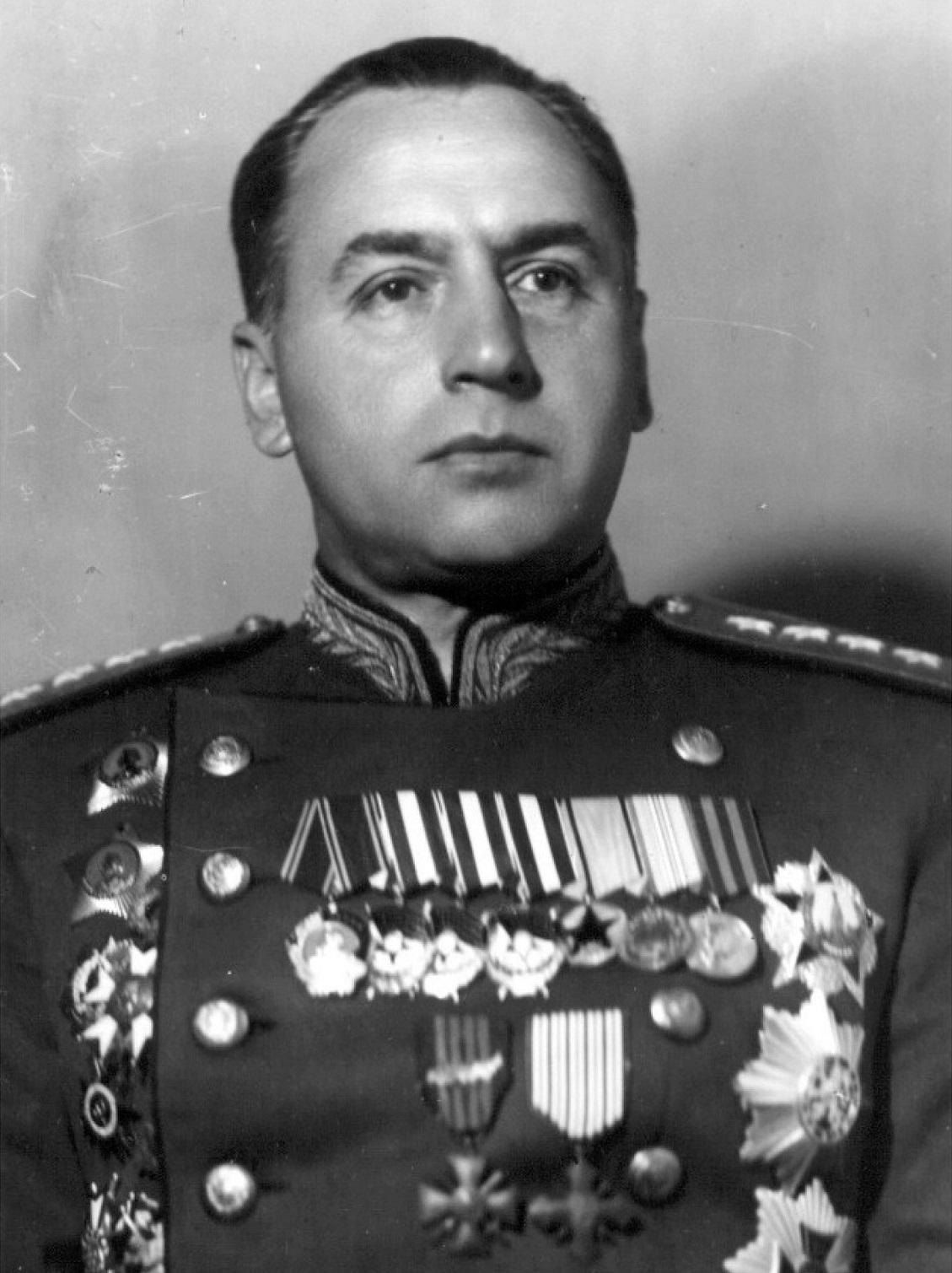
Army General Alexei Antonov was the only one of the Soviet commanders awarded this order who never became a marshal and who was not awarded the title Hero of the Soviet Union. Antonov developed plans for the Battle of Kursk, Operation Bagration, the Berlin Operation and other major battles. As Chief of the General Staff, he was awarded the Order of Victory on June 4, 1945, for planning combat operations and coordinating the actions of the fronts.

Naval Order of Nakhimov
The Soviet Navy fought the Nazis no less valiantly, but the "land" awards for naval officers were not quite suitable. A proposal was put forward to establish two naval orders at once in honor of the famous Russian admirals: Ushakov and Nakhimov.
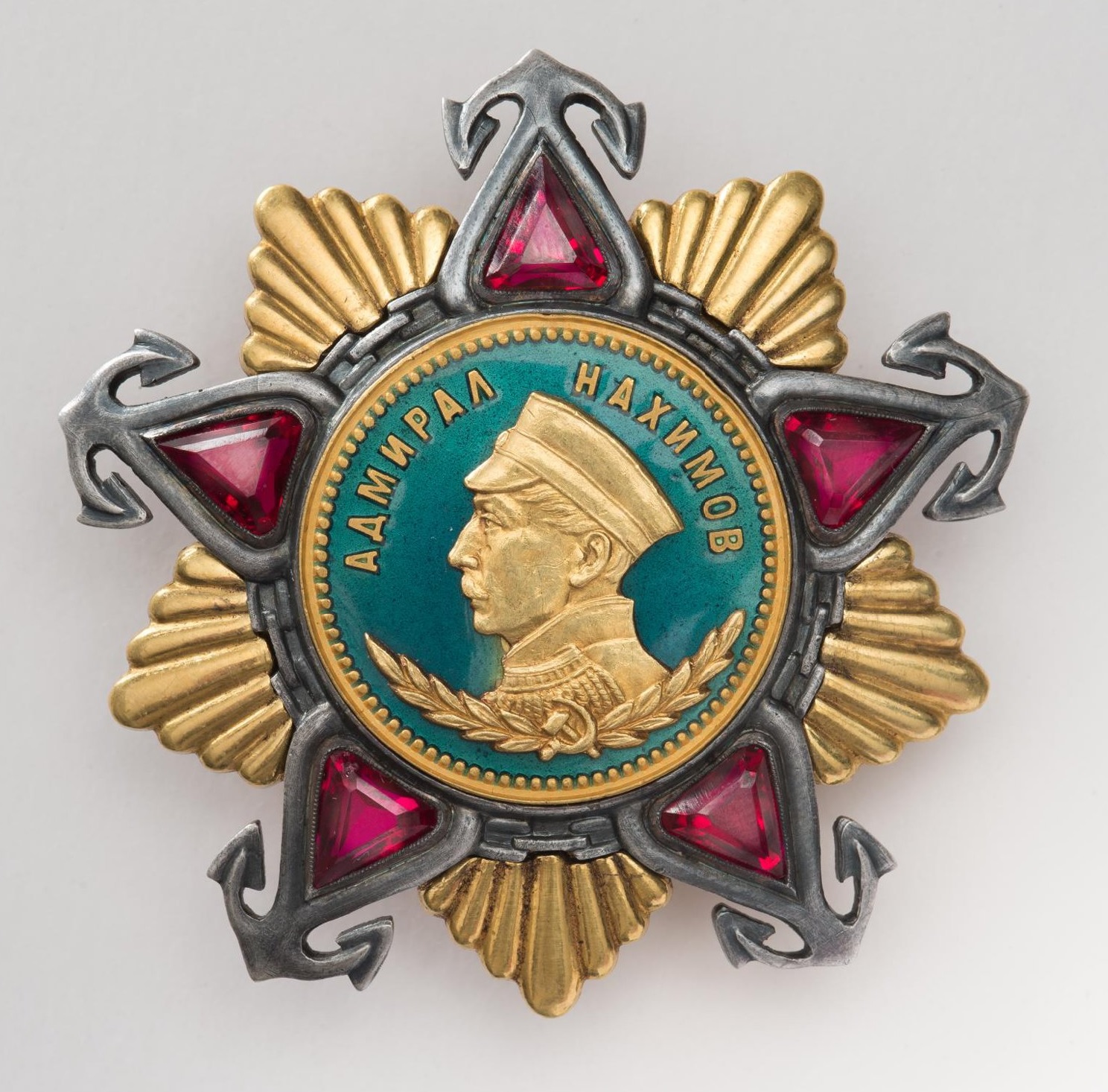
However, the question arose, which of the orders should be honored by the elders? Both chronologically and from the point of view of the importance of victories in the history of the Fatherland, Admiral Ushakov should have been given the championship, but in the USSR Admiral Nakhimov, thanks to the work of the same name by academician Evgeny Tarle, was much more famous. As a result, on March 3, 1944, two naval orders were established: the elder Ushakov and the younger Nakhimov. Each of them was divided into two degrees.
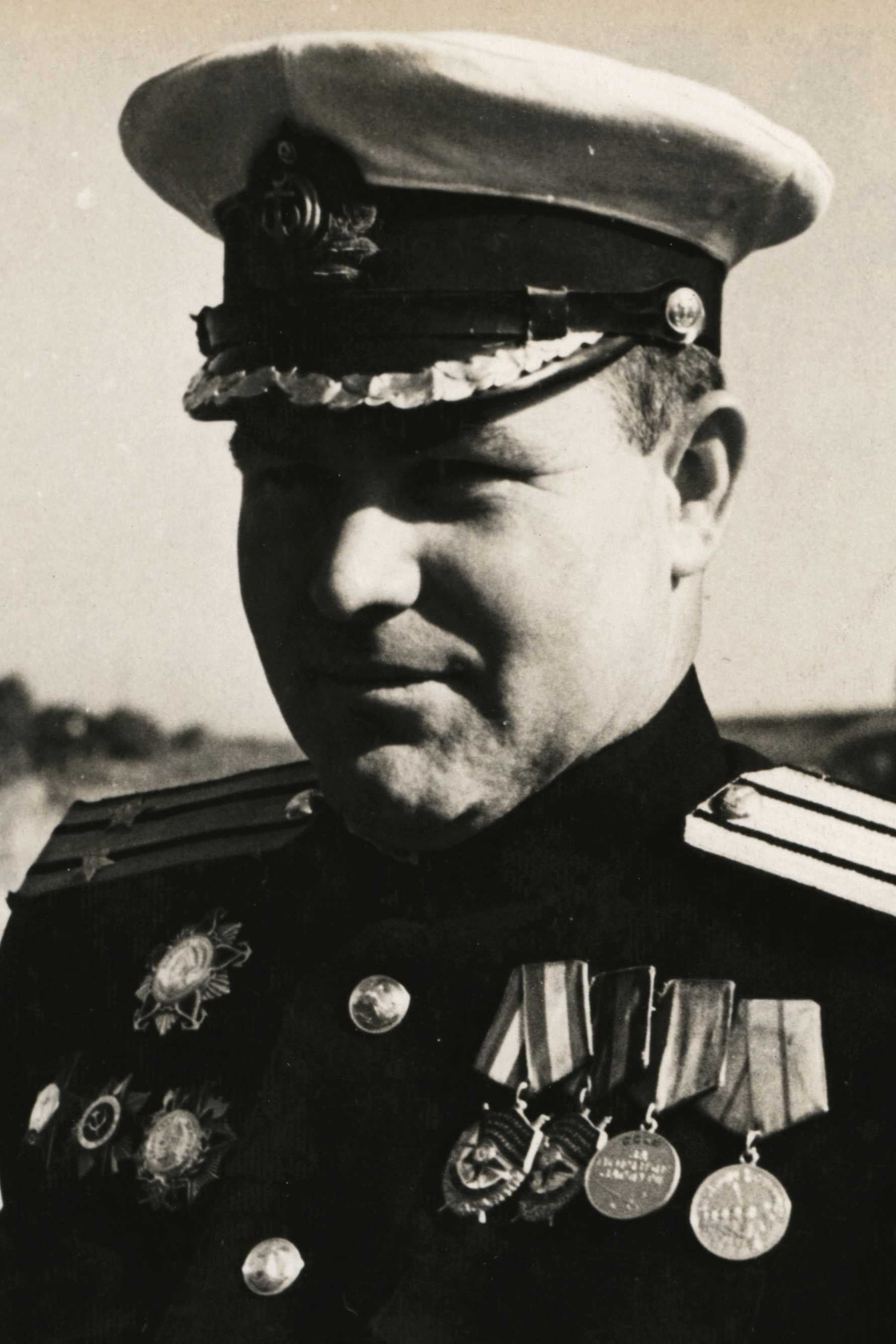
Captain 2nd Rank Alexander Arzhavkin is one of three holders of two degrees of the Order of Nakhimov: he was awarded the II degree in 1944 for two amphibious operations on Lake Peipsi. And for his achievements in crossing the Danube and landing troops near Vienna in 1945, he was awarded the first degree of this order. In addition, Alexander Arzhavkin was awarded the Order of Ushakov II degree for the storming of Bratislava, and during the years of the Great Patriotic War, the officer became a knight of eight Soviet orders, including the Order of the Patriotic War I degree.
Переведено сервисом «Яндекс Переводчик»
