The transmission is feasible: how the world's first diesel-electric tractor was created


70 years ago, on April 30, 1956, at the Chelyabinsk Tractor Plant (ChTZ, today part of the Uralvagonzavod concern of the Rostec State Corporation) The first prototype of the DET-250 diesel-electric tractor was assembled. In terms of power and reliability, it was significantly superior to many domestic and foreign machines of its time. The tractor was produced for six decades, was used at the largest construction sites in the country and even participated in the aftermath of the Chernobyl accident. Maxim Kulikov, a leading specialist at the CHTZ Museum Exhibition Complex, spoke about how the unusual machine was created.
We need a powerful car
The history of the DET-250 tractor begins in 1953. Pavel Isakov was appointed chief designer at the Chelyabinsk Tractor Plant. Among the papers left by Mikhail Balzhi's predecessor, he found a curious correspondence. In 1951, the Minister of Transport Engineering asked to consider the possibility of creating a tractor with a capacity of at least 200 hp at ChTZ. Balzhi replied: it is impossible to design a tractor, there is no tractor engine in the USSR more powerful than 140 hp.
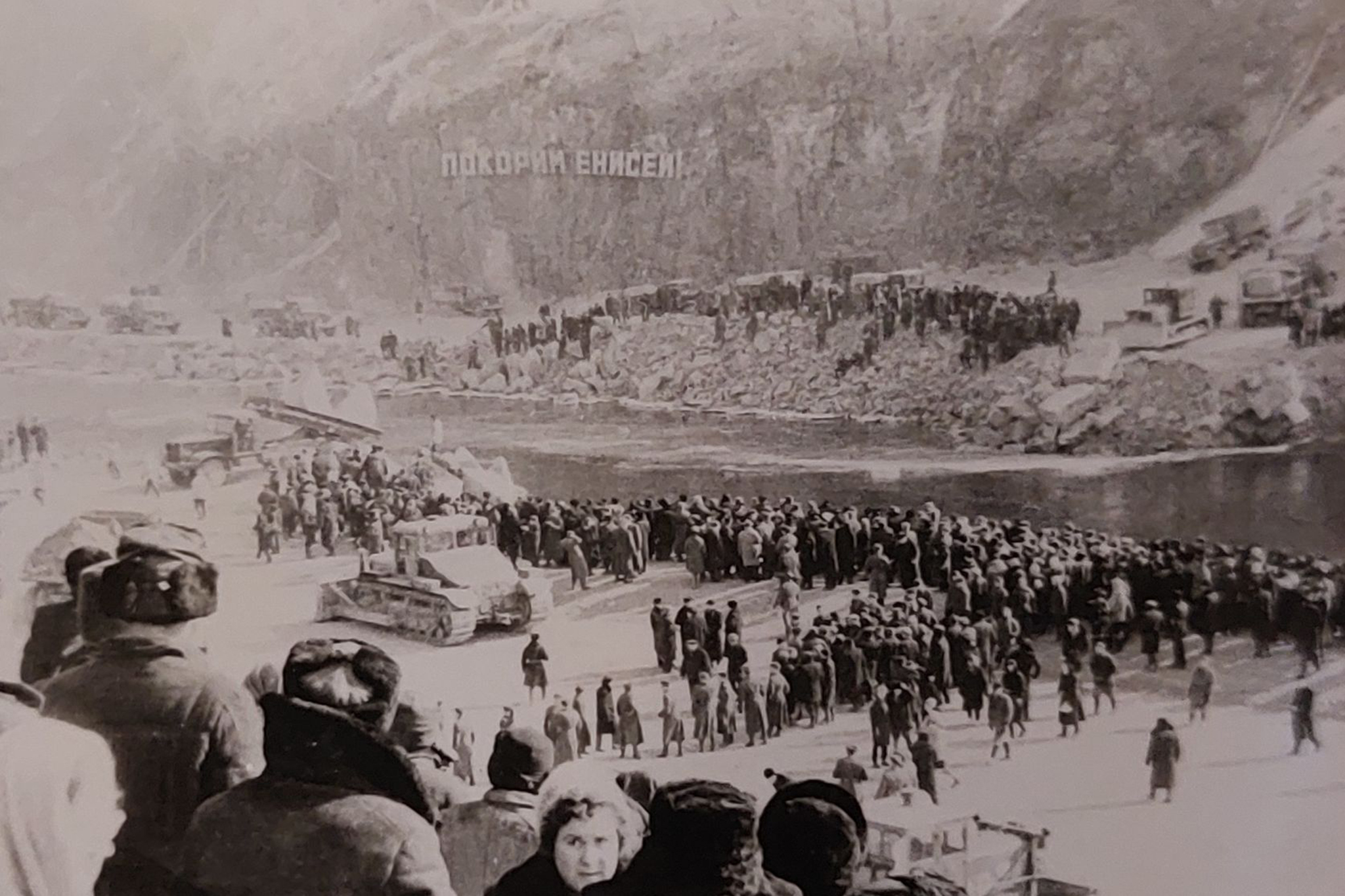
Meanwhile, the country was going through a period of large-scale construction. Hydroelectric power plants were being built, railways were being laid, and new oil and gas fields were being developed. The northern regions and the industry of the Trans-Urals were developing. To speed up these processes, a new, more powerful technique was needed.
In December 1953, the development of a fundamentally new tractor began.
The path to success
The main task of the designers was to create a reliable high-power engine. In search of a solution, the experts decided to use a V-2 tank diesel engine. At the same time, the idea arose to use an electric transmission. It made it possible to smooth out load fluctuations and increase engine life.
Another question also arose — where to get the necessary electrical equipment.
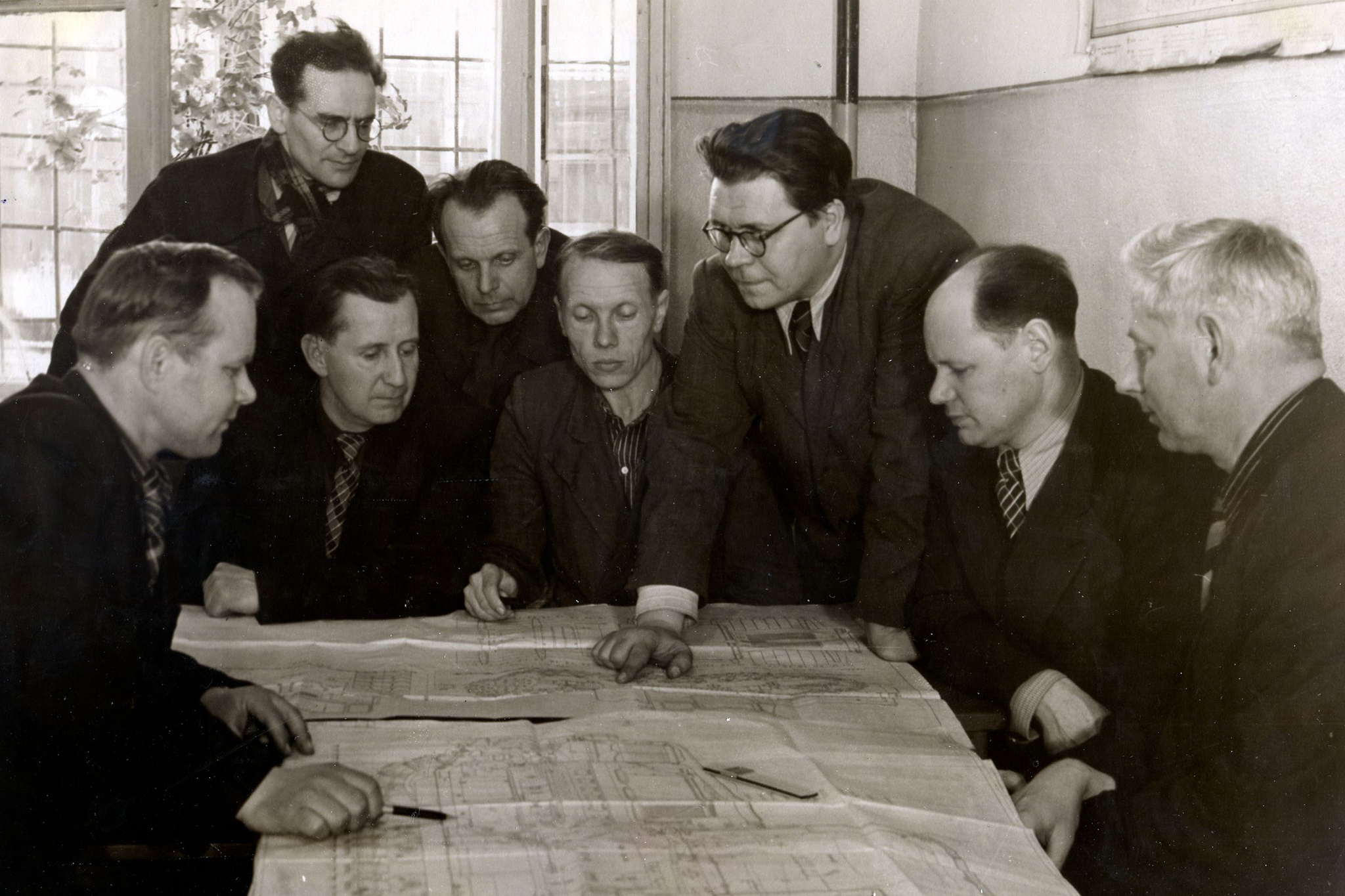
— Such tractors have not been made before, because there were no electric machines adapted for these purposes, — said Vasily Ignatiev, chief designer of the DET CHTZ project. — If the tractor is diesel-electric, then there are powerful generators and electric motors. And they work together. Their control unit is a very complicated matter.
As a result, the specialists found a non-standard solution: they used generators from trolleybuses and an electric motor from a diesel locomotive.
At the same time, the idea appeared to create a sealed cabin with ventilation and heating, as well as to introduce single—lever control, an innovation for the domestic tractor industry.
The first prototype
The project turned out to be unusual and innovative in many ways, so it had many opponents.
— All the electrical equipment operated on direct current, — says Vasily Ignatiev. — That's why a lot of copper was needed. In one car — 710 kg. It's very expensive. Therefore, no one in the world dared to create diesel-electric tractors.
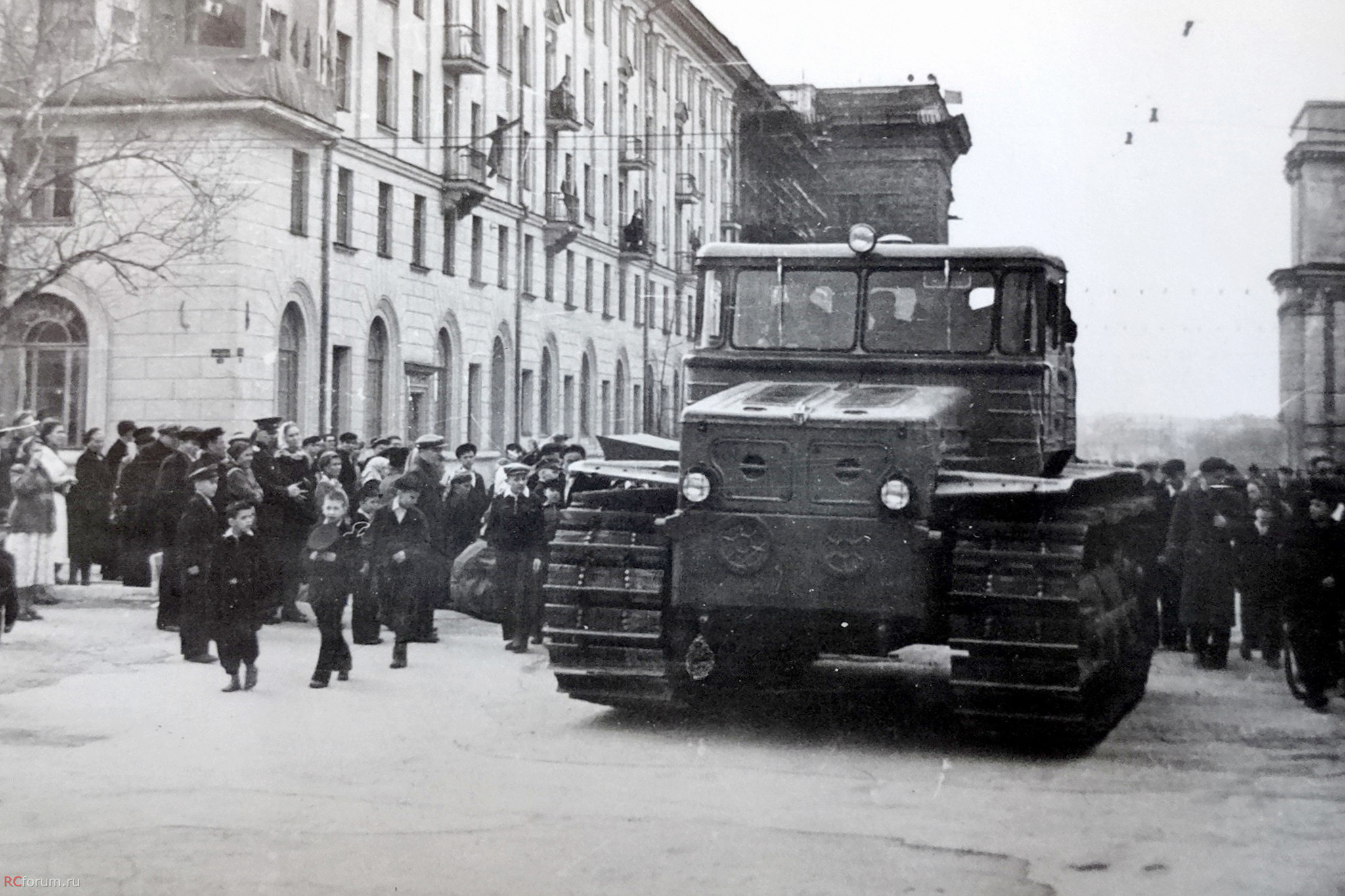
The project had to be defended for a long time at various meetings. But Pavel Isakov defended his brainchild. And on April 30, 1956, the first prototype of the new DET-250 tractor appeared. Easy to operate, very powerful, fast and productive. And his appearance was very unusual. In 1957, the new tractor was presented at the All-Union Industrial Exhibition, as mentioned in its Izvestia article.
Works for ten people
In the mid-1950s, the T-140 was considered one of the most common construction tractors in the Soviet Union. More powerful machines then practically did not exist. However, with the advent of prototypes of the DET-250, the attitude of specialists quickly changed.
Many confessed: "When we received the T-140 tractor, we admired it. And now that we have the DEATH-250, that car doesn't suit us anymore."
Nevertheless, mass production of the tractor began only in 1961. The Council of the National Economy stubbornly insisted that the new machine should be fully manufactured at the Chelyabinsk Tractor Plant. But the plant could not produce electric motors, generators and a large number of tractor frames on its own.
CHTZ received unexpected support from the Committee of the Exhibition of Achievements of the National Economy (VDNH) the USSR. In November 1960, the DET-250 became a participant in this exhibition. He received a gold medal and a diploma of the 1st degree there.
Izvestia wrote in 1960: "When the DET-250 tractor was on display in Moscow at the All-Union Exhibition of National Economy, people were constantly crowding around it. The tractor was a mighty man, a machine with 250 hp, pleasing the eye not only with its power, but also with its external beauty."
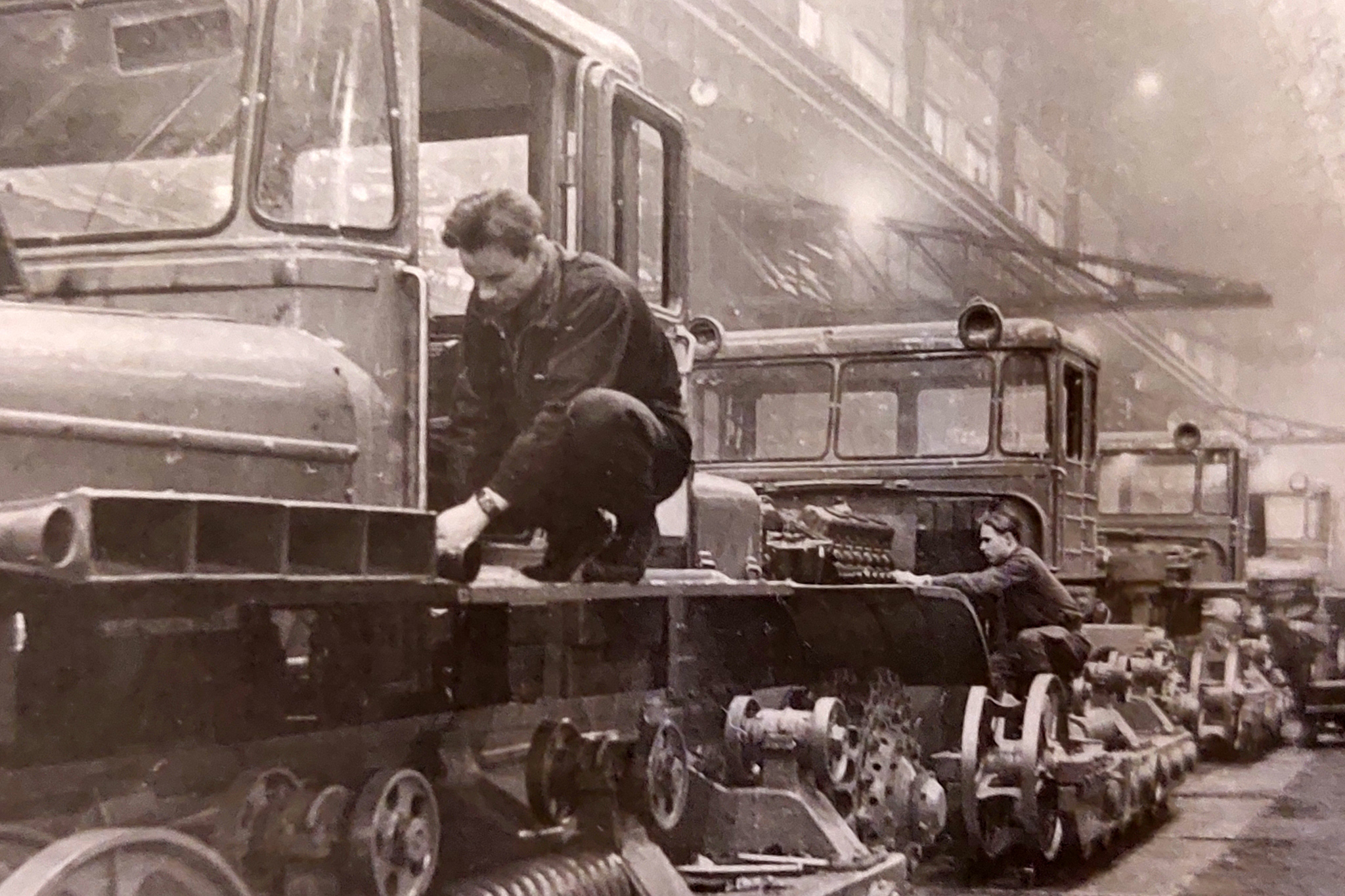
The next year, the serial production of the new car began.
Appreciative reviews about the work of the DEATH-250 began to arrive from various places.
Ogonyok magazine wrote: "A new DET-250 bulldozer has been working on the construction of the Kievskaya HPP for several months. This is a very good machine, it is easy to operate and high-performance. Anatoly Vasyutinsky, a bulldozer operator working on the DET-250, claims that it replaces 10 C-80 bulldozers."

At a large trade and industrial exhibition in the Italian city of Genoa, the DET-250 was installed at the very entrance. "All the visitors seemed to stumble at the entrance to the pavilion. The DET-250 was an incredible success with the Italians. They photographed it against its background, felt it, and studied its technical and operational qualities in detail," Boris Yakovlev, one of the representatives of ChTZ at the exhibition, recalled.
Worldwide recognition
In August 1961, the DET-250 diesel-electric tractor, which had recently been put into mass production, was challenged to compete with advanced machines from the USA, England, France and Sweden. Before the start of the competition, many foreign newspapers contemptuously called it a primitive Russian steel cart. However, in the end, the car showed such high performance that the rivals could not even dream of it. The next day, the tone of the European press changed noticeably. Now they wrote that "Russian cars are more progressive than British and American ones."
And The Guardian newspaper from the UK noted: "One of the most interesting types of construction equipment recently created in the Soviet Union is the diesel-electric tractor DET-250 of the Chelyabinsk Tractor Plant. It uses a diesel engine to produce mechanical energy, which is then converted into electrical energy by a generator. Soviet designers were the first to apply this principle in tractors." So in one day, the cart turned into an advanced development.
60 years of production
Exactly 10 years after the release of the first DET-250, on April 16, 1966, the CHTZ team prematurely released the thousandth tractor DET-250. The jubilee car went to Moldova for the construction of GRES.
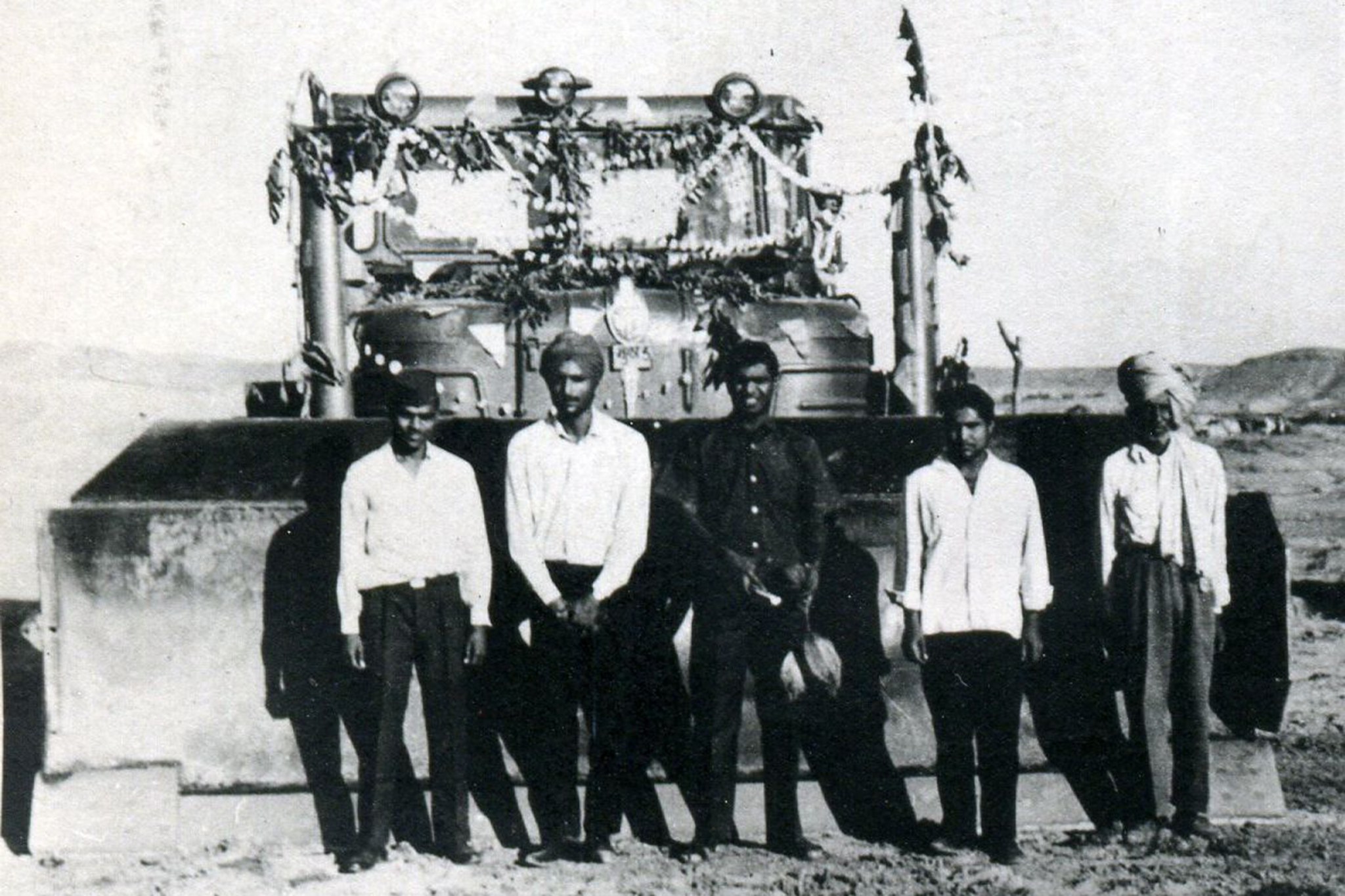
The DET-250 tractor was produced for 60 years, from 1956 to 2016. A total of 14,185 cars were produced during this time, more than 2,000 of them went to 45 different countries.
"The railroad workers loved the DET-250 very much,— recalls Vasily Ignatiev. — They actively used it in the work of recovery trains. And they called our tractor affectionately "Detushka". And when we stopped producing them, the railroad workers were very upset. I also worked in Ethiopia with these tractors. Everyone there was very happy with the cars, too. And they were always called tanks because of their external resemblance.
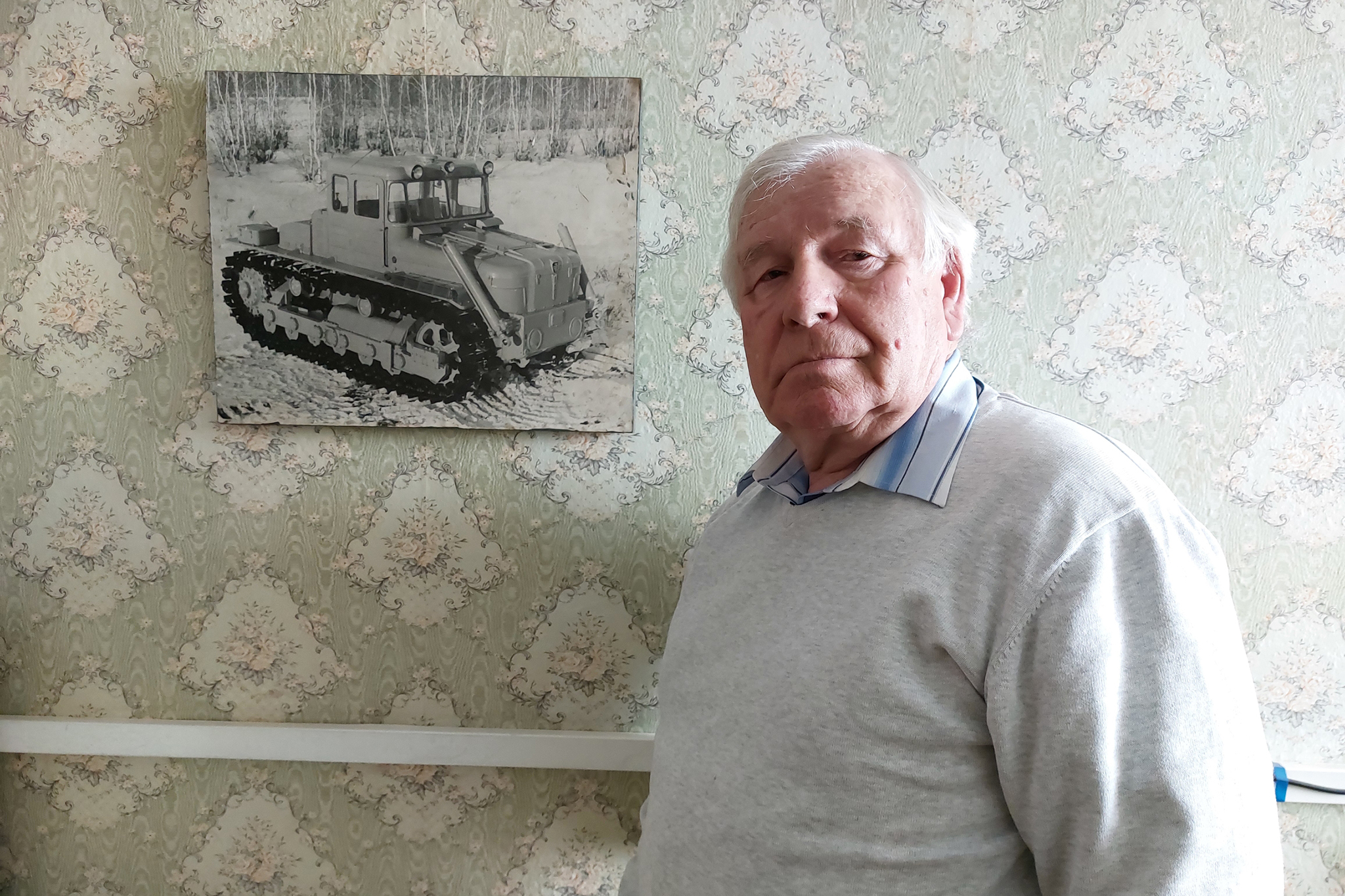
The DET-250 tractor was multifunctional. For example, it was used as a pipelayer. The welders took electricity from the tractor and immediately welded the pipe where it was needed. That is, the DET-250 was a walking power plant for the pipeline builders.
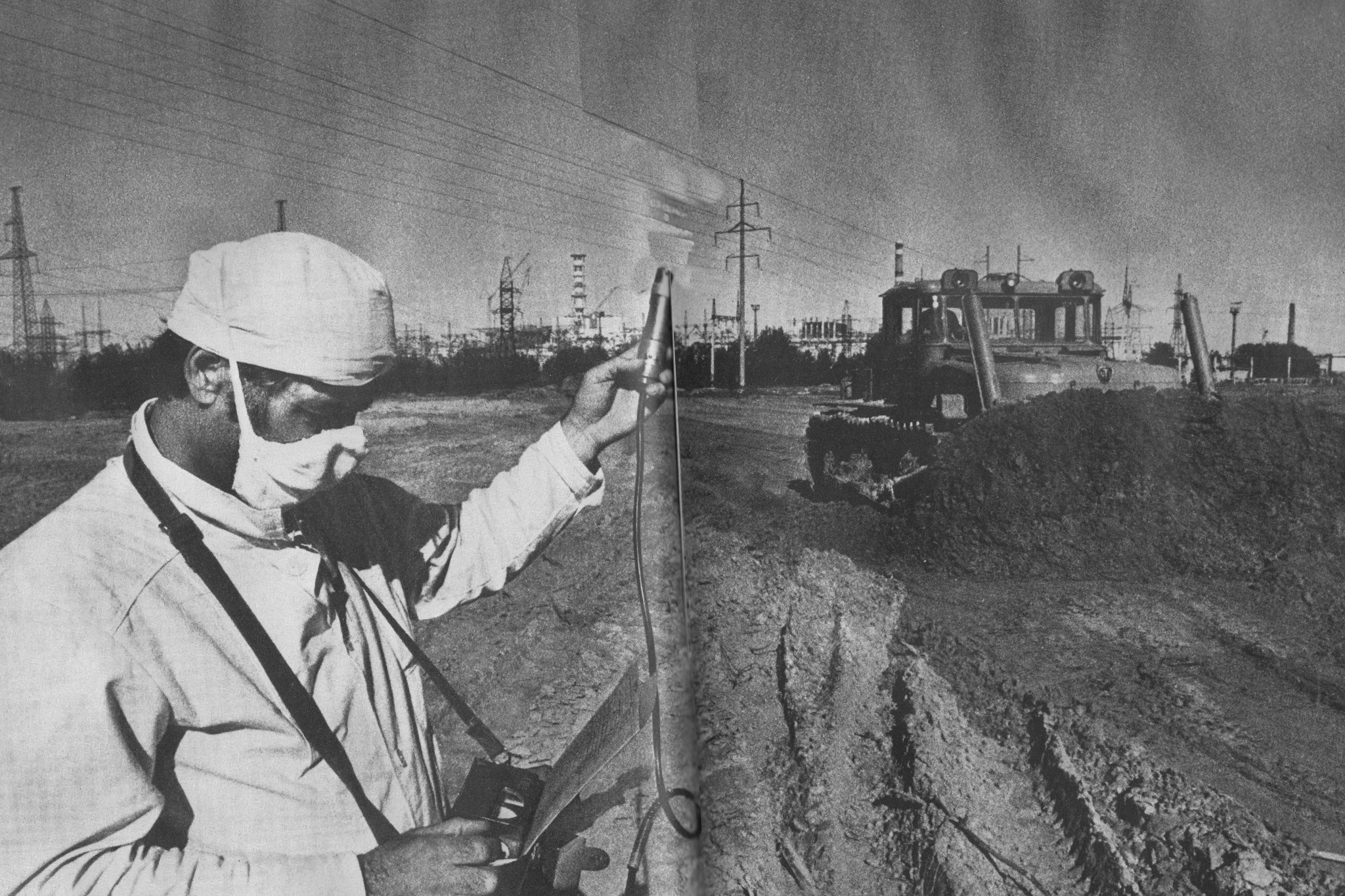
And when the Chernobyl accident occurred in 1986, the ChTZ workers taught the DET-250 to work in a radioactive zone. They installed a radiation-protected cabin, equipped the car with radio control and sent it to eliminate the consequences. And the tractor was working there, controlled remotely by an operator.
DEATH-250 Awards
* VDNKH Gold Medal and 1st degree diploma, November 1960
* Gold medal of the International Industrial Exhibition in Leipzig "Leipzig Fair", February 1965
* Gold medal of the International Exhibition "Modern Agricultural Machinery and Equipment" in Moscow, May 16-29, 1966
Переведено сервисом «Яндекс Переводчик»
