Beat the Grad: how Russian MLRS hit targets in the Dnipropetrovsk region

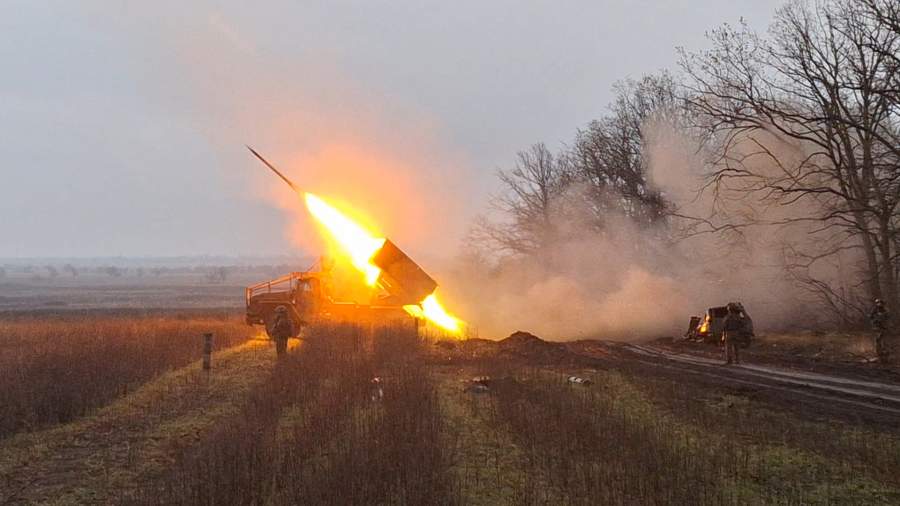
Despite the growing role of attack drones on the battlefield, there are still targets that require precise artillery strikes. These are concentrations of infantry and equipment, well-fortified positions and other objects. Izvestia saw how the rocket launchers of the 400th self-propelled artillery regiment of the 90th Guards Tank Division of the Center group of forces were striking enemy positions in the Dnepropetrovsk direction. Taking advantage of dusk and bad weather, they cover their installations from drone strikes.
How do the Grads get to firing positions?
We leave for the artillery positions of the Center group of forces after dark to drive dozens of kilometers of the territory liberated in recent years. Even before dawn, you need to be at the exit point of the Grad multiple launch rocket launchers in order to catch the very hour for which the name "gray" is fixed. This is the most problematic time for drones to operate. But it also starts raining and snowing at night, and sometimes small hail breaks down. As strange as it may sound, hail falling from cars in Donbass can be encouraging: such weather benefits those traveling by vehicle, as the threat from the air is reduced. However, the primers get wet very quickly, and even four-wheel drive cars can hardly handle them.
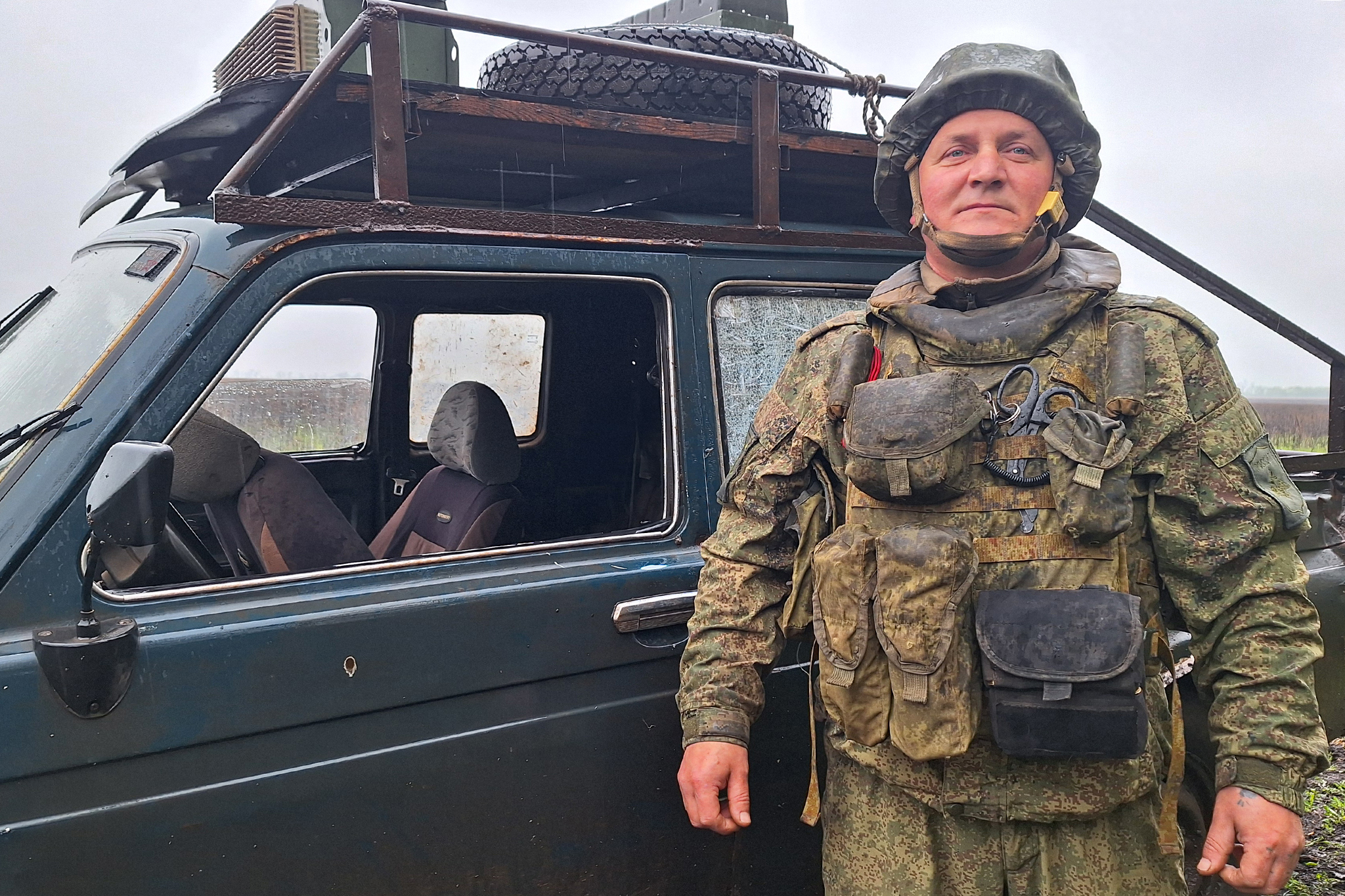
In the Grad escort pickup truck, we move to a firing position in front of the combat vehicle itself, until the roads are completely washed out. At the wheel of the Niva, junior Sergeant Viktor Epanchintsev skillfully overcomes sharp turns and anti-tank trenches of the Ukrainian defense lines near the Dnipropetrovsk region. He is the platoon commander, and the rest of the soldiers respectfully call him "Uncle Vitya." A call sign that still needs to be earned among the many Gray-haired or Old.
— I treat them like my sons, the boys are great. They help me, and I help them in any way I can. During the mobilization in 2022, patriotism pushed me, and I voluntarily signed a contract," says the junior sergeant. — I was the number of the self-propelled gun crew, then they transferred me to the Grad. I passed through Kremennaya, then Avdiivka, and now the Dnepropetrovsk direction. I was assigned to an aerial surveillance vehicle to escort the Grads and protect them from drones.

Electronic warfare equipment was immediately installed on the pickup truck, which was supplied to the gunners by fellow volunteers. Uncle Vitya shows the place on the door where the Ukrainian FPV drone missed the engine. According to our interlocutor, three times the shooters, accompanied by, have repelled direct attacks by enemy drones on their "Grad".
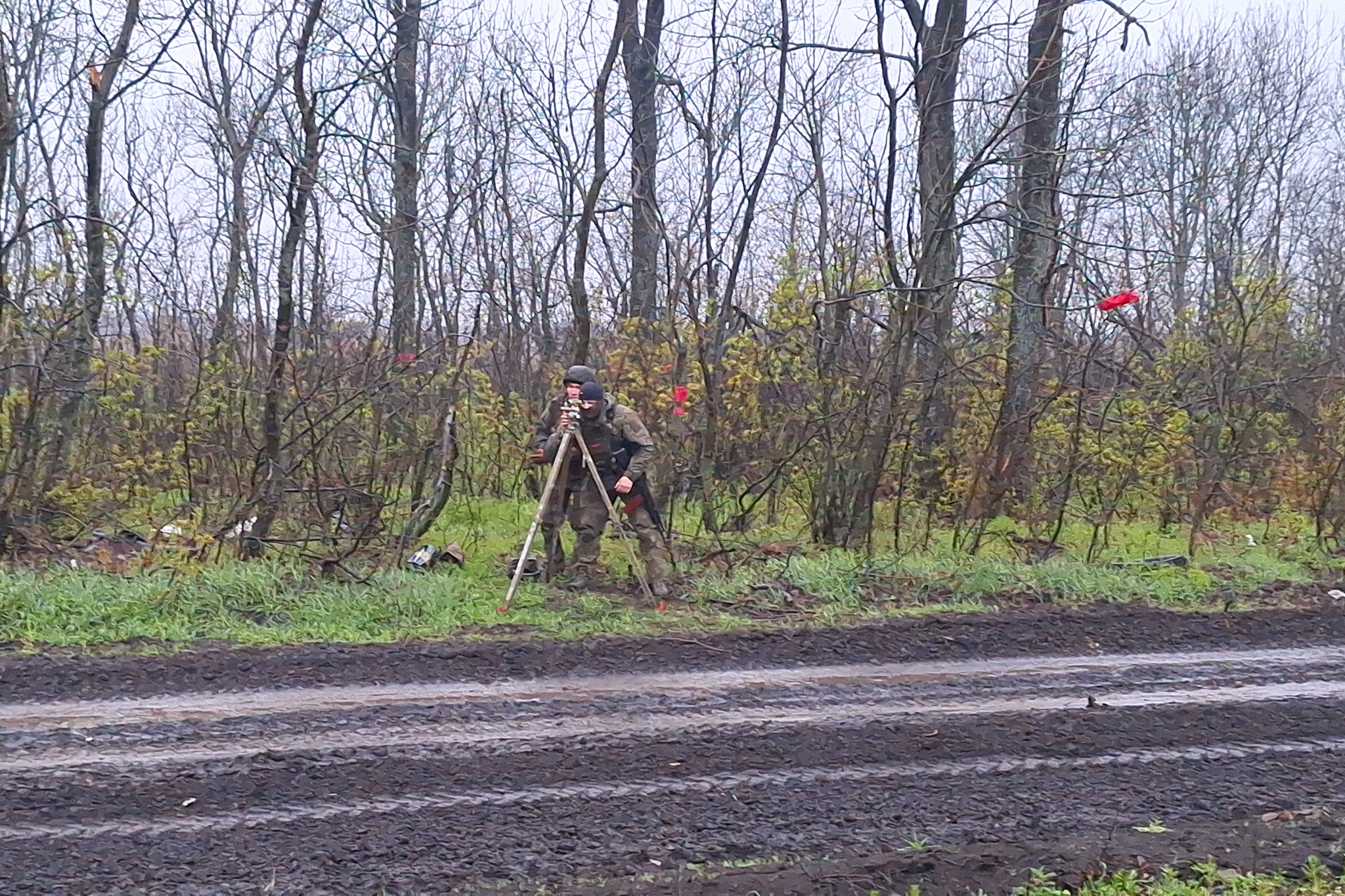
In the back of a pickup truck on the way, rain quickly soaks the helmet covers, and water begins to drip into the eyes under the oncoming wind currents. Holding on with his hand, the fighter standing behind the cockpit looks attentively at the sky above the landings, sometimes patting the waterproof cover with his hand, which covers something in a plastic tube from an American artillery shell mounted on the side. I'm wondering what's in there, hoping to see some kind of anti-drone device. But there is a tripod and a bussole neatly packed there, which will be needed to accurately orient the Grad in a firing position. Even working from the same point, it is impossible to park a combat vehicle in exactly the same way, and for truly accurate shooting you need to use instruments.
Combat operation of rocket artillery
Closer to the firing line, a "Grad" covered with protective screens is shown from behind the rain. The movement was planned perfectly, so that both the escort and the combat vehicle entered the firing position almost simultaneously. A pair of buggies passes towards us, heading towards the rear from the front line. The arrows show a thumbs up: the sky is clear ahead. Around the next bend between the forest belts, the firing position of the rocket launchers. The shell packages left in the trees show that the Ukrainian artillery used to work here — in the opposite direction. The topogeodesist and the platoon commander jump out of the car, and while the crew is deploying the Grad, the bussol has already been installed, and work with the instruments begins. Except for the gunner, everyone else is scattered around with personal weapons, the car is covered by five shooters.
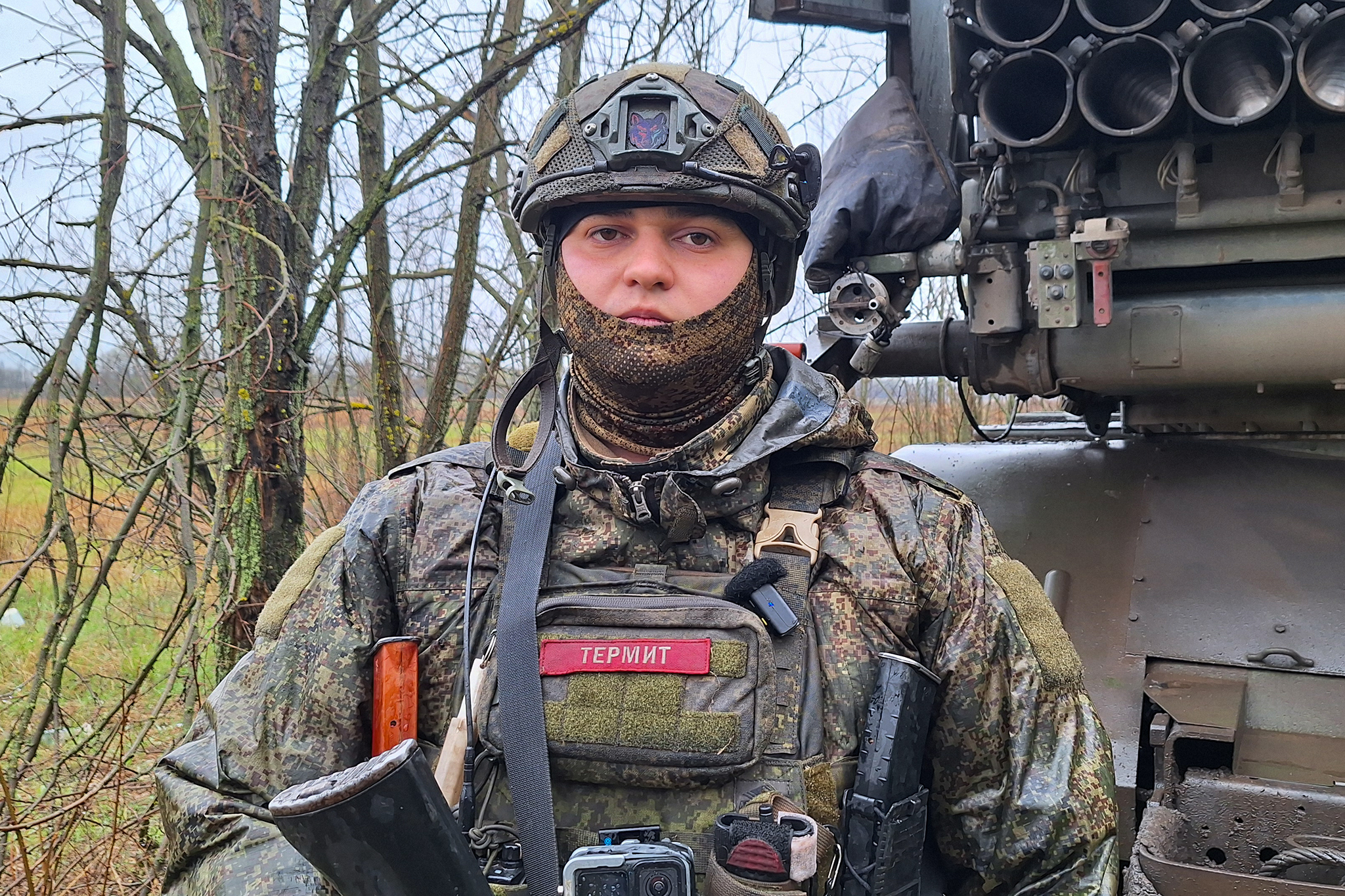
Junior Lieutenant Eduard Rymar, the platoon commander, working with bussola, at some point throws off his helmet, which, interfering with the use of optics, drips water. You can't waste time wiping water, because a combat vehicle with a full "package," as the gunners call a loaded block of rockets, should not spend a single extra second in the open. And only after he has finished working with the device and radioed the air spotters to be ready to fire, Eduard puts on his helmet and waits for confirmation that the "bird" sees the target and is ready to observe the first arrivals. The driver runs up to the car for a few seconds and turns off the engine when he hears that the installation is set. In the silence that follows, everyone listens to the sky, where an enemy drone may buzz. Aerial reconnaissance confirms readiness almost immediately and, unexpectedly for me, Eduard orders a series of 10 sighting missiles.
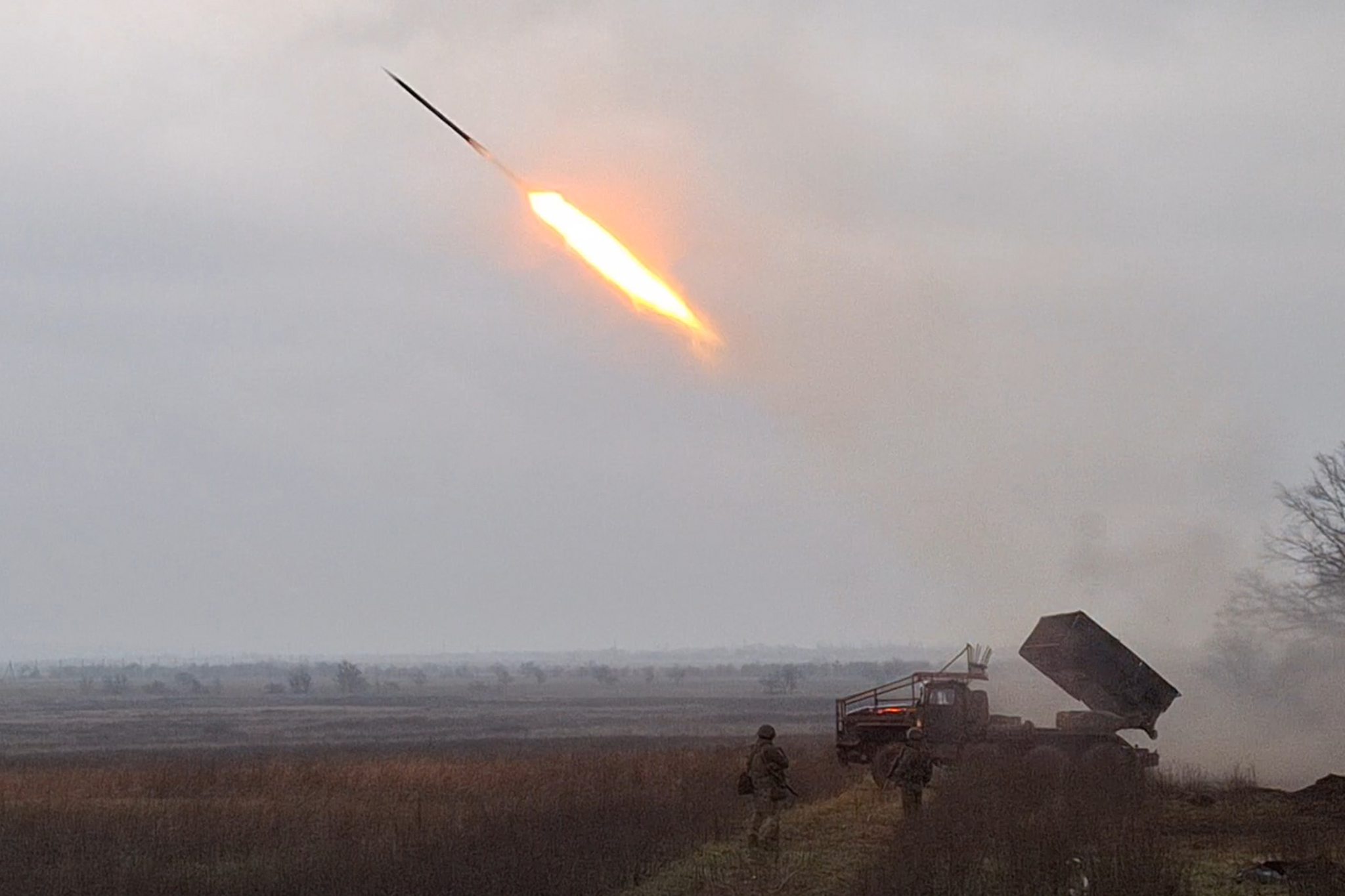
They go to the Dnipropetrovsk region, behind the installation steam rises from the wet ground after the jets. Negotiations with spotters can be heard on the radio.
— We are waiting for the correction, the flight time of the projectiles is about 60 seconds, another 30 seconds for the correction calculations, and we will send the remainder. We are always confident in ourselves. I've been working for Grads for a long time, since 2022, and I'm confident in each of my fighters. "Grad is a weapon that has a great psychological effect when it covers an area," explains Junior Lieutenant Rymar in response to my surprise at such a generous expenditure of ammunition immediately on target.

While waiting for the data to be adjusted, he lists his combat path from Kherson to the Dnipropetrovsk region and positions from loader to platoon commander, instead of new data, the command "fire with the rest" comes, that is, nothing needs to be changed, you can finish off the target.
— Ural, are you ready? Ural, the rest, three hundred —thirty—three! — Edward commands.
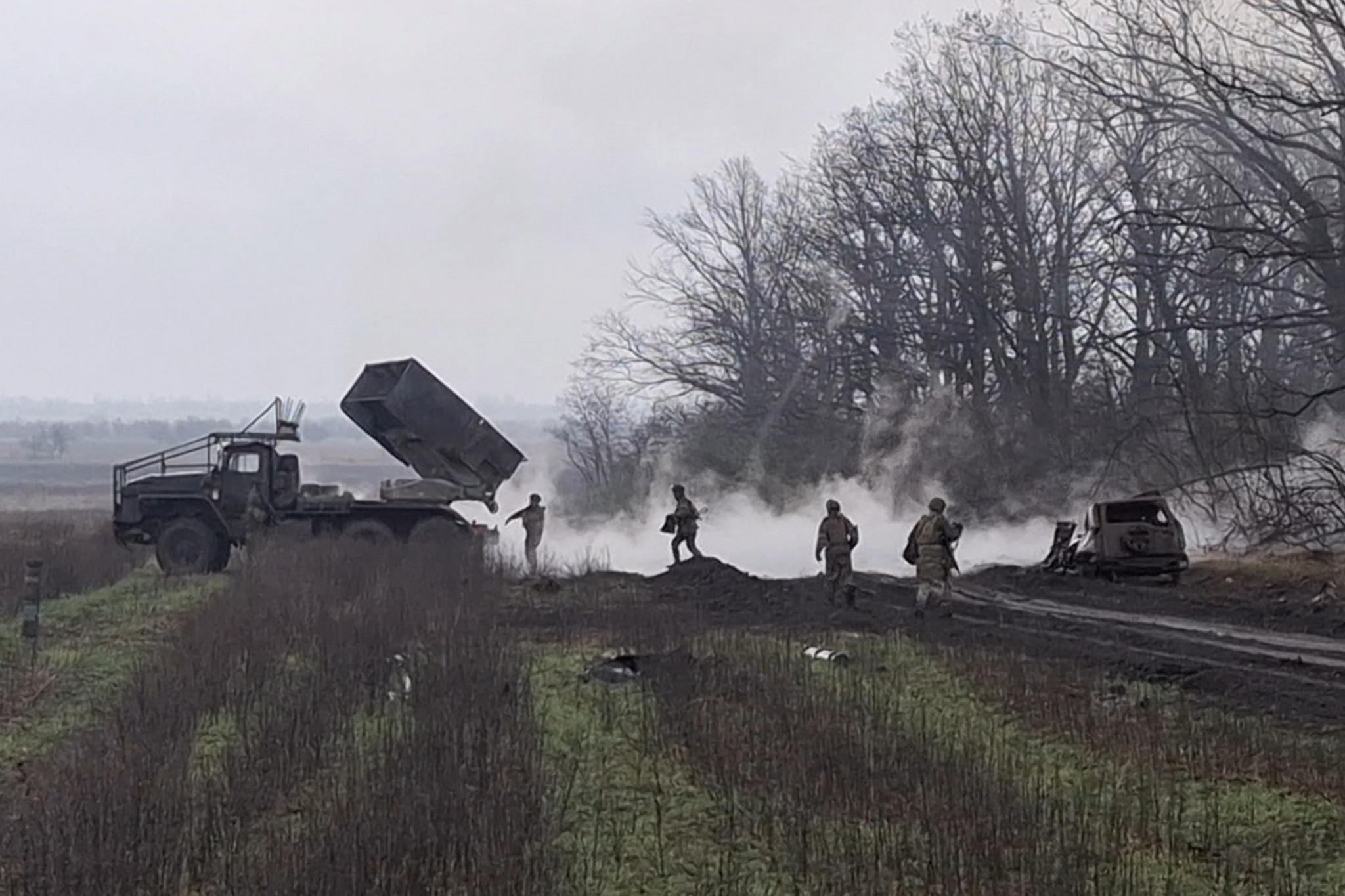
The "333" command was used back when the fire was conducted in platoons and the guns had to fire simultaneously upon hearing the third three. Now, of course, this is primarily a tribute to the traditions of artillery. The rockets leave quickly, one after the other, and a couple of seconds after the last shot, the entire crew simultaneously takes off from their seats to the car. A turnoff begins and a quick exit from the position begins, which, in terms of coordination and speed, can compete with the pit stop of rally car racing.
No longer using a walkie-talkie, the commander of the car shouts: "Expense 39" — one missile out of 40 did not work, the result is quite acceptable by the standard, even in peacetime exercises. It is necessary to go back even faster, the shots of rockets are visible for many kilometers and attract the attention of all available means of defeating the enemy. You can almost feel the tension with which car drivers are kept in drifts on a wet primer when they need to drive as fast as possible, but you can't cling to the curb where there may be mines.
And already in the shelter, having hidden the Grad, we finish our comment interrupted at the position with the platoon commander. Eduard tells how he went through all the positions from driver to platoon commander and received his first officer rank in the special military operation zone after the course.
"Our main task is to win, I don't have any other goals yet," he answers the question about plans for a further military career.
And just before our departure, under the smiles of support from the crew and the cover shooters, Eduard decides to take the opportunity and record a video call home to his pregnant wife.
Переведено сервисом «Яндекс Переводчик»
