Childhood time: the sequel to "Born in the USSR" was shown at the MIFF


Every seven years, director Sergei Miroshnichenko gathers a film crew and goes in search of his 20 heroes to ask them the same questions about life. This was the case when they turned 7, 14, 21, 28 and 35 years old. The project was named "Born in the USSR" and has long acquired the status of an epochal statement about the fate of a generation. After a series of financial and legal problems, the fifth part of the series finally reached the audience as part of the Free Thought program at the Moscow International Film Festival. Details can be found in the Izvestia article.
Why didn't the "35-year-olds" come out on time
The story of the creation of "Born in the USSR" is a separate drama, no less intense than the fate of the heroes of the project. Miroshnichenko started it in 1989 together with British partners, inspired by the format of Michael Apted's series "Seven years Older". As a result, a unique analogue appeared for the post-Soviet space. But if the British have an anthropology of a stable society, then Miroshnichenko's is a chronicle of a tectonic fault.
In the late 1980s, in the vast expanses of the still existing USSR, the director found 20 seven-year-old children and asked them the same questions: about the country, money, happiness, dreams and future profession. The children were the same age, but came from different social backgrounds. Today it is customary to say that a sensitive artist foresaw changes, but he himself claims the opposite.
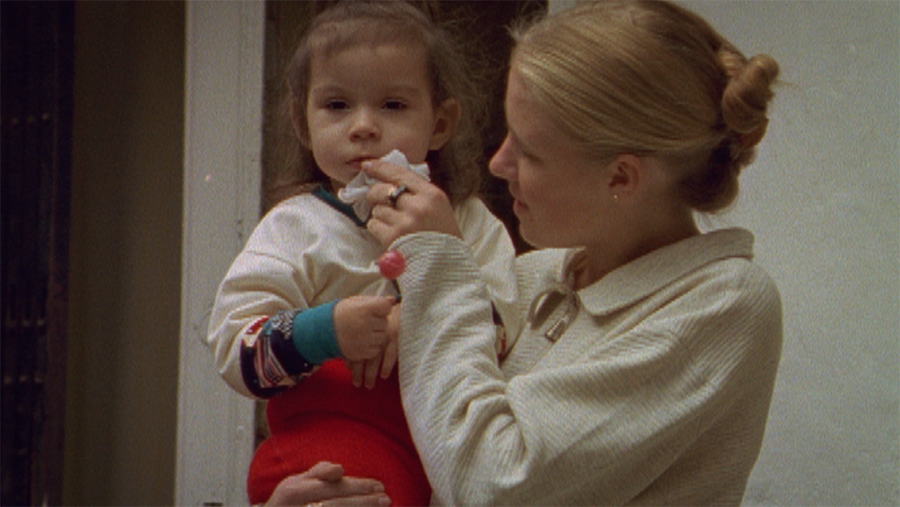
"It never occurred to me that all this would happen with the collapse of the Soviet Union," Miroshnichenko confessed to Izvestia. — I began to realize that we had problems only when I started filming the children. I was living in Sverdlovsk at the time, and I didn't feel the state of people in the republics. I was surprised to learn that children may not consciously speak Russian.
Seven years later, he returned to the characters and put them back in front of the camera. After the second cycle, the project won the BAFTA and Emmy Awards for Best Documentary Project. However, by the time the 35-year-old participants were filming, serious difficulties had begun.
The fifth stage of the chronicle was filmed in 2018-2021, but it has only reached the viewer now. There were too many reasons: at first, the director had to fight for the rights to the project with a British company. In June 2020, he reported a lack of funds, the sale of the rights to his work and the need to take out loans to complete the painting.
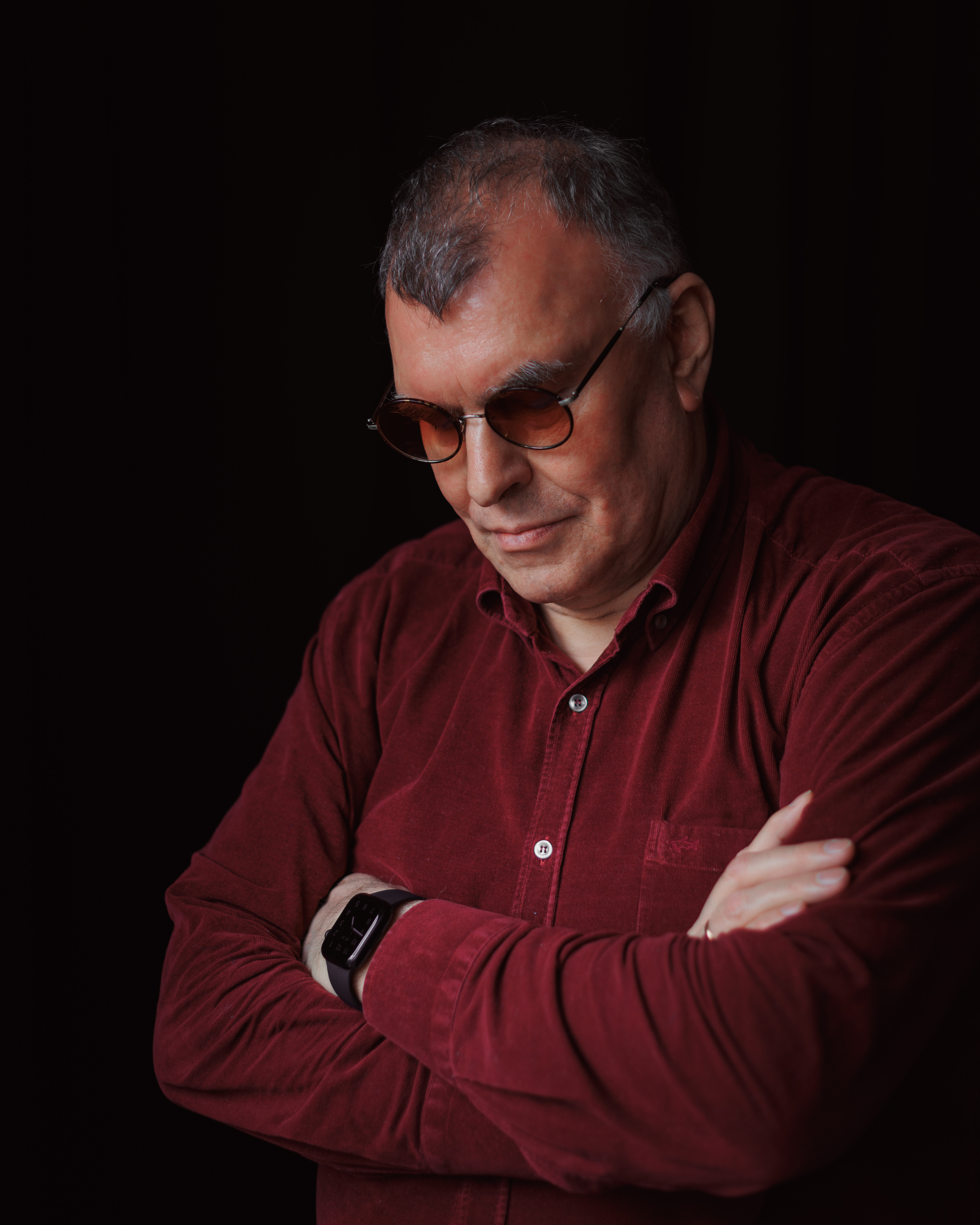
Then the COVID-19 pandemic slowed down production. The characters live in different countries, and because of the closed borders, it has become almost impossible to reach them. It wasn't until March 2024 that the director announced that the project was in the works, and two years later, the film finally saw the light of day.

How the characters' lives have changed in seven years
Three episodes out of six were shown at the festival, and there were no empty seats at any of the sessions. Each episode lasts almost two hours and tells the stories of two or three characters. According to Miroshnichenko, about 1.5 thousand hours of footage were shot, but the viewer will see an average of 25 minutes each.
There is a close-up of the clock mechanism on the screen. This is not just an artistic image, but an accurate metaphor for the passing of time. The text appears next: "My characters are much more honest than me. I would not be able to give my life for such a cruel experiment."
Anton, Marina, Sasha, Dima, Alyona, Asya, Rita, Lado. Once upon a time, there were children with wide eyes and naive, touching answers. Someone dreamed of space, someone just wanted to be a "good person," and someone suddenly wanted to become a vacuum cleaner. Now they are 35. And this is probably the most difficult age for an honest conversation.
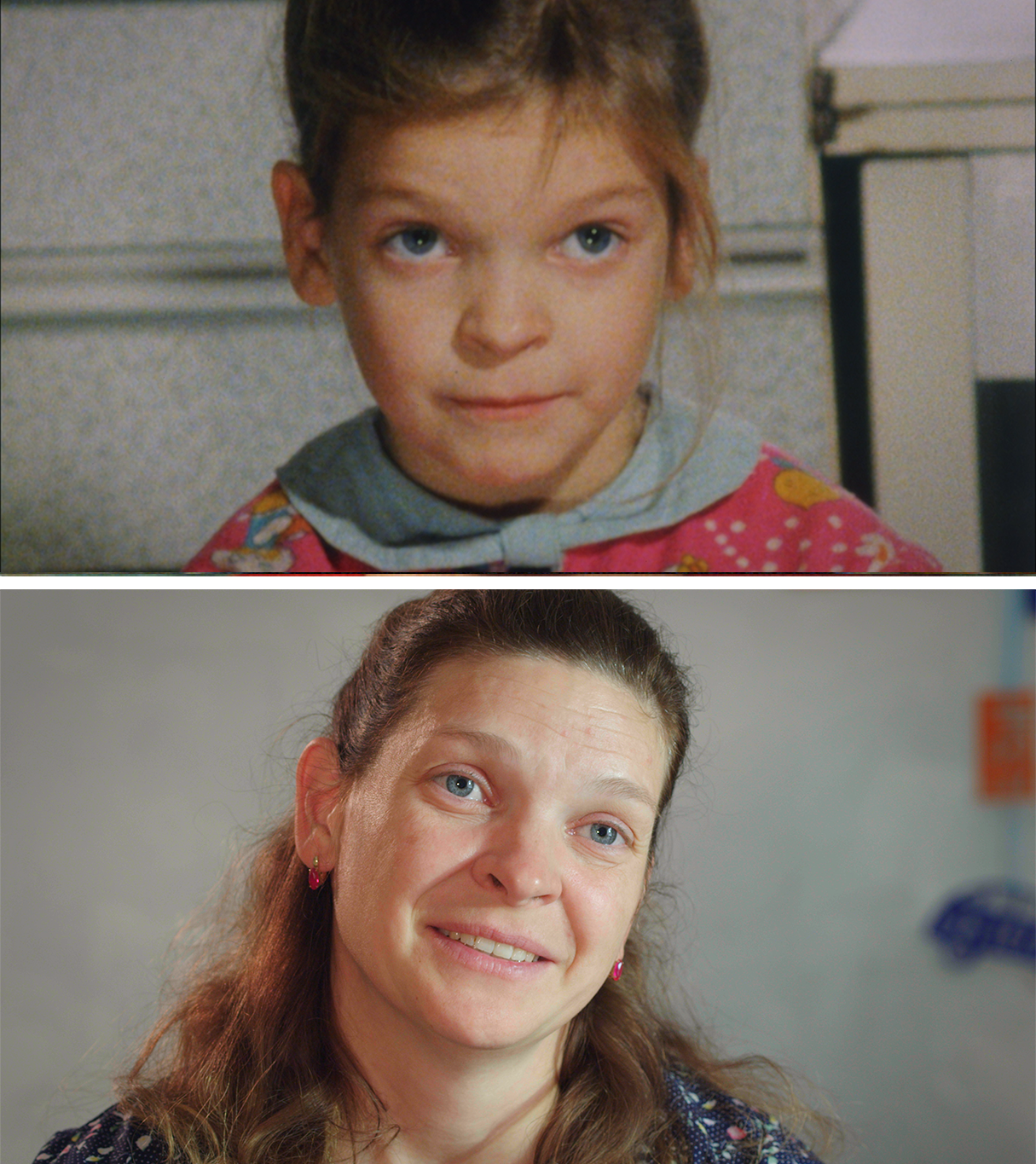
— They are free people. Everything is based on trust. They talk as much as they want to. But they know that you can't lie. Because the face is shown in close—up and everything is visible," says the director.
Familiar faces flash across the screen again: childhood, adolescence, adulthood. Here's little Dima talking about rising prices and empty counters, and then an adult man who served in the Airborne Forces, living in Germany and working as a machinist. At the age of 14, he was interested in American rap and read lyrics about freedom, and at 35 he struggles with bureaucracy, criticizes the government and admits that he does it out of love for the country.
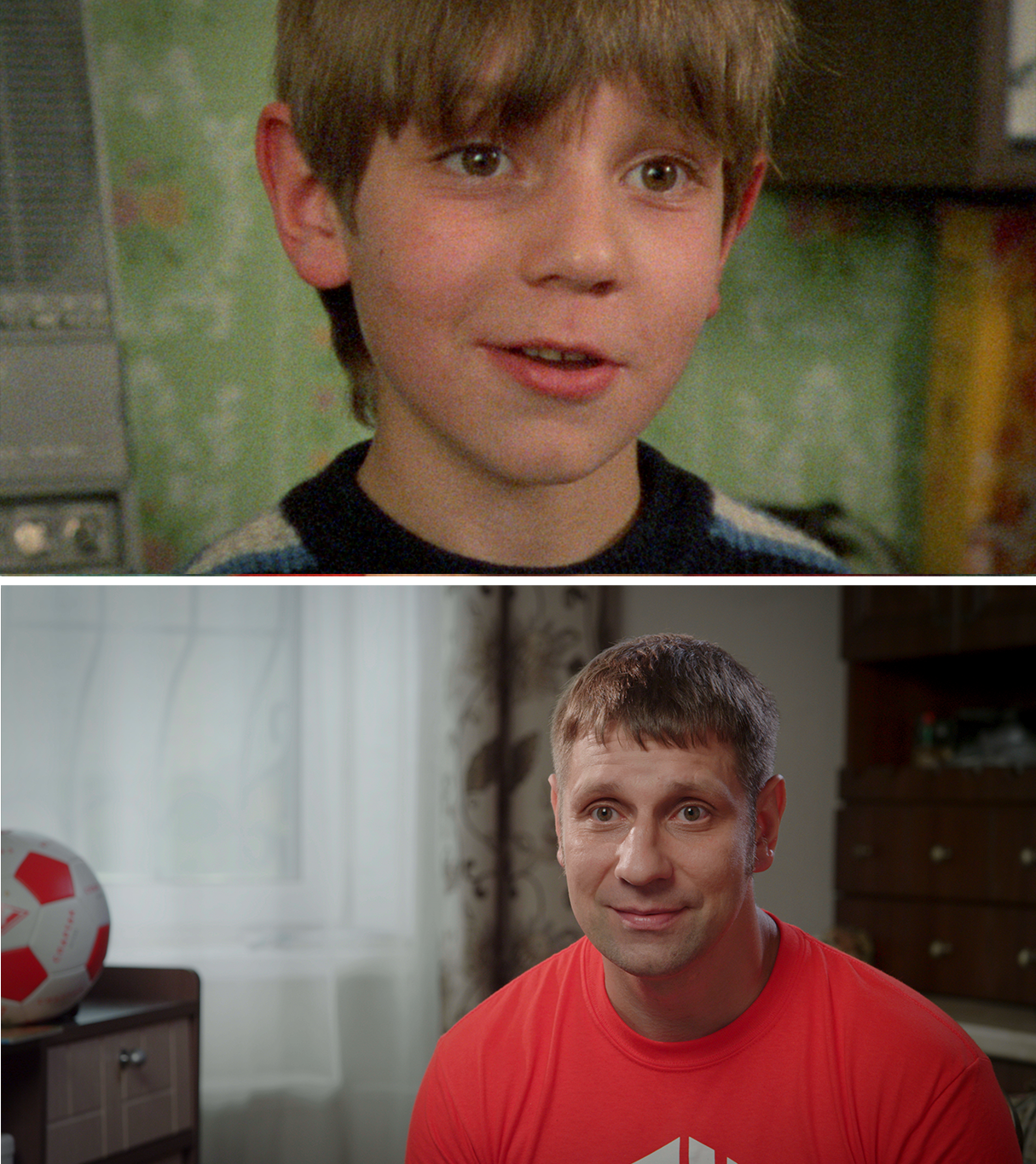
Miroshnichenko asks the characters questions about the elections, the president, Crimea, and, most importantly, about man's place in this complex mechanism.
Lado and Alyona appear on the screen. Both were born in the Georgian SSR. He is in the family of the party elite of Tbilisi, she is in an ordinary family in Rustavi. Alyona married Georgian Gelu, gave birth to two children, became a mother and a wife, but faces daily reproaches for her Russian origin.
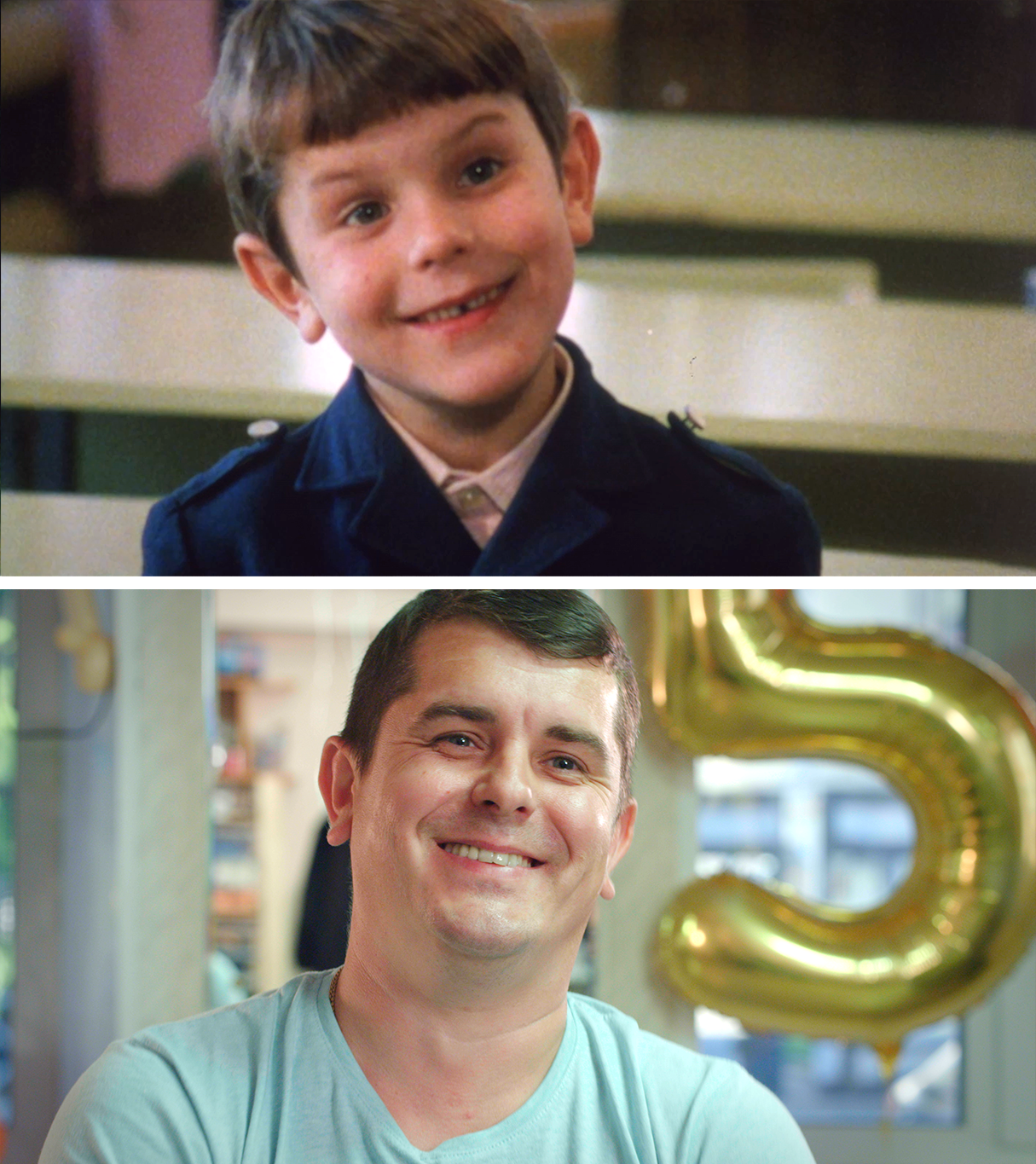
Lado, as a child, spoke Georgian with the director on principle and claimed that he would never marry a Russian. Years have passed: he traveled to many countries, studied in Europe, experienced love and loss. And as a result, I came to the conclusion that I had never seen such a brotherhood as existed between the Union republics.

The Presence of God and new challenges
Today, the characters keep in touch with each other, but the director invariably disappears from their lives for seven years. And during this time, they continue to make sense of what is happening — not only in their own destiny, but also in the world.
Charming children are gradually turning into people with difficult life experiences. Behind their backs are mistakes, destroyed and created families, birth and death, addictions, losses. Miroshnichenko does not push or dramatize. He watches carefully and delicately, leaving the characters the right to be imperfect.
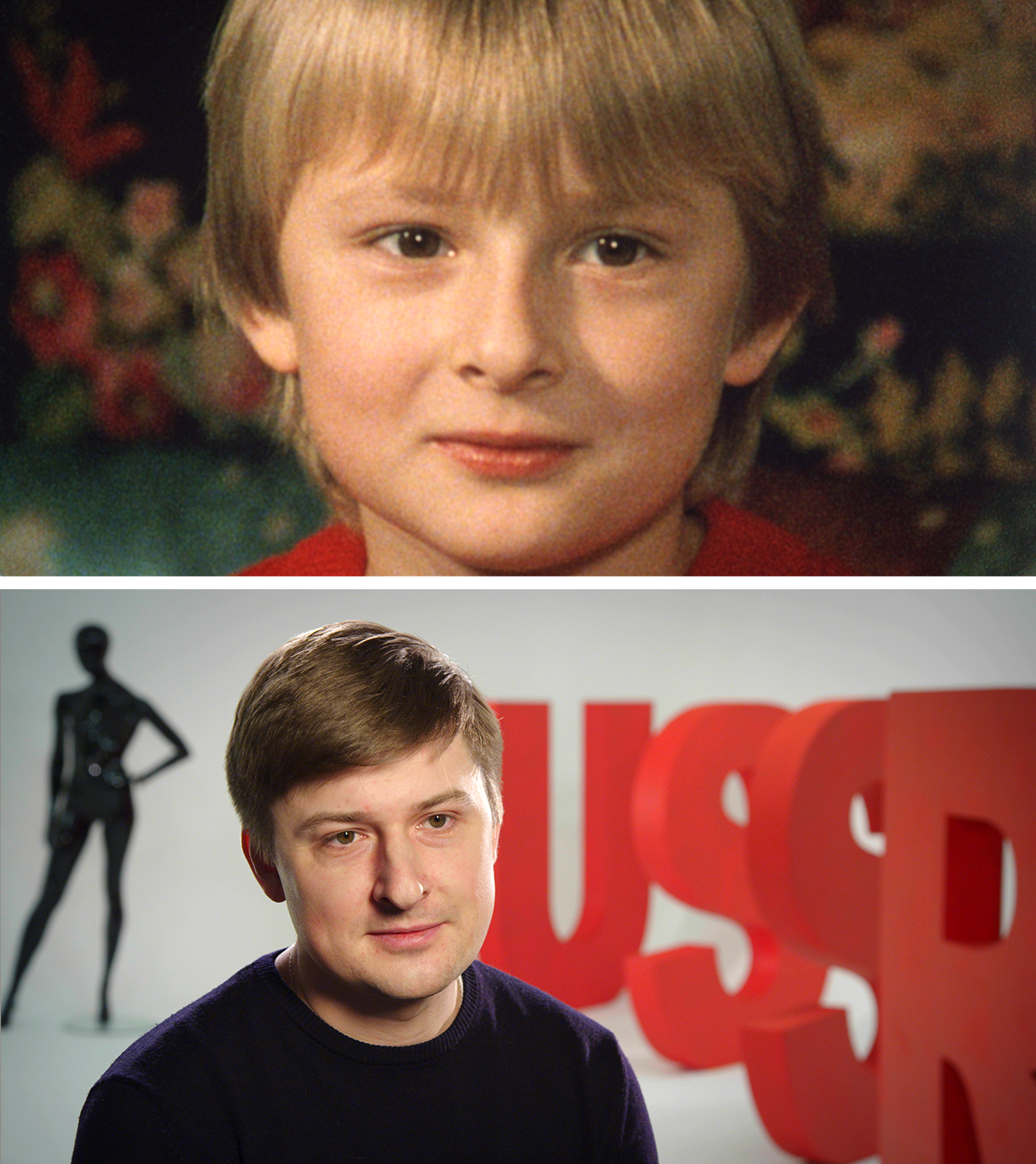
Another hero is Anton. He grew up in a house on Kotelnicheskaya Embankment. His grandfather was the editor of the newspaper Pravda and participated in the literary processing of Brezhnev's memoirs. Anton himself did not want to be a journalist, but became the editor-in-chief of a glossy magazine. Today, he has a large family — a wife, three children — and a busy life in which there is a place for loss: he buried his mother.
One of the biggest blows is Rita's story. At the age of seven, laughing and hugging two huge dogs, she talked about life in the village of Listvyanka on Lake Baikal. At 14, she talked about the cruelty of people and the death of her pets. Later, about the birth of Sophia's daughter, who is being raised by her parents after Rita's deprivation of parental rights. She tries to restore them, but suddenly dies in the finale of the episode. A dog appears in the frame, slowly pulling a ribbon from a wreath on her grave.
— I am not a very religious person, but I am sure that documentaries are the presence of God. Some things are impossible to come up with or plan for. You come to the set, and He, the great director of life, tells you what to shoot. That's how it was with that dog at Rita's grave. It was -40 degrees outside, but he came, lay down and started pulling a wreath," Miroshnichenko said.
The director ends the narrative in 2021. The next part is likely to start in February 2022. And that makes the ending sound especially hollow, like a pause before something that still needs to be experienced.
This year Sergey Miroshnichenko starts filming "42-year-olds". He himself is now 70 years old, which is exactly how old his heroes will be when this large—scale project is completed. The director understands that he will not see the finale, and hopes that he will have time to shoot a few more parts. And then others will continue his work, including his daughter, documentary filmmaker and producer Angelina Ashman.
Переведено сервисом «Яндекс Переводчик»
