The expert spoke about new tax risks for miners

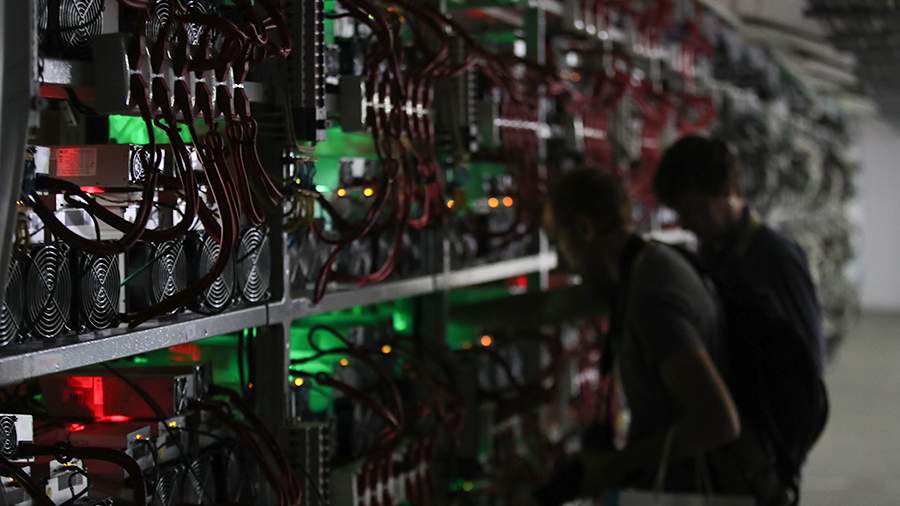
The new mining law introduces mandatory registration and clarifies the procedure for taxation of income from cryptocurrency mining. Pavel Yakovlev, co-founder of the k8x mining pool, chief operating officer, cybersecurity and mining specialist, told Izvestia about this on April 16.
"The moment of income from mining is the date when the crypt was credited to the wallet. The market price of the coin on that day becomes the tax base," he said.
According to the expert, if the electricity consumption exceeds 6 thousand kWh per month, the miner must register in a special registry. With smaller volumes, individuals can work without registration, but this does not exempt them from paying taxes.
The expert explained that the income from mining is fixed on the date of crediting the cryptocurrency, and its market value at that moment becomes the tax base. Upon subsequent sale, additional taxation arises from the difference between the sale price and the value of the asset at the date of receipt.

He added that for legal entities, income tax is applied at a rate of 25%, and for individual entrepreneurs — personal income tax on a progressive scale. At the same time, miners can reduce the tax base by accounting for expenses, including electricity, depreciation of equipment and rent.
Separately, the expert noted that the new law limited the use of special tax regimes, leaving only the general taxation system for mining. In addition, a reporting obligation has been introduced. Companies included in the register of miners must provide monthly data on the extracted cryptocurrency, as well as reflect income in the tax return.
The expert stressed that even if there is no obligation to register, individuals are required to declare income and pay tax. In case of violations, fines and other liability measures are provided. A fine of up to 40% of the outstanding amount, as well as penalties, may be charged for non-payment of tax. Additionally, administrative and criminal consequences are possible if violations are systemic in nature.
According to him, blocking bank accounts in the absence of a transparent source of funds remains a separate risk.
"Therefore, for companies and farm operators, the main issue today is not the fact of the mining tax itself, but the correct accounting of transactions. If a legal entity or sole proprietor calculates the cost of electricity and operating costs in advance, mining remains profitable," the expert concluded.
On March 20, the Russian government imposed a complete ban on cryptocurrency mining in several districts of the Republic of Buryatia and the Trans-Baikal Territory until March 15, 2031. It is specified that the restrictive measures came into force on April 1, 2026. The ban applies to the territories of the subjects of Russia indicated in the relevant items of the government list.
All important news is on the Izvestia channel in the MAX messenger.
Переведено сервисом «Яндекс Переводчик»
