There are only grandfathers in jazz: Zbruev played a solo on drums


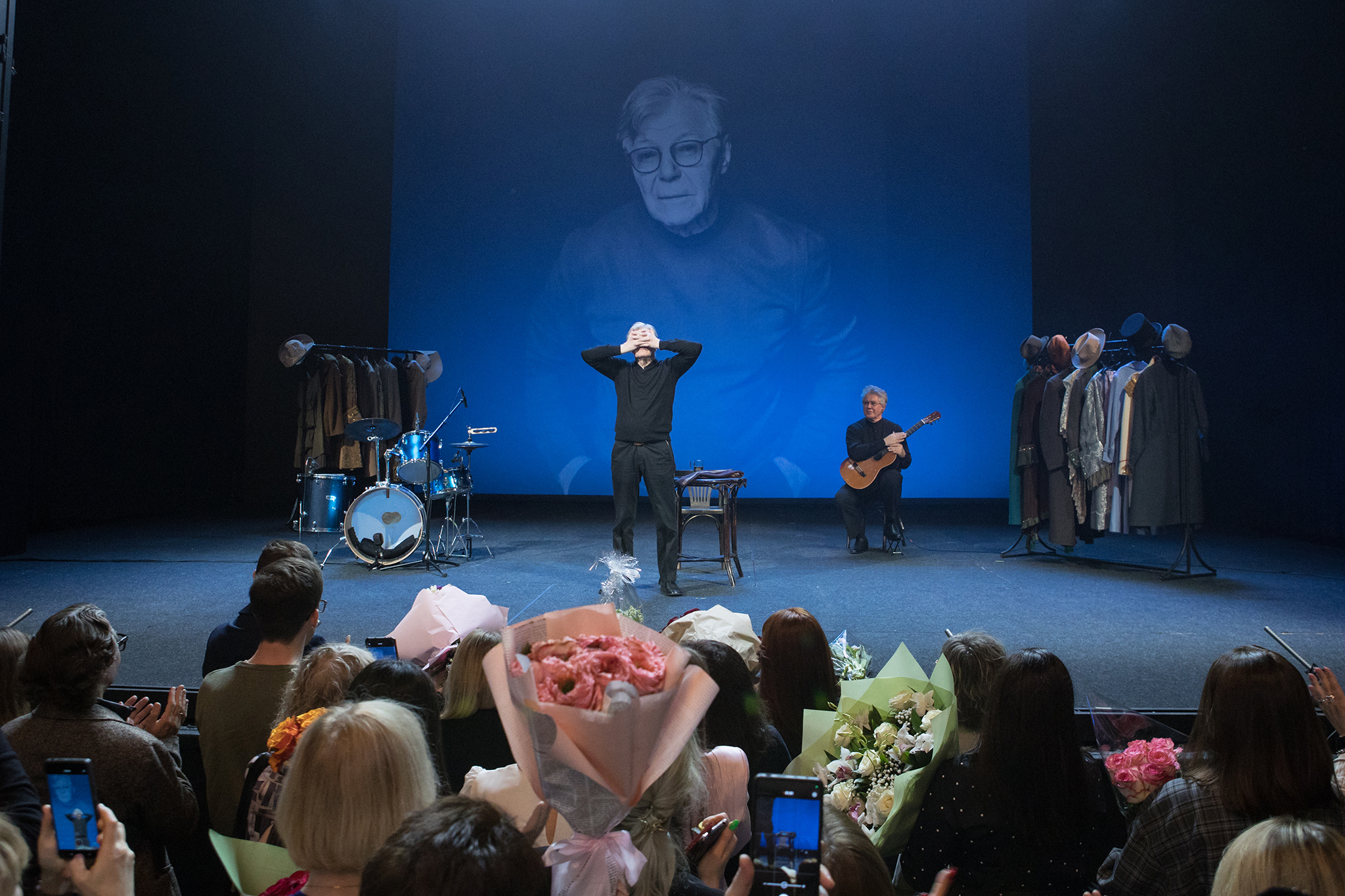
A drum kit, an acoustic guitar and an artistic word — in this frame, after a long break, the People's Artist of Russia Alexander Zbruev appeared before the audience. On the eve of his 88th birthday, he appeared on his native stage of Lenkom with a one-man show about his life and the theater in which he has served for more than 65 years. Izvestia attended this evening.
In the beginning there was a solo
The play with the laconic title "A. Zbruev..." begins in the lobby of Mark Zakharov's Lenkom, where an exhibition of the artist's graphic works has been going on for several months. The author himself calls them scratches, but in these broken lines one can guess the intonations of modernity, cubist fragmentation, surrealistic freedom of association and echoes with Moscow conceptualism.
The actor announced his desire to create a new project at the presentation of the exhibition. He asked for several months to prepare, and he kept his word. Then Zbruev confessed to journalists that he wanted to tell a lot. It is not surprising that after the name appeared on the poster, the tickets were swept away in a day. Moreover, the administration had to install an additional, 13th row of chairs - and it also turned out to be fully occupied.
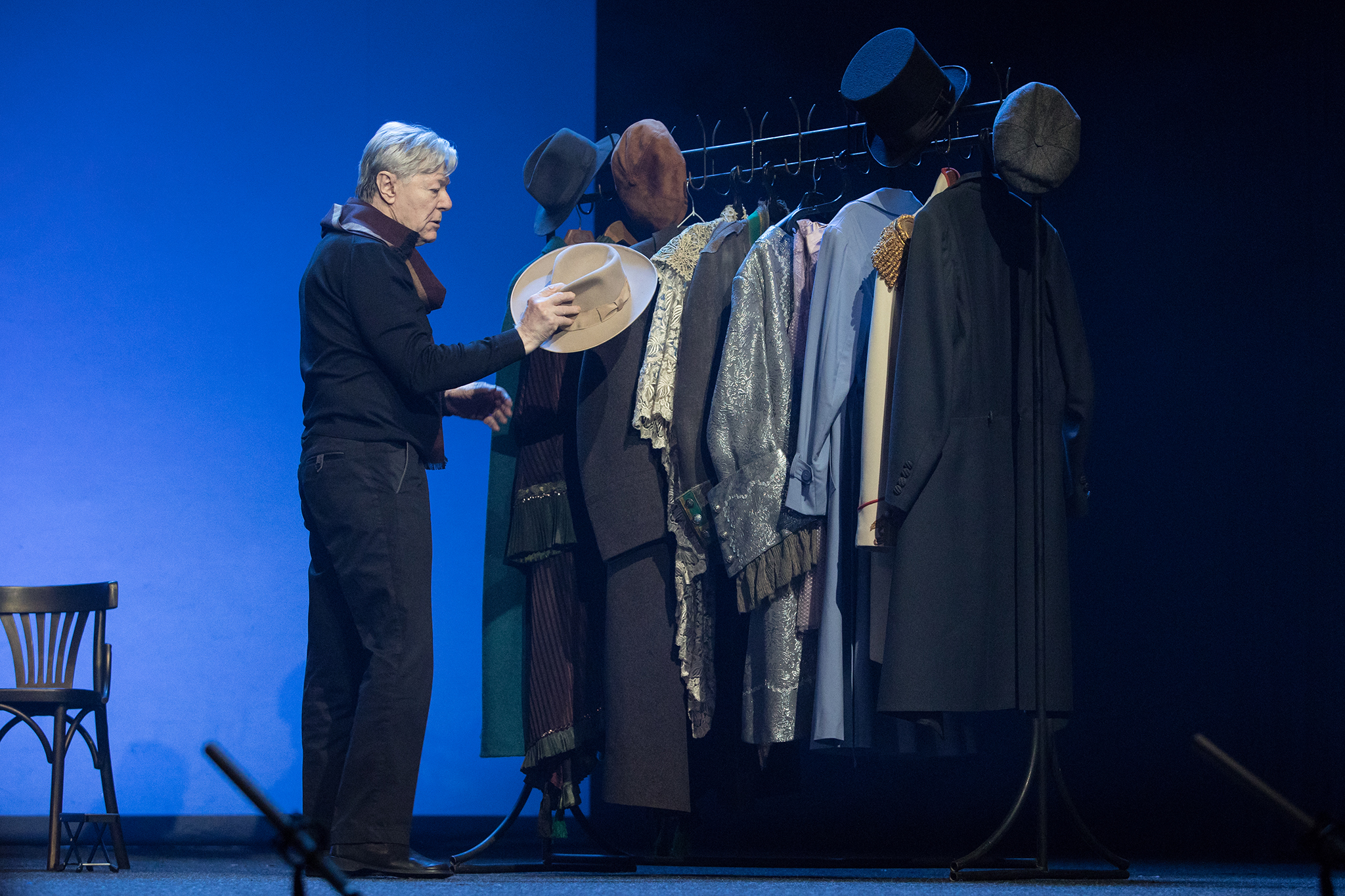
This evening was meant to be an honest and frank conversation. No complicated set design is required for such intonation. The space is designed austerely: a Viennese chair, a round coffee table with a glass in a metal cup holder. On both sides there are hangers with raincoats and hats, like the conventional wardrobe of his movie characters. "Big Change", "You're the only one I have", "A single woman wants to meet", "Everything will be fine", "My little Brother" — the roles in these films made the actor a favorite of the audience.
— I remember a time when Alexander Viktorovich couldn't walk down the street calmly. They grabbed his elbow and asked for his autograph. And the way the girls looked at him! And they're watching it now. There are people who are legends - not because it is fiction, but because it is the Lenkom Theater. There is no one who has worked here for longer than 65 years. And look how wonderful he looks," Mark Varshaver, the theater's president, confessed to Izvestia.

Zbruev comes out to prolonged applause, as befits a truly national artist. For several minutes, the audience whistles and taps their feet as he slowly walks to the hanger to put on a gray cap. And then suddenly he goes to the installation in the left corner of the stage and taps out a cheerful, free rhythm, reminiscent of jazz improvisation. He repeats this gesture in the finale, closing the evening's composition. Between two unexpected musical accents, an hour—and-a-half narrative unfolds about life, theater and time.
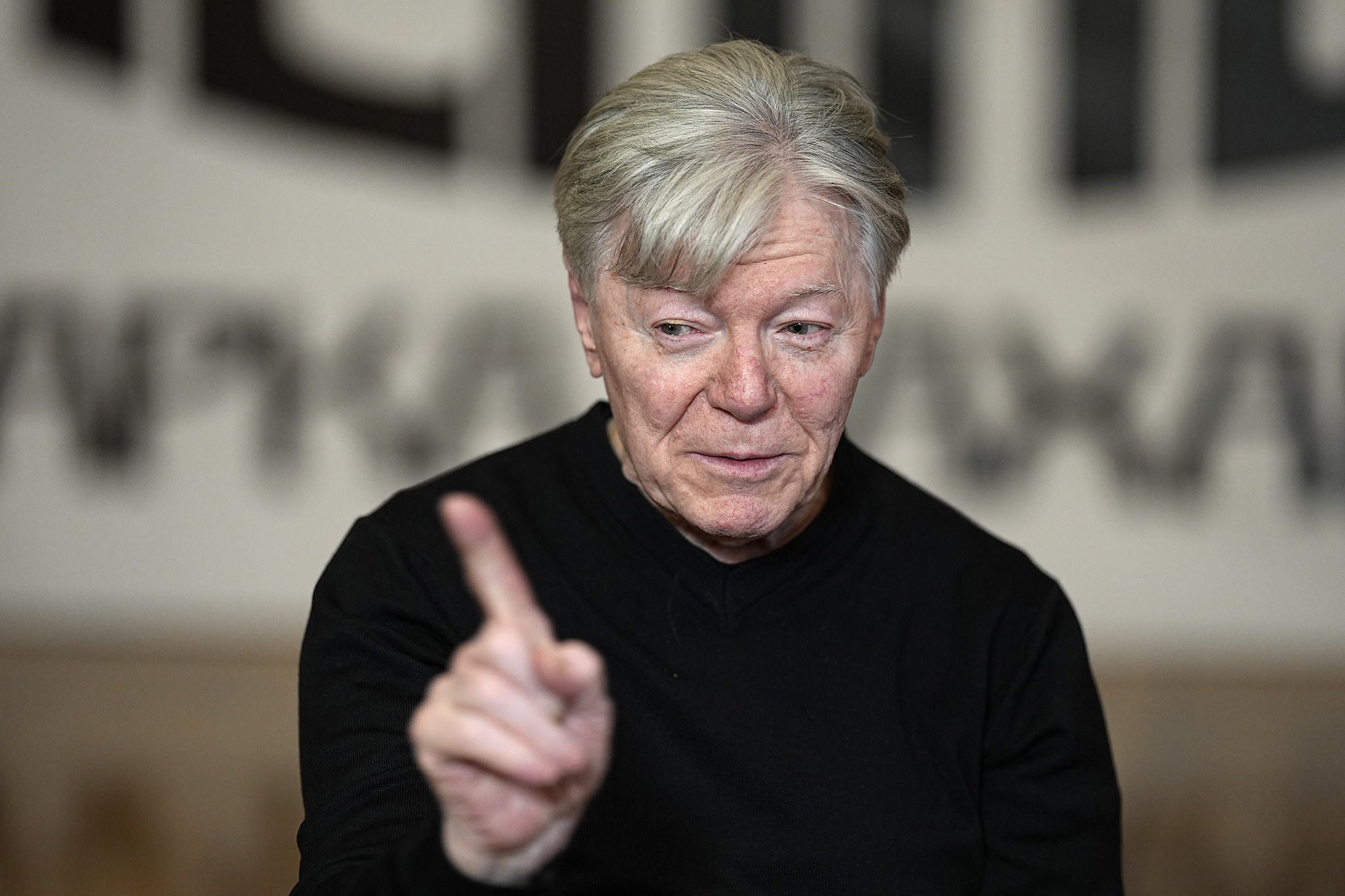
— I allowed myself to behave as I see fit: not to bend down in front of anyone or anything, but to be myself. People are rarely real. We live in circumstances, and they dictate to us what to do. It's only when we're alone with each other, as we used to be in the kitchen, that we become ourselves. On this stage, where I know every board, I will be who I am," Zbruev told reporters a few days before the premiere.
There are rare revelations about childhood: about Tatiana's mother, who was never destined to become an actress, and about Victor's father, whom he had never seen. In 1937, a "voronok" came for him, and a few days later, after a fifteen-minute trial, he was sentenced to death by firing squad. The last thing he managed to do for his son was to give him a name.
— When they took him away, he told my pregnant mother: "If a daughter is born, call her Masha, and if a son is born, Sasha," Alexander Zbruev recalls from the stage.
Artistic stand-up
This story begins the journey into the artist's life. Today, this format would be called stand—up, and it really has a lot of humor. For example, the memory of the first appearance on stage.
Zbruev was asked to replace the absent actor in the play "The Night Miracle": they put on a uniform, gave him a helmet and hung a machine gun around his neck — the play was about the war. In a panic, he asked the director: The answer was simple: when the lights go out, you need to go backstage — Lenya Kanevsky, who is also involved in extras, will help. However, when the lights went out, Kanevsky was not there. Zbruev had to grope for the wings in the dark and loudly whisper for the lost Lenya. Needless to say, there was a lot of laughter in the audience after this story.
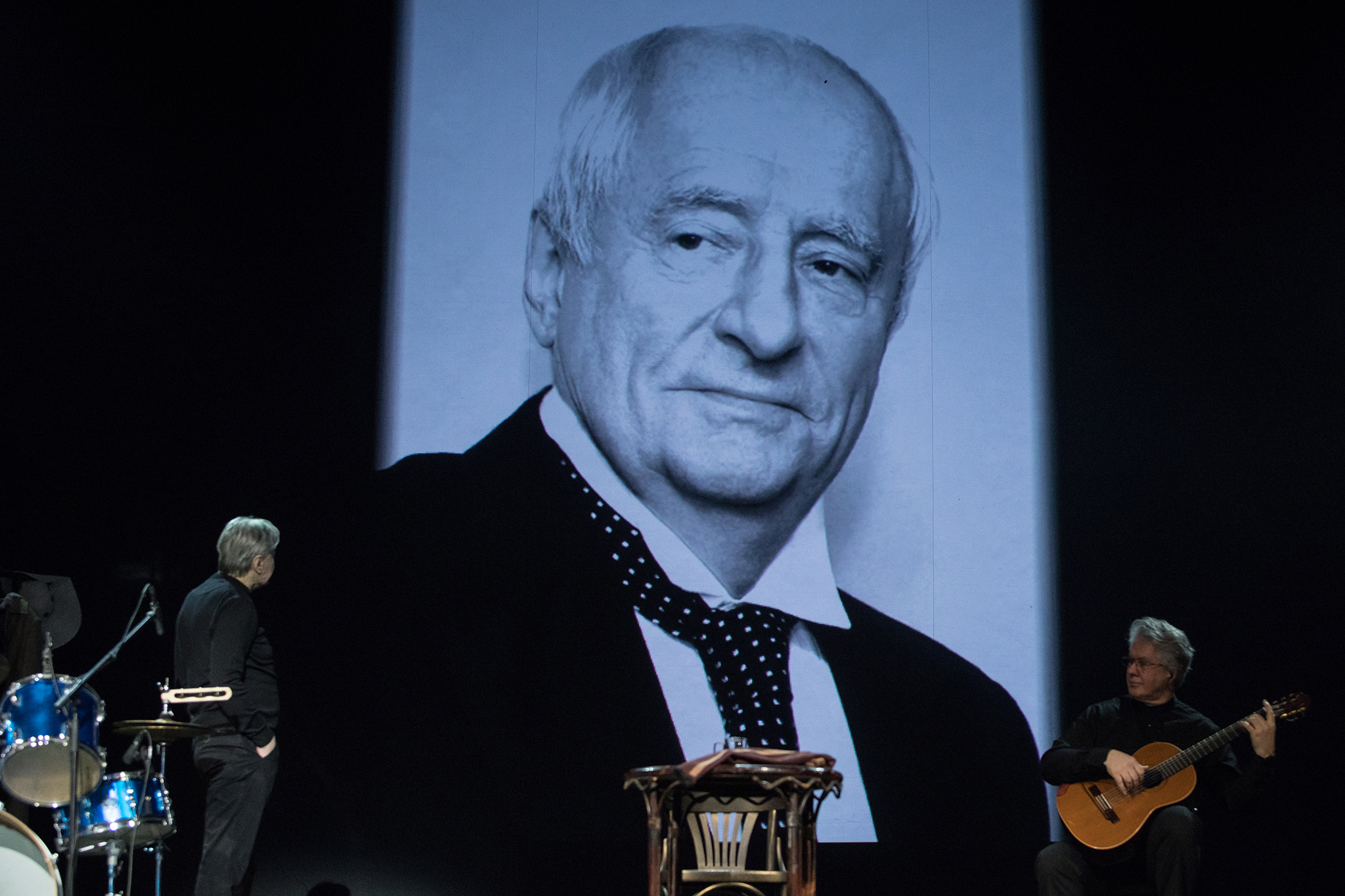
Moreover, the 88-year-old actor, telling the episode, seems to turn into that young actor again: he moves rapidly around the stage, actively gestures and seems to be looking for a way in the dark again. In an hour and a half, Zbruev moves freely from the lyrical to the comic, extracting from his memory either acting tales about filming with Oleg Dahl and Andrei Mironov, or memories of working with Anatoly Efros, Mark Zakharov and Oleg Efremov.

The performance is built as if without seams: the stories naturally turn into poems by Shakespeare, Okudzhava, Pasternak — "Melo, melo all over the earth to all the borders. A candle was burning on the table. The candle was burning." Zbruev is assisted on this stage journey by director Ildar Gilyazev, guitarist Yuri Nugmanov, as well as young artists Valeria Tarelkina and Elizaveta Korovina.
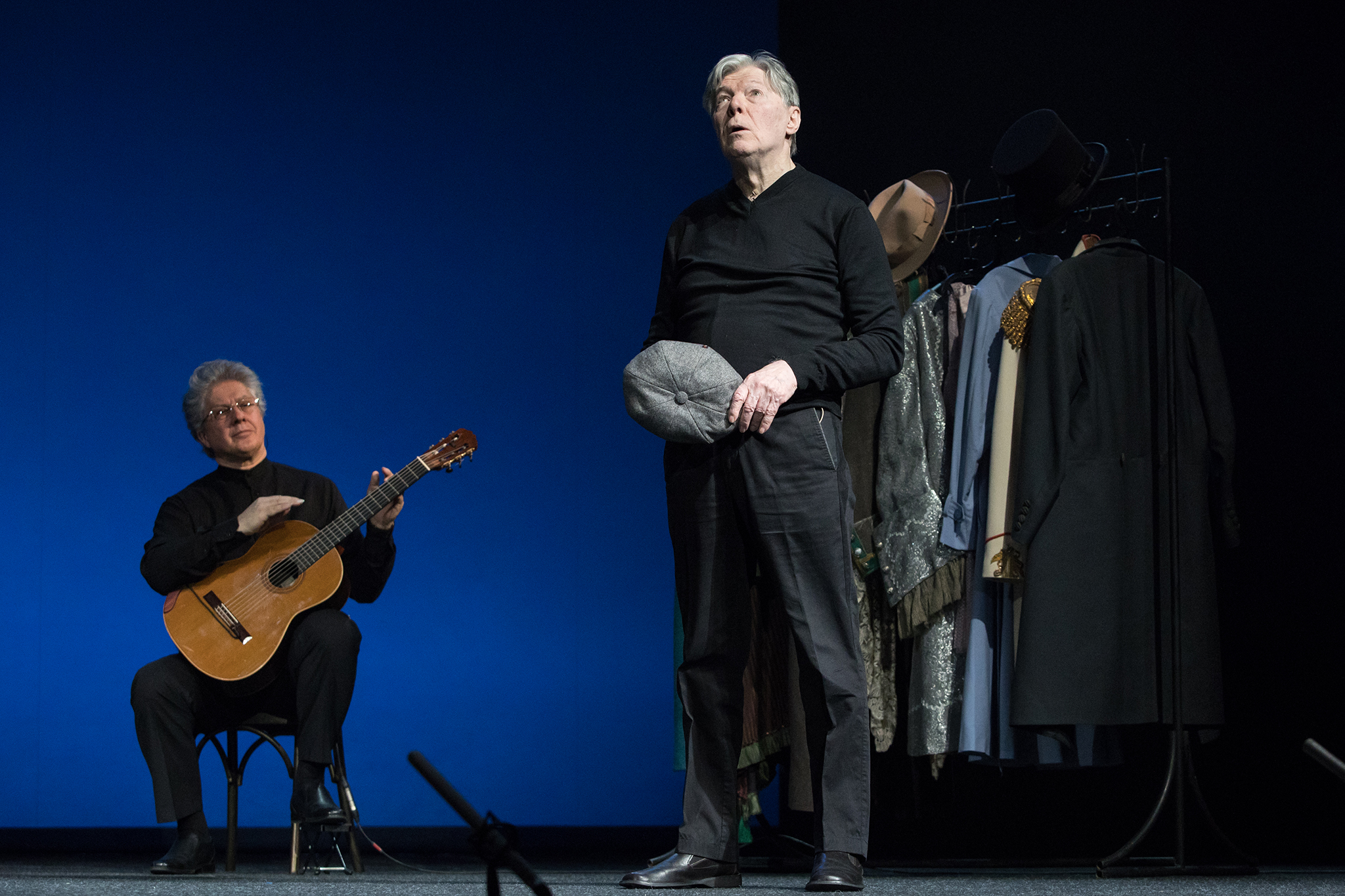
The contrast between the comic and the dramatic is built with special precision. Laughter in the audience is easily replaced by silence, and then by an almost physically palpable concentration. And Alexander Zbruev confidently manages this emotional rhythm.
Whether such meetings will continue depends on the artist's well-being. Until recently, alarming reports about his health were discussed in the press, but on stage he demonstrates energy and inner composure. In an hour and a half, Alexander Viktorovich easily convinces: his temperament is still commensurate with his age — an almost symbolic double infinity.
Переведено сервисом «Яндекс Переводчик»
