Prick up the shells: giant mussel protein will strengthen the fight against super microbes three times
- Статьи
- Science and technology
- Prick up the shells: giant mussel protein will strengthen the fight against super microbes three times


Scientists from Russia and China have found that Pacific mussel protein is able to increase the effectiveness of traditional antibiotics against Staphylococcus aureus and E. coli, bacteria that cause infections of the skin, respiratory tract and digestive tract. The protein itself does not destroy microorganisms, but it suppresses their division and prevents the formation of colonies, making them more vulnerable to the effects of drugs. The development can become the basis for the creation of combined drugs designed to combat infections resistant to existing drugs in humans and animals.
How giant mussels enhanced the effect of an antibiotic
Many antibiotics used in medicine and agriculture are gradually losing their effectiveness due to the growth of bacterial resistance. In this regard, scientists are looking for both new drugs and ways to enhance the effect of existing ones. One approach is to use excipients that do not destroy microorganisms by themselves, but help drugs overcome their protective mechanisms.
Researchers from the Yelyakov Pacific Institute of Bioorganic Chemistry of the Far Eastern Branch of the Russian Academy of Sciences (Vladivostok), Heilongjiang University (China) and Yilan State University (Taiwan) have found that the protein lectin isolated from the Pacific giant mussel (Gray mussel) is able to increase the effectiveness of antibiotics.
Lectins are proteins that help mussels recognize foreign cells, such as bacteria and fungi, that have entered the body. Due to this, the immune system of shellfish is able to quickly recognize danger and resist infections.
The authors isolated CGL lectin from Pacific mussels and investigated how it interacts with the widely used antibiotic gentamicin. Specialists introduced a mixture of an antibiotic with lectin into cultures of Staphylococcus aureus and E. coli. These bacteria often cause infections of the skin, respiratory tract and digestive tract and have lost their sensitivity to a number of known antibiotics. For comparison, the scientists conducted the same experiments with gentamicin and lectin separately.
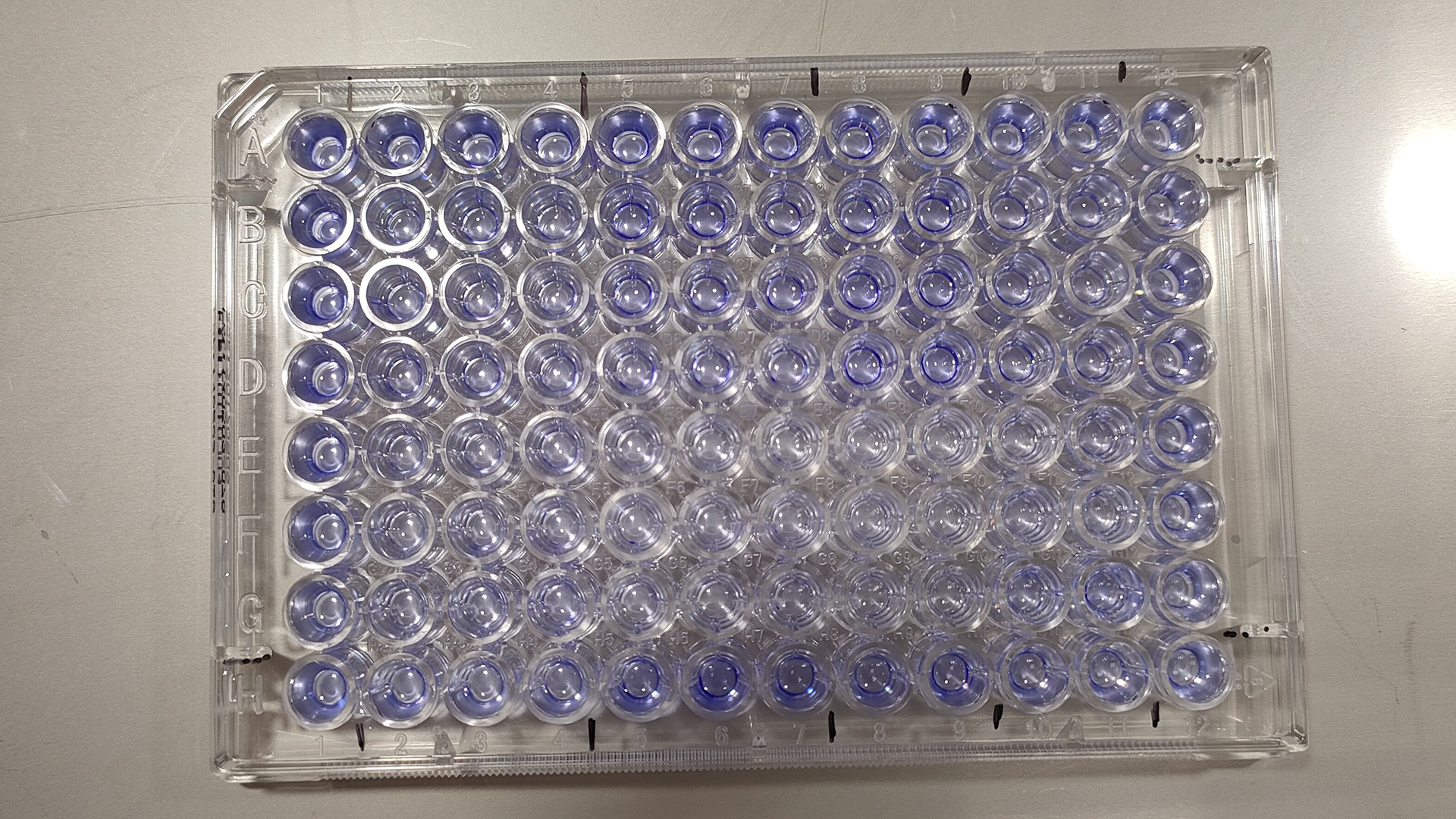
It turned out that lectin itself does not kill microorganisms, but at the same time prevents their reproduction. In addition, the substance prevents bacteria from forming biofilm communities that increase their resistance to drugs. Due to these properties, lectin increased the effectiveness of gentamicin against Staphylococcus aureus by 2.8 times and against E. coli by 1.35 times.
— We have shown for the first time that lectin from Pacific mussels can act as an "enhancer" of traditional antibiotics. Its use in combination with existing drugs will make it possible to fight infections more effectively and prolong their use, despite the increasing resistance of microorganisms," said Tatiana Mizgina, a researcher at the Laboratory of Chemistry of Non—infectious Immunity at the G.B. Elyakova TIBOH FEB RAS.
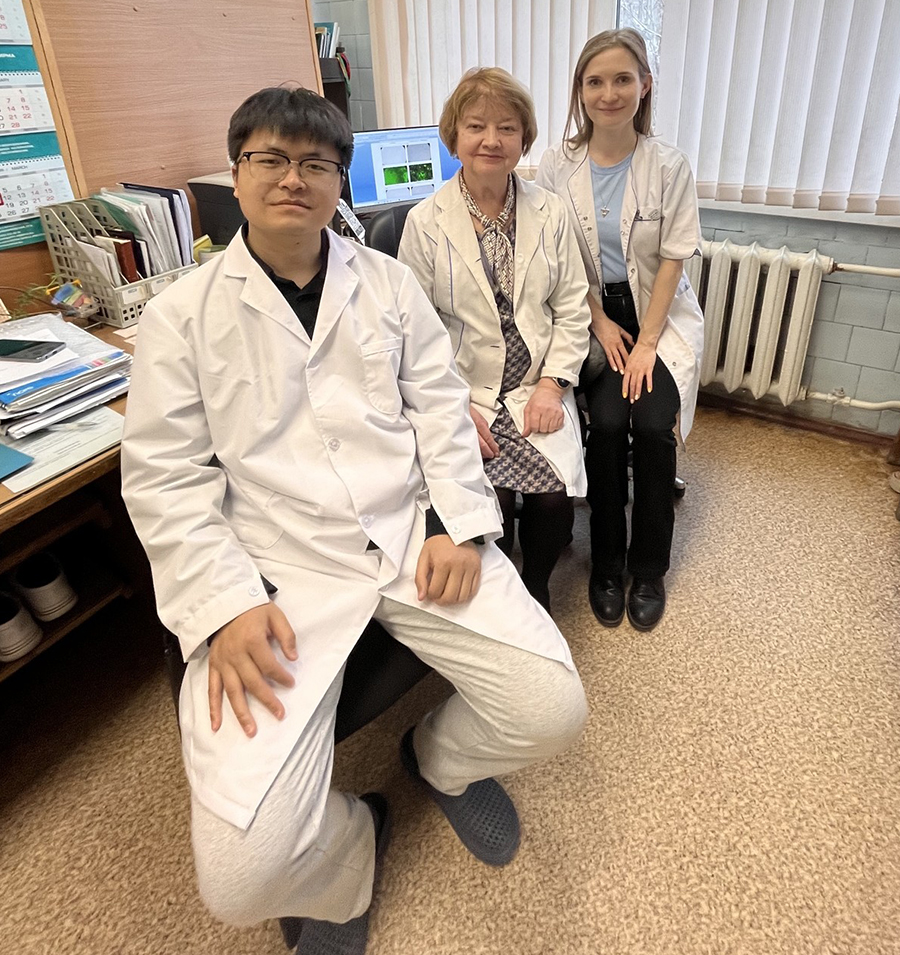
In the future, the researchers plan to study the enhancing effect of lectins in combination with antibiotics against various microorganisms, including pathogens of fungal infections, she added.
An epidemic of pasteurellosis, a dangerous disease for livestock, is gradually spreading in Russia. Foci of infection have already been identified in 10 regions, including Novosibirsk, Omsk, Tomsk, Sverdlovsk, Samara and Penza regions.
— I can assume that there are lectins that can affect the pathogens of pasteurellosis. Perhaps ours could also contact these bacteria, but we have not yet conducted such studies," Tatiana Mizgina told Izvestia.

The problem of resistant superbugs
The development of new antibiotics and improving the effectiveness of existing ones remain extremely urgent tasks, Andrey Martyushev-Poklad, an expert at the National Technology Initiative Helsnet and the Union of the Healthy, told Izvestia. According to him, this is due to the widespread resistance of bacteria to drugs.
"One of the reasons for this situation is the abuse of antibiotics and insufficient attention to increasing the body's resistance to infections," the expert noted. — When bacteria are simultaneously exposed to natural defense components such as lectins and antibiotics, the effect is higher. This will also reduce the dosage of drugs without loss of effectiveness and, as a result, reduce the risk of side effects," the expert noted.
Antimicrobial peptides of mussels provide them with protection in an environment saturated with microorganisms, and being an essential part of innate immunity. These organisms have formed a whole arsenal of infection protection tools that allow them to survive, added the head of the Smart Supply Chain segment of the FoodNet working group NTI Sergey Kosogor. According to him, it is this property that is of particular interest in the context of combating bacterial resistance to antibiotics.
— Antimicrobial peptides of shellfish are not just a set of protective molecules, but a complex, finely tuned system that provides immunity and interaction with the microbiota. Their ability to affect the virulence of bacteria opens up new possibilities for creating drugs that can partially replace antibiotics. In addition, the development of functional food products based on them may become a promising direction in the prevention of chronic diseases associated with aging, including cancer, atherosclerosis and diabetes," the expert noted.
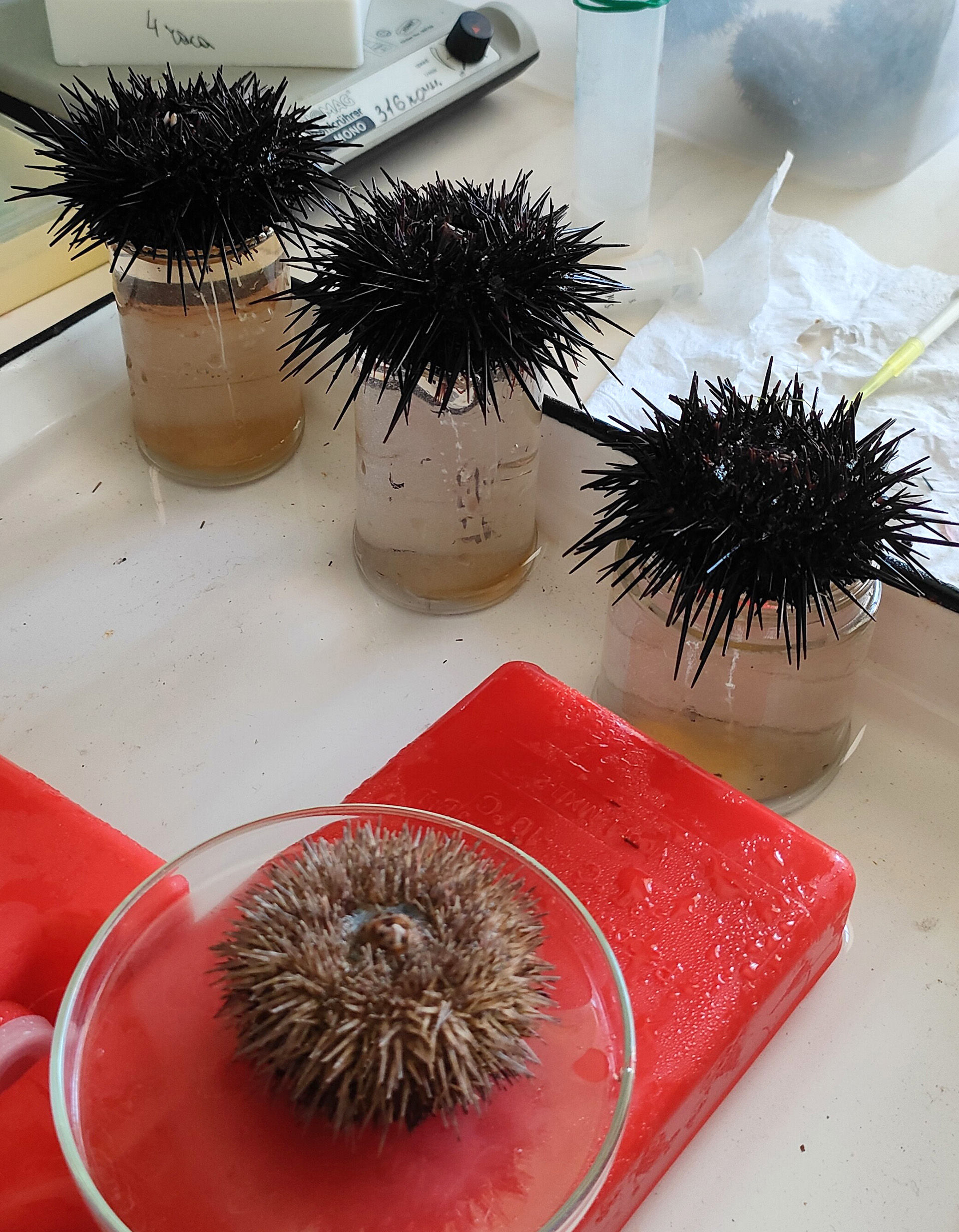
The marine environment is characterized by high biological competition. Shellfish, sponges, algae, and marine microorganisms have developed a wide range of antimicrobial peptides. Many of them have unusual mechanisms of action that are valuable in the fight against resistant infections, said Andrey Burkov, Director of Strategic Marketing and Product Portfolio Development at R-Pharm.
Studies of molecules similar to the protein from Pacific mussels are of great value. Such compounds can increase the sensitivity of bacteria to antibiotics, disrupting their growth and ability to form biofilms. In the future, this may form the basis of combined drugs, where one component enhances the effect of the other, says Andrey Burkov, Director of Strategic Marketing and Product Portfolio Development at R-Pharm. According to him, such approaches can prolong the effectiveness of existing antibiotics, curb the spread of resistant bacterial infections and become the basis for new classes of drugs.
The method proposed by scientists can really give a second life to antibiotics and help many patients, but thorough safety studies of such drugs are needed, added Alexander Vasenev, developer of educational programs, leader of the Thinking Clubs, and expert at the NTI.
The results of the study, supported by a grant from the Russian Science Foundation (RSF) and the government of Primorsky Krai, are published in the International Journal of Molecular Sciences.
Переведено сервисом «Яндекс Переводчик»
