Turkish Bit: Programmers from 21 countries compete in cutting-edge coding
- Статьи
- Science and technology
- Turkish Bit: Programmers from 21 countries compete in cutting-edge coding


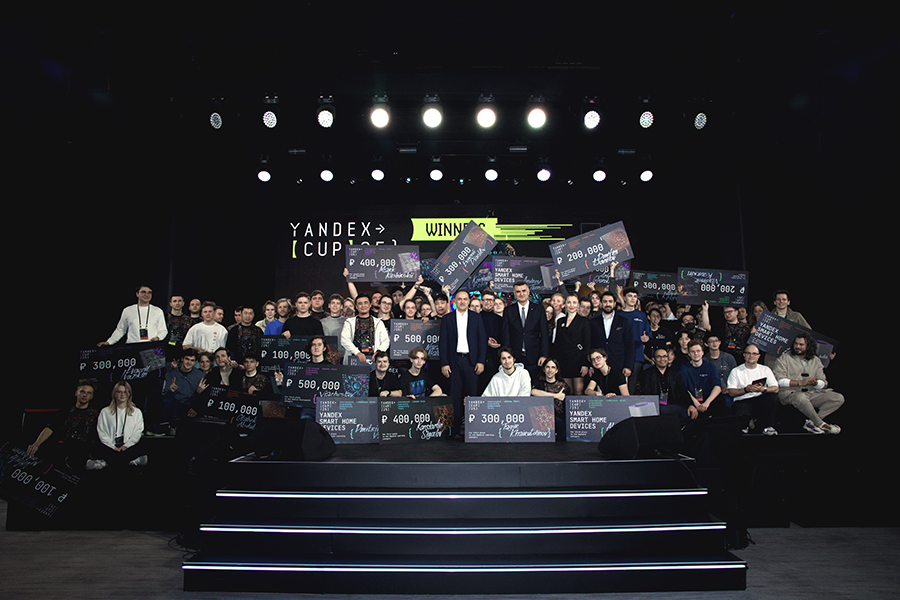
The final of the Yandex Cup international programming championship was held in Istanbul, which brought together participants from 21 countries, including China, the USA, Japan, the Netherlands and others. The subjects of the tasks for the finalists referred to the unique handwork of Turkish craftsmen of the past. For example, the art of mobile development has been linked to jewelry, and analytics to the work of a sculptor. Read more about how high technologies and crafts of the past were combined in one space in the Izvestia article.
"Crafting" algorithms and ancient crafts
Tagir Khairutdinov came to the final of the 8th international programming championship Yandex Cup directly from a trip around the world. According to the participant, reaching the final of the competition is not a bit inferior to visiting a new country.
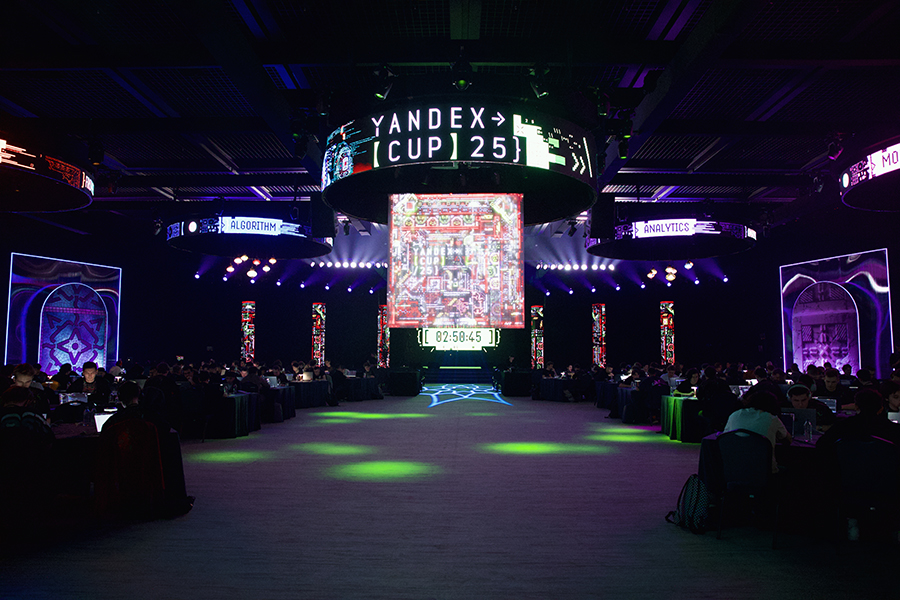
— I participated in this competition last year and became the winner among the employees, I really liked it. It's a great way to dilute the circumnavigation," he said.
This year, the final of the competition was held in Istanbul for the first time, and the choice of a city with a rich history of ancient crafts is not accidental. This year, the organizers have made the main theme of the event "craft", that is, hand-written code. In practice, this means a specialist's ability to use the most advanced technologies, including artificial intelligence, and their own creativity and experience.
More than 21,000 people applied for the competition, and 196 developers from 21 countries qualified for the finals. The winners were 61 specialists from Russia, Uzbekistan, China, the USA, Canada and Japan. The prize fund was 12 million rubles.
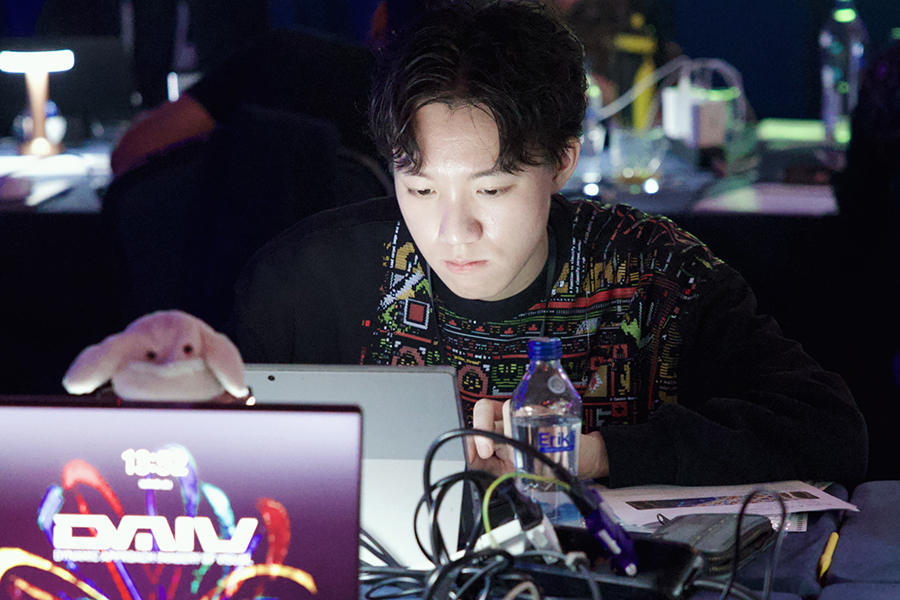
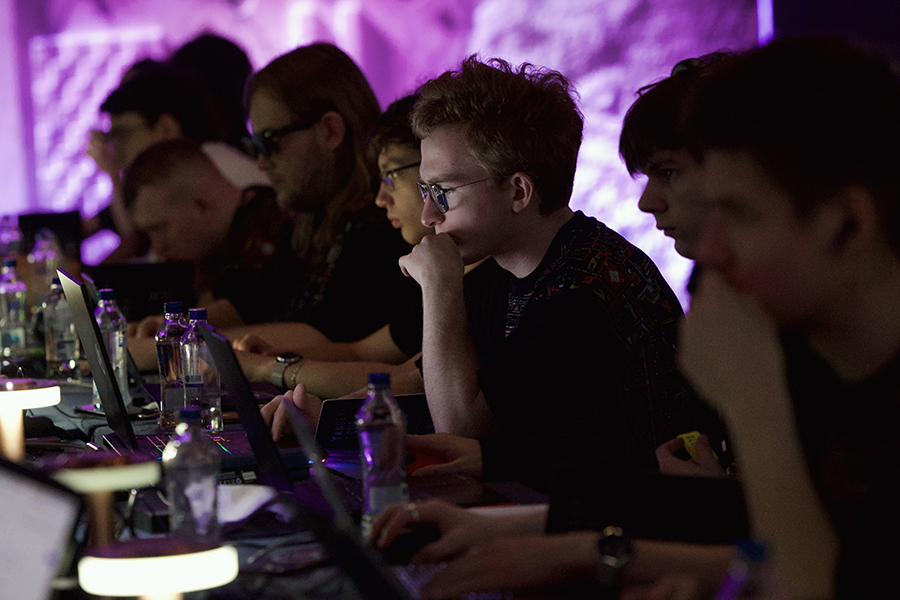
The competitions are held in six areas, one of which, machine learning (ML), has become international and open to juniors for the first time this year, Peter Ermakov, Yandex's ML brand director, told Izvestia. The organizers have proposed to the world community a new format for such competitions: programmers go through the qualifying stage online — participants from 60 countries competed in it — and then the best of the best in the final face-to-face and speed-solve tasks as close as possible to what ML specialists face in real work.

"By increasing the number of international destinations in the championship, we are expanding the global technology catalog, giving our tasks to students from different countries, and seeing and analyzing interesting solutions from around the world," said Peter Ermakov.
Other areas are algorithm, frontend (development of user functions and interfaces), backend (development of the logic of the site, hidden from the user), mobile development, analytics. There was also a separate track for junior students aged 14-18.
The whole theme of the finals and the tasks for the finalists themselves were imbued with oriental flavor and references to the unique handwork of Turkish masters of the past — from forging and calligraphy to weaving and jewelry. Each direction had its own tradition. For example, the backend, as the foundation of all services, solved problems related to blacksmithing, the skill of mobile development was associated with jewelry, and analytics with the work of a sculptor.
— Every year, the complexity of tasks in competitions, both personal and team— is growing significantly. Some techniques become common knowledge, and you have to come up with more complex tasks so that they remain interesting to professionals. If you're constantly training, you can keep up with this increase in difficulty," said Mikhail Levin, Director of Artificial Intelligence at Yandex Market, who began participating in such competitions as a student and continues to do so in the company's employee track.
How was the programming Championship in Istanbul?
To convey the atmosphere of Istanbul, real workshops were built on the site, where everyone could try themselves as a Turkish master of the past. Participants and guests of the event could mint a coin with their own hands, try themselves as a weaver, potter, mosaic master and take the finished product with them. And all this in the atmosphere of a Turkish bazaar, among carpets, embroidered pillows and oriental sweets.
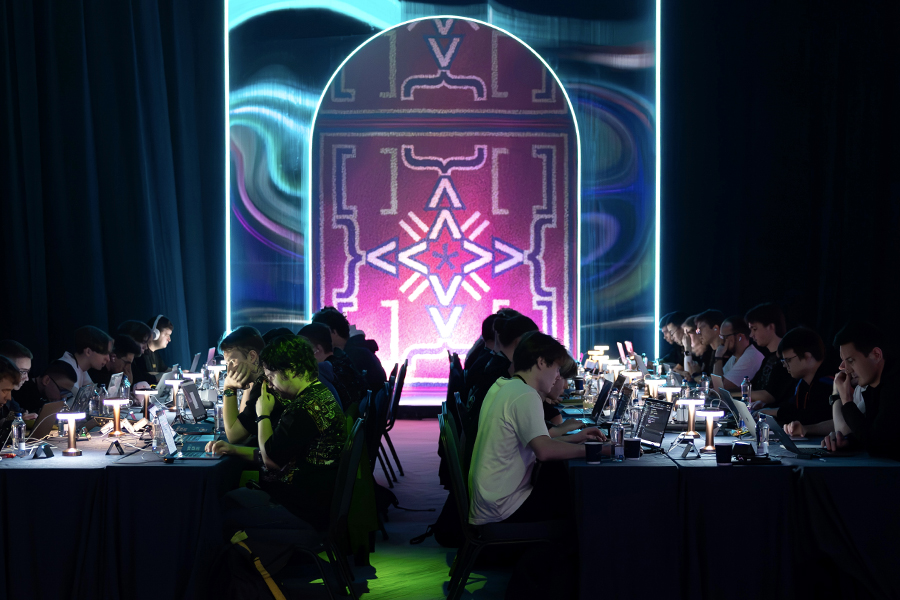
At the same time, the main venue where the competitions took place was a space that transferred images of ancient arts into digital form on screens and in installations.
— I am from Tatarstan, and all this oriental flavor combined with technology is very close to me. In general, there is an amazing atmosphere here, it's a cool community where you can meet very interesting people," Yasmina Ismagilova, a finalist of the Analytica track among juniors, as well as last year's prize—winner, a first-year student at the Higher School of Economics.
For the first time, the tournament program was complemented by educational lectures and discussions with global IT experts.
Such competitions help bigtech companies find talented employees, Andrey Stankevich, Dean of the Faculty of Information Technology and Programming at ITMO University, told Izvestia.
— They produce what is called a "sample shift" in mathematical statistics. Thousands and thousands of people pass through the HR departments of large bigtechs every month. There are many of them who, for one reason or another, are not suitable and cannot become a driver of innovation. And such events help to find real stars, even if some of them are not suitable for working in the company, but if at least one comes to work and makes a technological breakthrough, it can recoup all costs thousands of times," the specialist said.

Intellectual competitions in programming, mathematics, and other exact sciences are very important because they help to find the best of the best, both among adults and among schoolchildren, said Evgeny Sokolov, head of the Department of Big Data and Information Retrieval, Faculty of Computer Science at the Higher School of Economics.
— For example, at the Faculty of Computer Science we always rely on the recruitment of Olympiad students and accept many finalists of the All-Russian Olympiads in computer science, mathematics, physics, economics. They are very talented guys. And this is important for technology giants, because they understand who to take on the most difficult tasks at the forefront of science," the expert said.
Acceptance of applications for the 2026 championship will begin next fall, the organizers said.
Переведено сервисом «Яндекс Переводчик»
