September 14 — Tanker's Day: history, traditions, greetings and postcards


On the second Sunday of autumn, Russia celebrates Tanker Day, dedicated to all those who serve or have served in armored and mechanized forces. In 2025, it falls on September 14th. Izvestia tells about the history and traditions of the holiday, as well as shares greetings and postcards for those responsible for the celebration.
Tanker's Day in Russia — the history of the holiday
Tanker's Day is a holiday with a rich history. It was established in 1946 by decree of the Presidium of the Supreme Soviet of the USSR. Thus, the country's leadership sought to emphasize the merits of the tankers who made a significant contribution to the Victory in the Great Patriotic War. September 11 was chosen as the date of the celebration — on this day in 1944, Soviet tank troops broke through enemy defenses during the Eastern Carpathian operation.
Before the celebration of the first Tankmen's Day in 1946, a parade was held on Red Square in Moscow, in which the 4th Guards Kantemirovskaya Tank Division, famous for the battles on the Don and Kursk Bulge, participated. The event featured the most modern tanks of the time — the T-34, which became a symbol of Victory, the heavy IS-3 and the ISU-152 self-propelled guns. Subsequently, the demonstration of military equipment and demonstration performances of tankers became an integral part of the celebration.

A fixed date remained for Tanker's Day until 1980. Then, by order of the Presidium of the Supreme Soviet of the USSR, the celebration was postponed to the second Sunday of September. In 2006, this date was fixed by a decree of the President of Russia.
Traditions of the Tanker's Day holiday in Russia
In Soviet times, Tanker's Day was one of the largest professional holidays. In the first years after the Great Patriotic War, it was celebrated with solemn parades, fireworks and social events. Solemn speeches were given at the All-Union level in honor of tank crews, as well as technicians and engineers behind the creation of armored vehicles.
Today, Tanker's Day is celebrated not only in Russia, but also in some former Soviet republics: Kazakhstan, Belarus and Ukraine. In our country, the holiday has an official status, and every year military units located in major cities hold parades and other events. Top officials of the state congratulate tankers at the federal level, and concerts, exhibitions and lectures on tank technology are held at the regional level.

In addition, many cities where tank units or military factories are located organize cultural events, from concerts to sports competitions. The holiday often ends with colorful fireworks.
Congratulations on Tanker's Day
On Tanker's Day, congratulations are received not only by active military personnel, but also by veterans, as well as students and teachers of specialized universities and colleges. The holiday is a great opportunity to express gratitude to the defenders of the Motherland and celebrate their achievements. Here's how it can be done:
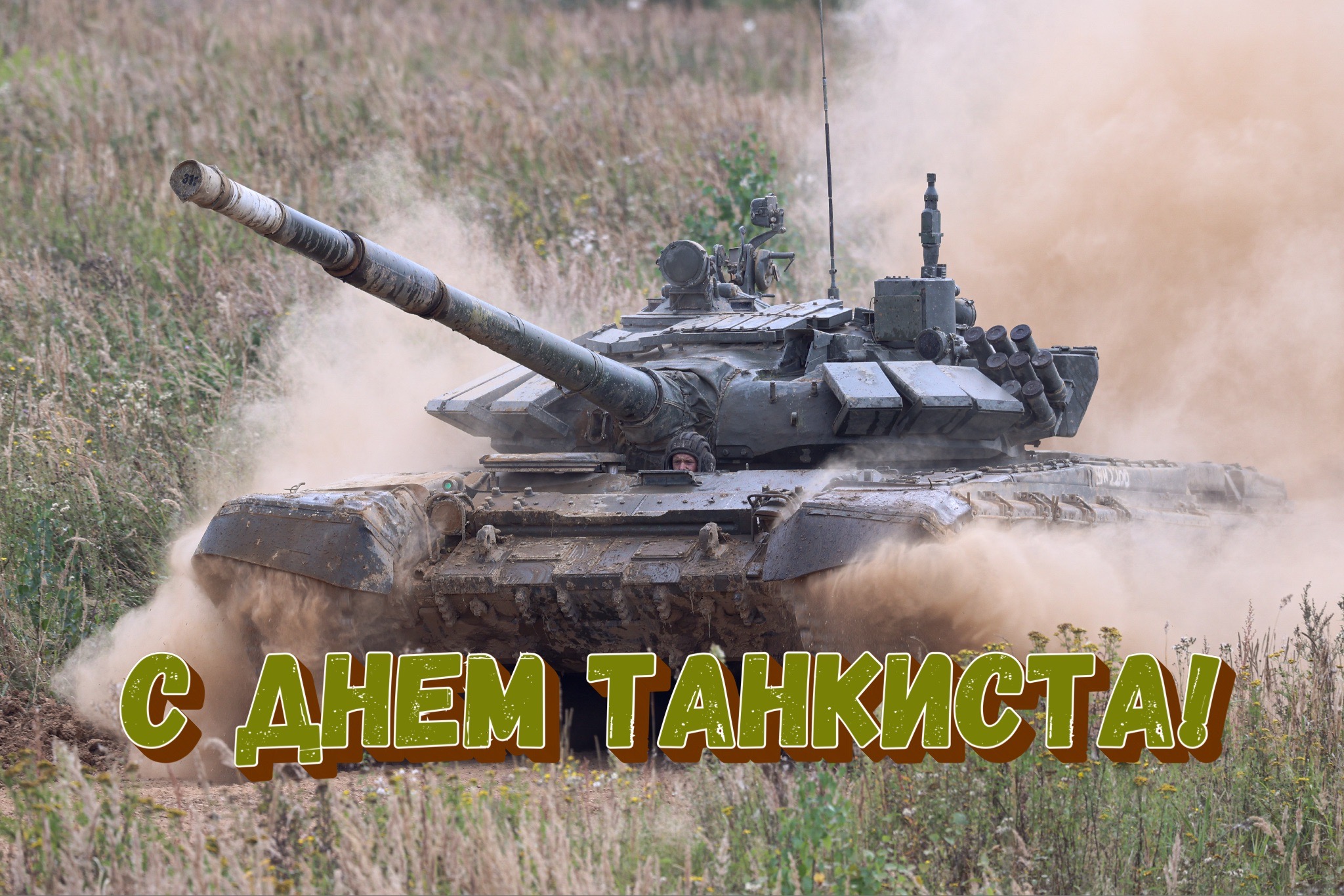
"Congratulations on Tanker's Day! May your every day be full of self-confidence, and may service bring pride in your country and your work. I wish you good health, strength to achieve your goals and reliable comrades!"
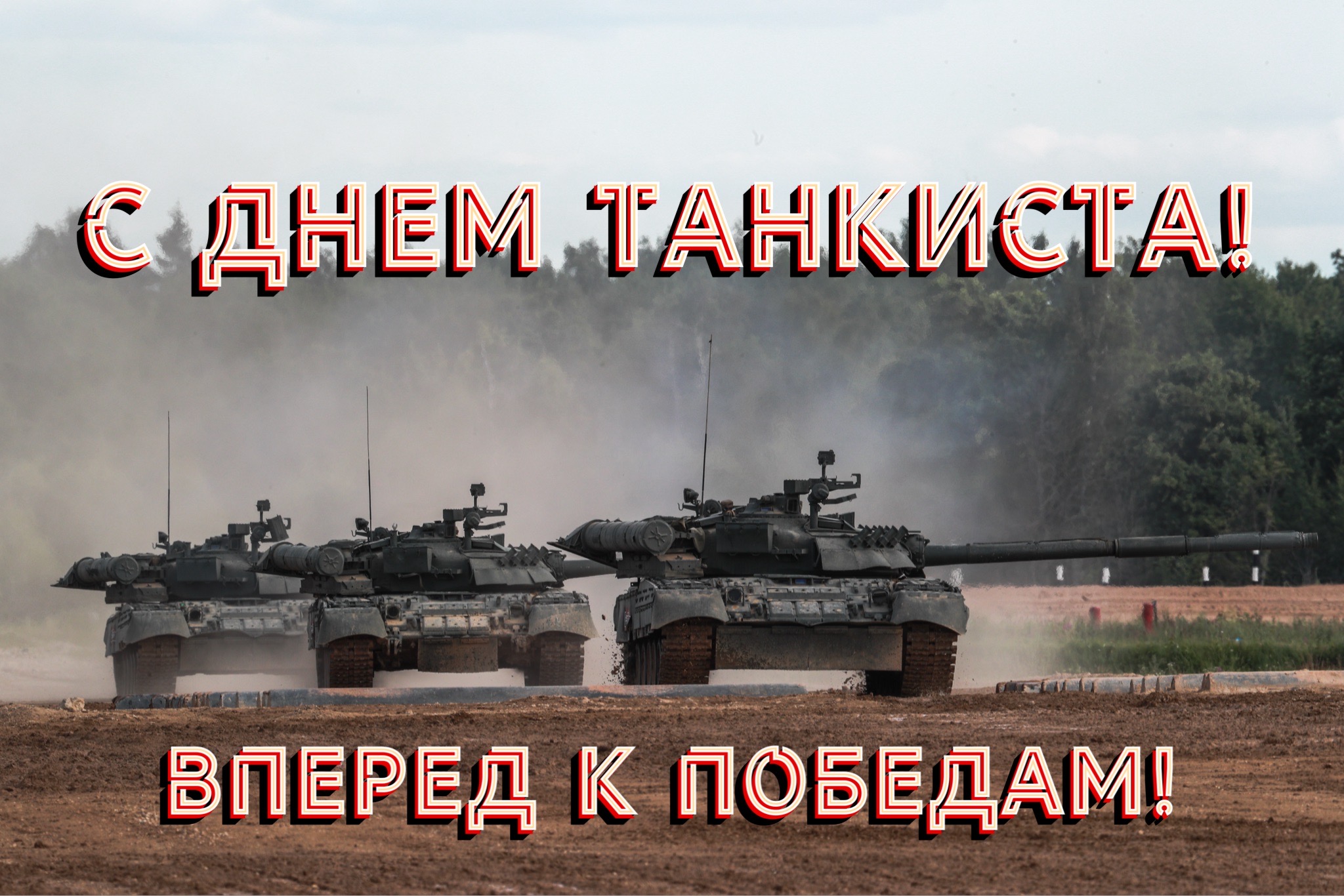
"Happy Tanker's Day! May life be like a successful combat mission — with clear goals and well-deserved victories. May your armor shield always be invincible, and new heights and glorious achievements await ahead!"
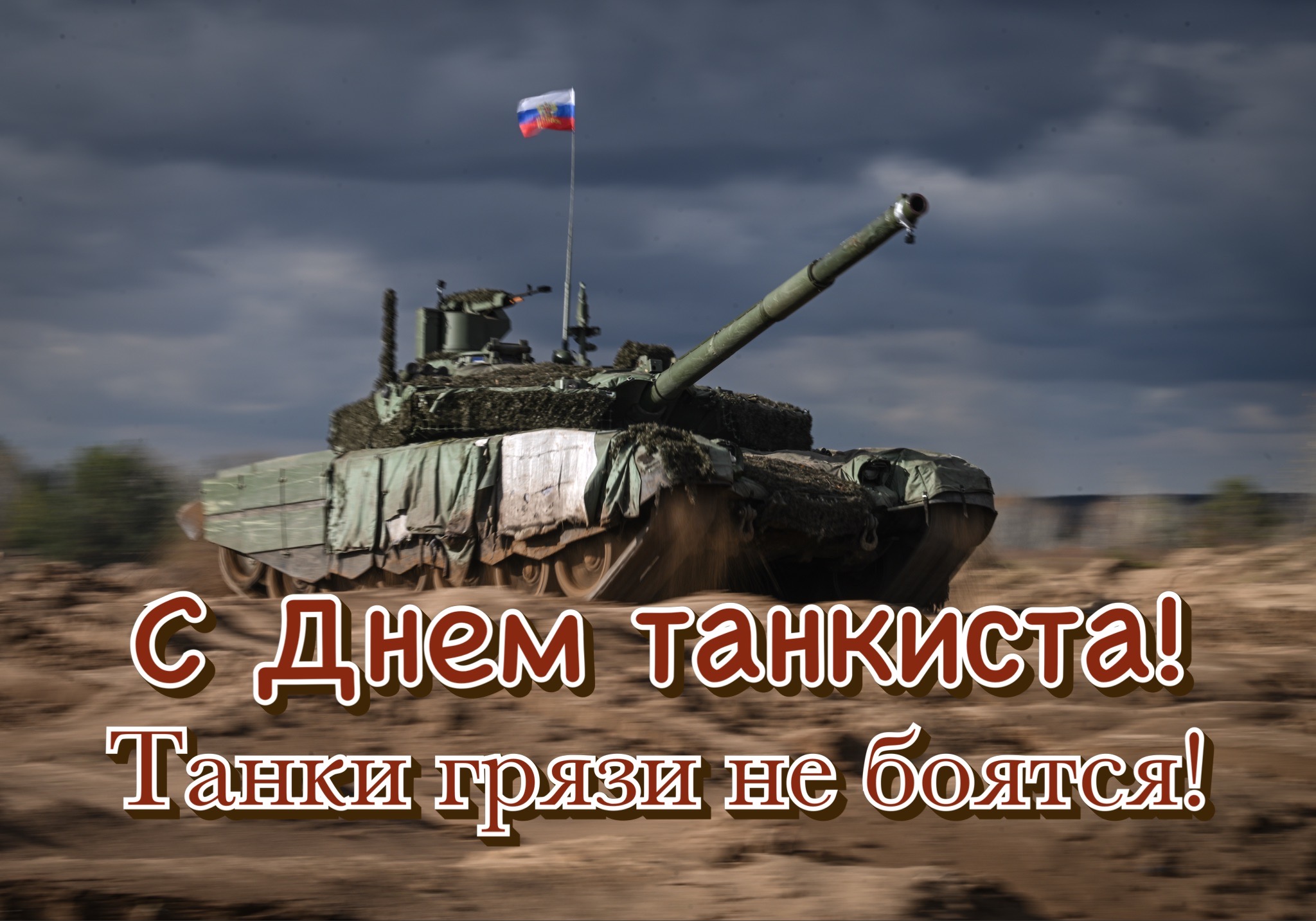
"Tankers are those who are always ahead, even in the most difficult situations. May your service be easy and your tasks manageable. I wish that each trip was successful and helped you get one step closer to your dreams. Happy holidays!"
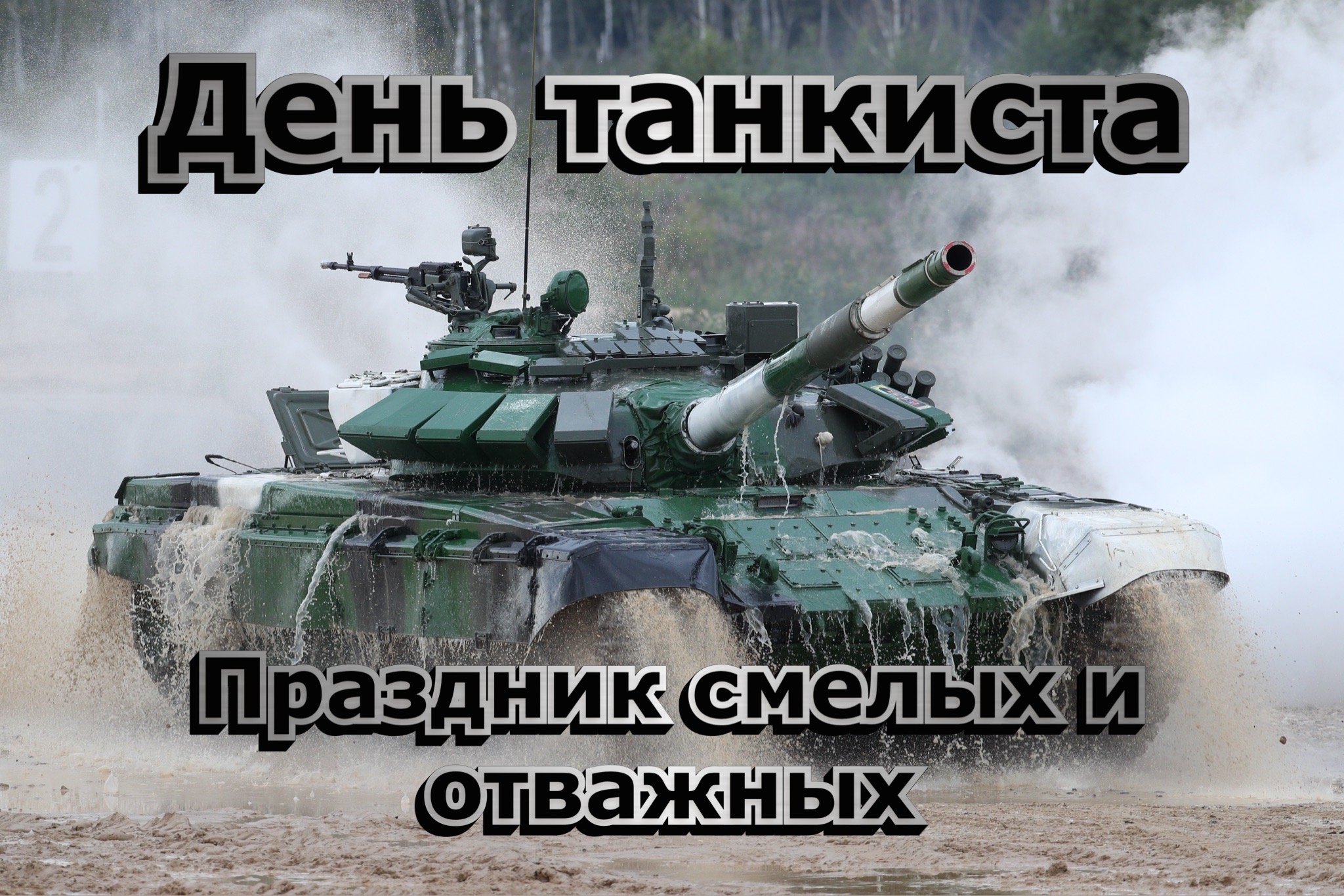
"Congratulations on Tanker's Day! May your path be strewn with rewards, and every day brings self-confidence. I wish you to overcome the most difficult obstacles effortlessly, always hit the target and achieve your goals!"
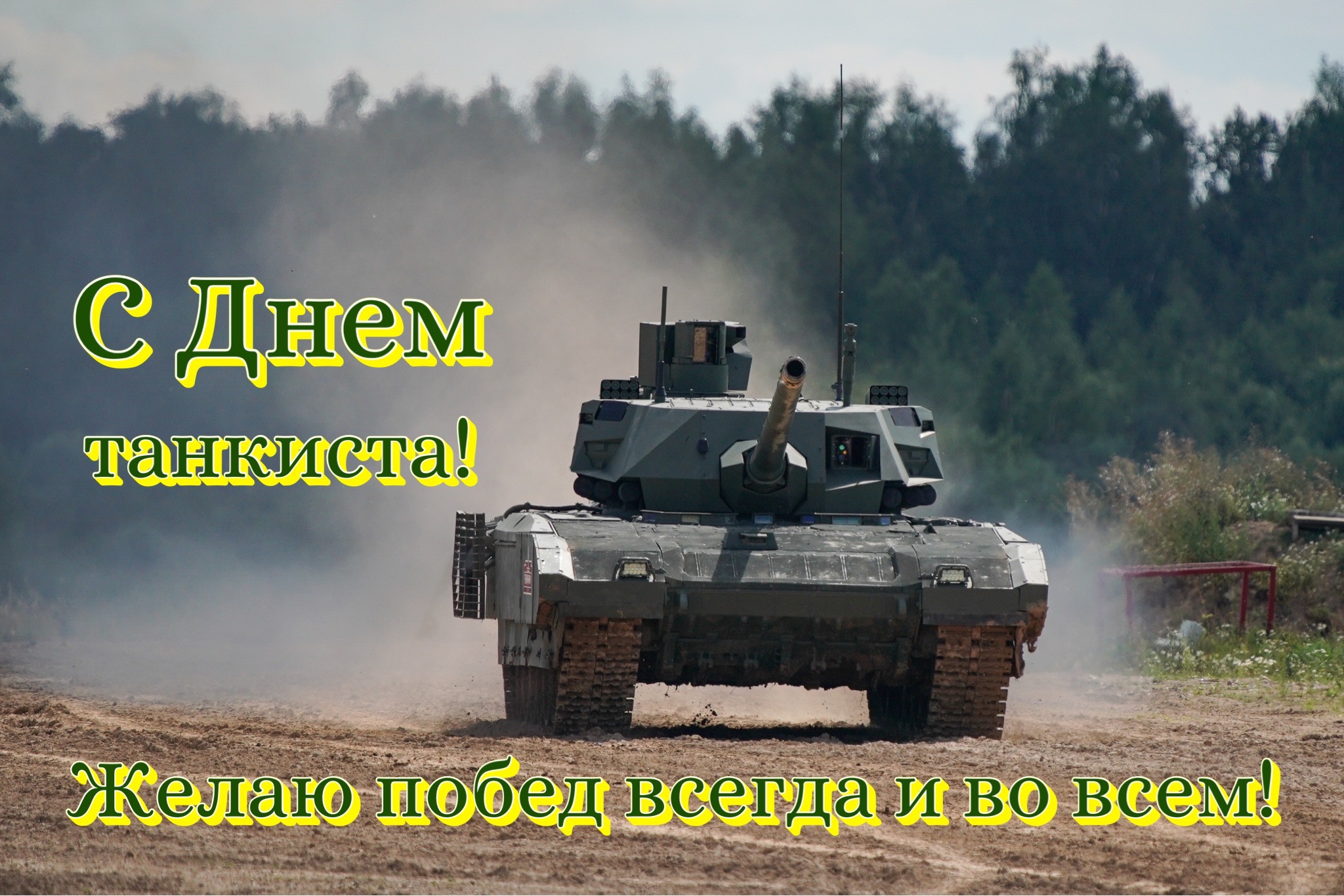
Interesting facts about tanks and tankmen
In honor of the holiday, Izvestia collected some interesting facts about tanks and tankmen.:
- At the beginning of the Great Patriotic War, the Soviet Union was experiencing a serious shortage of tanks. To compensate for the lack of vehicles, ordinary tractors sheathed in armor plates were sent into battle. Dummy guns were also mounted on some of them. The main advantage of such "tanks" was the element of surprise — attacks were carried out at night with lights and sirens on. As a result, the opponents fled, and the cars were named NI-1, which means "To be scared."
- In 1915, Russian engineer Nikolai Lebedenko designed the Tsar Tank, an armored vehicle with wheels 9 m in diameter, on which cannons and machine guns were mounted. They managed to assemble it and even conduct tests. Despite its high maneuverability, the Tsar Tank proved to be clumsy and vulnerable to artillery fire, so it was never put into operation, and then completely dismantled for scrap.
- The first "tank" was invented by Leonardo da Vinci back in the 15th century. It was a closed chariot, upholstered in iron and equipped with light cannons. According to the author's idea, she was supposed to move due to the muscular strength of the crew and break through the enemy's defenses. However, the design turned out to be too heavy to be moved by human forces, and serious mistakes were made in the project, so the "tank" was never built during the lifetime of the creator.
- Dmitry Lavrinenko was recognized as the most productive tankman of the Red Army during the entire Great Patriotic War. In the first two and a half months of fighting, he took part in 28 battles and destroyed 52 enemy tanks. He died in December 1941 near Volokolamsk. In 1990, he was posthumously awarded the title Hero of the Soviet Union.
Earlier, Izvestia told about the history and traditions of the Miner's Day holiday.
Переведено сервисом «Яндекс Переводчик»
