- Статьи
- Society
- The mask of reviews: Telegram users are massively involved in scams with the payment of likes

The mask of reviews: Telegram users are massively involved in scams with the payment of likes
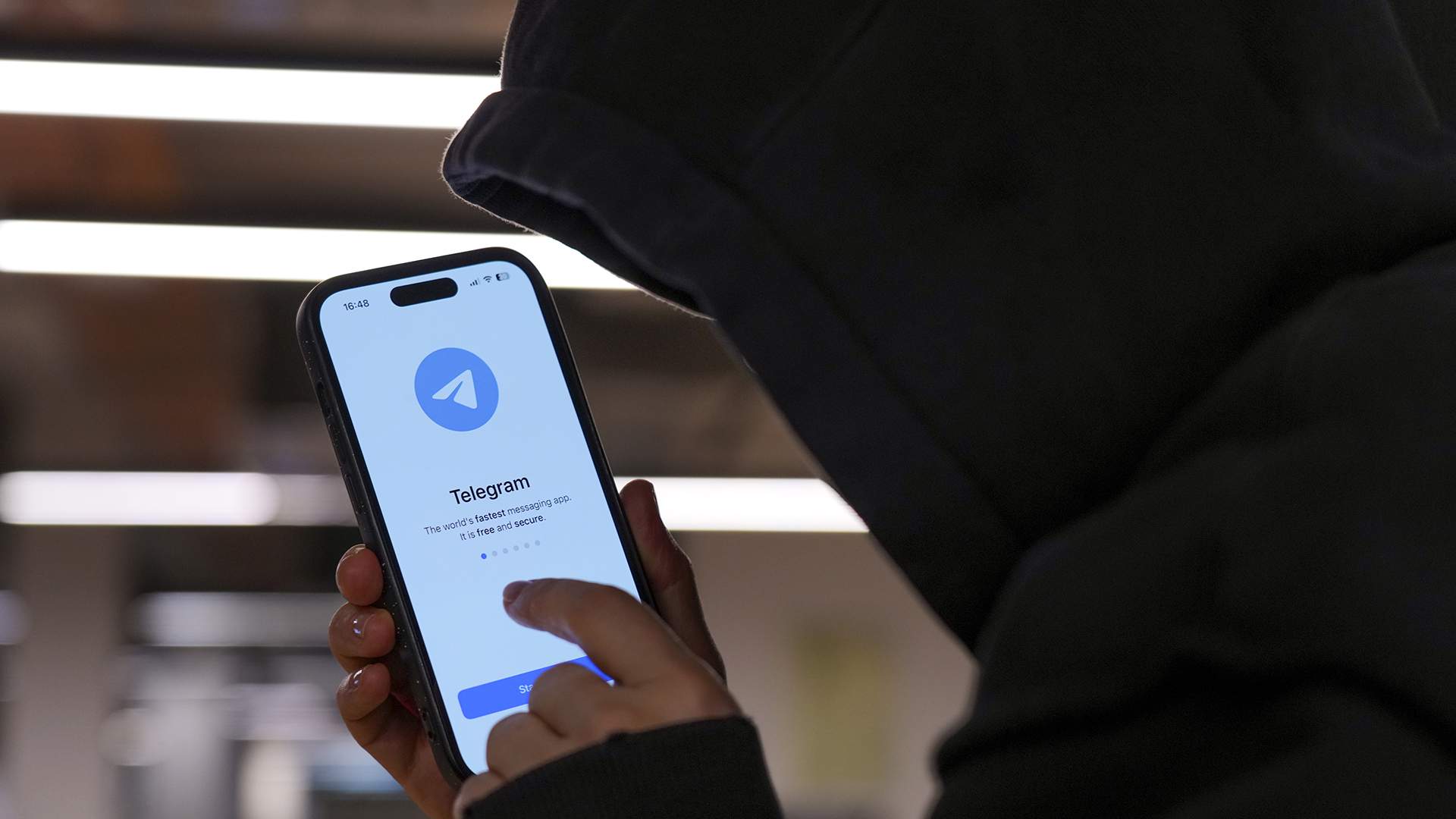
The scheme to deceive Russians on Telegram by paying for likes of products on marketplaces has become widespread. The number of such attacks has increased to 10 times this year. In July-August, up to 45% of fraud cases are related specifically to the reward for reviews, the banks noted. The scam has become more plausible: personal accounts, fake groups, micro-payments from real people, and automation through bots and CRM have appeared. The loss of victims is about 50 thousand rubles, but the damage from the attacks is growing. How not to fall into a trap is in the Izvestia article.
How Telegram Users are Tricked into Making Money on Marketplaces
Russians began to be massively involved through Telegram in scams with the payment of money for likes of goods on marketplaces, cybersecurity experts told Izvestia.
The deception suggests that the messenger user receives a message from a newly created account offering to make easy money on marketplaces by simply putting likes on products, said Kontur, product director at Staffcop information security.The aegis of Daniel Borislavsky. If the potential victim agrees to the terms of the "employer", the connection is cut off after a short dialogue. After a few hours or days, another account is connected, which sends the first tasks. At this stage, bots are working, whose task is to involve as many people as possible in the process, the expert explained.

After completing the first tasks, the victim is indeed transferred a small amount — about 300 rubles, Daniil Borislavsky continued. The payment is sent by a random individual. When the user is convinced that the earnings are real and is ready to move on, they are transferred to a chat with the assignment of tasks. There, in order to receive money, it is also required to "redeem" goods. After that, according to the scenario, the victim receives a refund with a "profit". Further amounts of "ransom" grow. At the same time, payments continue to arrive, but with a small time lag.
— The key moment comes when the system refuses to withdraw funds without completing another task. The victim has already invested, does not want to lose money and continues to pay. But the result is always the same — the money stops being returned," concluded Daniil Borislavsky.

Izvestia contacted Telegram to ask if they were noting the growing popularity of this scheme. Experts say that scams using Telegram to deceive people under the pretext of earning money from likes and buying back goods on marketplaces have indeed increased significantly. The number of their attacks has doubled or quadrupled this year, said Denis Goldman, an independent PR consultant (headed the external press service of one of the leading marketplaces in the Russian Federation). According to Meri Valishvili, Associate Professor of the Department of State and Municipal Finance at Plekhanov Russian University of Economics, the increase in this illegal activity has almost doubled over the year.

In such scams, we are talking not only about marketplaces, but also about booking platforms and booking hotels, camp sites, glamping, guest houses, said the platform of the Popular Front "Moshelovka".
— In May and August, there was a real surge, and we began to record 10 times more signals according to this scheme. Since then, the dynamics of the signals has hardly changed," they added.
In July-August, up to 45% of fraud cases and attempts were related to fictitious earnings from likes and the purchase of goods, said Rustam Gabitov, head of the Financial Operations Security Center at OTP Bank.
Last year, this scheme only appeared, but now it is being fully used by fraudsters, Meri Valishvili added. In addition, the popularity of the scam is explained by the fact that remote earnings attract many people, both students who combine study and work, and pensioners who want to increase their income, and covers a large stratum of people, she added.

The attackers have also upgraded and improved their deception schemes by improving the quality of websites and applications, said Dom Bank's Vice President for Information Security.Russian Federation" Dmitry Nikishov.
At the same time, the number of victims is decreasing against the background of informing citizens about this scheme and the risks of such part-time job offers, the Moshelovka Popular Front platform noted. Russians are beginning to be more cautious about such vacancies, stop communicating on time and avoid serious financial losses and data compromise.

How to protect yourself from scammers on Telegram
Isolated cases of using this scheme were recorded back in December 2024. Then the victims were involved through Telegram mailings, promised earnings on likes, and then transferred to "ransoms" or phishing links. However, the new cases show several differences, warns Daniil Borislavsky.
There is more realism in the scam: the victim is given access to a pseudo-personal account with a balance for the visibility of the real service, fake groups with screenshots of successful payments are formed, money comes by P2P transfers from individuals from real banks. In addition, the main identifier of the victim is not a phone number or a name, but an individual code, which indicates a system accounting and a high level of organization, the specialist explained.

— It's not difficult to make a special application or launch a chatbot right now. The beautiful interface and the visibility of the participant's personal account create the illusion of serious work. People think that scammers won't bother so much. In practice, the complexity of creating applications is low and pays off with just a couple of deceived people," explained Vladimir Ulyanov, head of the Zecurion analytical center.
The potential amount of damage from such an attack can be an average of 10-50 thousand rubles from each deceived user, and there are more than 500 people per month, Daniil Borislavsky added.
Izvestia was asked by the Interior Ministry how widespread this scam has become this year.
The scheme will be modified, becoming even more high-tech and automated. Fraudsters are massively introducing new methods into circulation: creating video instructions, grading levels for earnings ("buy premium and earn even more"), visibility of chat activity, discussion of fake orders, said Olga Altukhova, senior content analyst at Kaspersky Lab.

In order not to fall for the tricks of scammers, you should carefully evaluate all job offers, advises Meri Valishvili from Plekhanov Russian University of Economics. If the proposed earnings are too easy, it's already worth thinking about. It is also unacceptable to provide your personal information, SMS codes and bank card information when applying for a job, she concluded.
In addition, you should not install unfamiliar applications and programs on your device, it is better to use antiviruses, the Sbera press service added. They added: also, you do not need to perform any actions with money at the direction of strangers, even if they introduce themselves as an employer. Legal employers never require you to invest your own money in order to make a profit later.

In case of doubt, you can clarify information about promotions and part-time work through the official support contacts of the services, Vladimir Ulyanov drew attention. So it turns out that many of the easy money offers that you may encounter online are related to deception. According to him, the user must have good reasons to trust the source of information, and ordinary advertisements or messages from strangers are not such.
Переведено сервисом «Яндекс Переводчик»
