Pimen the Great Memorial Day: What not to do on September 9th

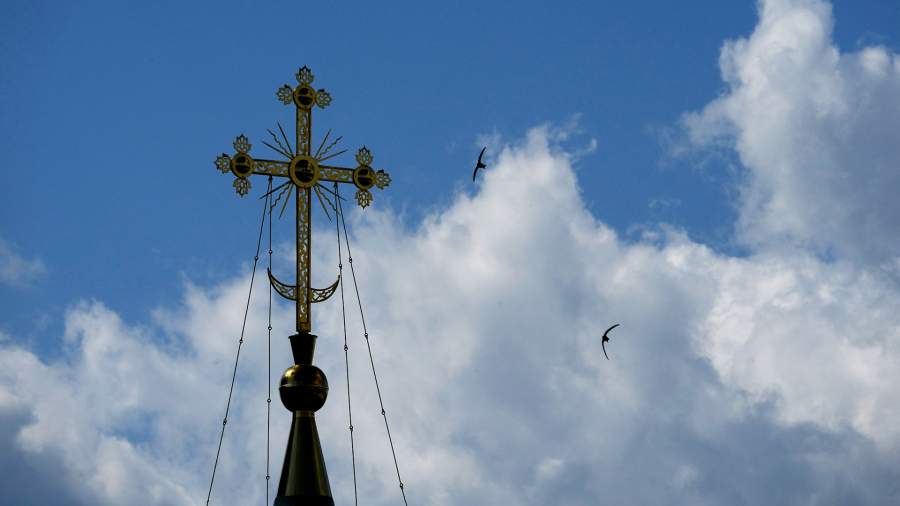
Every year on September 9, Orthodox believers remember St. Pimen the Great. His ascetic life, teachings and spiritual teachings became the basis for a tradition that influenced Byzantine and Slavic monasticism. The history and biography of the saint, as well as the strict prohibitions of September 9, are in the Izvestia article.
Who is Pimen the Great: a brief biography
St. Pimen the Great is considered one of the most famous ascetics of early Christian monasticism, who lived at the turn of the fourth and fifth centuries. According to general information, he was born around the 340s in Egypt. In his youth, together with his brothers Anuvius and Paisius, he chose the monastic path, settling in one of the monasteries of the Hermitage, where he became famous as an example of a harsh life and ascetic feat.
The brothers' monastic practice was based on a strict routine: work and reading during the day, prayer and rest at night.
Later biographies note that Pimen achieved a special dispassion and became the mentor of many monks. His short teachings and advice were copied by his students and passed on to other generations of ascetics.
In 407, according to the hagiographies, the community was forced to leave their cells due to attacks by Berbers, and the monks found shelter in the ruins of an ancient temple in Terenufis.
It was in these conditions that the austerity and isolation of the ascetics intensified. They often did not accept their relatives and friends into their cells, believing that renouncing worldly connections helps to save the soul.
Pimen is known as not only an ascetic, but also a spiritual mentor. His teachings secured for him the honorable name "great", reflecting not his age or rank, but the depth of his spiritual experience.
The historical and theological significance of Pimen lies in the fact that he became a representative of the Egyptian "ascetic fathers", whose practice and teachings formed the basis of Eastern and Slavic monasticism.
After his death (around 450, according to church tradition), the monk was canonized and is revered in church calendars.
In the Orthodox tradition, Pimen is revered as the intercessor of those who seek inner transformation. Believers ask him for humility, strength to resist passions, and deliverance from pride and enmity.
In the lives of the saint, he is called "the image of monks," "the inhabitant of the desert," "the giver of healing," and "the extirpator of passions." These images define the range of petitions: spiritual fortitude, prudence, help in reconciliation, comfort in sorrow, and the gift of humility.
Prayers are addressed to him both for guidance in asceticism and for support in difficult moments of life. In modern times, believers often ask for help in overcoming bad habits, in establishing peace in the family, and for patience in trials.
Pimen the Great Memorial Day: September 9th traditions
St. Pimen is commemorated on September 9 (August 27, Old style). This day is included in the calendar of the Russian Orthodox Church and other Orthodox churches.
Divine services are held in churches, troparia and kontakion readings are read, and prayer services for spiritual enlightenment are held. Other Egyptian ascetics associated with the history of the Hermitage are also remembered in monasteries on this day.
In popular culture, this holiday has become intertwined with everyday and agrarian customs over time. In the villages, September 9 was considered rowan day — berries were picked, jam was prepared, preparations were made and rituals were performed to protect the house and family.
The rowan tree was associated with omens: a rich harvest foreshadowed a cold winter, and the berries left for the birds symbolized gratitude and kindness. Today, these traditions are often preserved in family and parish practices, along with church attendance and commemoration of the dead.
What is not recommended to do on September 9th
A number of prohibitions were associated with Pimen's day. Folk beliefs said that on this day it was forbidden to lend money, make large purchases or start important business, woo or arrange weddings, break branches of mountain ash, pick up things at the intersection and stand on the threshold for a long time.
These restrictions were perceived as precautionary measures to help maintain order in household affairs and avoid setbacks on the threshold of autumn.
From the point of view of the Church, there are no special strict prohibitions related specifically to Pimen's day. First of all, believers are recommended to participate in divine services, prayer and abstinence in accordance with parish traditions.
Переведено сервисом «Яндекс Переводчик»
