Russians were told about the future of cashback in Russia

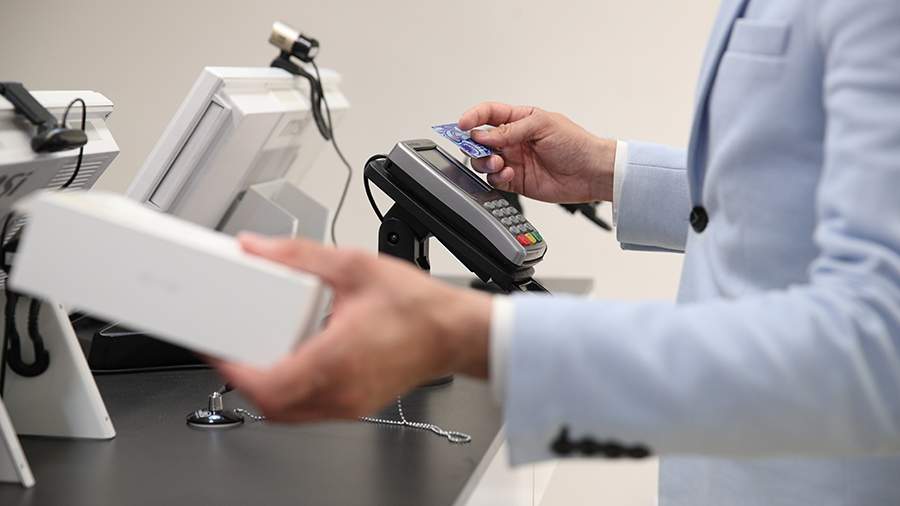
Bank cashback in Russia is gradually changing its form: instead of generous payments of 5-10%, customers are increasingly receiving modest 1-2% or bonuses from partners. Igor Yazev, the founder of the Yagoda service, told Izvestia on September 9 about what cashback really is and how banks themselves see it.
"Cashback is not a gift from the store at all. In fact, this is a marketing discount from the bank, which is expressed in a refund of part of the money for purchases on the card. The bank encourages us to use its card more often, and the customer gets a sense of benefit. The bank pays for the cashback itself — from its commission from the point of sale and its own profit. Every time we pay with a card, the store transfers the acquiring fee to the bank — on average from 1.5 to 3%," said Yazev.
In fact, the store finances your "discount" through acquiring, but does not directly charge the bonus. In rare cases, banks negotiate joint promotions with retail chains, but this is rather an exception. In everyday life, the bank incurs all cashback costs for the sake of customer retention. It is important to understand that the cashback is not infinite. It is limited by the size of the commissions and the profit of the banks. When the share of transactions through the Fast Payment System (SBP) increases, where the commission is only 0.4–0.7%, cashback comes under pressure: banks do not refund anything from such payments.
"The key goal of cashback for banks is customer retention. <...> Firstly, cashback encourages us to increase card turnover: we pay with it more often, even for small things. The higher the turnover, the greater the total income of the bank from commissions. Secondly, cashback is especially promoted by credit cards. The client is promised a 3-5% refund for purchases, and the bank expects that one day he will violate the grace period and pay interest (20-30% per annum and above). This is how all the "generosity" of cashback pays off," the expert clarified.

As Yazev added, almost all cards give a basic 1% cashback. But the most noticeable thing is the increased categories: 5% at gas stations, 10% in restaurants or 20% for travel. These figures are striking, although they are rare in everyday expenses. This choice of categories is a carefully calculated strategy. Banks analyze big data: where and how much their customers spend. Popular categories (groceries, utilities, pharmacies) are given a minimum cashback in order not to go into negative territory. For rare expenses, they give a high percentage to create the effect of generosity. In addition, there are almost always limits: for example, a maximum of 5,000 rubles of cashback. Even if you spent 200,000 rubles, there will be no refund over the limit.
A couple of years ago, banks competed to see who would give more cashback — 5%, 10%, and sometimes there were cards with insane "promo" 20-30% for a limited period. The mood is changing now. Banks have realized that giving out generous cashback is expensive, especially when commission income is declining due to the SBP and the upcoming digital ruble.
"The share of payments through SBP has already reached 42% of all non-cash transactions in Russia by mid-2025. There is also a new player — the digital ruble, where the commission for business is only 0.3%. The cashback economy is under threat: according to forecasts, if the trend continues, loyalty programs may become unprofitable for banks by 2026. It is not surprising that financial institutions have begun to prepare for the "optimization" of cashback stocks," said Yazev.

In addition, banks will shift their focus from direct cash refunds to partner discounts and non-financial bonuses. Simply put, instead of the bank returning 100 rubles to your account, it will give you a coupon for 100 rubles at the partner store. There doesn't seem to be a difference for the client — the savings are the same. And for the bank, the advantages are that the partner bears part of the costs (by providing a discount on their product), and the client is encouraged to spend the bonus rather than take it with "live" money.
"This is a wake-up call for banks: their loyalty is slowly being pulled over to the trading platforms. To sum up: cashback has been and remains a powerful tool in the fight for our hearts and wallets. It is undergoing changes — it is turning from a generous "cache" into a more subtle loyalty tool. Banks will reduce direct payments, but come up with new forms of rewards," concluded Yazev.
Expert of the NIFI project of the Ministry of Finance of Russia "My Finances.On August 29, Olga Daineko said that from September 1, Russian banks will limit cash withdrawals over 50 thousand rubles in case of suspicious activity. The restriction is valid for 48 hours, and if necessary, you can receive a large amount at the bank's office using your passport.
All important news is on the Izvestia channel in the MAX messenger.
Переведено сервисом «Яндекс Переводчик»
