Removed from the language: Killing Floor 3 was released in Russia without dubbing


The third part of the Killing Floor series was brought to Russia for the PlayStation 5, Xbox Series X and Xbox Series S consoles. The game is available without restrictions, in console versions all text, including the interface, is translated into Russian. Despite the negative reviews from critics, on the very first weekend after the worldwide release, the project was able to attract tens of thousands of players — in two days they destroyed 125 million virtual zombies. The main consultant was Jason Fleming, the star of the films "Big Jackpot" and "Viy". He gave his voice to the main character, the zombie fighter, the brave Brit Foster, and helped the authors make Killing Floor 3 even more cinematic.
Love in spite of criticism
The success of the Killing Floor series remains a mystery: despite the incessant harsh criticism ("primitive" gameplay, comparison with Left 4 Dead, "boring" waves of zombie "zeds") from the first part in 2009, the franchise retains and even multiplies its fan base. Moreover, the old parts remain popular.
The series was criticized for everything: outdated graphics, similar locations, "unsuccessful competition" with dynamic shooters. But while some criticize, others vote with their hearts. The third part of Killing Floor is discussed, scolded and loved — in the Russian topic, its analysis takes 3 thousand messages (Izvestia was provided with a copy for PS5 by Achivka, the largest Russian distributor of consoles and video games).
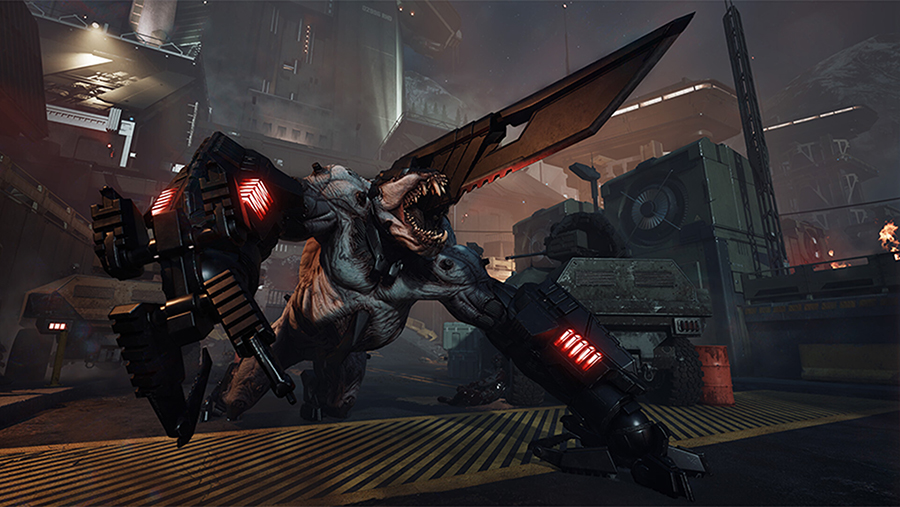
The first part was released in the heyday of cooperative shooters (then Left 4 Dead was already a hit, and its sequel was being prepared for release), and the newcomer was immediately compared to L4D. There was a lot of criticism back then, but for some reason the game quickly developed and began to multiply an army of fans. They teamed up, came up with strategies, exchanged battle recordings, and upgraded their characters. By 2012-2013, the series had ceased to be a niche — it had become a cult.
The second part (2016) was supposed to consolidate its success, but it was released during the heyday of Overwatch, relaunched by Doom and L4D: The Last Chapter. Against their background, the sequel should have been shamefully lost, but the game did not die: the online mode still gathered tens of thousands of players in the evenings, and the moderators added new maps and skins. Back then, they said that Killing Floor was like a cat: it would fall, roll over, and move on.
How did Killing Floor 3 turn out?
The third part is again at risk. And again, she is predicted to fail. Let's start with the atmosphere: the game openly declares itself as a "budget thrash". The locations — abandoned bunkers with streaks of rust on the walls, basements with broken light bulbs, corridors illuminated by flashing emergency lights — look as if they were dug out from under the ruins of the post-apocalypse of the 1980s.
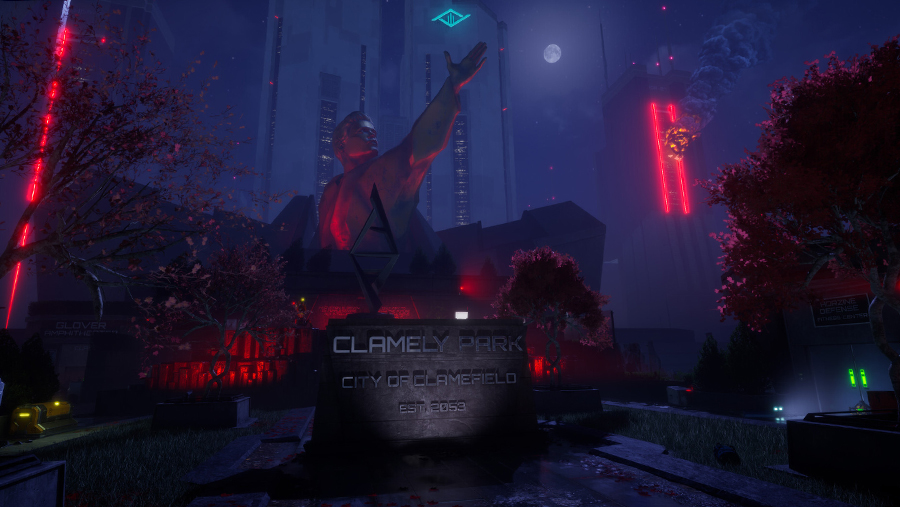
The air seems to be saturated with the smell of burning and blood (the illusion is so strong that it seems you are breathing dust). Weapons are not just a killing tool, but an artifact: pistols with detailed bolts, machine guns with vibration when firing, knives that "weigh" in the hand. Even reloading is a ceremony: you hear a click, you see the magazine being inserted into the gun. All this creates a sense of "immersion in an era" where even primitive graphics become part of the charm.

The gameplay in Killing Floor 3 is quite simple: the mechanics are "fight off waves of zombies, then piss the boss". Each wave is a mini-test: first the weak zeds, then the "fat men" (exploding), "berserkers" (tearing with a knife), "crawlers" (clinging to their legs). You need to keep an eye on the bullets: if you waste them on the first waves, then there won't be enough for the boss. The game keeps you in suspense: constantly analyzing where to put your feet, where to shoot, when to recharge. This is conscious planning, where every action counts.
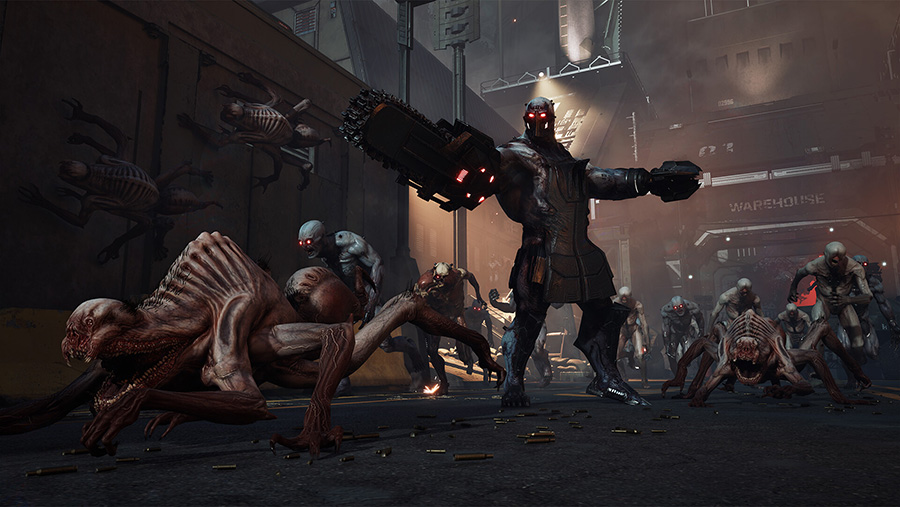
The "class" system does not limit players to rigid limits, but gives them freedom: for example, a spy can use a sniper rifle with a bonus to head damage, a medic can shoot with a shotgun. Each class is unique, but none of them "closes" the role: even without a medic, any player can heal a friend with a first-aid kit. This principle encourages cooperation: a team where everyone does what they like, but at the same time helps others, is a gamer's dream. It's fun: when a minesweeper sets a trap in the boss's path, and you cover him while he runs back, it's an unforgettable feeling of teamwork.
Which raises questions
The developers from Tripwire Interactive decided that the players needed "more dynamics", and added parkour (jumping on boxes, moving on cables), made the enemies faster and more aggressive. The class system has moved from flexible bonuses to strict restrictions: now a medic can only take pistols and syringes, and not any weapon with a treatment bonus. The arsenal was reduced to four weapons per class (previously it was 6-7), and customization (body kits, stickers) turned into "cosmetics for show" — it does not affect the gameplay, only the appearance.
The critically small amount of content, coupled with technical problems, made gamers indignant. People don't like the weak balance of weapon damage and zombie damage. In the meantime, people are waiting for updates and fixes, the rating of new items is stuck at around 54% of positive user reviews on Steam.
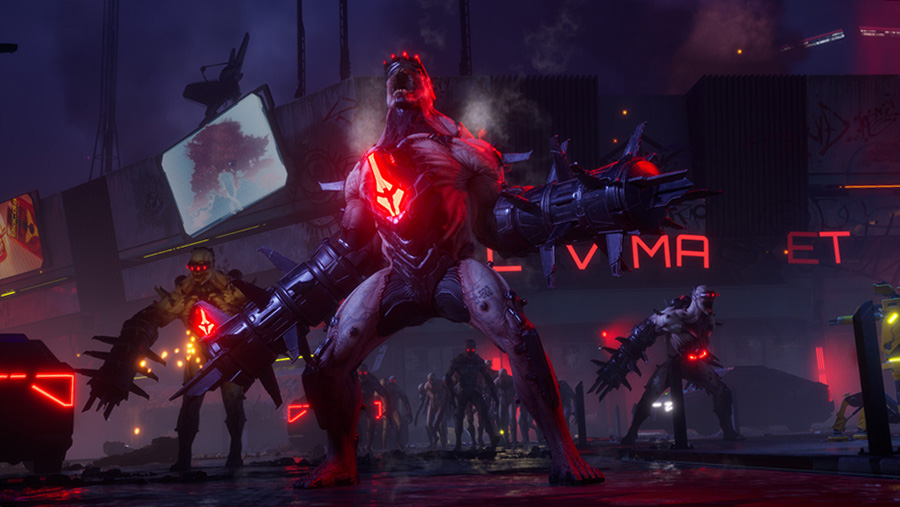
And most importantly, the loss of tactility. The weapon in the KF3 shoots "easier": the recoil is weaker, the reload animations are simplified, and the sound of the shot is like from a cheap pistol. You used to feel every shot, but now you just press the button. The game has become faster, but... more boring.
Where is the "flow" that kept you in suspense? Where is the feeling that you are invested in every action? There are none. It's good that at least they didn't forget about the Russian language. But even here there is a reason for sadness — the game has officially been translated into 12 languages, but this applies only to the text. Voice acting was not added for five fairly popular languages: Japanese, Korean, Portuguese, Polish and Russian. The latter is one of the three most popular languages on the world's largest Steam gaming platform, right after English and Chinese. And in the last part of the game, there was a Russian dubbing.

Monetization has been added to the technical problems. The developers have implemented a system of seasons and battlepasses with paid content: weapon skins, lobby decorations, and "exclusive" perks (which, by the way, are unlocked for the game currency accumulated over missions). Yes, some of the rewards are available for free, but players feel they are being "forced" to pay in order to keep up with the community. At the same time, perks, they are also parameter improvements, often represent something like "+5% damage", which does not give a real advantage.
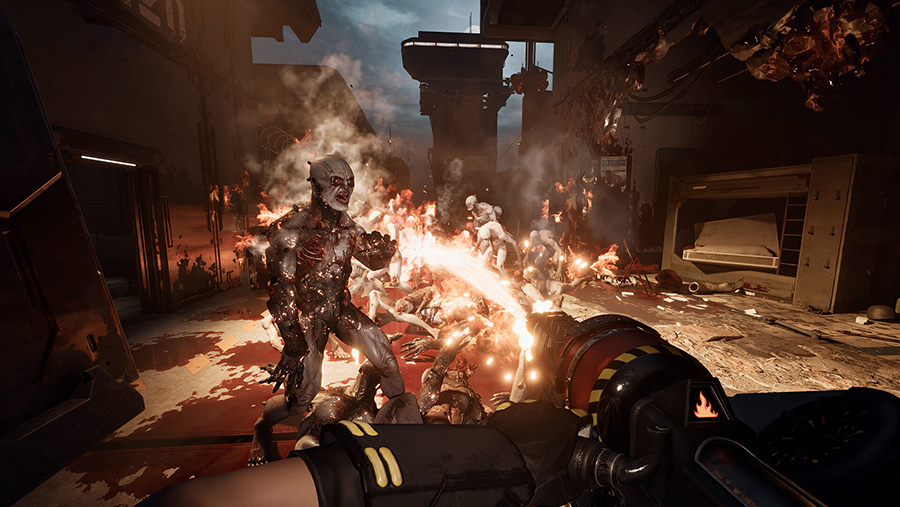
Fans write that the series has "sold out", turned into "another cooperative zombie shooter", trying to emulate Overwatch (dynamics), Hell Divers (classes) and Call of Duty (graphics), losing what made it unique. For beginners, this is just another shooter with waves of zombies — boring. For veterans, this is akin to betrayal, it feels as if the authors walked through the wrong door. A reasonable question arises: "Where is the KF that I fell in love with?"
But there is still a chance for rehabilitation. Killing Floor retains its potential: the unique design of the enemies (in KF3, by the way, they are the most memorable in the trilogy: "berserkers" with flails, "sirens" with psi attacks, "huskies" with flamethrowers), atmosphere and nostalgia. If the developers return to the original formula — they "fix" the tactility of weapons, deepen the class system, fix technical problems, the series may again become a favorite of the community. An additional factor will be Fleming's celebrity status. The actor will surely help in the further promotion of the game, taking into account the development of plot events around his character Foster, a survival expert.
Переведено сервисом «Яндекс Переводчик»
