The economist named the reasons for the rise in world oil prices

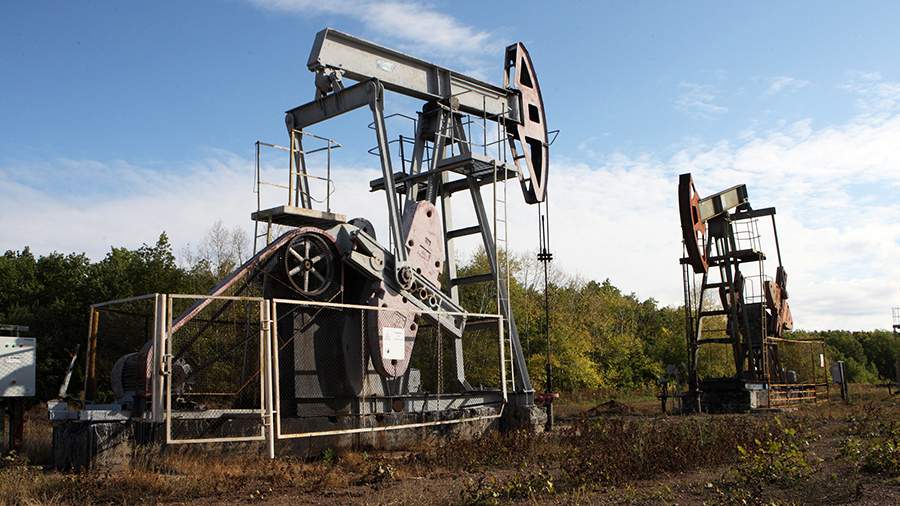
Global oil prices showed an increase, helped by fresh data on oil and petroleum products reserves in the United States. These statistics indicate the continued high demand in the summer season, which has become a key driver of the increase in quotations. Igbal Guliyev, Dean of the MGIMO Faculty of Financial Economics, Doctor of Economics, told Izvestia about this on July 24.
"In my opinion, the rise in global oil prices is related to a number of short-term and structural factors. We see that now the reason for the growth, of course, is fresh data, fresh statistics from the United States. Contrary to expectations, commercial oil reserves decreased by more than 3 million barrels. Gasoline stocks decreased by 1.3 million barrels," the expert said.
Guliyev also drew attention to the seasonal summer demand in the United States. Year after year, in the summer months, especially in July and August, there is a sharp increase in consumption of "diesel and gasoline due to the holiday season, increased travel around the country and increased logistical activity."
According to Guliyev, the current market reaction is due not only to seasonal factors, but also partly systemic in nature. He noted that last week there were signs that steady demand in the United States is combined with signs of a recovery in global trade. This is particularly related to new trade agreements between the United States, for example, with Japan, as well as ongoing negotiations with the European Union (EU) on sectoral agreements. According to the expert, such initiatives signal a possible revival of the global economy and create an additional incentive for an increase in demand for energy resources.
In addition, he named traditional geopolitical risks in the Middle East among the key triggers. Despite the relative calm following the recent hostilities, the region remains unstable. Guliyev stressed that interruptions in oil exports from Iraq, as well as problems with navigation through the Red Sea, form an additional "risk premium", which is reflected in oil quotes.

"This is a kind of discipline within OPEC+ [Organization of Petroleum Exporting Countries]. We see that the side continues to adhere to production restrictions, although there will be changes starting next month. Then there is the policy, probably related to the financial and monetary policy of the United States, where the US dollar is showing some signs of weakening. And against the background of these expectations of the Fed [Federal Reserve System] rate closer to the end of 2025, and there is a partially weak dollar somewhere, it may contribute to a change in oil prices outside the dollar zone," Guliyev stressed.
The expert also highlighted the impact of the largest economies, primarily China, on global oil prices. According to him, the Chinese authorities continue to stimulate domestic consumption and investment activity through monetary and fiscal policy measures, which contributes to maintaining sustainable demand for energy resources.
"It is not entirely correct to talk about the temporary nature of the current growth. Most likely, we will see a return to a new normality with an increase in price. In addition, the market is under pressure from the topic of sanctions and duties on Russian oil, which will be announced and applied in the near future, which may also push prices up," he concluded.
Maxim Chirkov, Associate Professor of the Department of Economic Policy and Economic Measurements at GUU, said on the same day that Hungary, Serbia and Russia had agreed to build a new oil pipeline that would connect the two countries and ensure uninterrupted supplies of Russian oil. This project may affect both the balance of power in the European energy market and the structure of fuel prices.
All important news is on the Izvestia channel in the MAX messenger.
Переведено сервисом «Яндекс Переводчик»
