A special Russian holiday on July 19 is Sysoev Day: history, traditions, omens

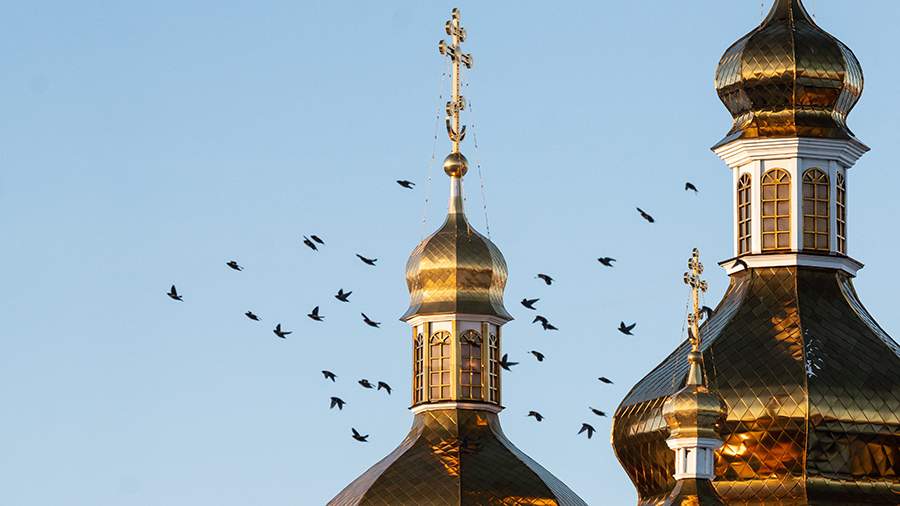
Every year on July 19, the Orthodox Church honors the memory of St. Sisoy the Great, an Egyptian ascetic and wonderworker who lived in the 5th century. In 2025, the celebration falls on a Saturday. In the national calendar, this holiday is called Sysoev Day. Read about its history, traditions and prohibitions in the Izvestia article.
The history of the church holiday on July 19th
Saint Sisoy the Great was a hermit monk who asceticized on Mount Anthony in the Egyptian desert. For 60 years he lived in a secluded cave, where St. Anthony the Great once performed his exploits. For his humility and piety, the saint was awarded the gift of miracle-working.
According to legend, one day a layman with a young son went to the Monk Sisoy. On the way, the boy became seriously ill and died, but his father, believing in the power of the holy hermit, did not return home. When he came to the cave where the monk lived, he fell to the ground and laid his son's body next to it. After the prayer, the man went out, leaving the boy at Sisoy's feet. When he saw that the boy was not leaving, he blessed him and said, "Get up, child, and get out of here." The child immediately got to his feet and went out.
Seeing his son alive, the happy father began to thank Sisoy. However, the saint was saddened because he did not want the glory of a miracle worker for himself. Therefore, he ordered his guest not to tell anyone about what happened until his death.

St. Sisoy instructed his disciples in humility and repentance. The monks once asked him if it was enough for a brother who had sinned to repent for one year. The hermit noted that such a measure is too cruel, and added that for someone who repents with all his soul, the Lord will accept repentance within three days.
When Sisoy the Great was dying, his disciples gathered around him. At some point, they noticed that their mentor's face was beaming, and he was having a conversation with someone. When asked who he saw, the elderly hermit replied that the angels had come for his soul, but he asked them to give him some time to repent. The monks were surprised, as they considered their teacher to be sinless. But he replied, "Truly, I do not know if I have created even the beginning of my repentance." After that, the monk said that he saw the Lord, and died.
Traditions of the national holiday Sysoev day on July 19th
In Russia, the day of memory of Sisoy the Great was called Sysoev Day. By the holiday, villagers were trying to complete the planting work in order to start preparing for the harvest. It was believed that the holy hermit patronized farmers, so he was asked for help in business.
Early in the morning, the ancestors washed their faces with dew and soaked their hair with it. They believed that after this, the skin would become smooth and clean, and the hair would become thick and shiny. They also walked barefoot in the dew to strengthen their health.
At Sysoi, they started cleaning the cellars. Only the owner of the house could do this, women were not allowed to do such work. According to popular belief, the cellar was inhabited by an underground mine, which was dangerous to people, and only the head of the family could cope with it. The spirit especially disliked young girls. According to the legends, the daughters cursed by their mothers are taken by the colonel as wives.
What can and cannot be done on Sysoev day on July 19th
The Orthodox Church does not set any special prohibitions on the day of the memory of Sisoy the Great. If desired, believers can visit the temple, pray at home, or refresh their memories of the saint's life.
In Russia, various prohibitions and superstitions were associated with Sysoev Day. On the holiday, they did not do any household preparations, as they believed that they would quickly deteriorate. On July 19, women generally abstained from work. It was believed that for those who would work, life would go awry.
At the time, mothers were forbidden to offend their daughters, speak ill of them, or even think negatively about them. According to beliefs, after that, the fate of girls and girls can be upset.: they will start to get sick, will not be able to get married, will lose their spouse or child, etc. In addition, during the holiday, the girls did not look at themselves in the mirror, so as not to lose their beauty and youth.

On Sysoev Day, the ancestors tried to do things without haste, because they believed that on July 19, the saying "hurry up and make people laugh" was especially relevant. The solution of difficult problems was postponed to another day so that they would not worsen. It was believed that it was even useful to let a difficult situation take its course on a holiday — after that it would be resolved quickly and safely.
In addition, hunting was prohibited on July 19. It was believed that at this time the forest spirits were especially aggressive, and meeting them did not bode well. However, the restriction did not apply to fishing.
On the eve of St. Athanasius Day, the ancestors opened the windows wide to let in the moonlight, which, according to legend, gives strength and health. But on Sysoev day, on the contrary, the shutters were closed more tightly. They believed that if the rays of the night sun touched sleeping people, conflicts could start in the family.
Folk signs of July 19th
On Sysoev day, the ancestors paid attention to various weather signs. If the leaves on the trees turned yellow, they understood that autumn would be early. Yellow clouds spoke of rain coming soon.
Another weather indicator was the month. If it was green, they expected rain, and white, they were preparing for clear but cool days. A huge moon, shrouded in fog, promised a cold snap.
Earlier, Izvestia reported on the history and traditions of the national holiday Andrei Naliva.
Переведено сервисом «Яндекс Переводчик»
