- Статьи
- Auto
- Safety on autopilot: The Ministry of Transport will update the rules for unmanned vehicles

Safety on autopilot: The Ministry of Transport will update the rules for unmanned vehicles
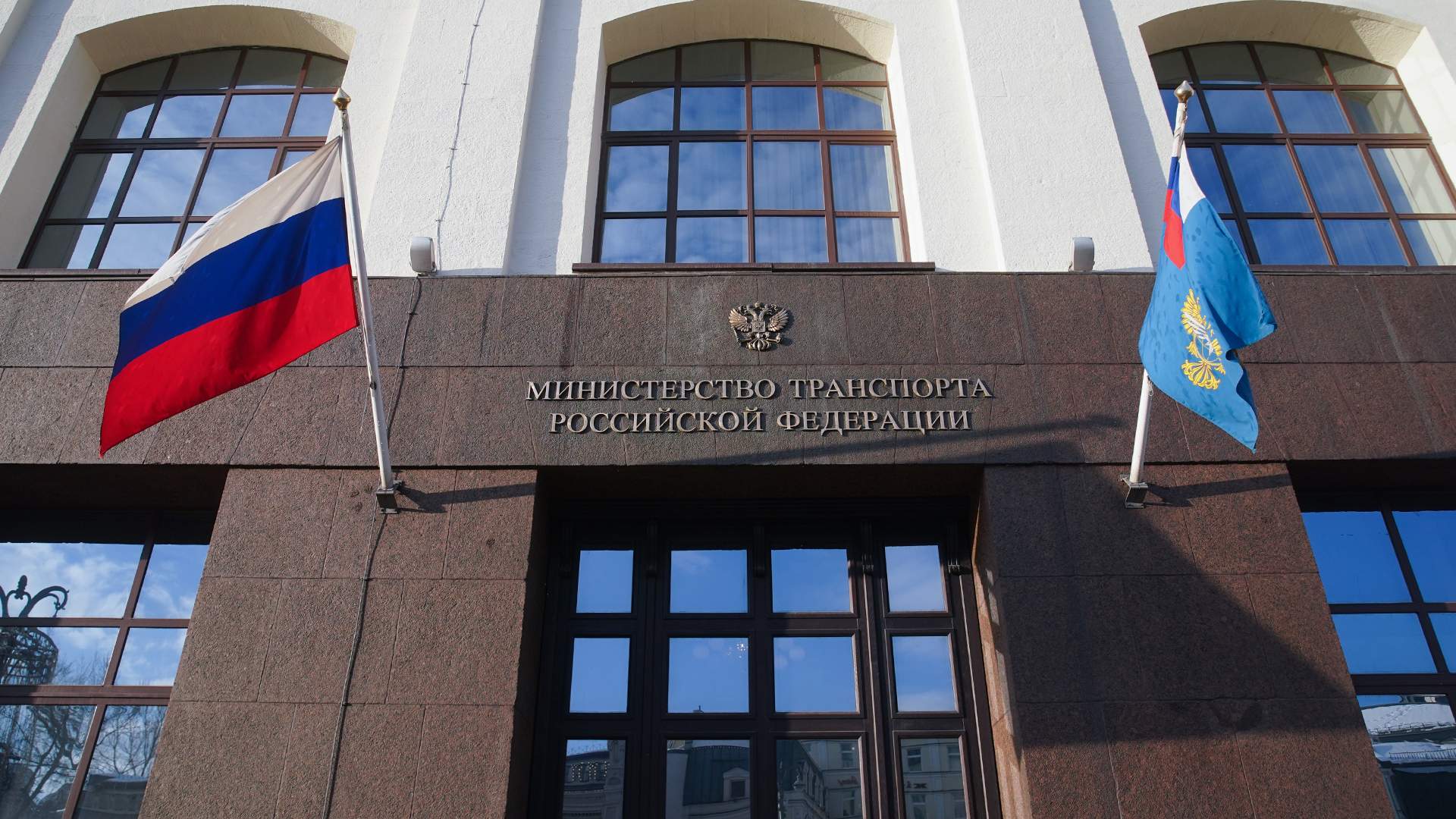
The Russian Ministry of Transport is preparing an update of safety rules for self—driving cars, which will simplify the use of automated control systems and clarify the classification of automation levels - from conditional (level 3) to full autonomy (level 5). At the same time, Rosstandart is developing a series of five GOST standards, which by the end of 2025 will establish uniform requirements for the safety and functionality of autonomous vehicles. About what the changes will be and what it will do is in the Izvestia article.
What updates does the Ministry of Transport plan to make?
The Russian Ministry of Transport is preparing updates to the traffic safety rules for self-driving cars. The updated standards will simplify the use of automated control systems, clarify the classification of automation levels, and prepare roads to receive vehicles with a high degree of autonomy.
The document has revised the definitions: now cars moving behind each other are called a "group", and driver assistance systems have been renamed driving systems — this reflects the transition to full automation of control.
The classification of automation levels will include several levels, and the lower the level, the higher the dependence on the driver. At level 3 (conditional automation), the system fully controls traffic, but the driver remains a backup and must respond to requests. Level 4 (high automation) involves working in limited conditions without the participation of a driver with the possibility of interacting with a dispatcher. Full automation (level 5) means that the car is able to operate independently in any conditions without human intervention.
The ministry explained to Izvestia that the main task of the updates is to equate unmanned trucks with full-fledged road users. At the same time, it is necessary to make them safer than a manned vehicle.
"There is no need to create separate traffic rules, since a clear algorithm of movement will be loaded into a smart car, which will be controlled by artificial intelligence. This eliminates the risk of a human factor, making traffic on the roads the safest," the Ministry of Transport said in an explanation.
Unmanned vehicles are already being tested on the M-11 and Central Ring Road federal highways as part of an experimental legal regime that was introduced during the Russian Ministry of Transport's Unmanned Logistics Corridors project. It is planned to expand it to the M-12 highway in the autumn, Albert Karimov, Deputy head of the Ministry of Industry and Trade of the Russian Federation, said earlier.
As explained in the Ministry of Transport, this means that scenarios for the safe operation of highly automated vehicles are being worked out on the roads. Regulatory preparations are also underway, as well as the creation of certification centers, standards and infrastructure, the ministry noted. This is a complex work that requires a clear division of responsibility between manufacturers, operators, developers and other participants.
What standards of unmanned vehicles are planned to be adopted?
Rosstandart is developing a series of five GOST standards for highly automated vehicles, with the first basic standards scheduled to be approved by the end of 2025. This was announced by the head of the department Anton Shalaev in an interview with TASS. The new standards will regulate the basic requirements for the safety and functionality of self-driving cars and automated driving systems.
Previously, several GOST standards have already been adopted regarding the use of artificial intelligence in such machines, for example, for recognizing traffic lights, road markings and bumps on roads. In addition, Rosstandart is exploring the possibility of introducing special road signs warning of the movement of unmanned vehicles, but their appearance depends on coordination with interested parties. It is planned to adopt experience in the development from other industries, including taking into account the specifics of the use of unmanned vehicles in aviation and agriculture.
The Russian Ministry of Transport told Izvestia that a federal law on highly automated vehicles is under development, which will establish clear rules and requirements for all market participants. It is planned to submit it to the Government by the end of this year.
The agency has also started implementing the concept of a "seamless digital sky", which will include a unified identification system for all unmanned vehicles. The Ministry of Transport has already developed a roadmap for the implementation of this system, and it is expected that it will be fully operational by the spring of next year.
"This is necessary so that it is clear what is going, who is the owner, where it is going, in what conditions and how it is moving," Transport Minister Andrei Nikitin explained.
What will help regulate standards for self-driving vehicles
Standards for self-driving vehicles are necessary to ensure the safety and reliability of autonomous vehicles when operating on public roads. GOST standards establish basic requirements for the functionality of autonomous driving systems, including the recognition of road signs, traffic lights, markings and obstacles, as well as regulate the behavior of such machines in various road and weather conditions.
The introduction of standards helps to create uniform rules for manufacturers and operators of drones, which contributes to their safe integration into the country's transport system. In addition, standardization facilitates quality control, certification, and infrastructure development necessary for the efficient operation of autonomous vehicles.
Переведено сервисом «Яндекс Переводчик»
