Biologist warned about dangerous poisonous plants in suburban areas

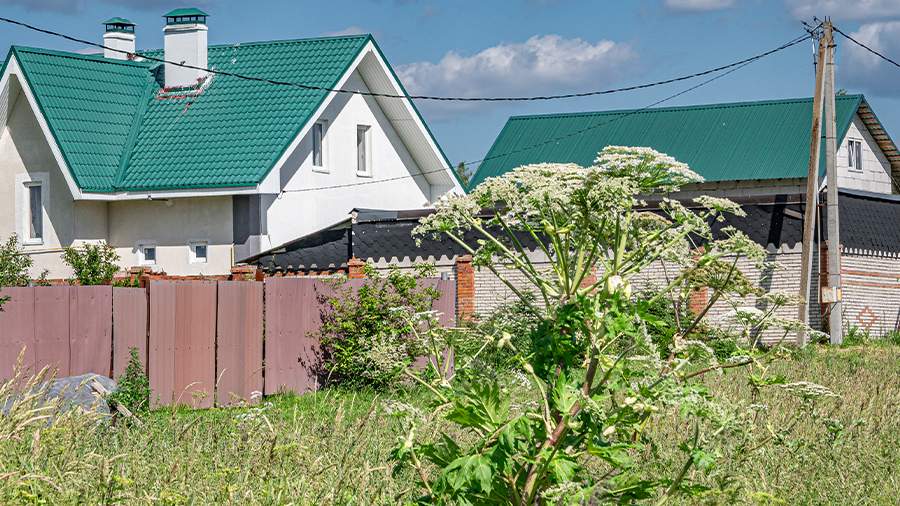
In the garden plots of the central part of Russia, you can find many poisonous plants that pose a health hazard. On July 11, Associate Professor of the Department of General Biology and Bioecology at the State University of Education, biologist Vitaly Polov, told Izvestia.
Among the most dangerous species, the expert identified hemlock, henbane, nightshade, monkshood, black nightshade and Sosnovsky hogweed.
"The Sosnovsky hogweed is a particular threat — a tall plant up to 4 meters with large umbrellas of flowers and a pungent chemical odor. When in contact with the skin, its juice causes severe photo burns. No less dangerous is hemlock, all parts of which are poisonous. It can be recognized by the purple spots on the stem and the unpleasant mouse smell when rubbing the leaves," Polov warned.

The poisonous milestone (hemlock) contains deadly substances in tubers. It is an umbrella plant with strongly dissected leaves and small white flowers. Black henbane, which belongs to nightshades, is also poisonous — its milky or yellow flowers with purple veins emit an unpleasant odor when damaged.
Belladonna (belladonna) attracts attention with its small brown-purple bell-shaped flowers, but its purple-black berries are extremely toxic. Aconite (borer) is completely poisonous, especially the roots. Its purple, yellow or white flowers are gathered in spectacular inflorescences, which makes the plant decorative but dangerous.
The expert drew attention to buttercups, which are often grown as a decoration of the site. Their leaves are similar to parsley, and accidental consumption can cause gastrointestinal upset. Lily of the valley, popular with summer residents, is also completely poisonous and becomes a weed when growing uncontrollably.
Polov noted that poisoning by simple contact with plants is rare in central Russia — the main danger is eating them. The exceptions are Sosnovsky hogweed and buttercup, the juice of which causes burns and skin irritation.
"You should never try unfamiliar plants and berries, and you only need to use gloves to work with potentially dangerous plants. It is necessary to wash your hands thoroughly after gardening. You can also use specialized atlases or mobile applications to identify plants. If you are not sure about the safety of the plant, it is better not to touch it and especially not to eat it," the biologist explained.
Earlier on May 15, Sokolov told Izvestia which fertilizers would improve yields. According to him, one of the most affordable ways to improve the soil is to use compost. This natural fertilizer can be made with your own hands from what usually goes into the trash: food waste, grass, leaves, twigs, eggshells.
Переведено сервисом «Яндекс Переводчик»
