
From fire to day: Hamas is ready to agree to a truce with Israel
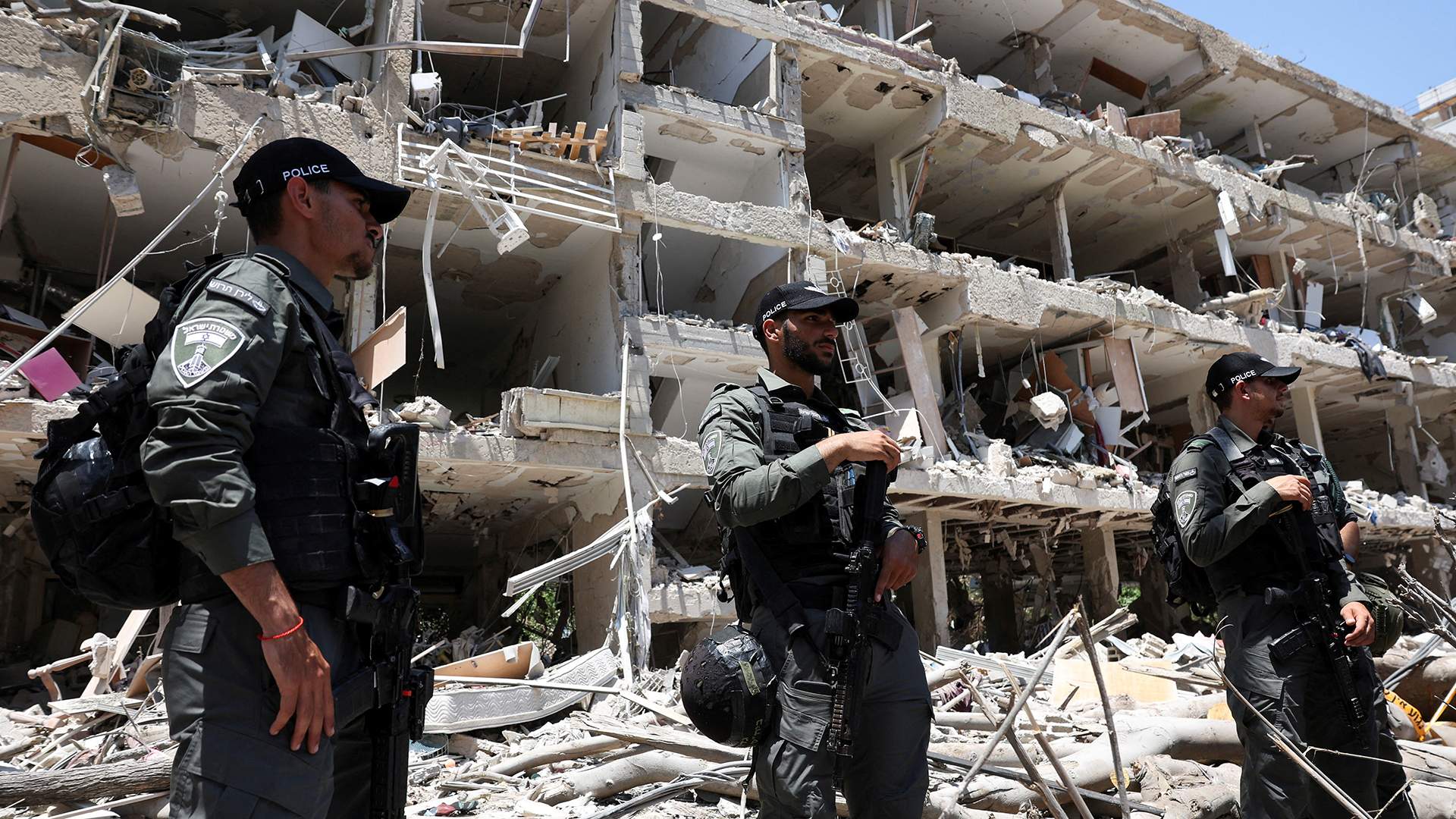
The Hamas movement has provided a positive response to the updated cease-fire proposal with Israel. A 60-day agreement can be reached within the next 24 hours. The plan calls for the exchange of hostages, the delivery of humanitarian aid to Gaza and the gradual withdrawal of Israeli troops. The situation in the conflict zone was discussed at the talks between the foreign ministers of the Russian Federation and Saudi Arabia, which took place in Moscow on July 4. About why the Hamas leadership took a flexible position regarding the deal with Israel — in the Izvestia article.
Why does Hamas agree to cease fire
The mediators from Egypt and Qatar received a positive response from the Hamas movement to the updated cease-fire proposal with Israel, which paves the way for a possible agreement. This was reported by media sources close to the negotiations. The proposal is based on the initiative of the American special envoy for the Middle East, Steven Witkoff, and provides for a two-month pause in hostilities, an exchange of prisoners, and the beginning of negotiations on a complete end to the war.
According to Asharq TV channel, the key moment that allowed Hamas to make concessions was the changes in two articles of the draft agreement.: They relate to the delivery of humanitarian aid and the phased withdrawal of Israeli troops from the Gaza Strip. According to sources, the movement is satisfied with the guarantees it has received: the document stipulates that neither side will resume hostilities throughout the truce.
The role of the guarantor of the agreement's execution is assigned to US President Donald Trump, who, according to Asharq's Palestinian interlocutors, personally intends to announce the agreement and "ensure its implementation." Earlier, Trump had already stated that Israel had accepted the proposed terms. At the same time, he urged Hamas "not to miss the chance," stressing that there would be no better offer.
The Witkoff plan contains 13 points and assumes a truce for a period of 60 days. Under its terms, Hamas will hand over to Israel the living hostages and the bodies of the dead prisoners. According to the Palestinian Maan news agency, as part of a potential deal, Israel, in turn, must release at least a thousand Palestinians in prison, including hundreds sentenced to life in prison. In addition, a large-scale humanitarian operation is planned: tens of thousands of trucks with food, medicines and other necessary goods will be sent to the Gaza Strip. However, the Jewish state, according to Israeli media reports, intends to maintain control over the distribution of aid through structures under its influence.
Meanwhile, the Palestinian movement continues to hold 50 hostages, including Maxim Kharkin, a native of Donbass. According to Israeli estimates, more than half of the detainees have already died.
Hamas said it was holding consultations and had already notified the mediators of its intention to give an official positive response. One of the movement's representatives told the Asharq al-Awsat newspaper that the technical preparation of the agreement was being completed in those hours — according to him, the process resembles the one that preceded the agreement reached in January, which, however, did not lead to a long-term truce.
Negotiations between Russia and Saudi Arabia
Meanwhile, the issue of a cease-fire in Gaza became one of the topics of talks between Russian Foreign Minister Sergei Lavrov and his Saudi counterpart Faisal bin Farhan Al Saud in Moscow on July 4. The Russian diplomat stressed that "it is urgently necessary to take measures to de-escalate" and provide humanitarian assistance not only to the residents of Gaza, but also to the Palestinians in the West Bank, where, according to him, the situation "is not much different for the better."
The similarity of Moscow's and Riyadh's approaches to the Palestinian-Israeli settlement reflected a marked warming in bilateral relations. So, in early July, Saudi Arabia instructed its foreign ministry to complete negotiations and sign an intergovernmental agreement with Russia on the abolition of visas for holders of all categories of passports. The kingdom has already become one of the leaders in the flow of tourists to Russia, and since October, Saudi air carriers intend to open regular flights to Russian cities.
The Saudi Foreign Minister expressed agreement with Russia's position on the situation in the Palestinian-Israeli conflict zone. He stressed the importance of developing a sustainable ceasefire.
"It is necessary to stop the fire and avoid the catastrophe that the Palestinians are currently living in Gaza,— the minister said.
According to Palestinian security expert Mohammed Al-Masri, the internal political dynamics in Hamas reflects the impact of the changes taking place in the region.
— The political leadership abroad is leaning towards a more flexible line and even allows a temporary ceasefire. At the same time, the military wing operating inside Gaza is taking a tough stance and insists on its red lines — on refusing to disarm and categorically rejecting the possible relocation of the command outside the strip," the expert told Izvestia.
According to him, the main difficulty in reaching a compromise lies in the fact that the approaches of the political wing of the movement and the military differ, the latter considering what is happening as an "existential war."
In the meantime, the issue of the future status of the sector, as well as future governance and security remains open. If Hamas officially confirms its readiness for an agreement within 24 hours, procedures for its implementation may begin as early as the weekend.
"Israeli Prime Minister Benjamin Netanyahu is acting with the full support of the United States, seeking to change the strategic landscape of the Middle East," Tarek al—Bardisi, an Egyptian international relations expert, told Izvestia.
According to him, the IDF no longer has achievable military goals in the Gaza Strip, and the focus is shifting to other areas, from its presence in southern Lebanon and Syria to attacks on Iran's nuclear infrastructure and the continuation of its policy of expanding Israeli settlements.
Переведено сервисом «Яндекс Переводчик»
