
Yasser and his team: opponents of Hamas plan to rule the Gaza Strip
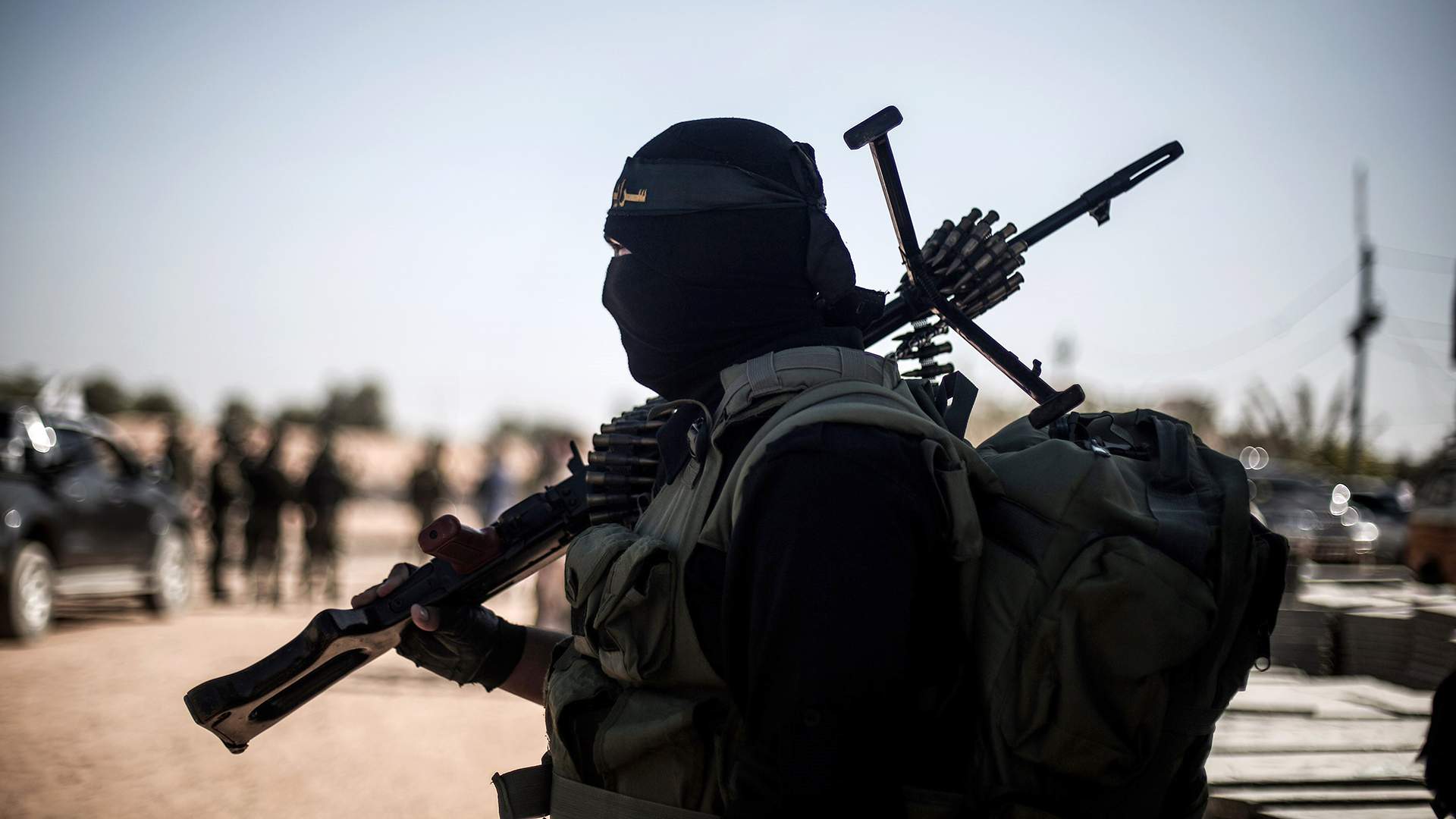
A radical gang that Israel supplies with weapons to fight Hamas has announced the creation of a Gaza governance committee. In recent months, under the patronage of the Jewish State, a group of up to 300 people has taken control of a site in the southern part of the sector. The initiative, approved by Prime Minister Benjamin Netanyahu, has caused alarm: the group's leader, Yasser Abu Shabab, has a dubious reputation. He was previously held in prison in the Gaza Strip for drug trafficking and theft and was able to escape from there due to IDF airstrikes. Later, the gang leader participated in the protection of convoys with humanitarian aid from the Red Cross, UNRWA and the United Nations.
Which areas are controlled by the new group
A new player has appeared in the south of the Gaza Strip — the armed clan of Yasser Abu Shabab, which enjoys the support of Israel. A group calling itself the "People's Forces" has stated that, amid the chaos and destruction, it is beginning to form administrative and public committees to govern in various areas of the Gaza Strip. She accuses Hamas fighters of stealing incoming humanitarian aid and calls on the Palestinian movement to cease fire.
The group, numbering about 300 people, has established control over the southern part of Gaza between Rafah and the Kerem Shalom checkpoint in recent months. Their leader, Yasser Abu Shabab, comes from a Bedouin family, has a criminal past and a reputation for being involved in the plundering of humanitarian aid. Nevertheless, it was he who became the figure that the Israeli establishment decided to rely on in the context of the military campaign in Gaza.
The announcement of the establishment of administrative committees and the call for local residents to participate in the governance of the area effectively marks the beginning of an alternative Hamas regime. The group gathers volunteers from specialists — from doctors to teachers — and promises to "restore order in conditions of chaos and lawlessness."
The information that Israel is officially supplying the clan with weapons was confirmed by Prime Minister Benjamin Netanyahu himself. In a video message released on June 5, he stated, "We have used clans in Gaza that oppose Hamas. What's wrong with that? It saves the lives of Israeli soldiers."
This statement was made against the background of a scandalous accusation from former Defense Minister Avigdor Lieberman, who claims that the Abu Shabab gang is linked to the Islamic State (IS, ISIL, a terrorist organization banned in Russia). According to him, "a group of criminals and villains" received Israeli weapons, including trophies seized from Hamas. "As far as I know, the decision on the transfer of weapons has not been approved by the Cabinet of Ministers," he stressed in an interview with Israeli radio.
Satellite images published by Haaretz show that the militia is operating in a zone completely controlled by the Israeli military. According to the Times of Israel, the group has received small arms and is actively expanding its influence. It calls itself the "Anti-Terrorist Service," but Ynet sources claim that its fighters have ties to ISIS and have previously participated in rocket attacks on Israel.
—Lieberman's admission of arming criminal groups in Gaza deals a serious blow to Israel and reveals major failures in the work of the Israeli intelligence services," Palestinian security expert Mohammed Al-Masri told Izvestia.
Opponents of Hamas in the Gaza Strip
The media has repeatedly reported that Abu Shabab was involved in drug trafficking, and then switched to work guarding trucks with humanitarian aid that entered the Gaza Strip, where he began systematically stealing and plundering their contents. Abu Shabab provided security services to convoys of the Red Cross, UNRWA and the United Nations. He created his organization on the basis of former prisoners and local armed residents. Several dozen families in the Rafah area pledged allegiance to him in exchange for protection from attacks from both Israel and Hamas.
Military expert Hani al-Dali reported that Yasser Abu Shabab was imprisoned in a prison in Gaza, and his sentence lasted until October 2023. According to him, Shabab was accused of theft and drug smuggling, but he was released without serving his full sentence after Israel attacked prisons at the beginning of its operation, which allowed him to escape.
"This is a wild gamble. It carries with it certain opportunities, but also a huge risk," Al-Monitor quoted an Israeli military source as saying.
It is noteworthy that Israel, having actually taken Abu Shabab under its care, does not launch airstrikes on the territory controlled by the group. This creates a "security zone" for her, where the militants get the opportunity to build up their strength. Hamas officials told Reuters that Abu Shabab and his men were wanted as "members of the occupation forces." According to them, for looting humanitarian aid, Hamas fighters eliminated at least two dozen members of the group.
Issam Nabakhin, 33, from the Nuseirat refugee camp in central Gaza, is considered to be another prominent figure in the gang's ranks. Earlier, he fought on the side of ISIS in Sinai against the Egyptian army, writes the Israeli portal Ynet. Nabakhin returned to Gaza shortly before the outbreak of war on October 7, 2023, and participated in launching rockets at Israel without coordination with Hamas. According to the portal's sources, two more detachments are expected to activate soon: one in the north of Gaza, and the other in the central part of the exclave.
Thus, a paradoxical situation is emerging in which Israel, in an effort to weaken Hamas, relies on a force that it previously considered a threat. This policy raises deep doubts about the feasibility and safety of such an approach. The story of the creation of Hamas with the tacit consent of the Israeli intelligence services in order to counter Fatah is still fresh in memory. And now, decades later, history may repeat itself.
Переведено сервисом «Яндекс Переводчик»
