- Статьи
- Science and technology
- Scientists light: atomic clocks and argonauts are among the best achievements of Russian researchers

Scientists light: atomic clocks and argonauts are among the best achievements of Russian researchers

The world's most accurate portable atomic clocks, microstents for eye treatment, and anti-virus proteins — these and other developments by Russian scientists were included in the report on the achievements of Russian science in 2024. It will be presented at the general meeting of RAS members by Academy President Gennady Krasnikov. Izvestia studied the draft of the speech in advance in order to tell in more detail about the most interesting projects.
Microscopic stent for the treatment of glaucoma
The main achievements of Russian scientists will be presented in Russia in 2024. Gennady Krasnikov, President of the Russian Academy of Sciences, will make a report on this at a meeting of the general meeting of RAS members to be held on May 28.
So, according to academics, one of the outstanding achievements of medical science was the development of the world's first microstent for glaucoma surgery. It was created at the M.M. Krasnov Research Institute of Eye Diseases. The device is made of shape memory material. It is placed through a puncture into the eye tissue, where it expands from a compressed state, creates and maintains the outflow of intraocular fluid, preventing an increase in intraocular pressure.
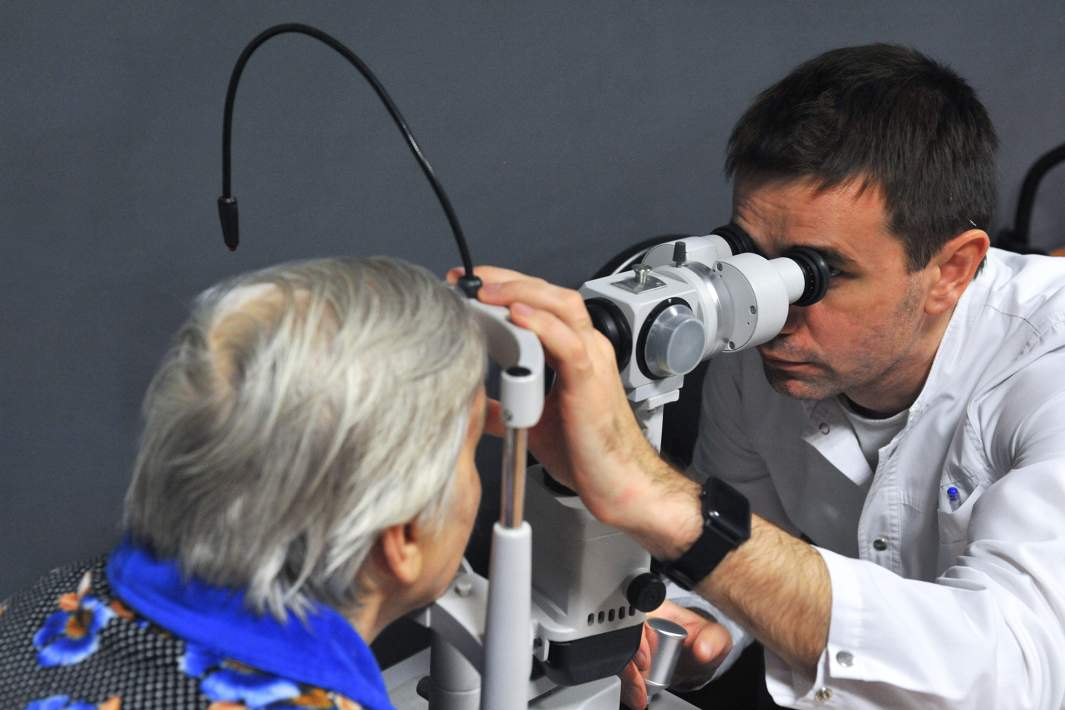
Glaucoma is a disease that manifests itself in the destruction of nerve fibers with increased intraocular pressure. It belongs to the socially significant group, since about one and a half million people in our country suffer from this disease.

More than 60,000 glaucoma surgeries are performed annually in the Russian Federation. Most of them can be performed using new technology. The implementation of the method will improve the results of surgical intervention, reduce the need for repeated procedures and reduce the likelihood of disability.
The most accurate portable atomic clock
Also, one of the significant achievements was the world's most accurate portable atomic clock. They were created at the Lebedev Physical Institute. The clockwork is based on thulium atoms (a rare—earth metal), and the frequency of the quantum transition of electrons from one atomic energy level to another under the influence of a laser serves as a "pendulum".
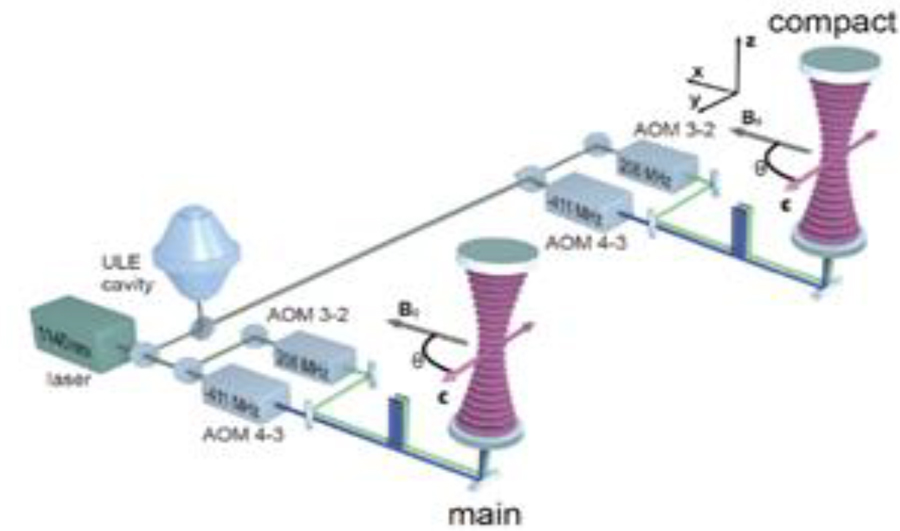
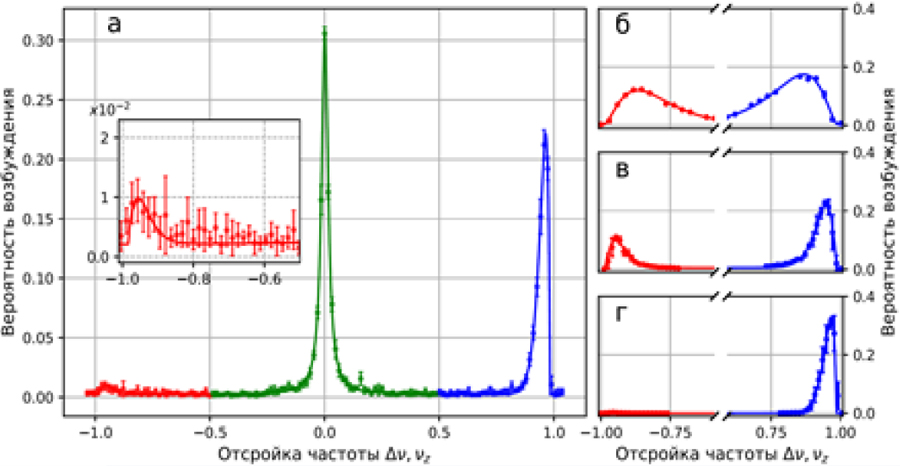
During the experiment, the researchers achieved a unique accuracy in 500 seconds of measurements — the error was only 10 to the minus 16th degree, which corresponds to the accumulation of an error of one second over 300 million years. This is not an absolute record, as the same error in today's most accurate strontium and ytterbium optical clocks is 10 to minus the 18th degree. However, such devices are bulky and work only in laboratories.
The triumph of Russian scientists is that they have created a very compact device. It can be transported to check the time in different places and used to coordinate the groupings of space satellites with each other. In particular, thulium clocks can improve the accuracy of global navigation systems (GLONASS, GPS) and the synchronization of quantum computers.
Argonauts proteins for gene editing
Another development, which was noted by academics, was carried out at the Institute of Gene Biology of the Russian Academy of Sciences, where scientists have developed a new method of genetic editing. It is based on the action of a new type of argonaut protein discovered by experts. Their natural function is to protect bacterial cells. Thus, when a virus enters cells, argonaut proteins detect foreign DNA, cleave and destroy it.
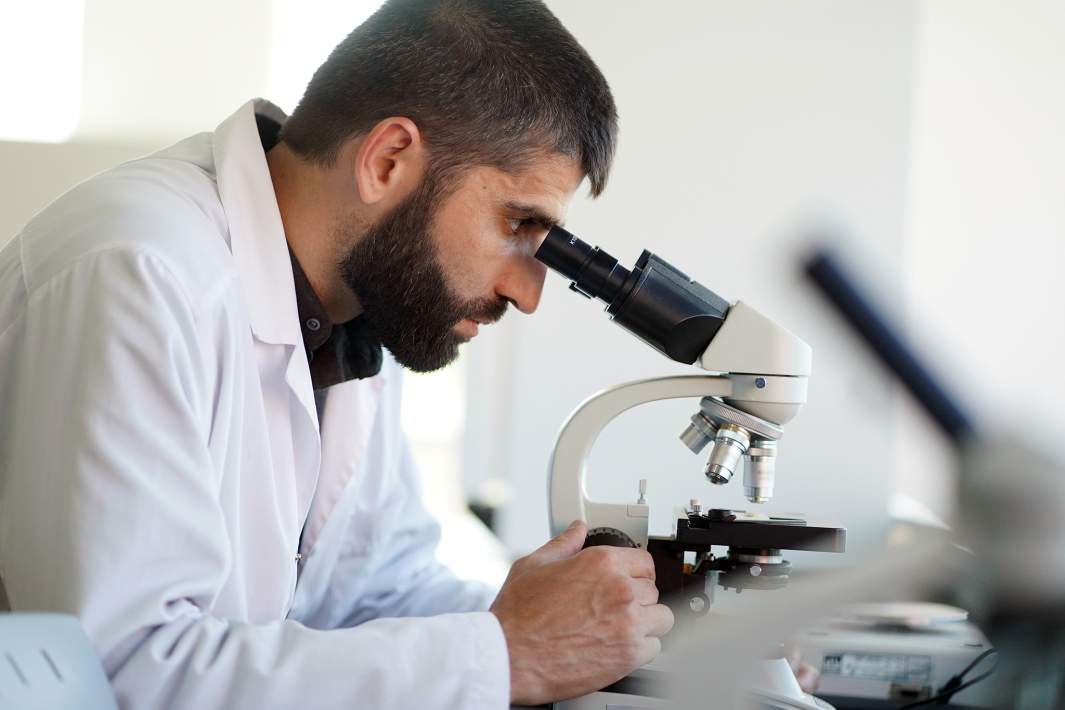
As a result, the infected cell dies, which stops the spread of the virus. According to scientists, this property can be used for genome editing, as well as used for hypersensitive diagnostics, for example, to detect viruses or genetic mutations.
In addition, the development opens the way to the creation of new methods of antiviral therapy, which allows the targeted destruction of viral DNA in infected cells.
New generation Mines
Another significant work is a new type of mining project prepared by the staff of the Academician N.V. Melnikov Institute of Integrated Subsoil Development of the Russian Academy of Sciences. Unlike traditional approaches, the concept takes into account the full potential of the developed area and includes not only the extraction of the main balance reserves, but also related resources, as well as waste processing.

When implementing the new approach, several factories are located in one field, which complement each other. At the same time, closed-loop technologies allow for extraction without harming the environment. The scientists tested the proposed methods at Russian mines for the extraction of diamonds and rare earths.
Friendly robots
In the field of information sciences, academics noted the development of the FITZ "Informatics and Management". Software scientists have proposed a smart algorithm that will help a group of robots (for example, drones or cargo vehicles) quickly and safely reach the desired points without a common control center.
Previously, one computer was used for this purpose, which distributed commands to everyone. But this is inconvenient if there is poor communication or a lot of robots. The new approach allows each device to make its own decisions based on what it "sees" and "feels" around it using its sensors, and on a short data exchange with neighbors. At the same time, the robots continue to perform a common task.
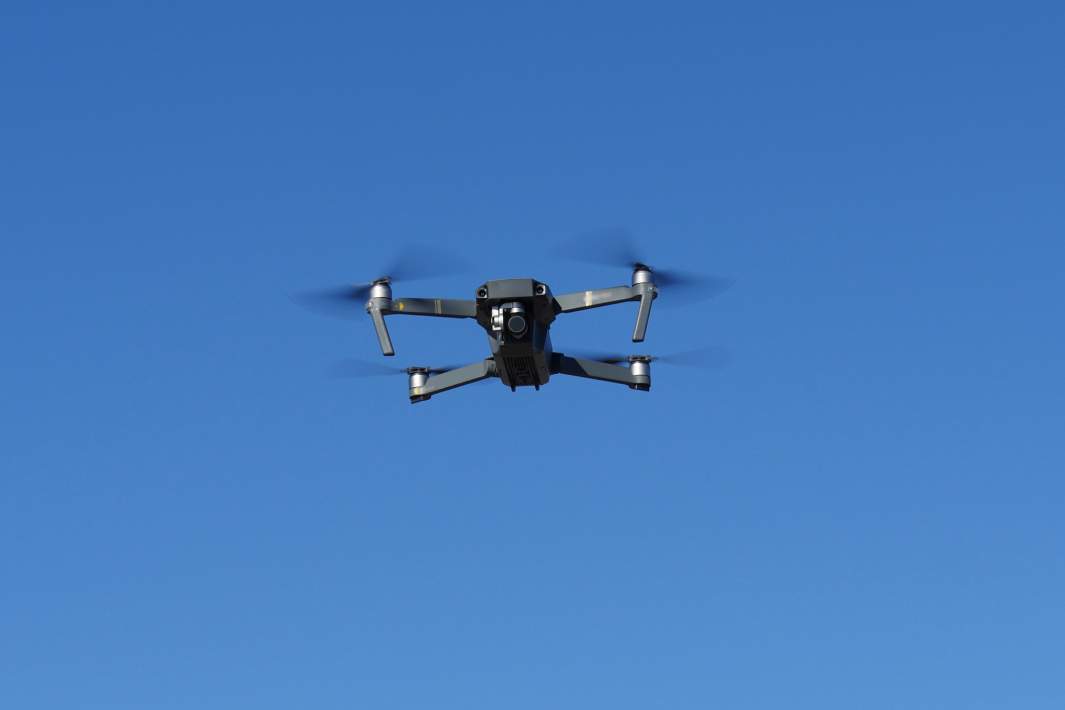
As the scientists noted, the proposed solutions work quickly and do not require complex calculations, but at the same time ensure that the machines do not collide and complete the task. Such technologies are in demand in logistics tasks or during search and rescue operations. Tests have shown that the proposed method surpasses its global counterparts.
Ways to configure memory
Scientists from the Institute of Higher Nervous Activity and Neurophysiology of the Russian Academy of Sciences have proposed a way to turn memory mechanisms on and off using epigenetic mechanisms.
They injected the model animal with a drug (RG108) that suppresses DNA methylation. Through this process, individual genes are blocked in the body. These tags do not change the DNA itself, but they do affect whether certain genes will work or "remain silent." As a result, after a day, memory deteriorated and it became more difficult for the brain of the experimental creature to adapt to new information.

Then the scientists gave the animal another drug that affects histone proteins (another type of "switch"), after which the memory returned and the electrical activity of the neural networks was restored. The experiment confirmed the reversibility of epigenetic changes and their effect on cognitive functions. It turned out that memory depends on a delicate balance between different processes. If you learn how to manage them, you can help people with Alzheimer's disease, dementia, or the effects of brain injury.

6G-generation communication materials
Specialists of the V.A. Institute of Radio Engineering and Electronics. Kotelnikova RAS has come up with a new way to capture microwave and terahertz radiation and convert them into electrical signals.
For these purposes, the scientists used new layered structures made of antiferromagnet (a material that "does not like" magnetic fields, but can vibrate at the right frequencies) and ordinary metal without strong magnetic properties.

The uniqueness of the development lies in the fact that the resulting detectors are effective at room temperature. Their use opens up broad prospects in the field of ultrafast data transmission (6G generation of communication), safe (unlike X-rays) "transmission" of living tissues and many other high-tech applications.
A new wheat variety and a sugar beet hybrid
Among the main achievements of agricultural science, scientists named a new wheat variety "RAN 300". It has increased productivity (up to 14 tons per hectare), is resistant to frost, lodging, drought and pests.
The grain contains more than 16% protein and about 27-30% gluten, which makes it possible to obtain high-quality flour. The development was named in honor of the anniversary of the Academy of Sciences, which was celebrated last year.

Also in 2024, farmers introduced a hybrid of sugar beet "Partner". Its yield is almost 64 tons per hectare. It does not require thinning, as the seeds produce one sprout each, which reduces the cost of processing fields.
At the same time, the weight of each root vegetable exceeds 750 g. However, the main advantage of the variety is its high sugar content (16.6%), which makes it possible to obtain about 10.5 tons of sugar per hectare.
Переведено сервисом «Яндекс Переводчик»
