- Статьи
- Economy
- There is no loan either: experts saw the risks in the process of launching a self-lock on loans

There is no loan either: experts saw the risks in the process of launching a self-lock on loans
Loan waiver: key issues
Russians are very much waiting for the introduction of a self-ban on loans, experts told Izvestia.
— Our observations show that against the background of the widespread announcement campaign, citizens have become very actively interested in this way of protecting themselves and their loved ones from fraudsters," said Alla Khrapunova, expert of the Popular Front for Borrowers' Rights project, curator of the Moshelovka platform.
According to her, over the past month, the Moshelovka portal has received hundreds of requests from citizens and the media about the mechanism of the new functionality.
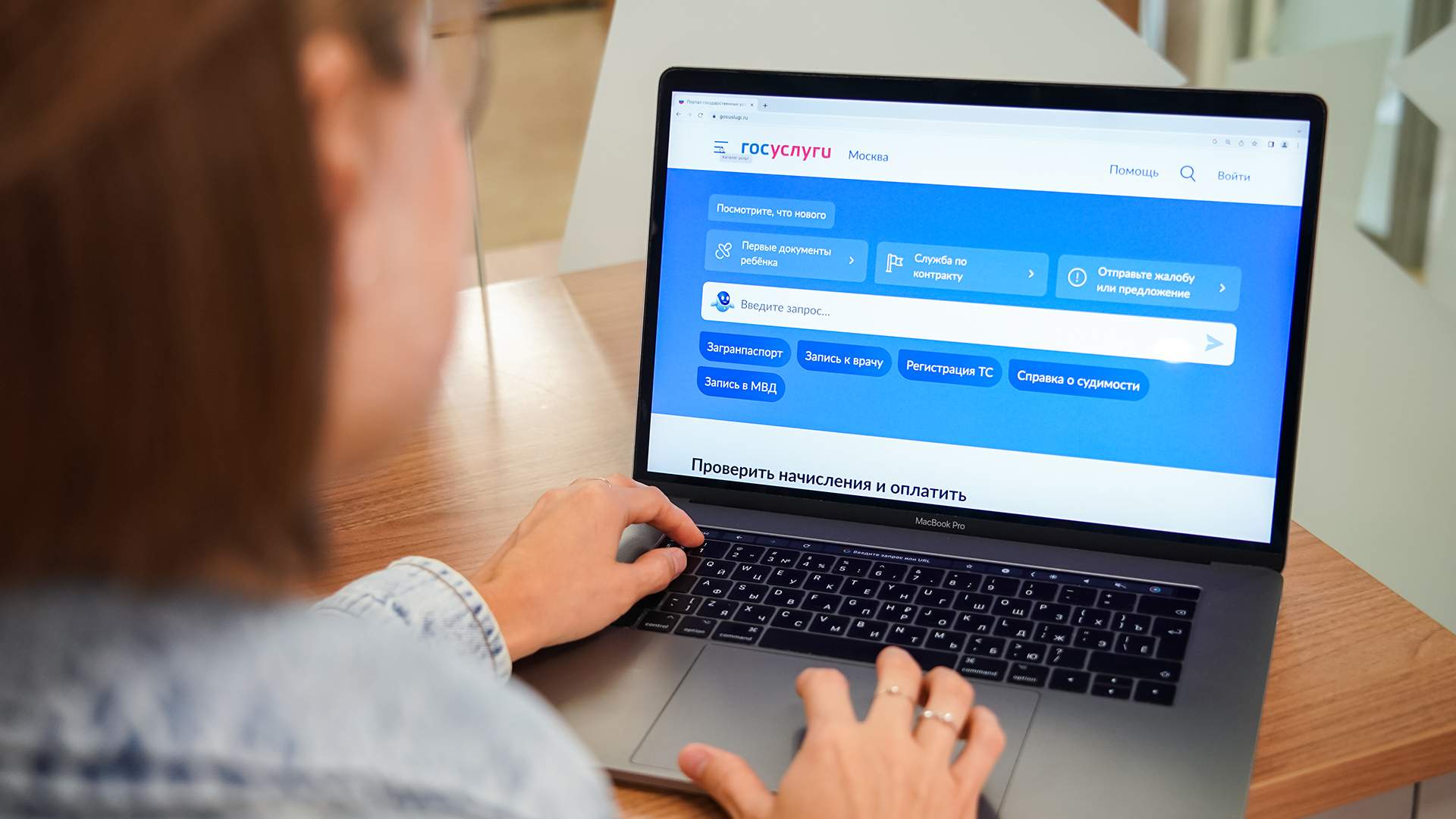
— People are interested in what the section on the Gosuslugi portal will be called, in which it will be possible to submit an application from March 1, at what specific time this section will appear and by what time zone, what the client's application path will visually look like, whether a notification will be received that that the mark in the credit history has been established and the self—lock has started to take effect, whether it is necessary to use the "State Key" to sign the application, and much more," said Alla Khrapunova.

However, unfortunately, there are no answers to these questions so far, according to the representative of the Popular Front. As of February 28, the Ministry of Finance, which oversees the Gosuslugi portal, had no information that would allow it to correctly advise citizens. Even the Max robot, which "lives" in the information system, did not provide any detailed explanations and links about the application mechanism, only general information that it will be possible to do this on Saturday in a special section.
According to the curator of the Moshelovka platform, this information vacuum carries serious risks.:
— In our forecast, we warn citizens that scammers are already embedding the topic of self-locking loans in their legends. And we predict that in March, phone scammers will introduce themselves as employees of Gosuslug and offer help in connecting the self-lock, they will lie that self-restraint has been imposed on the victim, it is necessary to repay all obligations ahead of schedule and offer help in removing the self-lock.

There are many versions, and they will all come down to obtaining a code from SMS to gain access to a personal account at Gosuslugi, Alla Khrapunova warned, stressing that such manipulations by fraudsters can discredit the tool of self-restraint, which is directly opposite to the goals set by the regulator, deputies and society. A good legislative initiative, as is often the case, has come up against a weak application. It was possible to reduce the risks by conducting a large-scale information campaign, but this was not done, the expert emphasized.

Why is it easier to issue a self-lock than to remove it
And there may be problems in the technical part, as is often the case with new functions on the portal, especially if a large number of people try to use them on the first day, says Alla Khrapunova. For the first time, the Ministry of Finance asked Izvestia about the readiness to launch the functionality on Public Services on February 17, but they did not receive an official response at that time. It became known from informal sources that work on the launch is still underway. At the end of this week, we did receive some very general answers.
The Ministry of Finance — on self-prohibition of loans:
You can establish a voluntary ban on bank loans and loans to MFIs in your name (you cannot do this to another person) through the Gosuslugi portal from March 1, 2025, and this opportunity will appear in all MFCs until September 1, 2025. To submit an application, you must have a verified account on the state portal and an INN. After submitting the application, a special mark appears in the credit history with the start date of the self-lock. From now on, banks and microfinance organizations must refuse to apply for a loan or loan.
The self-ban applies to all consumer loans and loans issued by banks and MFIs, with the exception of mortgages, car loans and educational loans. Variations are also possible. For example, it will be possible to establish a self-ban on the issuance of loans and loans only in banks or only in MFIs, or in all credit institutions at once. You can also limit only the remote or face-to-face form of delivery.

However, the press service of the Ministry of Finance explained to Izvestia one very important point regarding the removal of self-locking. By the way, it will be more difficult to do this than to establish, since you will have to submit an application signed with an electronic signature. It is quickly and free of charge issued in the Gosklyuch application, the department clarified. A more complex procedure is quite logical to create protection against fraudsters if they hack into the account and try to remove the self-lock.
— The restriction on the issuance of loans and credits will cease to apply two days after the information about the withdrawal of the self-lock is entered into the credit history. The date of lifting the self-lock will be reflected by qualified credit bureaus in a PDF file that will be sent to Gosuslug's personal account based on the result of the service, the press service of the Ministry of Finance reported.

What can be prevented by voluntary refusal of loans and borrowings
A voluntary waiver imposed on loans from MFIs will block the client's access to installments on marketplaces or in hypermarkets, said Nikolay Filippov, Director of Risk Methodology and Data Analytics at the United Credit Bureau (OKB). According to him, it is microfinance organizations that have occupied the niche of commodity lending.
The MFO market grew in 2024 largely due to companies associated with the largest marketplaces, according to the Central Bank. 65% of loans in this segment are from microfinance organizations that are associated with the largest participants in the e-commerce market. Izvestia sent inquiries to the country's largest marketplaces about plans to change the installment mechanism.

Nevertheless, SRO MiR (the association of microfinance market participants) supports the initiative of self-locking from the very beginning, the organization's press service clarified. According to them, no more than 10% of Russians will ultimately use the service, and there will be no significant impact on product development.
— Rather on the contrary, self—locking will allow you to cover up one of the "funnels" that fraudsters can theoretically use, the MIR SRO clarified.
In addition, the self-ban will not affect the disbursement of funds on existing credit cards, said Vladimir Chernov, analyst at Freedom Finance Global. Even after it is established, the credit card money will be issued as before.

It is important to take into account that the self-lock will take effect only the next day after registration, the Design Bureau warned. The process of installing or removing it involves several stages and may take longer, the credit bureaus noted. Gosuslugi submits the application to the BKI within an hour, and the bureau is required to make changes to the credit history on the same day if it received the application before 22:00 Moscow time, or the next day. However, the ban itself comes into force only a day after the changes are made. Thus, it may take up to 27 hours from the moment of submitting the application to the activation of the ban.
How does self-locking for loans work?
Information about the presence or absence of voluntary refusal is included by all qualified credit bureaus in the citizen's credit history and displayed in it. And before approving an application for the issuance of borrowed funds, banks and MFIs are required to verify the availability of information about the current self-ban by requesting it from the BKI. If there is a valid voluntary waiver in the credit history, the money will be refused. If potential creditors conclude contracts, despite the self-ban, they will not be able to demand that the borrower fulfill his obligations.
It is also worth remembering that after removing the self-lock, there is a cooling-off period of one working day, said Vladimir Chernov, analyst at Freedom Finance Global. If you suddenly want to buy something on credit, then you won't be able to do it on the same day.

Customers should not be surprised if, after removing the self-lock, they start receiving calls and messages from banks with offers to get a loan, the OKB clarified. These organizations are, in fact, subscribed to changes in his credit history, and information about the new mechanism is displayed there. That is, banks will find out about the removal of the self-lock, and in their eyes this already clearly reflects the person's intention to apply for a loan. They use this excuse to offer him their services.
In any case, a cooling-off period of one or two days after the self-lock is lifted will be enough for the victim to share the situation with his loved ones or realize what is happening himself, concluded Vladimir Chernov. In the end, the massive use of this mechanism will really greatly undermine fraudulent activity.
Переведено сервисом «Яндекс Переводчик»
