
The Nativity of the Blessed Virgin Mary: strict prohibitions, folk signs
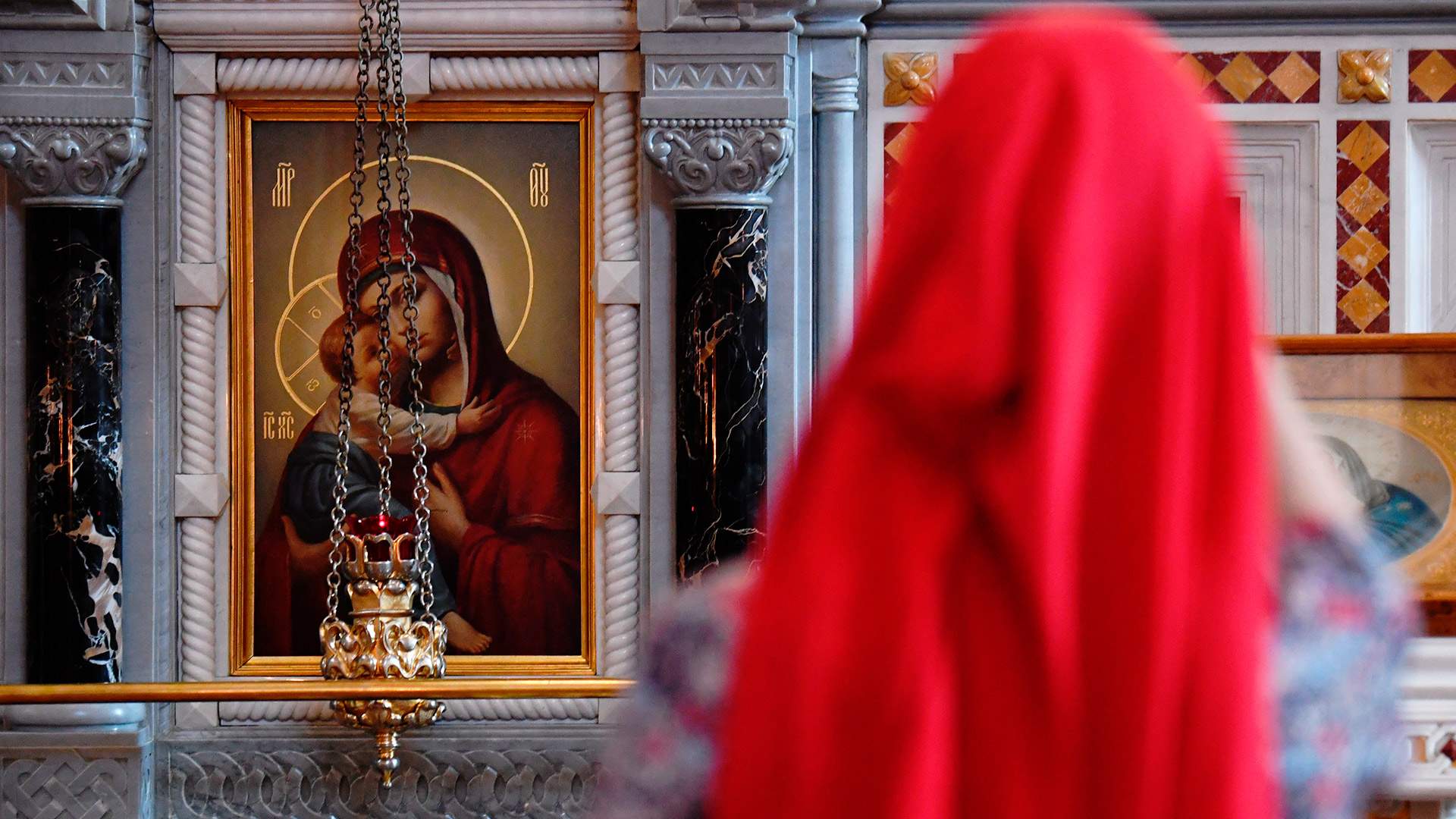
Orthodox Christians celebrate the Nativity of the Blessed Virgin Mary on September 21. In 2025, the holiday falls on a Sunday. In the Orthodox tradition, the event lasts for several days and begins the day before with an all-night vigil. The Nativity of the Mother of God is the first feast day and opens the Orthodox Church calendar. Catholics celebrate this holiday on September 8, according to the Gregorian calendar. The history and traditions of the feast of the Nativity of the Blessed Virgin Mary are in the material of Izvestia.
The Nativity of the Blessed Virgin Mary in 2025: What kind of holiday is September 21st?
The Nativity of the Most Holy Theotokos is considered the first feast day of the Orthodox Church year. The birth of the Mother of God was the fulfillment of prophecies that the Savior of the world would soon come to earth. The Feast of the Nativity of the Blessed Virgin Mary is celebrated annually by Orthodox Christians on September 21 (September 8, Old Style) and is non-transitory. At the same time, it has one day of pre-celebration and four days of post-celebration.
In the Orthodox tradition, it is not customary to celebrate the birth of saints, but there are still such days in the church calendar:
— Nativity of the Blessed Virgin Mary (September 21);
— Christmas (Orthodox — January 7, Catholics — December 25);
— The Nativity of John the Baptist (the Baptist) (July 7 or June 24).
The reason for celebrating these dates lies in the fact that all these people were holy from birth and had their own divine mission.
The construction of the first church in honor of the birth of the Mother of God dates back to the 4th century, and the first mention of the celebration of the Nativity of the Virgin occurs in the 5th century. Officially, in Byzantium, the celebration of the Nativity of the Virgin was established by decree of Emperor Maurice in the VI–VII centuries, and then spread throughout the world.
Only the main events from the life of the Mother of God are known from the Gospel, the rest of the details are revealed thanks to ancient legends and church historical writings. Thus, the parents of the Virgin were pious people: father Joachim was a descendant of King David, and mother Anna belonged to the family of the high priest Aaron. They were engaged in charity work and donated most of their income to the church.
Father Sergiy (Khrameshin), professor of the Slavic-Greek-Latin Academy, told Izvestia about the significance of the holiday for Christians.
— According to legend, the righteous couple Joachim and Anna could not have children for a long time, which in those days was considered a great misfortune and even a disgrace. They prayed tirelessly, asking God to grant them offspring. One day, an angel announced the good news to them: they would have a daughter, through whom all nations would be blessed. In gratitude to God, the parents dedicated their lives to Mary and brought her to the Jerusalem temple to educate and serve the Lord," says the expert.
— This event is considered the beginning of the fulfillment of the divine plan for the salvation of mankind. The birth of Mary became the embodiment of ancient prophecies and opened a new era in the history of spiritual life. Without her, the coming of the Son of God and giving people hope for redemption and eternal life would have been impossible," Father Sergius added.
What not to do on the feast of the Nativity of the Blessed Virgin Mary
On the eve of the event, solemn services are held in churches. Believers visit temples on this day or prefer to pray at home. At the vigil, three fragments from the Old Testament are read, explaining the meaning of the holiday: Jacob's vision, in which the ladder depicts the Virgin Mary, through whom Christ came (Genesis); about the closed gates symbolizing the virginity of Mary (The Book of Ezekiel); about the Wisdom that built the house (the Book of Proverbs of Solomon).
In prayers on September 21, Orthodox Christians ask for the birth of a child, a happy family, marriage, protection and heavenly protection.
Traditionally, events in temples are held according to the following schedule:
— All—night vigil on September 20 at 18:00;
— September 21 at 8:30 a.m. — confession;
— September 21 at 9:00 a.m. — Liturgy.
— In Russia, the Nativity of the Virgin Mary has always been celebrated with special solemnity. This day coincided with the end of field work and the beginning of autumn, so people thanked God for the harvest and asked for blessings for the coming winter. After visiting the church, families gathered at a common table, where dishes from the new harvest were served: fresh bread, pies with cabbage and mushrooms, porridge, honey and fruits. The housewives baked special loaves, symbolizing prosperity and well—being, - says the interlocutor of Izvestia.
On the Nativity of the Virgin, it is allowed to eat animal products: meat, fish, eggs, milk and cheese. As a treat, it is customary to bake bread with the letters "RB" (Nativity of the Virgin). If the holiday falls on a Wednesday or Friday, meat and dairy products are prohibited for consumption.
The remains of the festive table used to be given to animals and birds, while it was strictly forbidden to sweep the crumbs off the table. According to beliefs close to superstition, this could sweep the profits out of the family. On a holiday, it is customary to invite each other to visit and give icons with the image of the Virgin. Images dedicated to the birth of the Virgin Mary usually depict her mother Anna, surrounded by midwives and maids, and the newborn herself to the side.
— One should not engage in heavy physical work, construction, sewing or cleaning: there was an opinion that working on a holiday could lead to failures or losses. It is undesirable to quarrel, swear, use abusive words or indulge in excesses. The church also disapproves of the fascination with fortune—telling and occult practices, especially on such significant days," says the professor.
Instead, according to Father Sergius, it is recommended to devote the day to spiritual reflection, prayer and good deeds. Going to church and participating in worship helps you get in the right mood and express gratitude to God. It is also useful to spend time with family, pay attention to loved ones, and help those who need support.
The professor also noted that many traditions of the holiday are still preserved, especially in rural areas.
— People continue to visit churches, participate in festive worship services, and spend time with family and friends. Fairs, festivals and concerts dedicated to the Nativity of the Virgin Mary are held in many regions, where you can get acquainted with folk crafts, taste national cuisine and just have a good time," explains Father Sergiy.
The Nativity of the Virgin: folk signs on September 21
Traditionally, there are many signs associated with religious holidays. Our ancestors also observed the weather. On September 8, according to the old style, and on the 21st, according to the new, there is also a holiday, popularly called Autumn. Just by the name alone, it immediately becomes clear that this is a celebration of saying goodbye to summer — it was believed that it was on this day that autumn finally came. It is also called the harvest festival, because in early autumn it is customary to pick vegetables and fruits and fill their cellars and barns, thereby replenishing supplies for the winter. The celebration of this day was widespread in Russia during paganism, even before Baptism, but many signs have survived to this day.
Among the weather conditions, the following can be distinguished::
— if the weather is sunny and clear all day, it will remain that way until the end of October.;
— it's foggy outside — autumn will be rainy;
— it's raining on the morning of September 21 — the downpours won't subside for another month;
— cloudy weather and drizzle foreshadowed a cold winter;
— dew on the grass — there will be frosts;
— birds fly high — winter won't come soon, and if it's low, it's time to prepare for its imminent onset and get warm clothes.;
— a strong wind marked an almost snowless winter.
In addition to the weather, there were more general signs regarding work, health, and more.:
— doing hard physical labor and working on that day was considered a sin.;
— housework (cleaning, cooking, washing, sewing) was also banned;
— in order not to overshadow this bright holiday, it was forbidden to quarrel, swear or get angry;
— it was worth meeting the day at the water, so people got up before dawn and went to the nearest reservoir; there they washed with the first rays of the sun, which was believed to bring health and beauty to a person.;
— giving alms, participating in a charity event, or volunteering was considered a good omen — helping your neighbor will certainly have a beneficial effect on your fate if you do it from the bottom of your heart.
In addition, according to Father Sergius, young people used to get to know each other and woo each other in the villages, believing that a marriage concluded on this day would be happy and strong. There was also a tradition of exchanging gifts and helping those in need, which emphasized the spirit of charity and unity.
— Fortune-telling on this day was not encouraged by the church, but some girls still resorted to them, wanting to find out about their future fate. However, the priests warned against such actions, considering them sinful and incompatible with the spirit of the holiday, warns the interlocutor of Izvestia.
To whom and what to pray on the church holiday on September 21
It is believed that there are four holy places all over the world that are under the special protection of the Blessed Virgin Mary.:
— Iveria (Georgia);
— Holy Mount Athos (Greece);
— Kiev Pechersk Lavra (Kiev);
— Serafimo-Diveevsky Monastery (Diveevo, Nizhny Novgorod region).
"Her blessing for all these four places is that She promised to be personally in each of these places for three hours every day, and she would not allow any of their inhabitants to perish," Nikolai Alexandrovich Motovilov, trustee of the Serafimo—Diveevsky Monastery, wrote to Emperor Nicholas I.
In Russia, it was also believed that the Mother of God is the patroness and protector of the country. It is important to note that it was on the day of the Nativity of the Virgin that the Battle of Kulikovo took place and one of the most important victories of the Russian people in history. There is a legend that Prince Dmitry, moving towards the enemy, near Kolomna heard a voice that predicted the intercession of the Mother of God.
On the Nativity of the Most Holy Theotokos, Father Sergius says, believers turn to the Virgin Mary herself with prayers. She is asked for intercession before God, for health, family well-being, and help in difficult life situations. Prayers for the gift of children for childless couples are of particular importance, since the story of Mary's birth is closely linked to the miraculous deliverance of her parents from childlessness. Saints Joachim and Anna also pray on this day, asking them for wisdom in raising children, strengthening family ties and helping them overcome family difficulties. Their example of faith and patience is an inspiration to many believers.
— The Nativity of the Blessed Virgin Mary is a holiday that unites people and fills their hearts with warmth and light. It reminds us of the importance of faith, hope and love in our lives. On this day, it is worth putting aside everyday worries, thinking about spiritual values, spending time with loved ones and doing something kind for others. May the holiday bring peace, joy and prosperity to your homes. May the Most Holy Theotokos protect and protect you on the path of life, help you in difficulties and guide you on the path of goodness and mercy," concludes Fr. Sergius.
Troparion of the Nativity of the Most Holy Theotokos:
Christmas Yours, Virgin Mary,/
joy to build the whole universe:/
From You bo ascension The Sun of Truth is Christ our God,/
and, having broken the oath, give a blessing.,/
And by abolishing death, eternal life is given to us.
Translation: Your Nativity, O Virgin Theotokos, has proclaimed joy to the whole universe, for the Sun of righteousness, Christ our God, has risen from You; and, having abolished the curse, He has given us a blessing and, having abolished death, has granted us eternal life.
Kontakion of the Nativity of the Most Holy Theotokos:
Joachim and Anna the vilification of childlessness,/
Both Adam and Eve were freed from the aphids of death, O Most Pure One.,/
In the holy Christmas Yours./
That's what your people celebrate.,/
the guilt of the sins of deliverance,/
Always welcome:/
adversity gives birth to the Mother of God and the nourisher of our Life.
Joachim and Anna were freed from the reproach of childlessness, and Adam and Eve from the corruption of death, by Your holy Nativity, Most Pure. Your people, who have been saved from condemnation for sins, also celebrate it, exclaiming to You: "The barren one gives birth to the Mother of God and the nourisher of our Life!"
Переведено сервисом «Яндекс Переводчик»
