Novy Leningradsky: how a large-scale renovation changed Moscow's first railway station
- Статьи
- Local news
- Novy Leningradsky: how a large-scale renovation changed Moscow's first railway station


Moscow's first railway station, built more than 175 years ago, has been put into operation in a new capacity. The overhaul of the Leningrad railway Station has been completed. Engineering systems have been updated, passenger spaces have been doubled and the historical appearance of the building, an object of cultural heritage of federal significance, has been preserved. For more information about how the oldest railway station in the capital has changed, see the Izvestia article.
175 years of history
The history of the Leningrad Railway Station began in 1842, when Emperor Nicholas I signed a decree on the construction of the St. Petersburg-Moscow railway. This infrastructure project has become one of the largest in the Russian Empire.
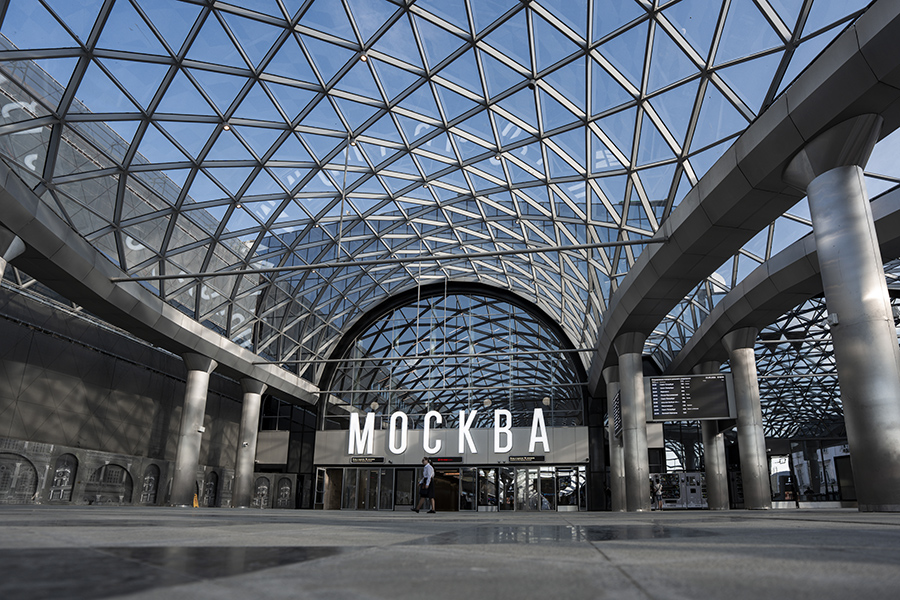
The design of the stations was entrusted to architect Konstantin Ton, the author of the Cathedral of Christ the Savior, the Grand Kremlin Palace and the Armory. The buildings of the railway stations in Moscow and St. Petersburg were made in the same architectural style.
Today, Leningradsky Railway Station is the first in terms of tourist traffic in Russia. Every year, millions of passengers travel from here to travel in the north-western direction. The station is part of Moscow's largest transport hub, Komsomolskaya Square. More than 350,000 passengers pass through this hub every day, and Leningradsky Railway Station itself serves more than 44,000 people per day.
From engineering to navigation
The overhaul was implemented by the Moscow government in cooperation with Russian Railways. The main task was to create a modern transport space with comfortable transfers, updated engineering and preservation of the historical appearance.
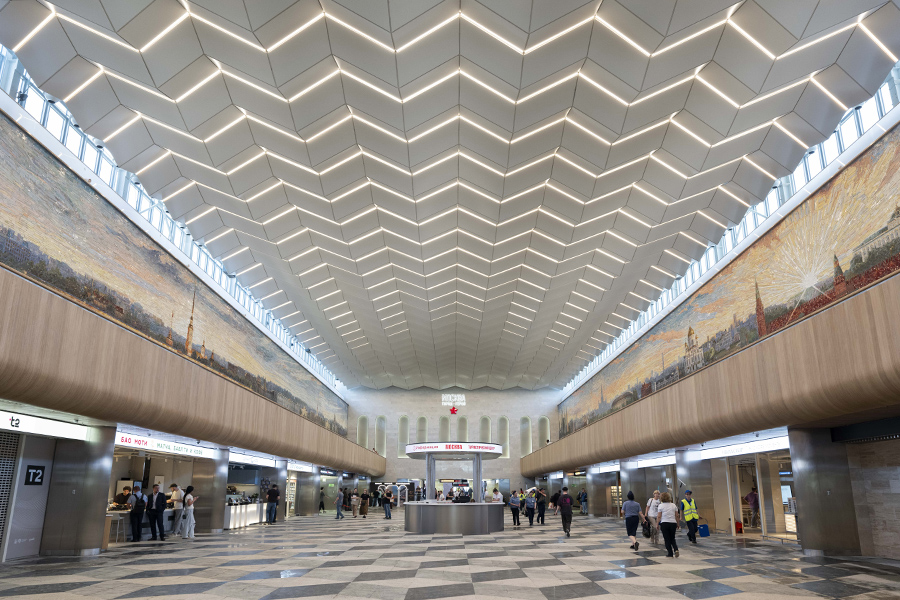
All engineering systems inside the station have been completely replaced: electricity, ventilation, air conditioning, heating, lighting, fire protection and security systems. The area of passenger spaces has doubled to 16,000 square meters. The number of waiting areas has increased from 702 to more than 1,000, and the number of waiting rooms — from two to five.
Leningradsky Railway Station became the first railway station in Russia with a digital navigation system consisting of more than 220 digital elements: 23 departure and arrival boards (almost five times more than before), digital signs, information screens and signage.
Transfers and entrances
A new system of entrances to the station building has been formed. These are five entrances, three of them are already in operation, and two more are promising. For the first time in 30 years, the entrance is open through the basement from Krasnoprudnaya Street.
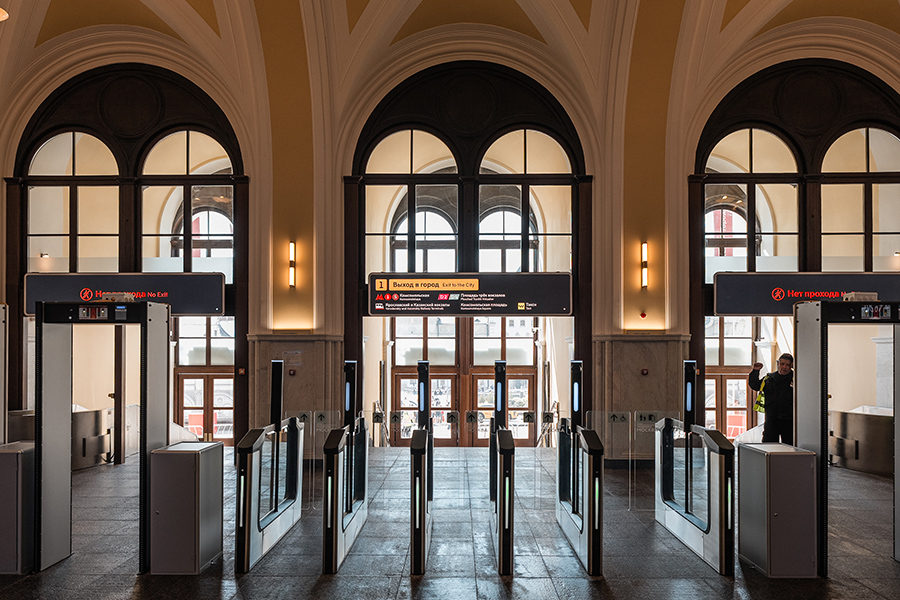
Transfers between metro, commuter trains, long—distance trains and land transport are organized on the principle of "dry feet" - passengers do not have to go outside. And the transfer time was reduced from six minutes to one minute.
For the first time in the Russian transport infrastructure, baggage belts were installed at the entrances.
Facades, mosaics and museum
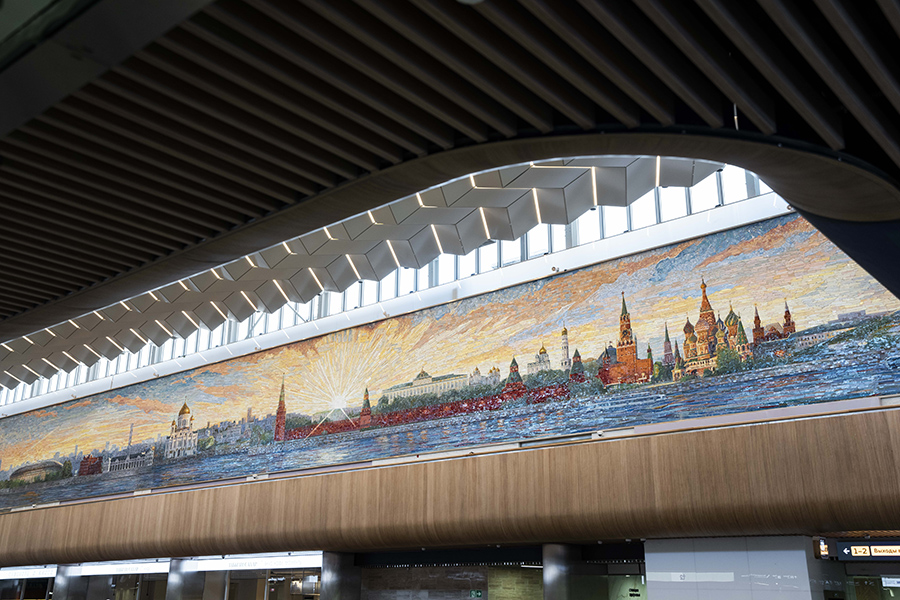
Leningradsky Railway Station is an object of cultural heritage of federal significance. All decisions were consistent with the requirements for the restoration and preservation of architectural elements. Specialists have restored the facades (area — 2288 sq. m.), roof, historical interiors and decorative elements. The chapel of St. Nicholas the Wonderworker has been restored at the station. Unique mosaic panels of Moscow and St. Petersburg with a total area of more than 800 square meters have been created. m is the largest mosaic on a transport infrastructure facility in Moscow.
A museum of the station's history has been created in the historical part of the building, on the previously inaccessible third floor. This immersive space is inspired by 19th-century palace interiors. The central element is a scene featuring Nicholas I and architect Konstantin Ton, recreating the moment of the presentation of the station project.
From a kids' club to a business lounge
There is a new functionality at the train station. The first floor is reserved for the rapid transit area to the trains. There is a room for families with children, the Soyuzmultfilm children's club (for the first time at Russian railway stations), a medical center, a business lounge, and long-distance ticket offices.

The ground floor has become a zone of long-term services: luggage storage, retail space, and related services. Instead of scattered retail outlets, more than 40 modern shops, cafes and service operators have appeared. They all work around the clock. The price is the same as the average for the city.
The second and third floors are adapted for waiting. A coworking space with 90 seats has been organized, a business hall with an area of 800 square meters (doubled), seven sanitary areas have been equipped (seven times more than before), showers, laundries and pet care areas have appeared.
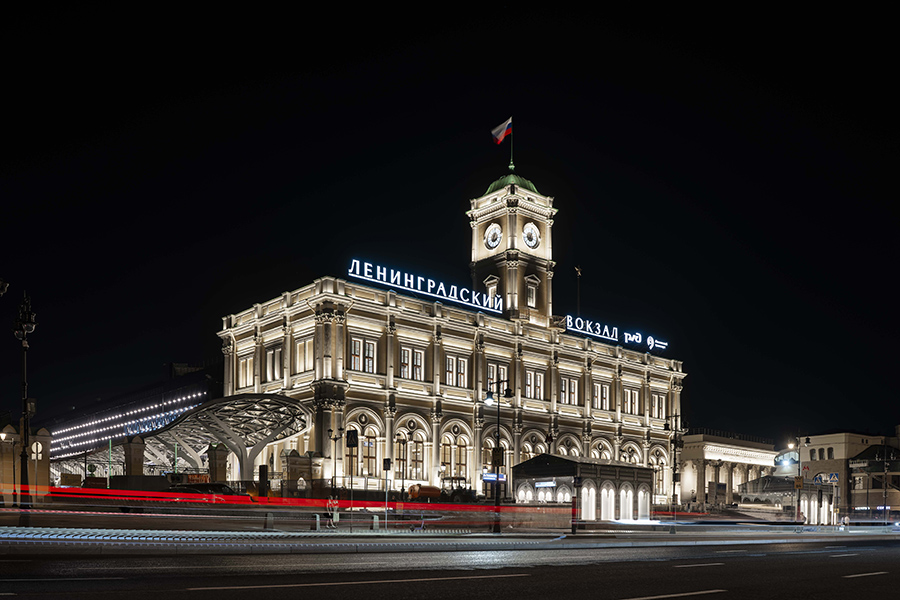
In parallel with the renovation of the station, Komsomolskaya Square was also improved. New walking routes, city parking, and additional taxi spaces have been organized (the number has been increased from 30 to 44). Glass pavilions made of translucent materials are installed at the exits of the Komsomolskaya metro station — they are integrated into the architectural environment and do not overlap the historical facades.
The most modern
Moscow City Duma deputy Sabina Tsvetkova called Leningradsky Railway Station the most modern long-distance railway station in Russia.

Tsvetkova noted that it was important not only to create a modern transport space with comfortable transfers, updated engineering and preservation of the historical appearance, but also to give the city a new point of attraction with high-quality service according to Moscow transport standards.
— And it turned out, — the deputy notes. — It has actually been rebuilt from the inside: the air exchange has been doubled, and the illumination level is 400 lux. A stable temperature regime of 22-25 °C is maintained on all floors under external conditions from -40 to +40°C. The air conditioning system now covers all areas, including the basement.
The space of the station has been doubled, the deputy added. According to her, the renovation of Leningradsky Railway Station is an important event not only for Moscow, but for the whole of Russia.
The completion of work at Leningradsky Railway Station is the first stage of its development. The next step is the construction of a high—speed railway (HSR) terminal. The work was carried out in stages, without completely stopping the transport hub, in order to maintain the usual routes for passengers even during construction.
Переведено сервисом «Яндекс Переводчик»
