The expert named the most radiation-resistant tree in Chernobyl

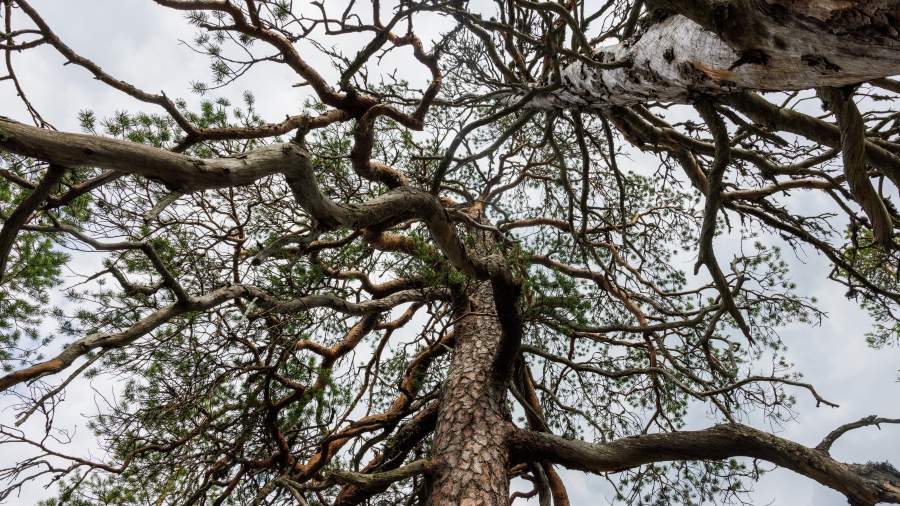
Pine proved to be more resistant to radiation after the Chernobyl accident than spruce and birch. This was announced by Svetlana Zagirova, head of the Department of Forest and Biological Problems of the North at the Komi Institute of Biology, summing up the results of radiobiological studies conducted in 1986-1990 in the 30-kilometer zone.
Immediately after the disaster, significant areas of forests were exposed to radioactive contamination, the expert says. About 1 thousand hectares of pine forests died, forming the so-called "Red Forest". As early as the summer of 1986, the death of the apical buds and the massive formation of replacement buds were recorded in the trees, and in autumn, abnormally short shoots, giant needles and a violation of the spatial orientation of growth were recorded.
"The reproductive sphere turned out to be the most sensitive to ionizing radiation in pine trees: the quality of pollen sharply decreased, the number of dead ovules increased," Zagirova noted.
In the following years, no significant new violations were detected, and since 1988, a gradual normalization of growth in the surviving plantations began, the expert believes. According to her, the trees have adapted to the conditions of chronic exposure, and the growth rate of shoots has gradually approached the background values. At the same time, the most stable specimens continued to form a full-fledged crown and remain viable.
Read more about the Chernobyl disaster and its consequences in the Izvestia special project
Переведено сервисом «Яндекс Переводчик»
