The battle for the viewer: how culture competes with the Internet for young people
- Статьи
- Local news
- The battle for the viewer: how culture competes with the Internet for young people


For a modern person, time is the main scarce resource. Both for information and entertainment, we are increasingly choosing the shortest possible formats. VTSIOM surveys regularly show that the majority of Russians prefer short videos that can be watched on the road, while eating, or even on the go. And one of the latest studies has shown that this trend is even more pronounced among young people — 95% of schoolchildren and 93% of students watch short videos on the Internet. In competition with streaming services, social networks, online games, and video services, traditional cultural institutions - theaters, museums, and concert venues — are forced to look for new formats, change their language, and use digital tools to bring young audiences to their halls. Now, on the eve of the May weekend, and then the summer holidays, this is especially important. Whether the Pushkin Map helps in this and what is changing in the behavior of the audience, read the Izvestia article.
The Internet as a showcase
It is believed that modern youth prefer to watch shows on streaming services and scroll through social media feeds instead of going to a museum or theater. However, the practice of recent years shows that online and offline do not compete so much as complement each other.
Sofia Malyavina, Director General of ANO National Priorities, notes that cultural institutions are increasingly using the Internet not as an alternative to themselves, but as a showcase. Digital platforms are becoming a way to interest the user in order to eventually bring them to a real event.
This process was especially actively developed during the pandemic, when museums and theaters were forced to quickly go online. Malyavina cites as an example the action "Night of Museums" by the Ministry of Culture, which has gained more than two million views on social networks. Last year, the Hermitage launched the digital routes "One Museum. Three views" — media personalities introduced subscribers to the exhibition.
Such projects, according to the expert, do not replace live attendance, but work to attract viewers to the halls. In recent years, Russian museums have done a lot of work, making their presence on the Internet systematic.
— The Internet and cultural institutions do not interfere with each other, but, on the contrary, complement each other, — sums up Sofia Malyavina.
Figures and geography of the "Pushkin Map"
The Pushkin Map has become one of the main tools for attracting young people to cultural institutions. The program celebrates its fifth anniversary in 2026. Its mechanism is simple and straightforward: young people between the ages of 14 and 22 receive funds to visit theaters, museums, concert halls, and more recently cinemas.
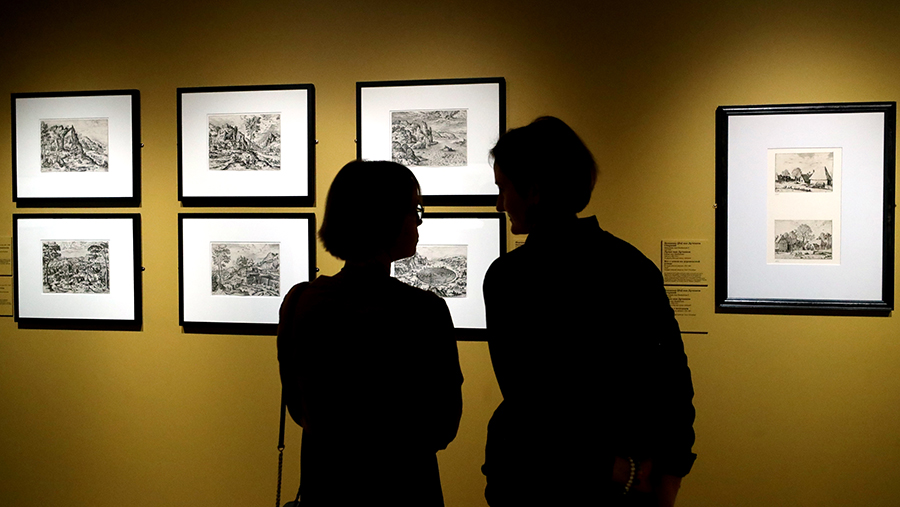
The program is implemented by the Ministry of Culture in cooperation with the Ministry of Finance and VTB. You can apply for a card in the Gosuslugi Kultura application and the bank's office. If the user is a VTB customer, they can also register it in the bank's mobile application. The virtual card is issued in a few minutes.
Sofia Malyavina calls this project unique: there is no systematic support for youth in accessing culture anywhere else in the world.
According to a VTsIOM survey conducted in December 2025, 95% of young people aged 18 to 24 know about the program. This is an extremely high level of awareness for any government initiative.
"The program has a global goal — to interest young people in culture and history, and to make cultural institutions a familiar part of leisure time," the expert explains.
And, judging by the feedback from institutions, this task is beginning to be solved. Attendance growth is recorded in a wide variety of institutions, from federal museums to small regional theaters.
VTB adds that the preservation of cultural heritage largely depends on whether culture becomes a part of the daily lives of young people. Therefore, the bank strives to create and maintain accessible ways to explore museums, theaters and other venues.
Regional experience
The Pushkin Map program is also interesting because it works not only in megacities, but also in regions, cities and towns remote from the capital. In Mordovia, for example, 93 cultural organizations have joined the program. In 2025 alone, more than 3,000 thousand events on the Pushkin Map were held in the republic. They were visited by over 200,000 young people. The total amount of funds raised exceeded 70 million rubles. The region emphasizes that success is due to the fact that the sites carefully study the audience's preferences, adjust formats and rely on classical heritage, patriotism and traditional values.
The experience of Naberezhnye Chelny is also indicative. Municipal institutions of the city earned more than 26 million rubles according to the Pushkin Map in 2025. The Artisans Drama Theater became the sales leader — 15.2 million rubles.
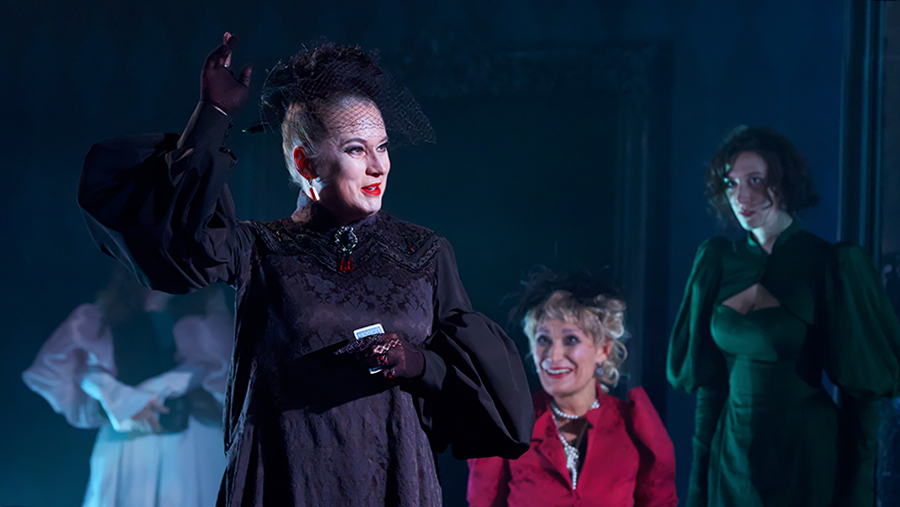
Yakutia is another region with high engagement. There are 191 institutions involved in the program: 13 theaters, 19 museums, 132 cultural centers, 9 libraries, 7 cinemas. In the first quarter of 2026, 1,124 events were held, and more than 26,000 tickets worth almost 48 million rubles were sold. The leaders are the Sakha Academic Theater, the National Art Museum, the Algys Center and the Cinema Center.
These examples show that the Pushkin Map works not only in the capital. In the regions, the program is becoming a real tool for supporting local theaters, museums, and cultural centers. And the more actively institutions adapt their formats to young people, the higher the impact.
Backstage tours and family hikes
The appearance of the Pushkin Map has become an incentive not only for young people, but also for cultural institutions themselves. Theaters, museums, and concert halls have begun to come up with separate programs aimed specifically at the youth audience.
One example is the "Day at the Theater/Museum" project in St. Petersburg. The owners of the Pushkin Map can visit the closed backstage spaces of the city's leading cultural sites with a group tour. The list includes the Akimov Comedy Theater, the State Academic Chapel, the Manege exhibition complex, the apartment museums of Rimsky-Korsakov and the Samoilov actors. Important detail: the ticket is free for the accompanying teacher.
Another popular format is the "Take parents to the Museum" campaign, which National Priorities is conducting together with the Ministry of Culture. The conditions are simple: the owner of the Pushkin Card purchases a ticket for himself, and then can buy two more tickets for his parents with a 10% discount.
The campaign is held four times a year during school holidays. The number of participants is growing every time. For example, the State Academic Bolshoi Theater, the Russian Museum, the Tretyakov Gallery, the State Hermitage Museum, the Pushkin Museum, the Alexandrinsky Theater, the Novosibirsk Academic Youth Theater Globus, the Museum-Reserve Kolomna Kremlin and others participated in the spring action.
In total, according to the organizers, the campaign covers 1,100 theaters, museums and other cultural institutions in 77 regions of Russia.
The adult choice of young people
VTB also draws attention to another important effect of the Pushkin Card. Young people choose where to go on their own, try different directions and share their impressions with their loved ones. It often becomes an excuse to spend time with family or friends.
"In this way, culture ceases to be something distant and complex and becomes a common territory — a reason for discussions, questions and unexpected discoveries," the bank emphasizes.
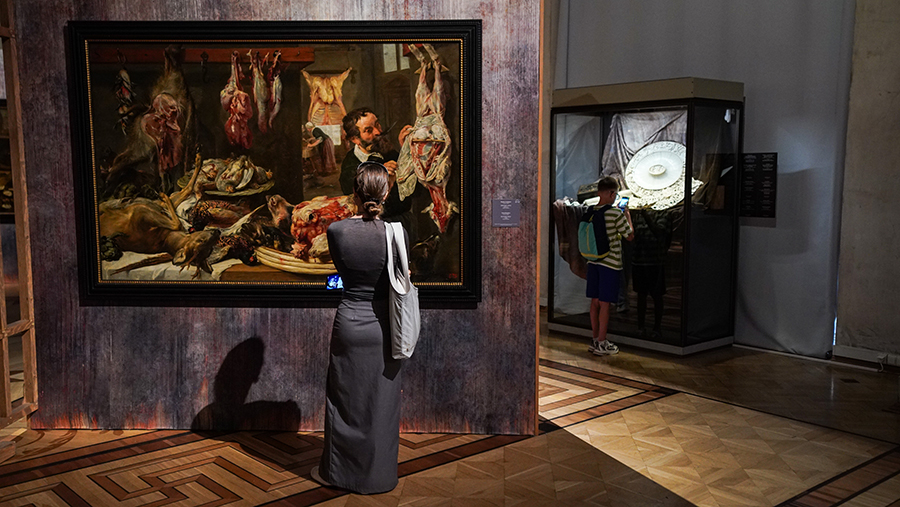
Previously, going to a museum or theater was often perceived as a compulsory school event or a cultural trip with parents initiated by adults. Now the young man makes his own decision, chooses the event himself and involves his environment in it.
Sofia Malyavina confirms that cultural institutions are sincerely interested in finding fresh formats and try to implement projects based on their capabilities and the specifics of their collections. The Pushkin Card gives them not only a financial tool, but also an understanding that young people are ready to go to museums and theaters, but they need a special approach.
From one-time promotions to habit
The experience of the Pushkin Map shows that system support works. The more young people get access to high-quality cultural events, the more likely they are to keep this habit after the age of 22, when the card expires. This format helps to make cultural leisure more familiar when it comes not to a one-time trip for show, but to forming a stable habit.
Cultural institutions, in turn, continue to look for new ways to attract young people, and the Pushkin Map remains the most important, but not the only tool in this work.
So far, we can confidently say one thing: digit has not destroyed interest in live art, it has only motivated museums and theaters to become more mobile, more technologically advanced and more attentive to their audience. And the "Pushkin Map" turned out to be the mechanism that turns this interest into real visits.
Переведено сервисом «Яндекс Переводчик»
