Shah and Mate: the new smartphone relies on realistic shooting


What do we imagine when we hear the word "flagship"? As a rule, in this case we are talking about what is at the forefront at the moment, ahead of everyone else. This should be the flagship smartphone, since manufacturers have decided to position it that way. The new Huawei Mate 80 Pro is a device that focuses on accurate color reproduction, reliable design, and enhanced mobile photography capabilities. Izvestia was one of the first to test the Mate 80 Pro and is ready to tell you what's good about the new flagship with AI features and a lens for ultra-realistic shooting of the XMAGE 2nd generation and what's wrong with it.
What surprised the camera unit
Without a doubt, the main technological core of the device is the XMAGE 2nd generation ultra—realistic lens. It is she who forms the special character of the smartphone and sets the bar for the entire line. The engineering changes don't just look cosmetic: the pixel size increased to 2.45 microns almost doubles the light sensitivity, which directly affects night shooting and detail in complex scenes. DCG HDR technology significantly expands the dynamic range, allowing you to preserve details in both bright and dark areas of the frame, and the updated spectral system makes color rendering noticeably more accurate, especially in difficult lighting, where skin or green tones usually "float". An important practical point is the uniform color consistency: when switching between lenses, the image does not change character, which still remains a weak point of many flagship devices.
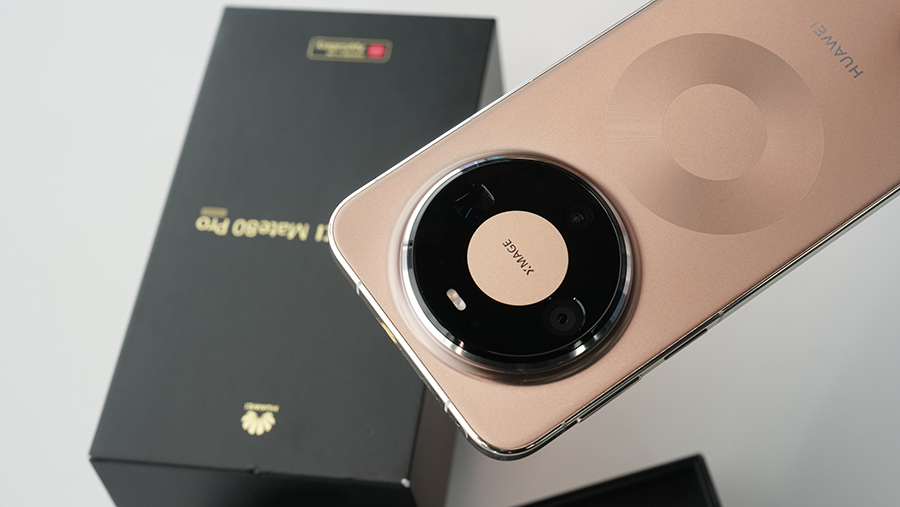
The cameras are universally matched: a 50 MP main sensor with a large matrix, a 48 MP telemacro lens with a quadruple zoom and the ability to shoot from a minimum distance, as well as a 40 MP wide-angle module. This set covers almost all scenarios, from portraits with a background light to macro photography and landscapes. This is complemented by a powerful computing part: the new image processor accelerates real-time operation, enhances HDR and improves noise reduction, so that even video in difficult lighting conditions looks clean and stable, without characteristic artifacts.
At the same time, the smartphone is not limited to the camera and offers one of the most thoughtful approaches to reliability in its class. The screen is protected by second-generation Kunlun Glass with a multiple increase in impact resistance, and the back panel is made of eco-fiber, which is not only more pleasant to use and touch than traditional glass, but also significantly more resistant to damage in daily use. Add IP68 and IP69 protection here, and we get a device that is not afraid of water, accidental falls, or aggressive external influences like hot water jets under pressure. For the flagship segment, this is still a relatively rare combination of characteristics.
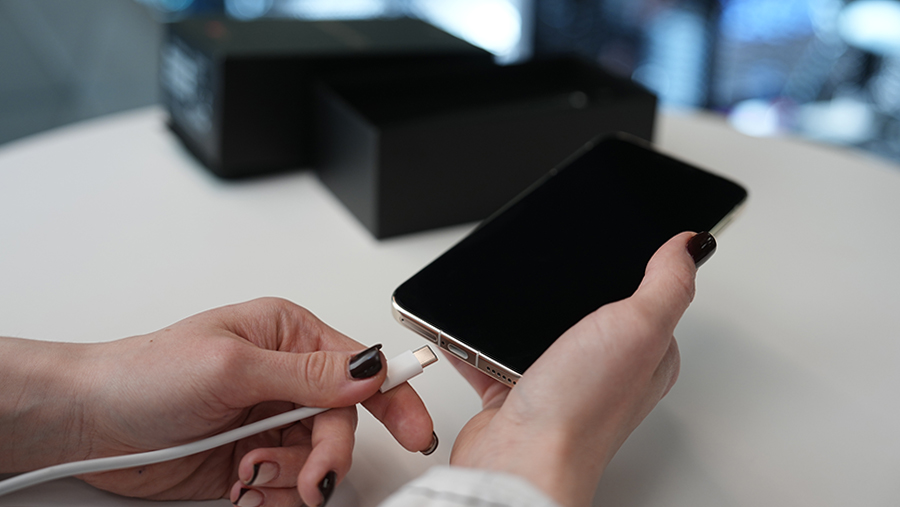
Autonomy and charging also correspond to the device level.: The 5750 mAh battery confidently withstands a full day of active load with a reserve, and fast charging at 100 watts and wireless charging at 80 watts significantly reduce the recovery time. The high—resolution screen with an adaptive refresh rate of up to 120 Hz and a peak brightness of 3,000 nits ensures comfortable operation in any environment - from bright sunlight to dark rooms. The cooling system deserves special mention.: It reduces heat and helps the device maintain stable performance even during long gaming sessions, video shooting or streaming content.
Betting on cutting-edge technology
The device is made in the logic of previous Mate series models, but places a more pronounced emphasis on the camera and image processing algorithms, combined with the concept of "Seeing the present", implying a natural transfer of the scene without excessive post-processing and visual distortion. In this sense, the model continues the company's policy of bringing mobile photography closer to how the image is perceived by the human eye.
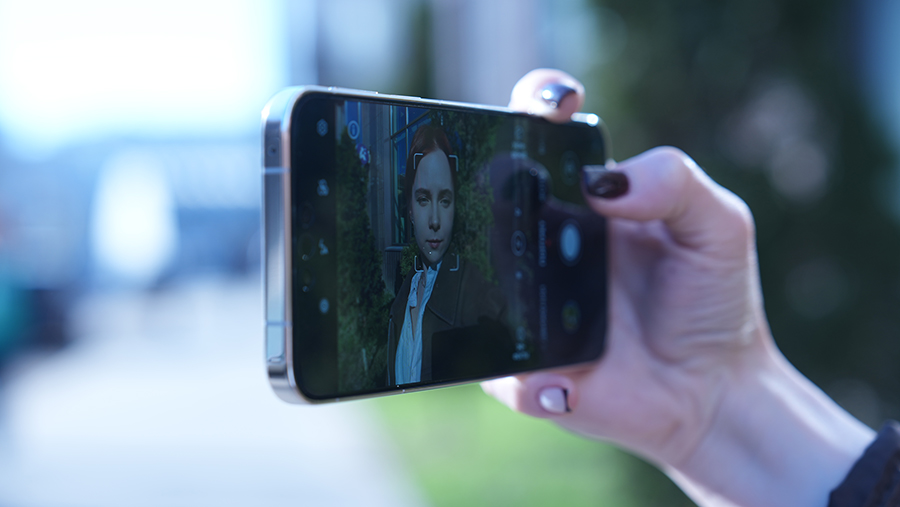
The AI functions in the Mate 80 Pro do not look like a decorative element and in some scenarios really simplify the daily use of the device. Removing objects works quickly and accurately enough even in complex scenes, the function of choosing the best facial expression significantly simplifies group shooting, and the system of compositional hints can be useful for those who are not familiar with the basic principles of cropping. This is complemented by advanced noise reduction scenarios in calls and 3D face recognition using a ToF sensor (infrared distance sensor), which provides not only convenience, but also an additional level of security.
Special attention should be paid to the integration of the Alice AI AI assistant, which expands the range of everyday scenarios. The assistant allows you to perform a quick visual image search directly from the smartphone screen, which makes it easier to work with content and navigate the Internet. The built-in AI editor in notes makes it possible to quickly structure and refine texts, and the live response mode through the camera actually turns the device into a tool for interactive recognition of the surrounding world: just point the camera at an object to get relevant information in real time. Together, this enhances the applied value of AI, taking it beyond just photo and video scenarios.
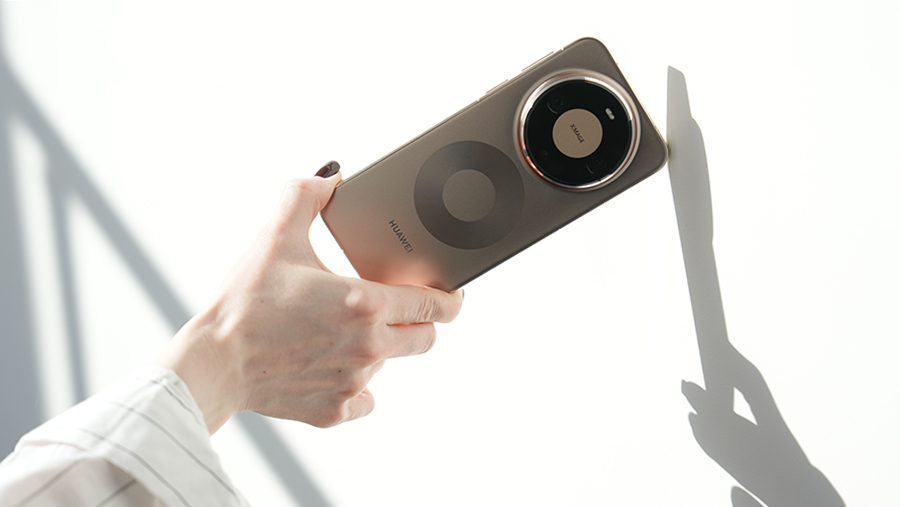
In general, artificial intelligence technologies are integrated into the user experience quite organically and do not require separate development.
As a result
Nevertheless, for all its adaptability, the device is not without compromises. Relying on "naturalness" in photography is a conscious choice, but users who are used to a more contrasting and saturated picture "out of the box" may not like it. Some of the AI functions, despite their elaboration, will be in demand mainly by novice users, while more advanced owners will probably prefer manual control and minimal intervention by algorithms. Beyond the camera and robustness, the smartphone is evolving rather evolutionarily: the screen, performance and design are at a high level, but they do not offer fundamentally new sensations compared to the previous generation, such as the Mate 70 Pro. Finally, the Huawei ecosystem factor remains important when choosing and may become a limitation for some users who are focused, for example, on Apple devices and the iOS platform.
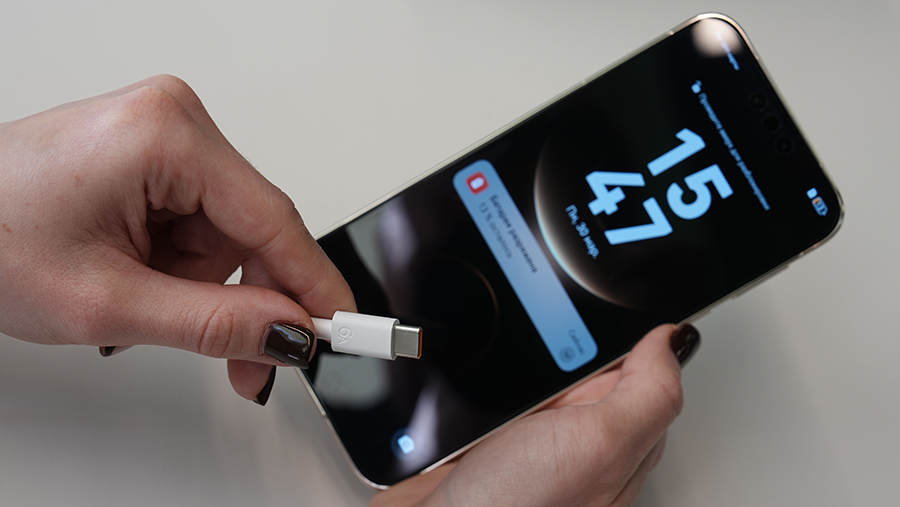
It is believed that the target audience of Huawei's new products will primarily be users with a high level of technology involvement — those who regularly use a smartphone as a universal tool for work, filming and content consumption. In this context, the Mate 80 Pro looks like a device for practical everyday use, not just for demonstrating capabilities.
In summary, Huawei Mate 80 Pro is perceived as a solid and thoughtful flagship with a clearly formulated idea. This device is for those who appreciate realistic photography, reliability and stability in daily use. It doesn't try to be a universal answer to all market demands, but in its niche — smartphones with an emphasis on "honest" images — it looks like one of the most convincing options. Especially for those who have not used the Mate 70 Pro model, with which the novelty retains a noticeable continuity.
Переведено сервисом «Яндекс Переводчик»
