The psychologist spoke about the development of depression due to working with the neural network
- Новости
- Society
- The psychologist spoke about the development of depression due to working with the neural network

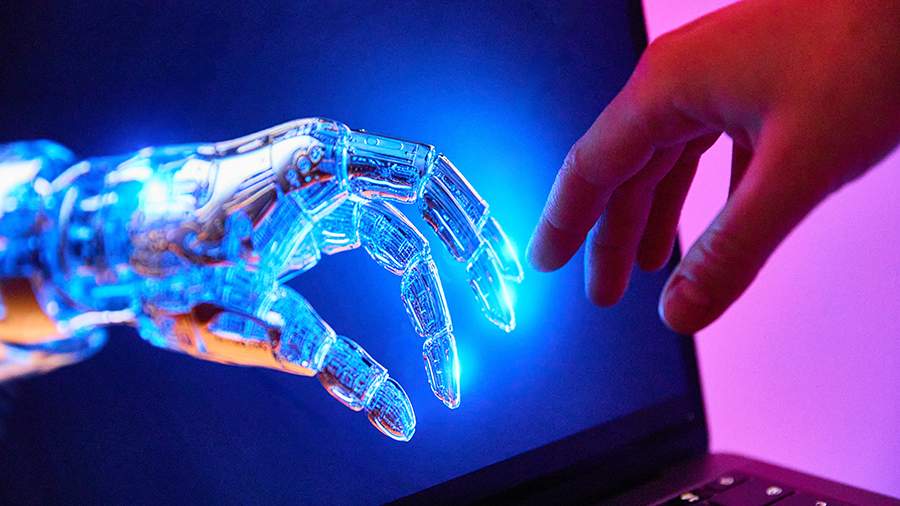
Working with artificial intelligence can cause depression and burnout among employees if the interaction with the system is not built correctly. Veronika Akhmetova, a psychologist and member of the Association for Cognitive Behavioral Therapy, told Izvestia on March 11 about how technology can lead to professional helplessness and chronic fatigue.
According to her, frequent interaction with artificial intelligence can lead to depression and emotional burnout for several reasons. First of all, this is due to the loss of the meaning of work. When working with AI, a person loses the sense of importance of their role, becoming a kind of "babysitter" for the system. Despite the fact that an employee can perform a task better, they are forced to redo the work done by AI, Akhmetova added.
"A person ceases to see in his own work the result of his intelligence, some kind of growth. He, in fact, turns into an appendage of the machine, and this destroys the sense of meaningfulness of his own activities," the doctor noted.
In addition, a person faces a double cognitive load: he needs to think not only about his task, but also to correct the work of AI. This requires constant attention, concentration, and can lead to anxiety.

According to Maria Galkina, a practicing psychologist and cognitive behavioral therapist, AI also requires employees to frequently switch attention between tasks, which causes fatigue and information overload. Working with electronic means of communication also exacerbates stress, causing headaches and migraines. All of these factors can lead to chronic stress and emotional burnout.
As Galkina noted, self-regulation techniques exist to combat negative emotions and stress. However, they will be effective only in combination with supportive measures from the employer, such as creating a comfortable working environment and ensuring work and rest standards. The opportunity to discuss difficulties and get feedback will help reduce feelings of isolation and loneliness at work.
"Employees can independently use mindfulness techniques (the "here and now" state, for example, mini-pauses every hour), stress management (breathing techniques, progressive muscle relaxation, visualization), exercise regularly, take short walks, engage in various hobbies and hobbies outside of work," the expert said.
In addition, according to the psychologist, employers should take into account the recommendations of psychologists when implementing AI in their work processes. It is important to offer staff adaptation, professional development and skills development programs for effective interaction with new technologies. Regular consultations with psychologists will help identify signs of professional burnout in a timely manner and take the necessary measures to prevent negative consequences, Galkina concluded.

Psychologist Natalia Naumova said on March 4 that excessive use of neural networks in childhood leads to a decrease in cognitive function. About this in an interview with "Gazeta.According to the expert, the child should use artificial intelligence technologies moderately and preferably in the presence of adults.
All important news is on the Izvestia channel in the MAX messenger.
Переведено сервисом «Яндекс Переводчик»
