Give biochar: a new tool is six times better at cleaning the soil of heavy metals
- Статьи
- Science and technology
- Give biochar: a new tool is six times better at cleaning the soil of heavy metals


Scientists have improved biochar— a natural material capable of absorbing heavy metals, by combining it with nanoparticles of a highly porous iron—containing metal-organic polymer. The new composite binds cadmium, lead, copper and zinc six times more efficiently than the traditional one, converting them into safe forms and preventing the ingress of toxic elements from the soil into plants and groundwater. The development will make the restoration of polluted lands in industrial regions of Russia more accessible and efficient, reducing the risks of accumulation of harmful substances in living organisms. Read more about the innovation in the Izvestia article.
What is biochar?
Scientists from the Southern Federal University (Rostov-on-Don) and colleagues from the Institute of Plant Genetics and Experimental Biology of the Academy of Sciences of the Republic of Uzbekistan have improved the ability of biochar to absorb pollutants by coating its surface with special nanoparticles.
Heavy metals such as lead, cadmium, copper, zinc and others enter the soil near factories, power plants, mining and metallurgical enterprises. They do not decompose in nature, and therefore remain in the soil for decades, enter plants and are transported with groundwater to rivers and lakes, experts said. As a result, heavy metals enter the body of animals and humans through food chains, accumulating in organs and tissues. In large quantities, these elements lead to damage to the nervous tissue, kidneys, heart and other organs, so it is important to control their content in the environment and, if necessary, clean the soil from them.
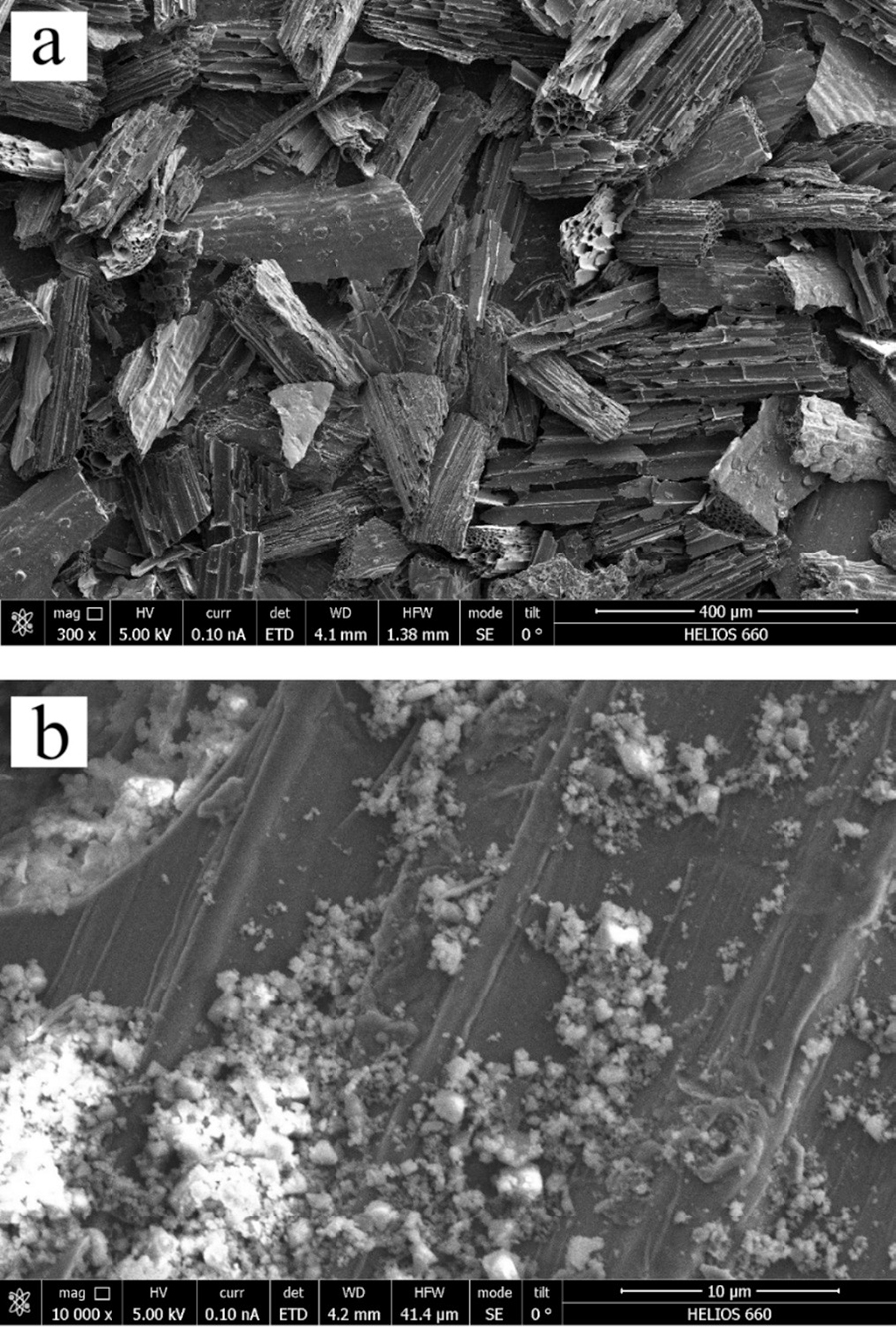
The use of biochar is considered to be one of the most affordable and easiest ways to clean soils. This porous carbonaceous material is obtained from plant waste — straw, husk, husk and other organic raw materials. It is resistant to decomposition and is able to persist in the soil for hundreds to thousands of years, effectively absorbing and fixing heavy metals. Due to this, toxic elements do not enter groundwater, plants and other living organisms. However, when land is heavily polluted, its capabilities are often insufficient: due to the relatively small surface area, significant material consumption is required, which reduces the overall cleaning efficiency.
The authors of the development obtained their biochar from wheat straw by heating it without oxygen to 700 degrees for 45 minutes. Then the resulting substance was mixed with iron powder and organic acid, heated for 20 hours at 120 degrees, as a result of which nanoparticles of an organometallic polymer formed on its surface. The researchers studied the structure of the resulting material and found that due to the nanoparticles, the surface area of biochar increased sixfold. This means that the composite has much more "working areas" for binding heavy metals.
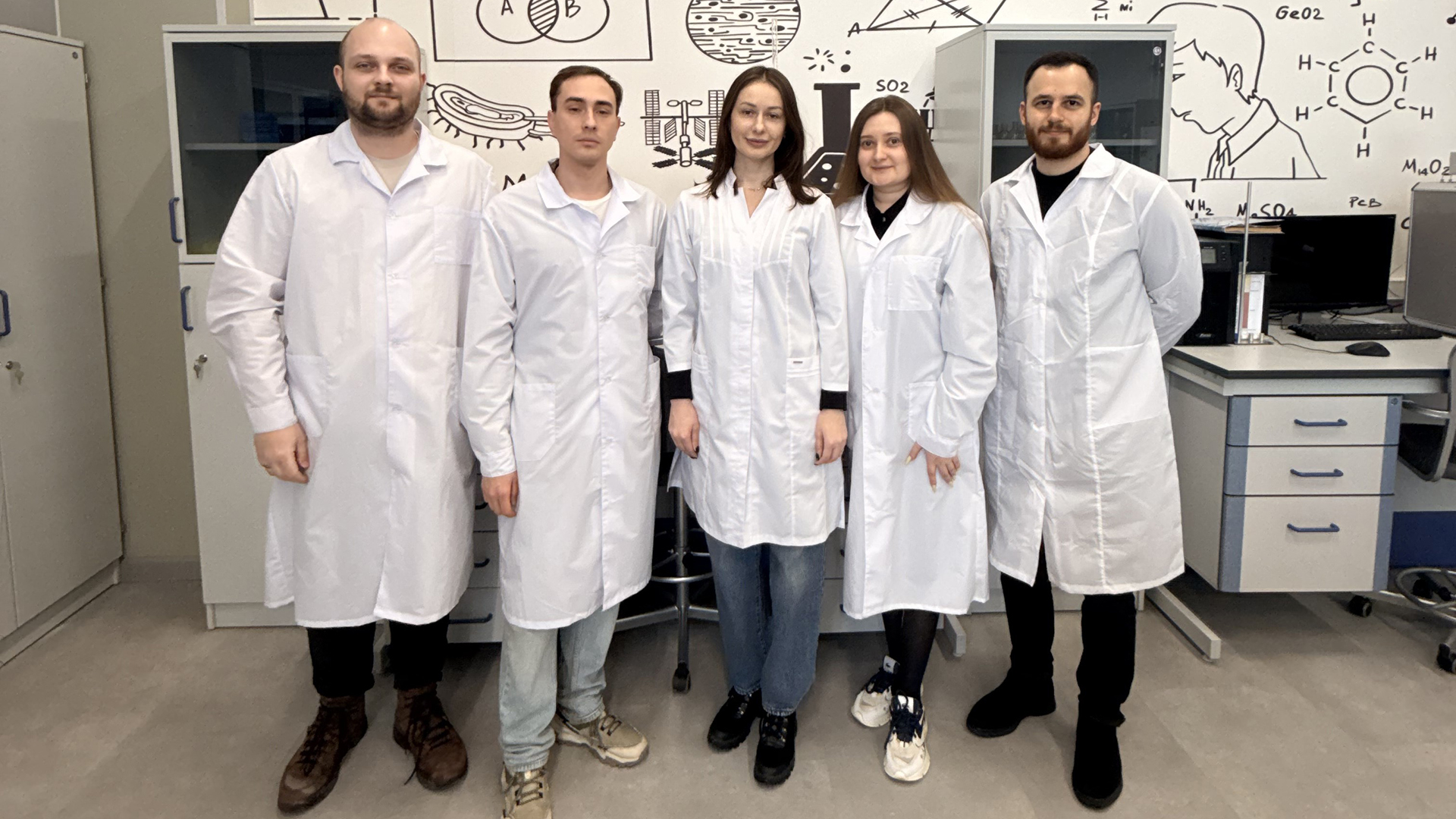
— The proposed material is effective even at low dosages — it is enough to apply it in an amount of 1-2% of the soil weight. This makes the technology economically more profitable than the expensive removal and removal of soil to landfills. The development will make it possible to effectively restore the soils of industrial zones, urban areas and agricultural lands. In the future, we will work to adapt the technology to different types of soils, from chernozems to sandy soils, as well as to different climatic conditions," said Tatiana Bauer, a leading researcher at the laboratory of Agrobiotechnology for Improving Soil Fertility and Agricultural Product Quality at SFU.
The use of new biochar
The scientists tested the resulting sorbent in an experiment with chernozems contaminated with heavy metals. Six months after their introduction, the researchers estimated how many mobile forms of metals remained in the soils — dangerous, easily entering groundwater and plants — and how many had transformed into tightly bound, safe and practically non-migratory forms. It turned out that the "improved" biochar reduced the number of mobile forms of cadmium by 24-32%, lead by 8-12%, and copper and zinc by 7-11%. This is because when metals entered the pores of the absorber, they were firmly bound to them and could no longer escape. At the same time, pure biochar absorbed about half as many pollutants. In general, the new material turned out to be six times more effective, the scientists said.
The most effective use of this sorbent is at medium and high—pollution facilities, where conventional biochar can no longer cope, and complete soil replacement is unprofitable, Vladimir Pinaev, a member of the Public Council of the Basic Organization of the CIS Member States for Environmental Education, head of the educational organization "Rebirth of Nature", told Izvestia.
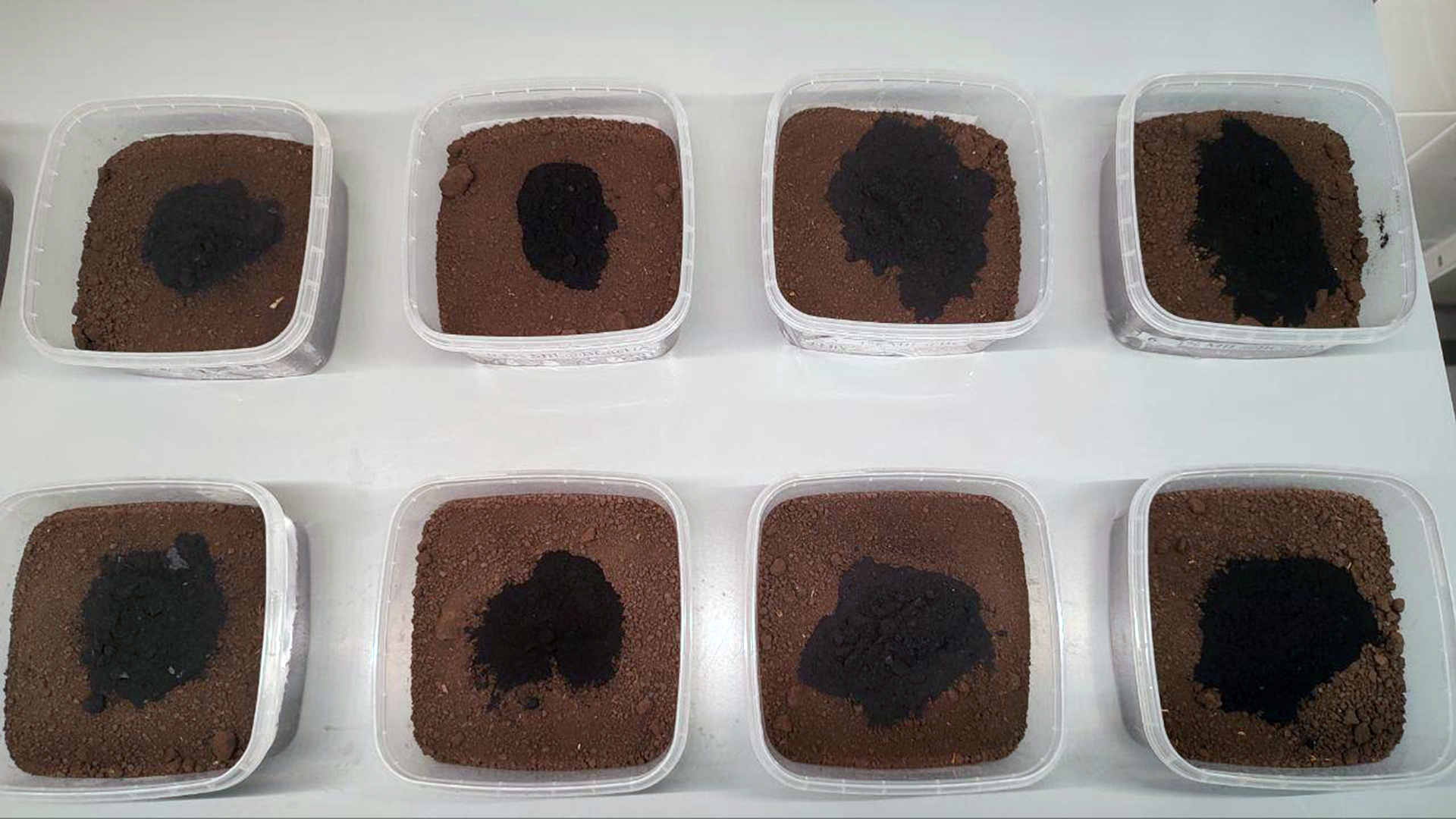
— These can be industrial zones and "sanitary belts" around metallurgical plants, mining enterprises and thermal power plants, urban areas (parks, squares, residential areas) where the soil has accumulated heavy metals for centuries; agricultural lands adjacent to industrial giants, so that heavy metals do not migrate into plants and crops. Given that the material has been tested on chernozems (the most valuable soils for agriculture), this can be a salvation for the agricultural sector in southern Russia, the expert believes.

But, in addition to the invention stage, there are stages of field testing and industrial production. And here it is important to take into account how the new material will behave at different temperatures from low to high, the specialist noted.
It is not worth talking about a breakthrough technology in this case — rather, it is a highly effective evolutionary development. The researchers have not invented a fundamentally new method, but they have successfully solved the key limitation of traditional biochar — a low specific surface area. This resulted in a significant increase in the efficiency of toxin absorption compared to conventional biochar, said Tatiana Ledashcheva, Associate professor of the Department of Environmental Safety and Product Quality Management at the Patrice Lumumba Institute of Ecology at the RUDN University, member of the editorial board of the online scientific journal Waste and Resources.
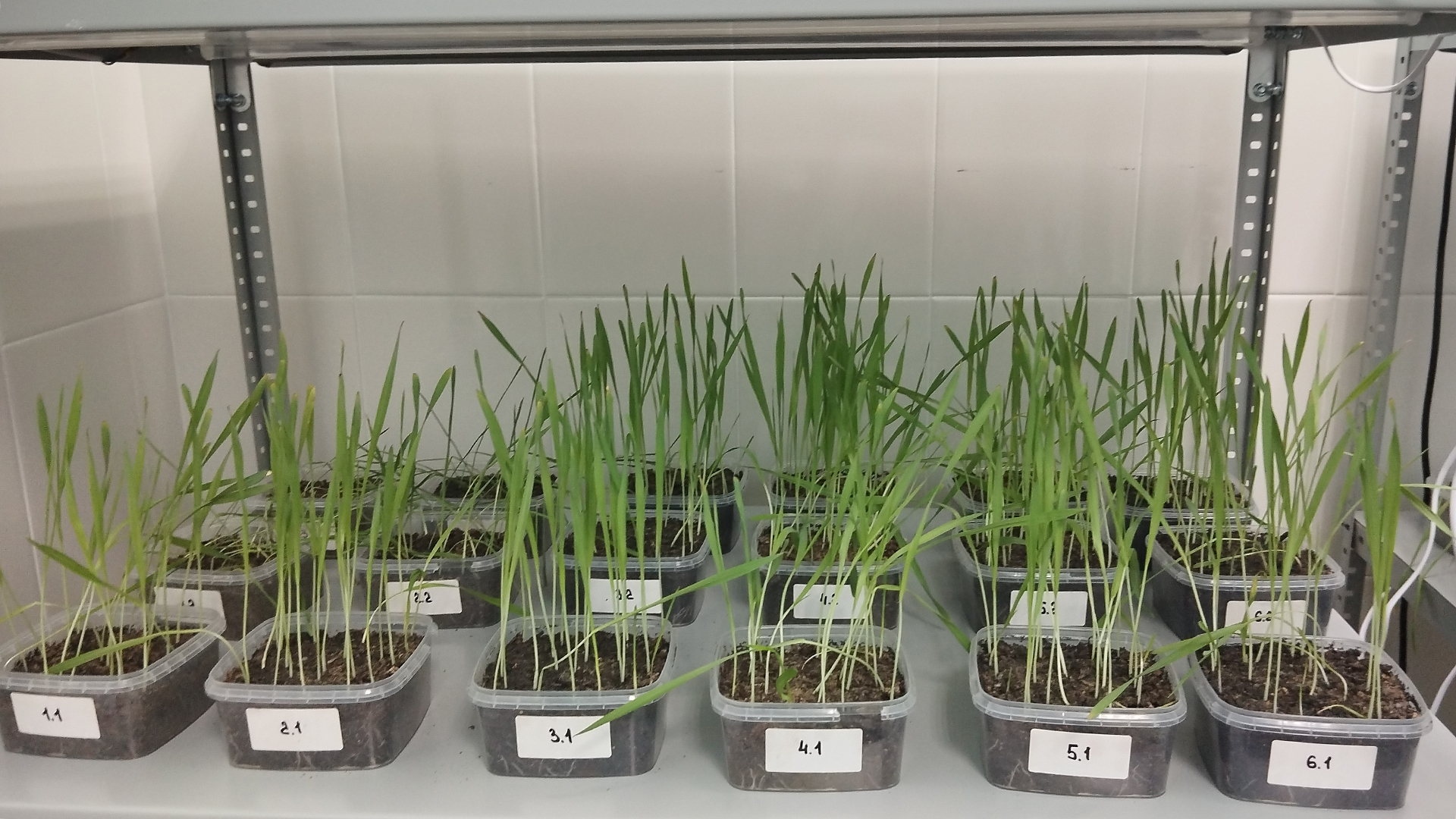
— The main practical achievement is that the technology makes reclamation feasible and economically affordable: instead of expensive soil replacement, it is enough to apply only 1-2% of the sorbent from the soil mass. At the same time, further work is required — it is necessary to study the effectiveness of the solution in various natural conditions, including precipitation, humidity, temperature and pressure fluctuations, as well as different types of soils," she noted.
There are a significant number of territories in Russia with soils contaminated with heavy metals, said Igor Shkradyuk, coordinator of the industrial greening program at the Wildlife Conservation Center.
— First of all, we are talking about metal mining areas where not only soils are polluted, but especially water resources. In addition, unauthorized landfills pose a serious problem," he stressed.
The results of the study, supported by a grant from the Russian Science Foundation (RSF), are published in the journal Environmental Nanotechnology, Monitoring & Management.
Переведено сервисом «Яндекс Переводчик»
