
Escape from Wall Street: China sells off US bonds
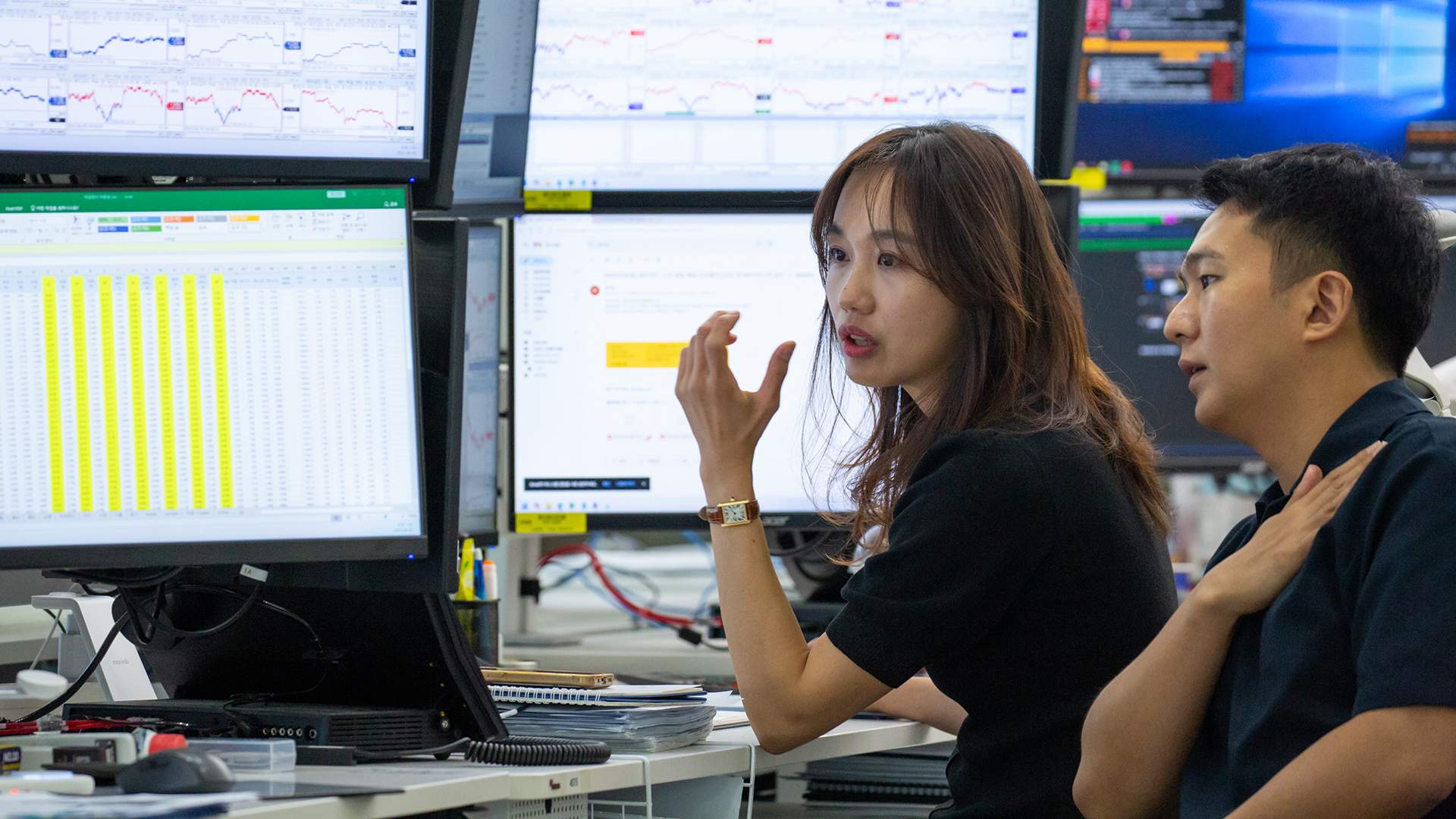
In recent weeks, Chinese regulators (the People's Bank of China and the National Financial Regulatory Administration) have sent verbal recommendations to the country's largest banks to limit investments in US Treasury bonds (treasuries), according to Bloomberg data. Officially, this step is explained by "concentration risks" and "market volatility," but experts see this as a continuation of Beijing's long-term strategy to minimize dependence on the American financial system. How critical this is for the treasury market as a whole and whether it can provoke a general flight from it is described in the Izvestia article.
What did the Chinese do
The recommendation of the Chinese authorities is tacit, which is typical for financial regulation in China. The country's largest banks, which owned about $298 billion worth of dollar-denominated bonds as of September 2025, were asked not only to limit new purchases, but also to gradually reduce existing positions.
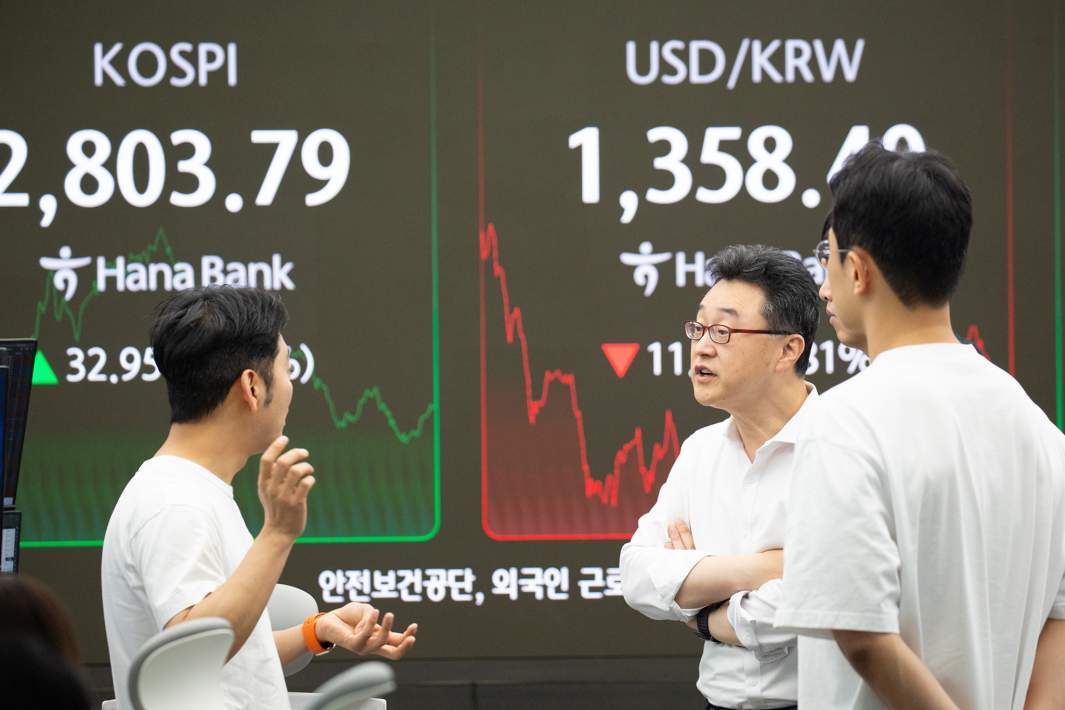
It is important to note that Beijing does not formally link this decision to geopolitics. The main argument is Washington's unpredictability in matters of fiscal discipline. There are growing concerns in the market about the willingness of the Donald Trump administration to maintain the stability of the dollar and preserve the independence of the Federal Reserve System. For the Chinese banking sector, this means the risk of sharp fluctuations in the value of portfolios, which, given the current market turbulence, looks like a justified precautionary measure.
Unnoticed care
The process of China getting rid of American securities is a trend of the last decade. Beijing, which has long been the largest creditor of the United States, began systematically reducing its share back in 2013. Since then, the volume of Treasury bonds at the disposal of the PRC has almost halved.
According to the latest data for November, China's public and private investments fell to $683 billion, the lowest level since 2008. For comparison, in 2019, Japan took over the leadership in terms of treasure ownership (now more than $1.1 trillion), and last year China even missed the UK.
However, some analysts point to a possible "masking" of real volumes. In recent years, Belgium's investments in U.S. government debt have quadrupled, reaching $481 billion. Given that the largest European depositories are located in this country, it is likely that some of the "sold" Chinese bonds simply changed their residence address to a European one to bypass direct monitoring.
Europe: words, but not deeds
Against the background of China's consistent actions, Europe's position looks much less decisive. Last year, there were repeated threats from Brussels and Frankfurt to begin mass dumping of American securities. The reasons were both Trump's trade duties and his eccentric proposals (such as the purchase of Greenland), which European politicians regarded as neglecting the interests of their allies.
However, statistics clearly show that these threats are not filled with real content. Despite the political discontent, European capital continues to flow towards the United States. The principle of "criticize by day, buy by night" has become the new norm for investors in the Old World. By November, the total volume of foreign investments in treasuries reached a historical record of $9.4 trillion, having increased by more than half a trillion over the year.
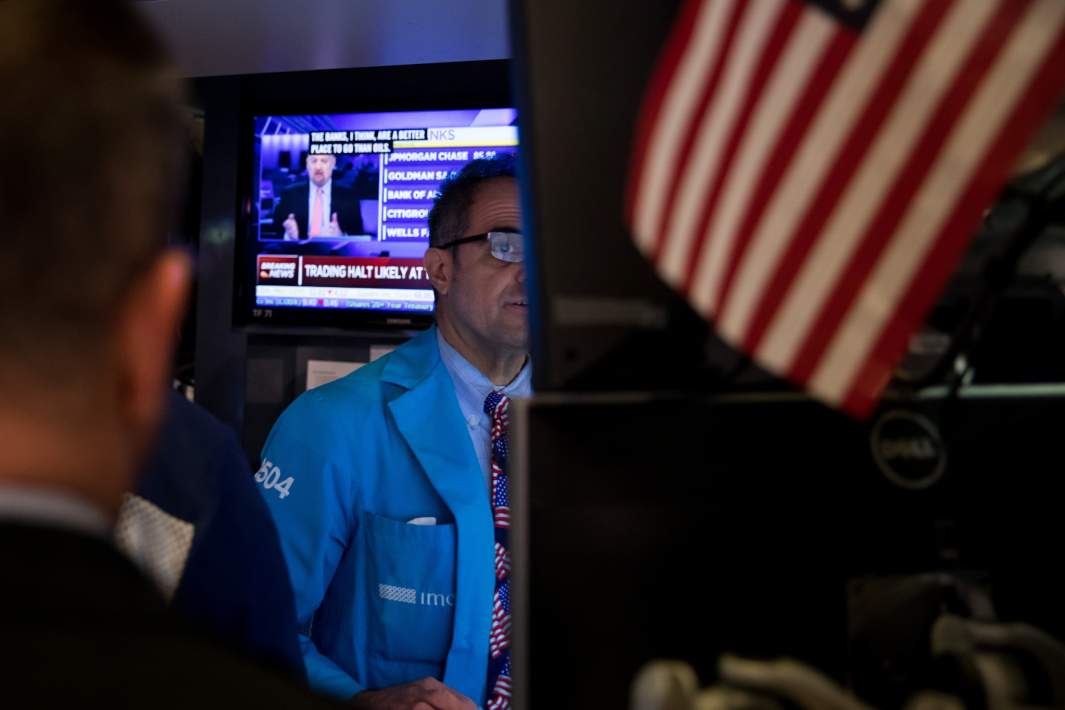
The reason for this paradox is simple: high profitability. After the Fed began the rate-cutting cycle, U.S. bonds began to generate higher yields than most European counterparts. Investors in Seoul, London and Paris continue to "buy out the bottom", seeing no real alternative to the scale and liquidity of the US market.
Are there any real threats to American finances
At the moment, the withdrawal of Chinese banks from American securities is causing concern rather than panic in the markets. The Treasury Volatility Index (MOVE) is at five-year lows, and demand at auctions of the US Treasury remains record high. The global financial system has so far successfully absorbed Chinese sales.
However, the situation may change in the next two to three years for several reasons:
First, the quality of capital. The main inflow of money to the United States is now provided by "hot money" — speculative portfolio investments in stocks and bonds. Direct investment in the real sector — factories and businesses — is much weaker. Hot money can disappear from the market in the blink of an eye at the first sign of a crisis.
Secondly, the continued dependence on foreigners. The current account deficit of the United States today is almost entirely financed by the inflow of foreign capital. The degree of this dependence has never been so high. If other major players join China in its diversification policy (for example, if confidence in the Fed is completely undermined), Washington will face a situation where there will be no one to finance huge expenditures.
Thirdly, the AI factor. Much of the interest in American assets is fueled by a certain mania around artificial intelligence. But it is still difficult to predict what effect AI will eventually have on the real economy and corporate incomes. If this fever subsides or companies do not show the expected profits, investors will start withdrawing funds en masse, and then the departure of such a large holder as China will trigger a domino effect that will bring down the market.
Chinese regulators are acting pragmatically: they are hedging against a possible storm in the United States while the weather still seems clear. For Washington, Beijing's gradual withdrawal is a wake—up call, indicating that the status of a "safe harbor" is no longer an axiom. The rest of the world continues to buy up American debts, but China is systematically building a back door out of the dollar zone. And this is a wake-up call in itself.
Переведено сервисом «Яндекс Переводчик»
