Ashes of Change: the mystery of Kamchatka's ancient pollen will help create super-resistant plants
- Статьи
- Science and technology
- Ashes of Change: the mystery of Kamchatka's ancient pollen will help create super-resistant plants


Scientists have reconstructed the history of vegetation changes in the northeast of Kamchatka over the past 5,000 years. Research on ancient pollen and volcanic ash has helped them trace how vegetation, landscape and climate have changed in the past. The data obtained will help not only to obtain a more reliable forecast of natural changes in a changing climate and increasing anthropogenic load, but also to create plants that are super-resistant to extreme impacts, the experts interviewed told Izvestia.
How Kamchatka's vegetation has changed over the millennia
Ancient pollen research helps to find out how vegetation, landscape and climate have changed over time. By analyzing which pollen grains have been preserved in peat bogs and lake sediments for thousands of years, scientists are reconstructing the natural environment of different eras. At the same time, swamps serve as a kind of "archives" of paleoecological information: layer by layer they accumulate pollen from the air, reflecting the plant communities of the surrounding territories.
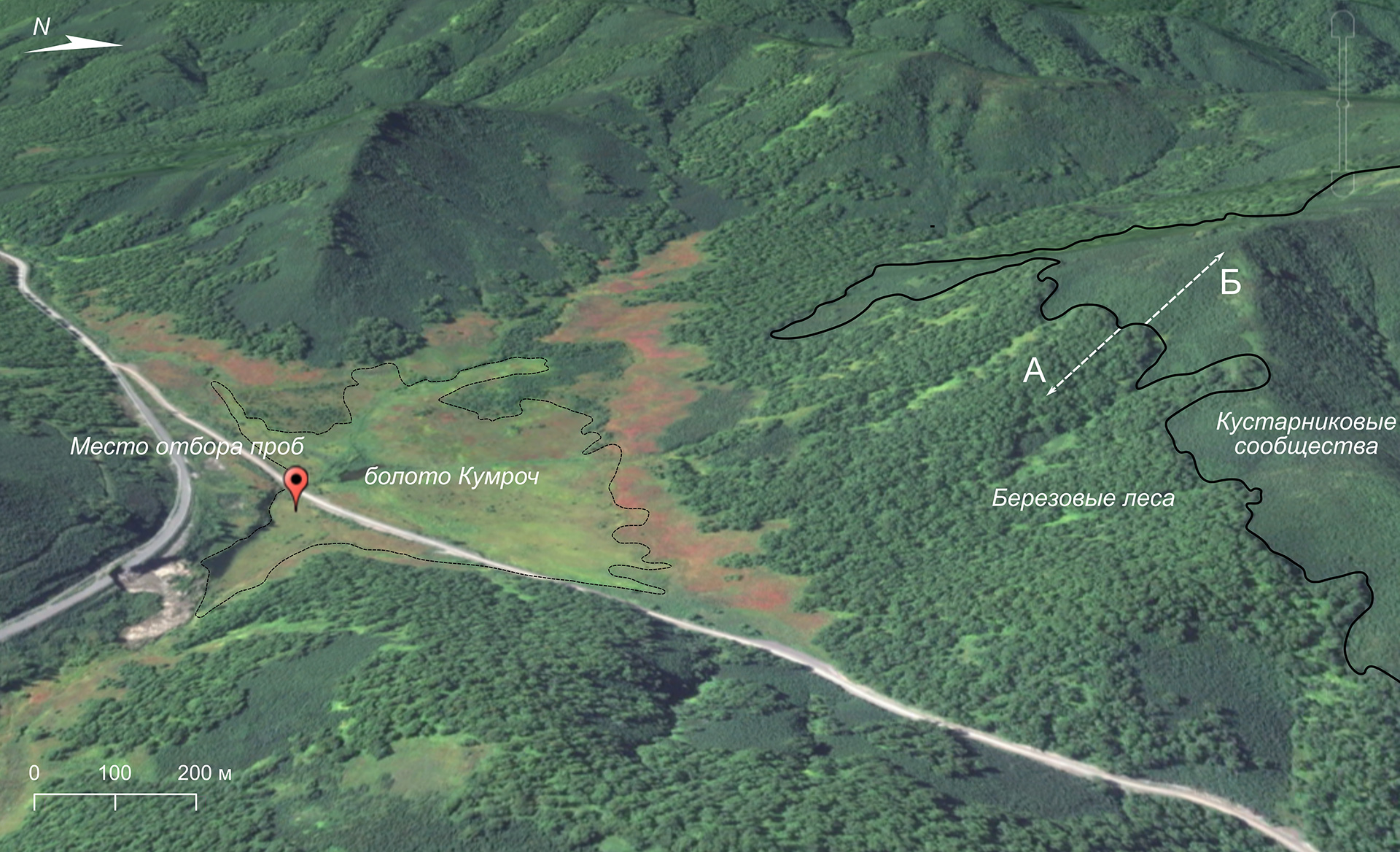
Scientists from Lomonosov Moscow State University and the Geological Institute of the Russian Academy of Sciences have proposed new approaches to reconstructing the dynamics of regional vegetation and changes in swamp ecosystems in response to volcanic ash deposition in the Russian Far East, in particular in Kamchatka. They used methods of pollen and botanical analysis of peat, supported by a model of sedimentation in the region.
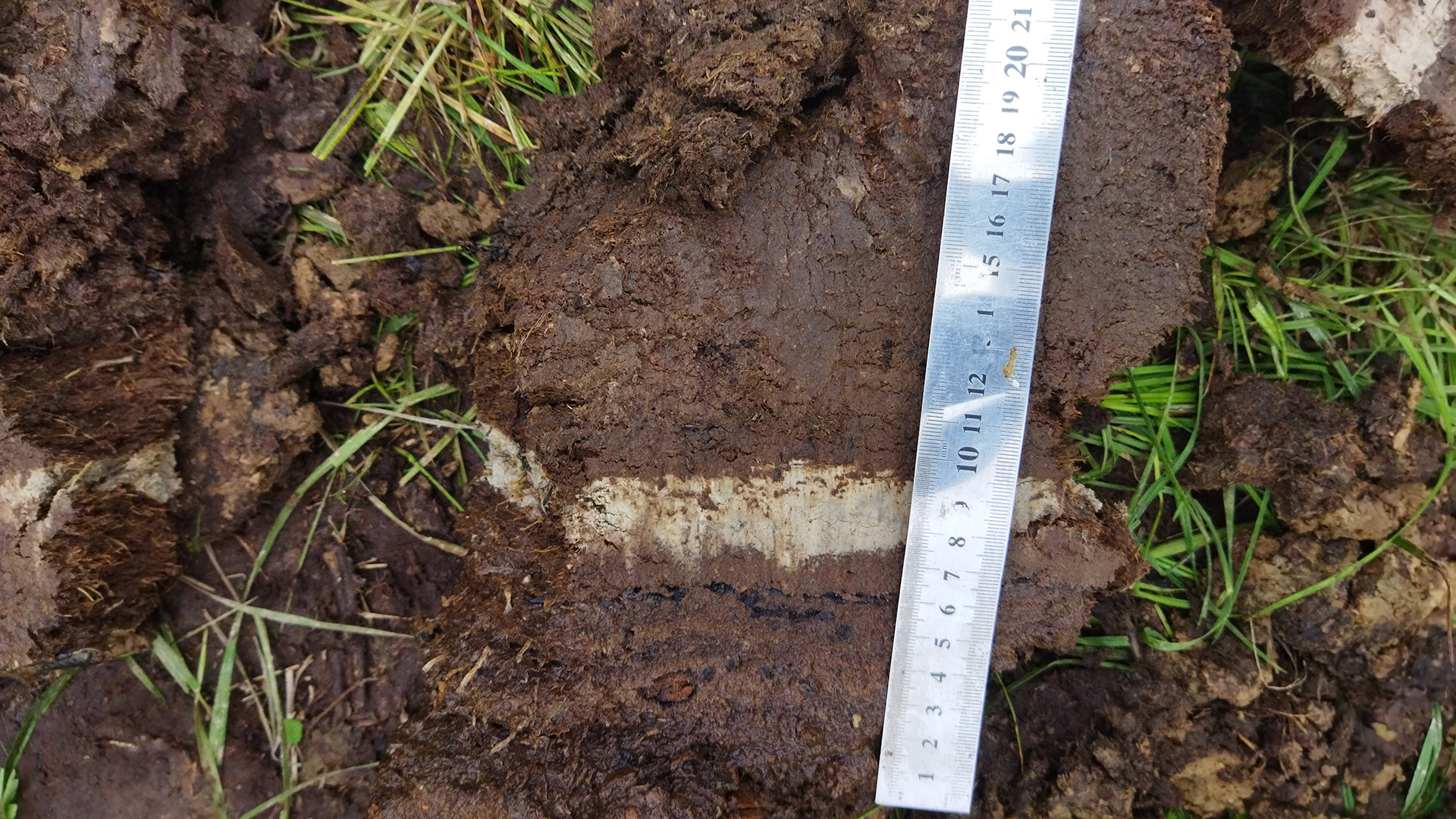
Peat strata there often alternate with layers of volcanic ash (tephra), which fall to the surface of the swamp and then are preserved under new layers of marsh sediments, scientists told Izvestia. Such ash falls can affect the dynamics of ecosystems, but pronounced changes are recorded in the immediate vicinity of volcanoes. The question of how noticeable the impact of ash on ecosystems is at a distance from the source of the eruption is still debatable.
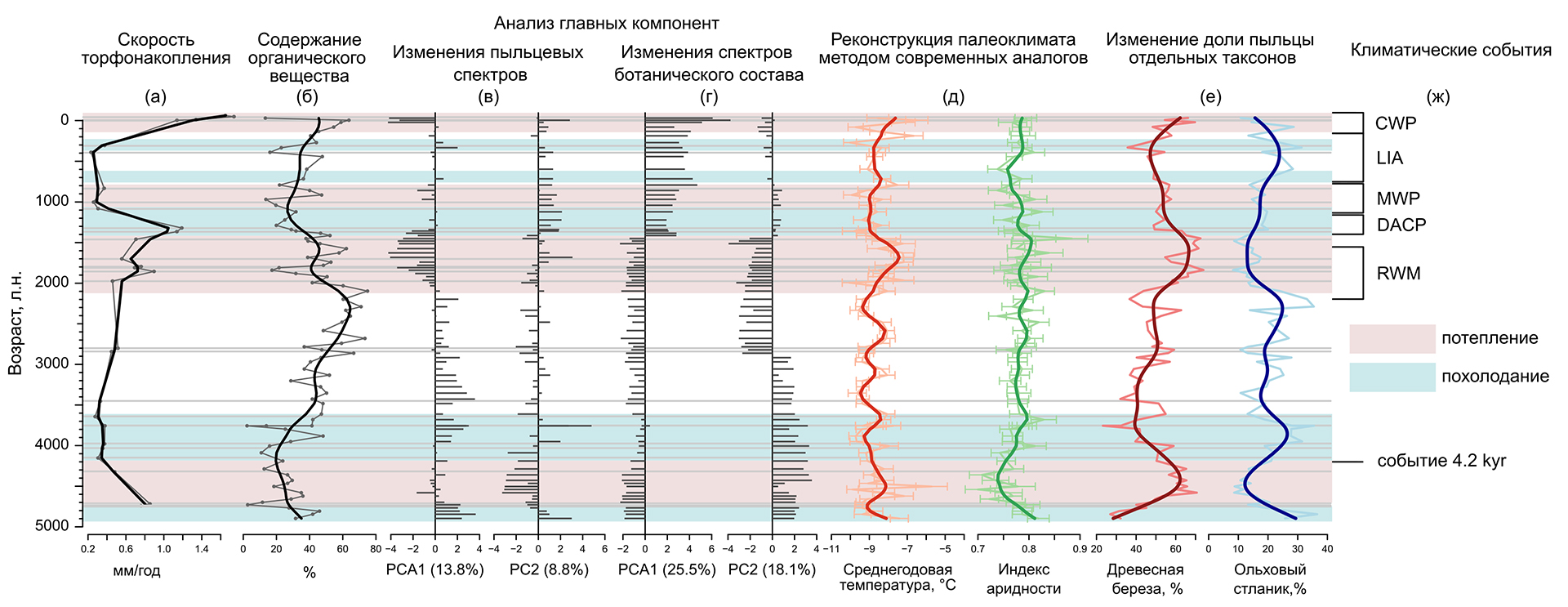
— We have obtained a very detailed chronicle with a resolution of about 60 years and identified more than 25 layers of tephra. This made it possible to separate the influence of ashfall from the "background" climatic fluctuations and determine that regional vegetation changes are justified by climatic fluctuations characteristic of the Northern Hemisphere. Ash falls look dramatic, but they have not led to drastic changes in regional vegetation over the past five millennia," said Valery Pimenov, a graduate student at the Department of Plant Ecology and Geography and a researcher at the Department of General Ecology and Hydrobiology at the Faculty of Biology of Lomonosov Moscow State University.
Scientists have suggested that the climate had a decisive influence on the composition of vegetation. During the cold periods, communities of alder elderberry, a species adapted to more severe conditions, spread. In relatively warm eras, on the contrary, the area of birch forests increased.
"These changes are reflected in the pollen spectra and are consistent with known climatic fluctuations (recurring cyclical fluctuations),— explained Valery Pimenov.
Statistical analysis confirmed that the key changes in local vegetation were primarily determined by the consistent, regular change of some biological communities to others and by hydrological conditions in a certain area of the environment, while the effect of tephra precipitation was secondary.
— The study is only the first stage of a large project dedicated to the study of wetland ecosystems of the Kamchatka Peninsula. We collect data of comparable quality and time resolution for different regions of the region to check how universal the identified patterns are. In this sense, our work complements the few studies conducted by foreign colleagues and expands our understanding of the dynamics of ecosystems in volcanically active territories," said Yuri Mazey, project leader, Professor, Doctor of Biological Sciences, Corresponding Member of the Russian Academy of Sciences.

Why do you need to explore ancient vegetation?
The results obtained show the importance of interdisciplinary research in modern ecology: the combination of different approaches makes it possible to trace in detail the relationships in the vegetation – climate –geology system, which is necessary for more reliable forecasts in conditions of changing climate and increasing anthropogenic pressure, Yuri Mazey concluded.
It is important to understand how ecosystems are transformed in response to changes in heat and moisture availability, said Anna Grenaderova, Associate Professor of the Department of Ecology and Nature Management at Siberian Federal University, Candidate of Geographical Sciences.
— The territory of the Kamchatka Peninsula is unique, volcanism is added to other natural conditions affecting ecosystems. Of course, volcanic eruptions in Kamchatka are not comparable to those that caused a decrease in global average air temperature by several degrees, such as the Tambora volcano in 1815, but they can also have an impact on local and regional climatic, soil and hydrological conditions, vegetation and wildlife. This study will undoubtedly expand our understanding of the impact of volcanism on natural systems," said the researcher.
Volcanic eruptions have long been used for dating in archaeology, using ash layers as stratigraphic markers to link historical events to certain eras. In this case, the authors studied what changes in vegetation occur after powerful volcanic eruptions. It has been shown that they do not cause any special effects in the species composition of terrestrial vegetation, said Denis Rogozin, Doctor of Biological Sciences, leading researcher at the Institute of Biophysics SB RAS, Associate Professor of the Department of Biophysics at SibFU.
Based on paleogenetic data (the results of research aimed at studying ancient DNA, which is preserved in biological remains of different ages), it is possible to create new plant crops that are resistant to extreme influences, says Tatiana Ledashcheva, PhD, Associate professor at the Department of Environmental Safety and Product Quality Management at the Patrice Lumumba Institute of Ecology of the Rudn University.
— This is one of the most promising areas of modern biotechnology. But this is a very complex, multi-step process, far from actions like "finding a seed in the permafrost, planting and growing it." Scientists decode ancient DNA and compare it with the DNA of modern species, find key areas responsible for resistance to droughts, cold snaps, when encountering pests, pathogens, etc. Further, if a useful allele (a variant of the same gene that increases the body's adaptability to environmental conditions) is identified in modern species, a targeted breeding," the scientist explained.
Another way is genetic editing, the direct introduction of a useful gene into the genome of a modern species. At the same time, it is necessary to take into account the degradation and destruction of DNA. The older the sample, the more difficult it is to find a preserved genome. In addition, resistance is often provided not by a single gene, but by a whole complex that is more difficult to study and transfer, Tatiana Ledashcheva noted.
— It is important during genetic editing not to disrupt the existing genome and the beneficial properties of the species given to it, as well as not to obtain unexpected undesirable properties. We must not forget about ethical and legislative barriers when using gene editing methods," said Vladimir Pinaev, PhD in Economics, Associate Professor, member of the Public Council of the Basic Organization of the CIS Member States for Environmental Education.
Overall, this study is an example of how academic interest in the distant past provides the basis for understanding the present and developing strategies for the future. This knowledge changes the priorities in predictive models: to predict the future in volcanic regions of the world, one should focus on climate scenarios rather than volcanic risks, he concluded.
The study is published in the journal Palaeogeography, Palaeoclimatology, Palaeoecology.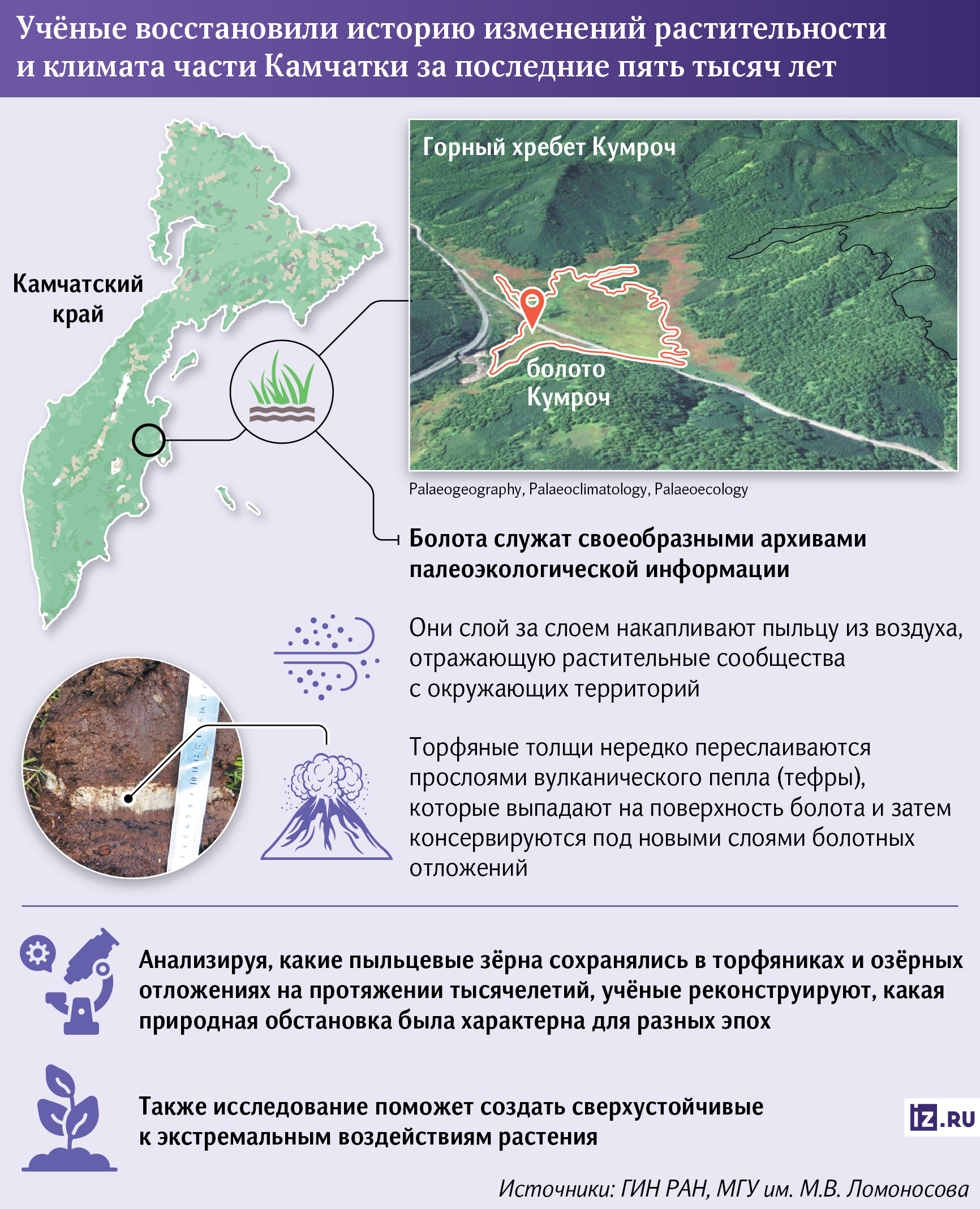
Переведено сервисом «Яндекс Переводчик»
