
Someone and It: Secrets of Lennon's Wife and Russian Codes in Art

Yoko Ono's friend defends her against the Beatlemans, an American film historian dissects the work of Sergei Eisenstein, Russian critics try to explain the phenomenon of Theodor Currentzis, and female art historians talk about female artists. The January holidays are a great time to read all the things you haven't gotten around to before. And at the same time, prepare for other forms of urban leisure: trips to museums, watching movies, attending concerts. Especially for these purposes, Izvestia has collected non-fiction novelties of the winter, which cover a wide variety of cultural spheres, but turn out to be equally fascinating and worthy of the attention of the widest audience.
Yoko Ono: The complete biography
David Scheff
The figure of Yoko Ono still provokes extremely contradictory reactions. The Beatlemans blame her for the breakup of the most famous band in the world — and there seems to be no way to break this label. No matter how much you talk about Yoko's achievements as a conceptual artist, no matter how much you talk about her work after John Lennon's death, for most people she will still remain primarily the wife of The Beatles frontman.
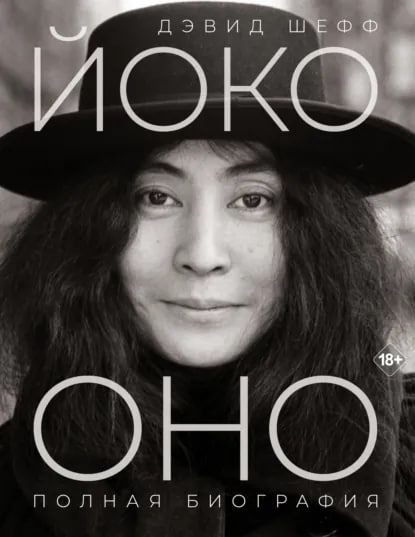
The star American writer David Scheff, in general, does not try to argue with this, but calls for a more comprehensive look at the personality and role of Yoko in the history of modern culture. He has more reasons for this than anyone else: it was he who took the last joint interview with Lennon and Ono: the text was published in Playboy magazine in January 1981 after the singer's murder and became the most important document summarizing the couple's joint journey. But the relationship between Scheff and It did not end there. On the contrary, he supported her during her mourning and became a close friend of the widow.
Knowing this, you are not surprised that the book turned out to be, of course, a eulogy of Yoko — but a eulogy devoid of pathos and full of valuable facts, details, and plots. It is unlikely that this impressive work will force those who blame the Japanese emigrant for all the sins to reconsider their opinion, but even they will find here a lot of interesting and complementary canonical history of the band, not to mention the biography of John Lennon.

Eisenstein's Cinematography
David Bordwell
It is interesting and unusual to read books about Russian cultural figures written by foreign authors and aimed at the general public: for the most part (except in cases when these are really major Slavic researchers and the target audience is the scientific community) you feel that either the scientist or his readers don't fully understand the context: the circumstances that are obvious to those living here. But that's the interest: to look at familiar phenomena through the eyes of foreigners.
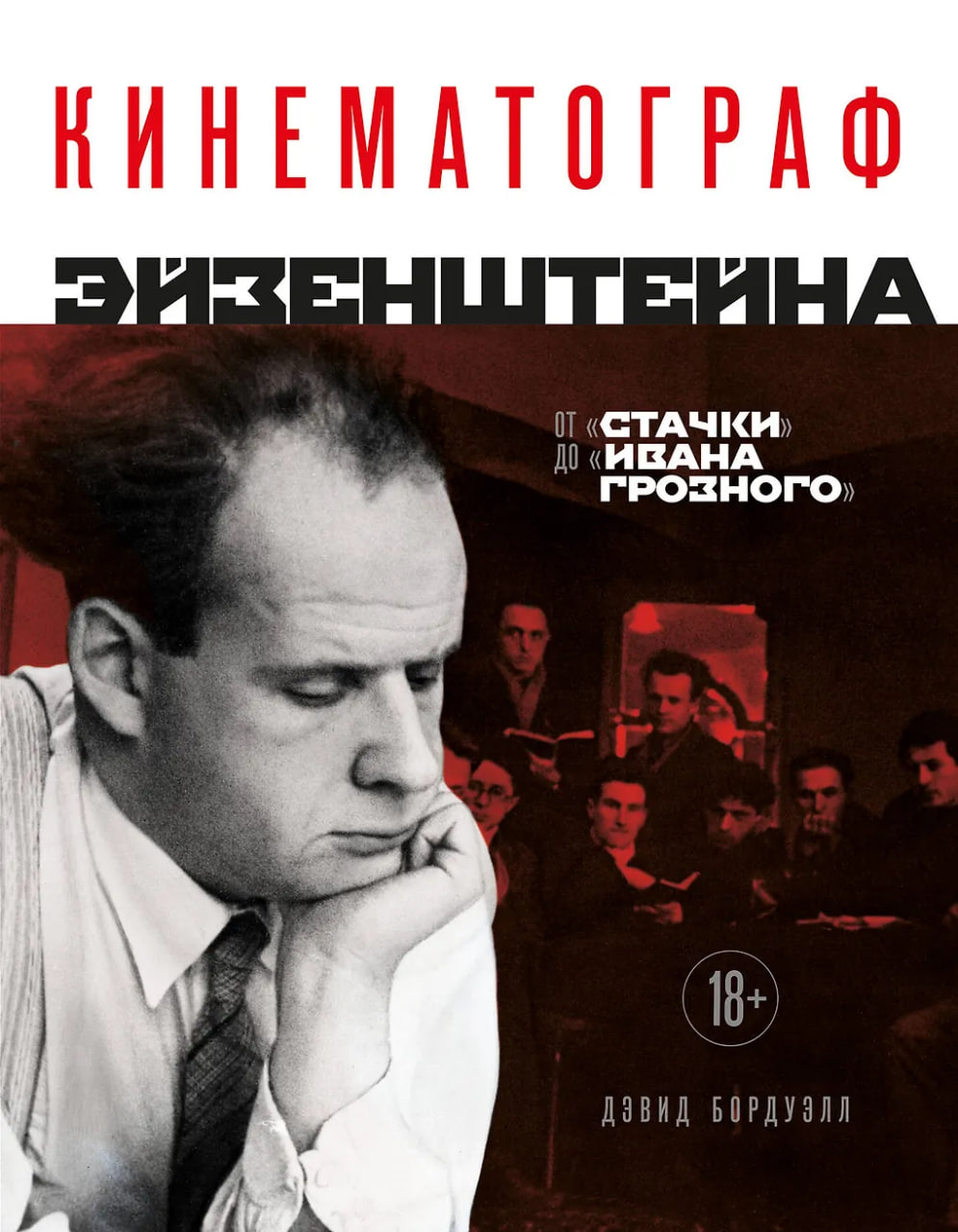
David Bordwell's five—hundred-page work on Sergei Eisenstein is an excellent example of this. On the one hand, this is a weighty, thorough work by a major American film historian about the greatest Soviet director. The author outlines his biography, discusses his theoretical legacy, and analyzes Eisenstein's films in sufficient detail (although, for example, he disparagingly skips over "Sentimental Romance"). On the other hand, the realities associated with the Stalinist era, the history of the ban on "Bezhina Luga", and the Aesopian plan of "Ivan the Terrible" are clearly not very clear to Bordwell. Well, it's strange to read passages like the one that begins the conversation about the Battleship Potemkin: "His fame faded, he was either condescendingly accepted or debunked. Even for Eisenstein scholars, Potemkin has become a boring official classic amid the rediscovery of The Strike and the reassessment of October.
In general, any work by our Nahum Kleiman (to whom Bordwell refers, but it's frustratingly little) is, of course, more valuable for Eisenstein studies. But for people interested in the topic, it's still worth reading Bordwell's book. At least in order to understand how our heritage is interpreted across the ocean.
A servant of utopia. Theodor Currentzis
Compiled by Evgenia Krivitskaya, Yulia Chechikova
If the name "Theodor Currentzis" appears on the poster, it will be difficult to get tickets, any music lover knows. At best, they will turn out to be just very expensive, at worst they will not remain at all.
But what is the phenomenon of this Greek-born conductor, who has become so firmly embedded in the Russian musical environment and has become one of its flagships? How does he manage not only to achieve the realization of his musical ideas while standing in front of the orchestra, but also to change the entire surrounding landscape, be it Novosibirsk, Perm or St. Petersburg?
The almanac "The Servant of Utopia" is intended to provide a collective answer to these questions. Theodor Currentzis." The project can be called innovative: you won't surprise anyone with author's collections, but to make an extensive (more than 300 pages) selection of a wide variety of texts published by different authors in different years (from 2012 to 2025), but in one way or another concerning the figure of one musician, and the conductor, not the composer or soloist-stars are an unusual idea.
The result is a multifaceted portrait of the main character, and even in dynamics. Another thing is that the rise of Currentzis began much earlier than in 2012, so from the very first pages we already have the master, the luminary. Nevertheless, it is interesting to see how the image has changed, not only in the reviews of concerts and recordings, but also in his own interviews and in conversations with his fellow singers, directors, and composers.
The almanac has another property, not so obvious, but no less valuable. This is not only a portrait of Currentzis, but also a panorama of Russian music criticism. I would like to believe that such a solid publication format will help consolidate the texts of such a short-lived genre in eternity.

Russian avant-garde artists
Faina Balakhovskaya, Elena Basner, Lyudmila Vostretsova, and others.
At the turn of the 20th and 21st centuries, the Amazons of the Avant-Garde exhibition was held in Europe and the USA, where the general public was introduced to the works of Lyubov Popova, Natalia Goncharova, Olga Rozanova, and others. This was, of course, not the first such project dedicated to Russian artists of the 1910s and 1920s, and the expression that gave it its name appeared back in 1933 by the poet and futurist researcher Benedict Lifshitz. But the Guggenheim Foundation's exposition has made this concept a universal brand.
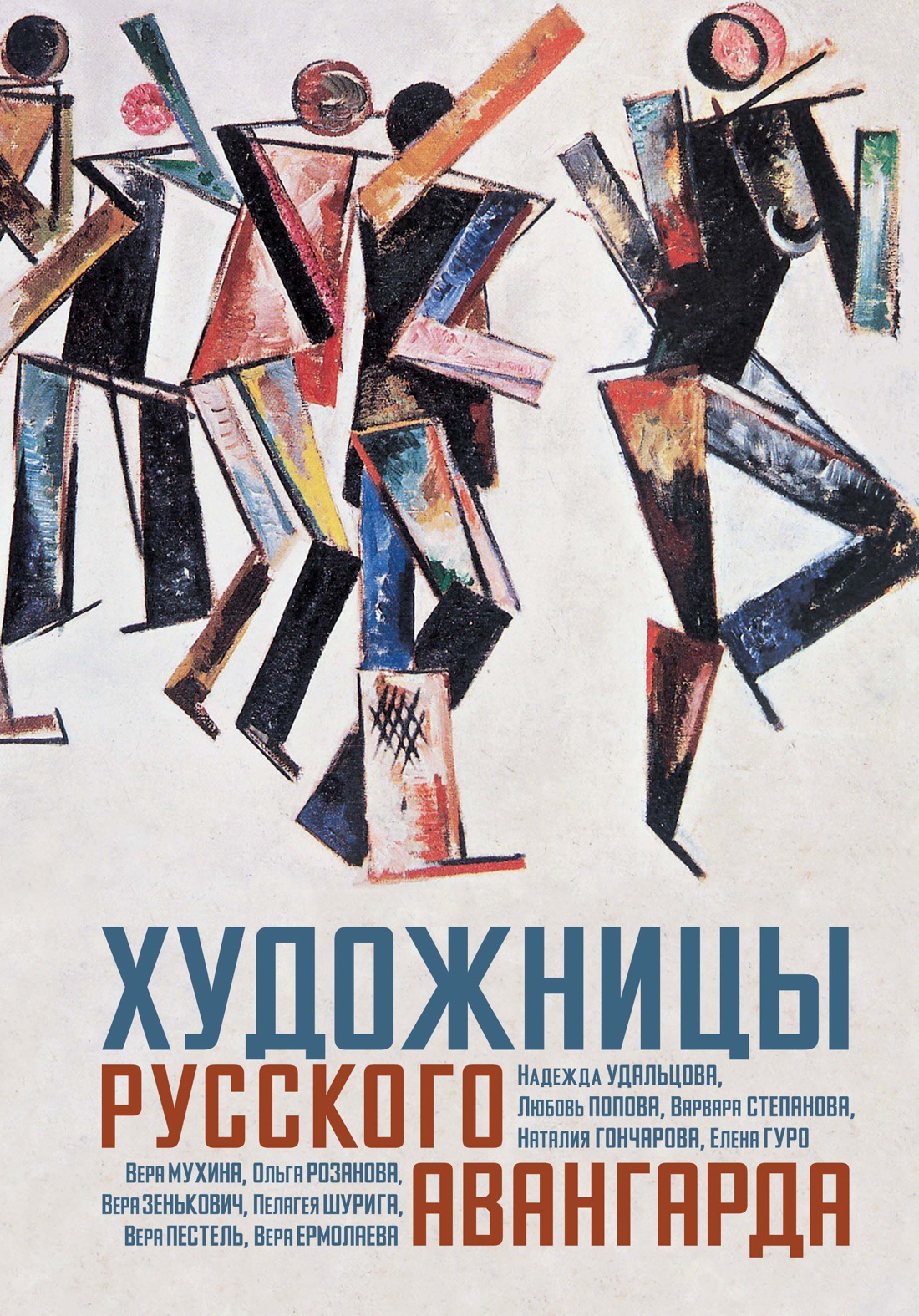
Since then, the validity of the label has been repeatedly challenged. And yet, despite the criticism, the main thing remains: the understanding that it was during this period (the first quarter of the 20th century) and only in our country that such a vibrant community of women artists was formed, who made a real revolution in art.
The new book is another collective statement on the same topic. And there are two factors that make it special. First of all, all the authors here are not fiction writers and journalists, but major art historians specializing in the figures to whom their essays are dedicated (by the way, almost all are women). This means that, despite the outwardly popular educational format, the publication is exceptionally accurate and scientifically high-quality. And secondly, the list of heroines itself has been expanded due to figures who do not appear most often in this context: Vera Ermolaeva, Pelageya Shuriga, Vera Zinkovich, Vera Pestel, even Vera Mukhina.… In other words, we are talking not only about the leaders, but also about those who, by the will of fate, found themselves in the background or moved away from the vanguard.
Russian art. Cultural codes
Kirill Svetlyakov
One of the most extraordinary and at the same time concise books of this winter is an attempt to understand the phenomenon of "Russianness" in our art. Kirill Svetlyakov is a renowned curator who has held numerous exhibitions at the Tretyakov Gallery and other museums. In 2023, he taught a public lecture course at the same Tretyakov Gallery called "Russian Art — Problem Areas and Cultural Codes."
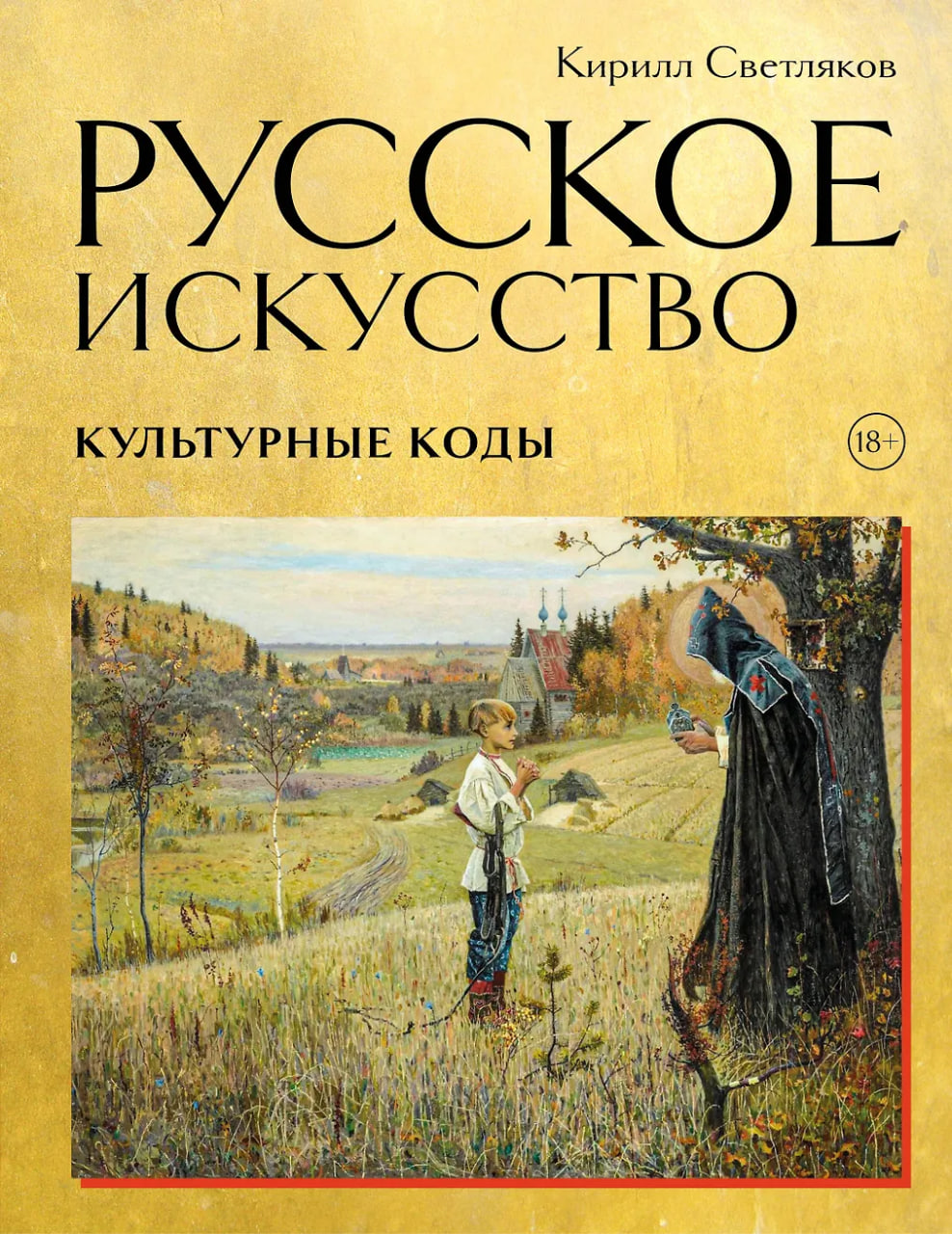
The paper edition was created on the basis of this cycle, retaining the best qualities of the original format: accessibility (it is designed not only for art historians, but for everyone interested in the topic), vivid narration and a lot of unexpected facts, twists, considerations that lectures need to keep the public's attention, but they work just as well in a written statement. At the same time, this is not a synopsis at all, but a literarily self-sufficient text.
However, the form in this case is not as important as the content. This book is actually not even about art as such. Rather, Svetlyakov's paintings (and more broadly, a variety of artistic phenomena, from Surikov's "Boyarina Morozova" to Malevich's "Black Square") turn out to be a mirror for the processes that took place in history, religion, and philosophy. And they allow us to better understand how what we today call national identity was formed.
Переведено сервисом «Яндекс Переводчик»
