Skin challenge: nanoparticles doubled the healing of deep wounds


Scientists have developed a gel based on cerium oxide nanoparticles and natural collagen, which accelerates the healing of complex wounds. In experiments on laboratory animals, the remedy accelerated skin repair by more than two times. This effect is explained by the antioxidant and anti-inflammatory properties of the material. The development will help treat chronic and long-lasting wounds that occur, for example, in patients with diabetes and severe burns. Read more about the prospects of the new gel in the Izvestia article.
How collagen affects wound healing
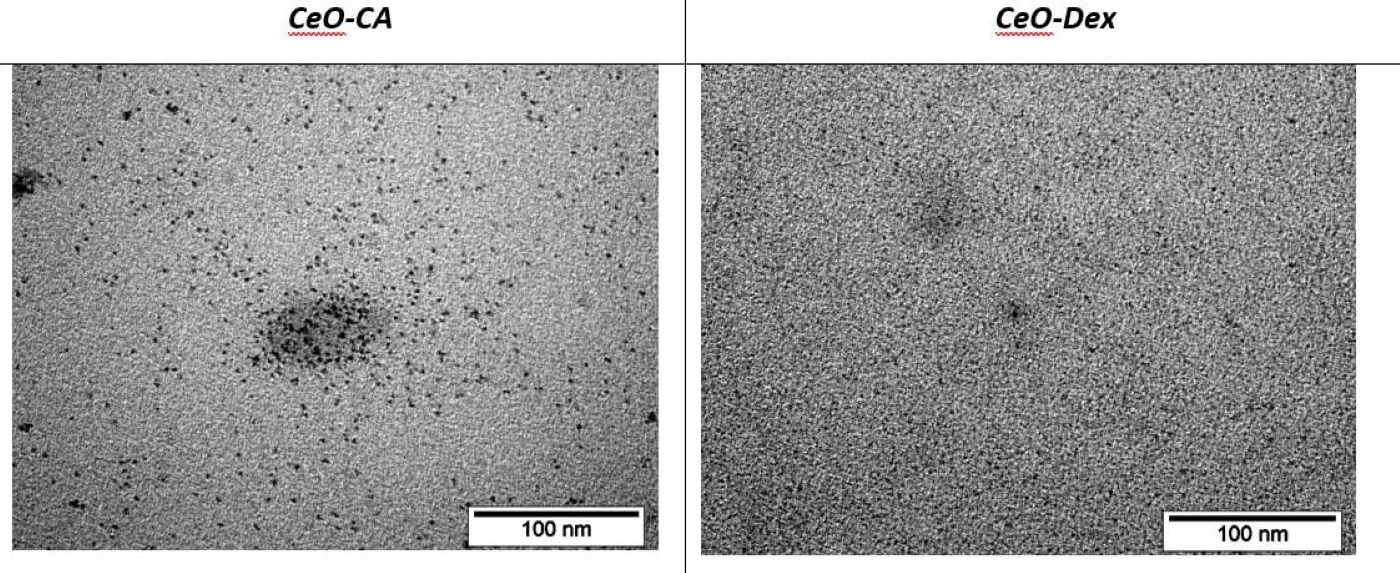
Scientists from the I.M. Sechenov First Moscow State Medical University and colleagues have synthesized nanoparticles based on cerium oxide (a soft, plastic, silver-colored rare earth metal) that accelerate wound healing. Most of these nanomaterials tend to clump together into large aggregates and lose their activity as a result. To avoid this effect, the researchers coated the nanoparticles with a polymer shell.
As the scientists explained, some wounds, extensive burns and trophic ulcers take an extremely long time to heal. It is especially difficult to treat such tissue damage in patients with diabetes mellitus and diseases of the cardiovascular system, which are becoming more common due to the aging of the population. Therefore, researchers are developing drugs that can accelerate regeneration. And collagen, a substance that surrounds and supports connective tissue cells, reduces the severity of inflammation and activates proteins involved in wound healing. However, its action is not enough for fast and effective healing, so researchers are looking for ways to improve its properties.
In the new work, the experts hypothesized that collagen and nanoparticles enhance each other's regenerative effect. Therefore, the authors proposed combining cerium oxide nanoparticles with collagen into a gel structure that not only stabilizes the particles and prevents them from sticking together, but also enhances the therapeutic effect. The authors created gel samples with different component ratios to determine the most effective composition.
— Collagen and cerium oxide nanoparticles had a synergistic effect, enhancing each other's beneficial properties. Thus, the collagen in the material acts as a matrix for cell growth, and cerium oxide nanoparticles fight inflammation, protect cells from oxidative stress, and stimulate their growth and division. We are confident that our development has great practical prospects.: It will help treat chronic wounds with diabetes, severe burns and other serious tissue damage," said Ekaterina Silina, head of the Laboratory of Life Sciences at the I.M. Sechenov First Moscow State Medical University.

The study itself went like this. First, the scientists tested the compounds on fibroblasts, cells involved in wound healing. To do this, the cells were placed on pieces of gel for three days. The experiment showed that the most effective samples accelerate metabolism (metabolism) and fibroblast growth by 42-50%.
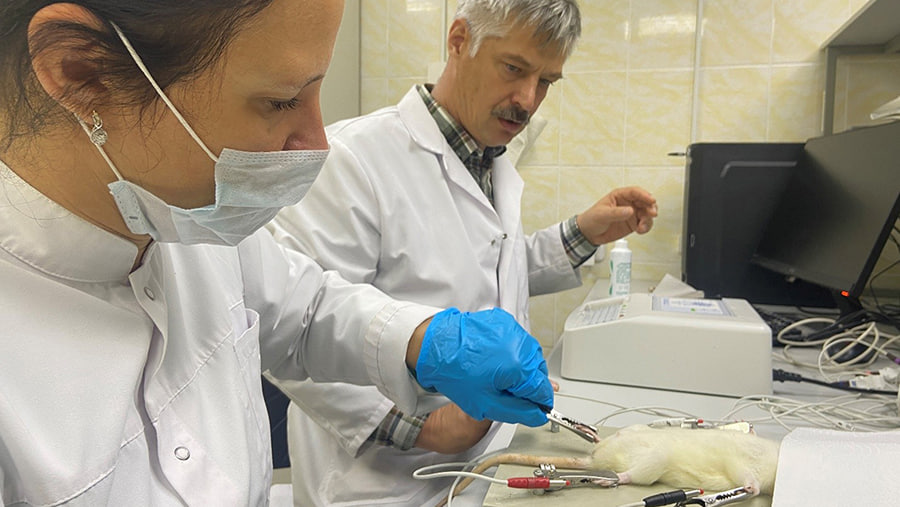
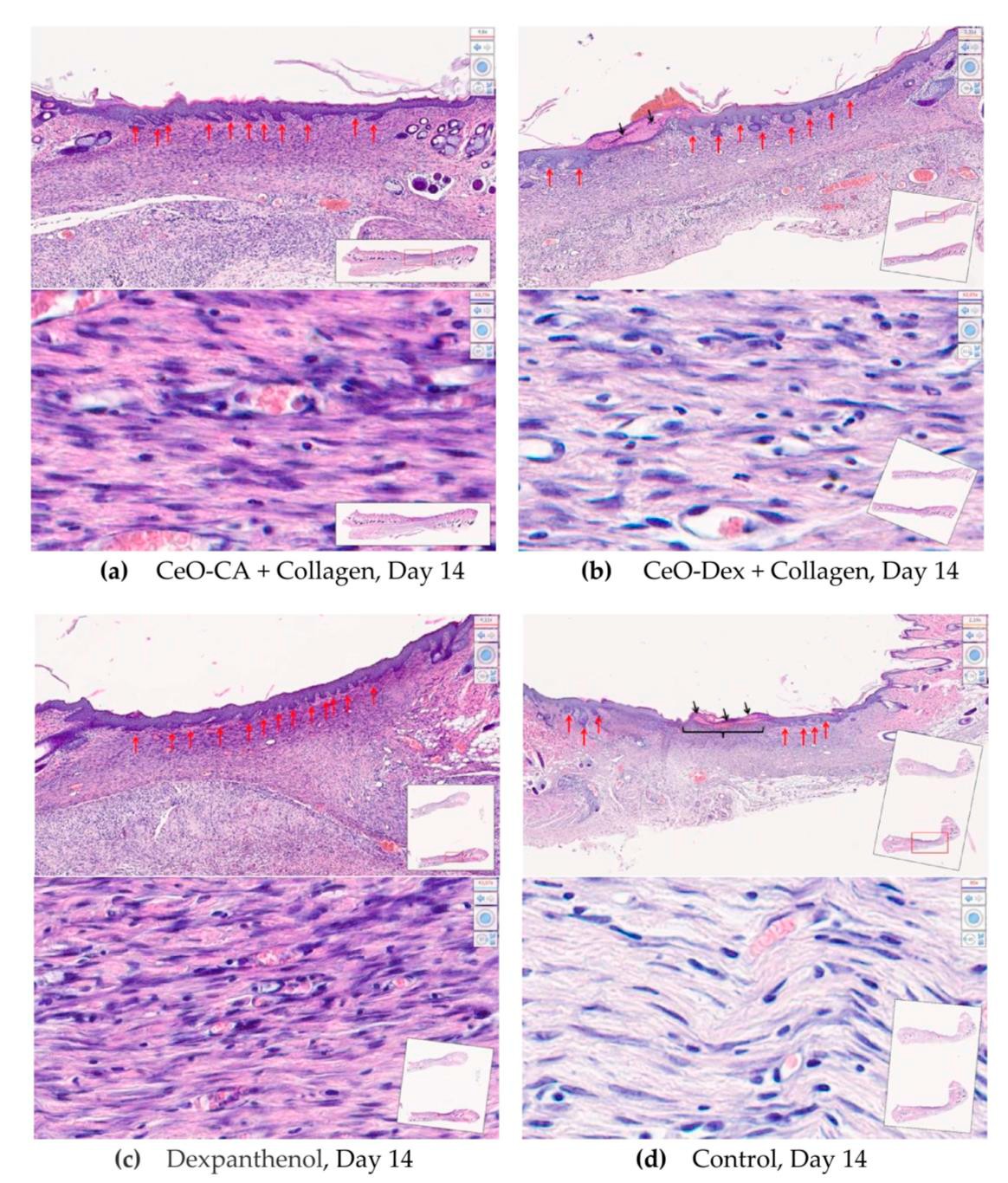
Then, the members of the research team, together with colleagues from Kursk State Medical University, tested the development on laboratory animals with simulated deep skin wounds. The authors compared three groups of rats: the first group applied collagen-nanoceria hydrogel to the wounds, the second group applied dexpanthenol, an ointment used in clinical practice (an ointment that accelerates cell renewal), and the animals from the third group healed wounds on their own.
After two weeks of observations, the wound area in rodents treated with cerium oxide nanoparticle gel was two times smaller than in animals whose tissues were repaired independently or were treated with dexpanthenol. Analysis of the regenerating tissues showed that the gel not only accelerates healing, but also improves the quality of regeneration due to its anti-inflammatory effect.
Prospects for a gel with cerium nanoparticles
In the future, scientists plan to conduct research on infected wounds with a complex microbial landscape, which is typical for military wounds, including those with antibiotic-resistant microorganisms typical of hospital infections.
— As a result, we strive to develop a domestic universal regenerative medicine of a new generation, which will open a new era of nanopharmacological highly effective medicines. We hope that we will be able to create a whole area that will solve some of the medical and social problems," said Ekaterina Silina.
The collagen in the composition acts not only as a building component, but also as an active participant in therapy, attracting macrophages of the second type (cells showing anti-inflammatory activity) to the wound, which heal the wound, Mikhail Bolkov, a researcher at the Institute for the Study of Aging at the Russian National Research Medical Center of the Russian National Research Medical University, told Izvestia.
"If the nanoparticle composition created by our scientists proves its effectiveness in clinical trials (in humans), it will indeed become the basis for a new class of wound—healing ointments," said Mikhail Bolkov.

There are a lot of developments of collagen gels described in the literature, and the ability of collagen itself to serve as a matrix and carrier of various substances, including metals like silver (silver proteinates), has long been known, explained Albert Rizvanov, head of the Center for Excellence "Personalized Medicine" at Kazan (Volga Region) Federal University, corresponding member of the Academy of Sciences of the Republic of Tatarstan.
— The novelty of this work lies in the combination of a familiar biopolymer with cerium oxide nanoparticles, which have unique antioxidant and anti-inflammatory properties and are used in this study in a stabilized form that prevents particle aggregation. This particular complex of collagen and nanocerium particles, which allows for a synergistic effect and a more than twofold acceleration of wound healing, can be considered a new and scientifically significant development result," the specialist noted.
An interdisciplinary team of scientists from the Pirogov Russian National Research Medical University (Moscow), the Institute of Biomedical Research and Technology, Kursk State Medical University, Southern Federal University, the Kurchatov Institute National Research Center and the Scientific Research Institute of General Pathology and Pathophysiology participated in the study.
The results of the study, supported by a grant from the Russian Science Foundation (RSF), are published in the journal Biomedicines.
Переведено сервисом «Яндекс Переводчик»
